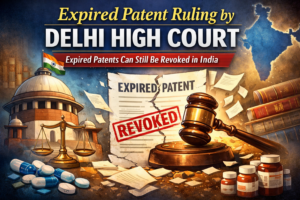
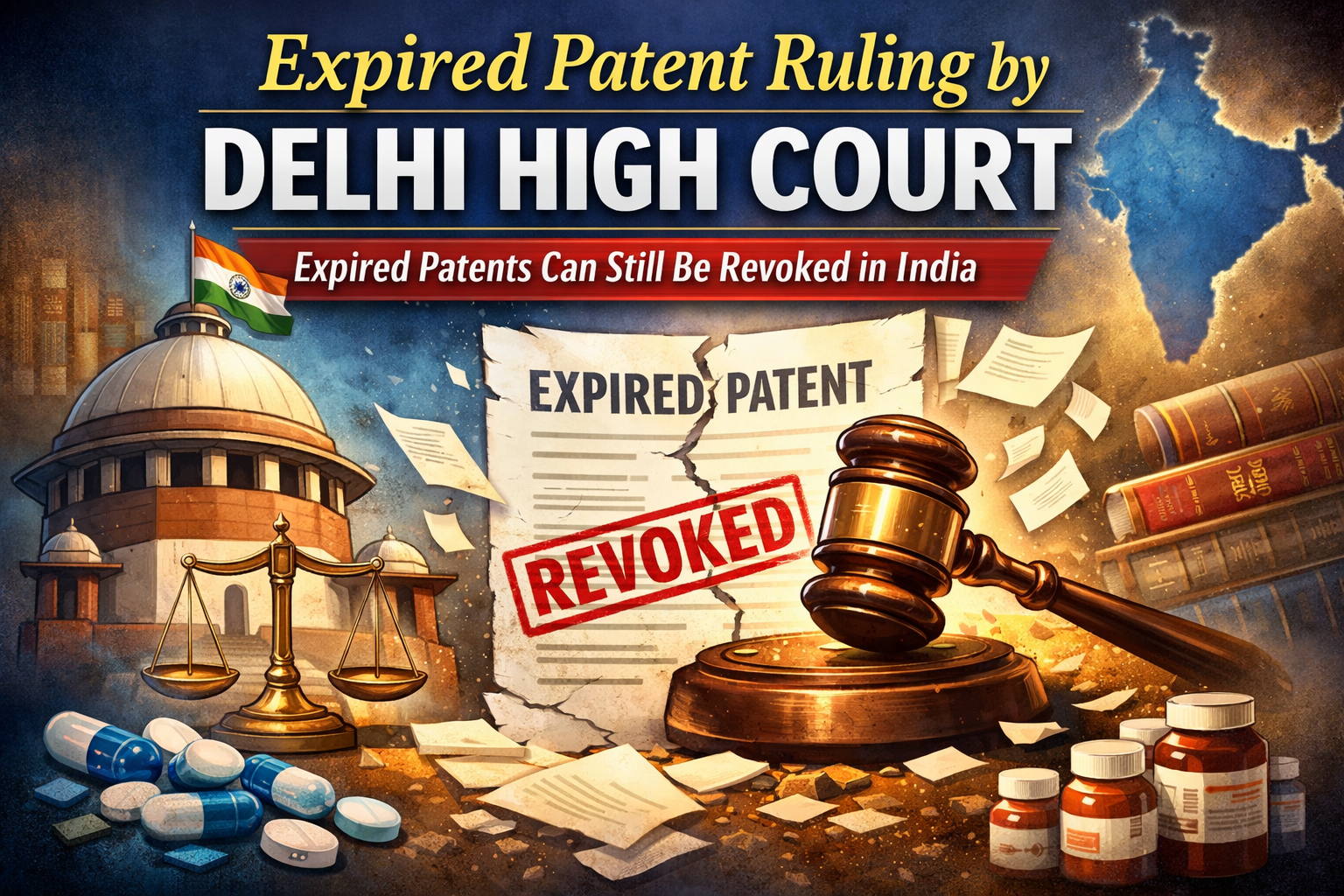
A major ruling by the Delhi High Court has clarified an important question in Indian intellectual property law: whether an expired patent can still be challenged. In a decision that could reshape patent litigation in India, the court ruled that patents remain open to legal scrutiny even after their 20-year protection period ends. The judgment establishes that expiry does not protect a patent from being revoked and that courts retain the authority to examine whether the patent was validly granted.
The ruling arose from a dispute between Boehringer Ingelheim and Macleods Pharmaceuticals involving a diabetes drug patent. During the legal proceedings, the patent in question expired. The patent holder argued that revocation proceedings should be discontinued because the patent term had ended. The court rejected this argument and held that determining the validity of a patent remains necessary even after expiry. Judges emphasized that a wrongly granted patent should not continue to create legal consequences.
The court made it clear that if an expired patent is later revoked, the law treats it as though it never existed. This principle has far-reaching consequences. Patent holders may lose the right to claim damages for past infringement if the patent is declared invalid. Companies accused of infringement may therefore escape liability if they successfully challenge the patent’s validity. The decision resolves a long-standing legal uncertainty and creates a clear framework for handling expired patents in India.
The judgment highlights a crucial distinction between patents that expire normally and patents that are revoked after expiry. When a valid patent expires, the invention enters the public domain and competitors can freely use the technology. However, the patent owner may still claim damages for infringement that occurred while the patent was active. In contrast, when a patent is revoked after expiry, the legal system treats the patent as invalid from the beginning. In such cases, infringement claims may collapse because the patent is considered never to have existed in law.
This distinction is especially important for the pharmaceutical industry, where patent disputes are common and financial stakes are high. India is one of the world’s largest producers of generic medicines, and Indian pharmaceutical companies frequently challenge patents held by multinational corporations. The new ruling strengthens the position of generic drug manufacturers by allowing them to challenge questionable patents even after expiry. Companies can now remove legal risks by seeking revocation instead of simply waiting for patents to expire.
The decision is expected to encourage more patent challenges in the future. Legal experts believe that companies involved in older patent disputes may reopen cases to seek revocation. Firms accused of infringement may also use the ruling as a defensive strategy by challenging expired patents to avoid damages. As a result, patent litigation in India may extend beyond the traditional life span of patents.
While generic manufacturers gain a strategic advantage, innovator companies face increased pressure. Patent owners must ensure that their inventions meet strict legal standards before filing applications. Weak patents may now face challenges long after the protection period ends. This creates greater legal and financial uncertainty for companies that depend on patent licensing and royalties. Businesses will need to adopt stronger patent drafting and prosecution strategies to reduce the risk of future revocation.
The ruling also brings much-needed clarity to Indian patent law. Earlier, courts did not always follow a consistent approach when dealing with expired patents. Some cases treated expiry as a reason to discontinue revocation proceedings, while others allowed challenges to continue. The Delhi High Court decision establishes a clear rule that expired patents remain subject to legal examination. This clarity improves predictability for businesses and legal practitioners.
The judgment aligns India more closely with international practices. Courts in several jurisdictions, including the United States and Europe, allow validity challenges after patent expiry when legal rights such as damages are involved. By adopting a similar approach, India strengthens its reputation as a mature and reliable intellectual property jurisdiction. Clear legal principles are particularly important for foreign investors who depend on predictable patent enforcement.
The economic implications of the ruling could be significant. In the pharmaceutical sector, stronger legal protection for generic manufacturers may lead to faster entry of lower-cost medicines. Increased competition often reduces prices and improves access to treatment. In technology and manufacturing industries, companies may reassess older patents and licensing agreements to determine whether legal challenges are necessary. Businesses may also conduct more rigorous reviews of their patent portfolios to identify potential vulnerabilities.
Legal experts have described the ruling as a major step forward for India’s intellectual property system. Many believe it strengthens fairness by ensuring that invalid patents cannot continue to produce legal consequences. The decision also supports a balanced approach to innovation by protecting genuine inventions while allowing competition against weak or undeserving patents.
The Delhi High Court judgment represents an important turning point in Indian patent law. It confirms that patent expiry does not end legal scrutiny and that validity remains the foundation of patent rights. Generic manufacturers gain stronger legal protection, while patent owners face higher standards of compliance. The ruling provides clarity, strengthens the patent system, and aligns India with global legal practices. In the evolving landscape of intellectual property law, the message is clear: only strong and valid patents will withstand legal challenges.