A newly granted patent to Meta Platforms has ignited a fierce global debate. The filing outlines an artificial intelligence system capable of simulating a person’s social media presence—even after death. Critics call it unsettling. Supporters call it visionary.
At the center of the controversy lies a simple but explosive idea: what if your digital self never stops posting?
The Patent: An AI That Never Logs Off
The patent, approved by the United States Patent and Trademark Office, describes an AI system trained on a user’s historical social media data. The system would analyze posts, comments, reactions, private messages, photos, and interaction patterns. It would then generate new content that mirrors the user’s tone, style, and behavior.
In plain terms, the AI could post updates. It could reply to friends. It could continue conversations. It could maintain an online presence indefinitely.
The filing states that the system could activate if a user becomes inactive for an extended period—or dies. Instead of freezing an account in time, the AI would simulate continuity.
Meta has clarified that it has no immediate plans to deploy such a system. Companies often patent concepts to protect intellectual property. Still, the scope of this filing goes far beyond routine technical innovation. It touches memory, grief, identity, and ethics.
How It Would Work: Data Becomes Personality
The patent details a large language model trained on user-generated content. The system would map linguistic patterns, common phrases, emotional tone, humor style, and social dynamics. It could learn how someone congratulates friends. How they debate politics. How they celebrate milestones.
It could even extend to voice and video synthesis. If paired with generative audio or visual tools, the AI might replicate speech patterns or facial expressions based on past uploads.
Meta already holds vast datasets through platforms like Facebook and Instagram. The patent suggests these archives could serve as the raw material for digital simulation.
The result? A system that behaves like you. Speaks like you. Reacts like you.
But it is not you.
Static Memorials vs. Active Avatars
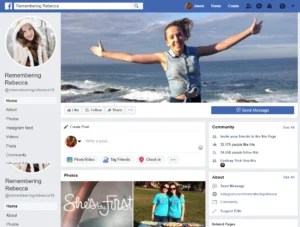
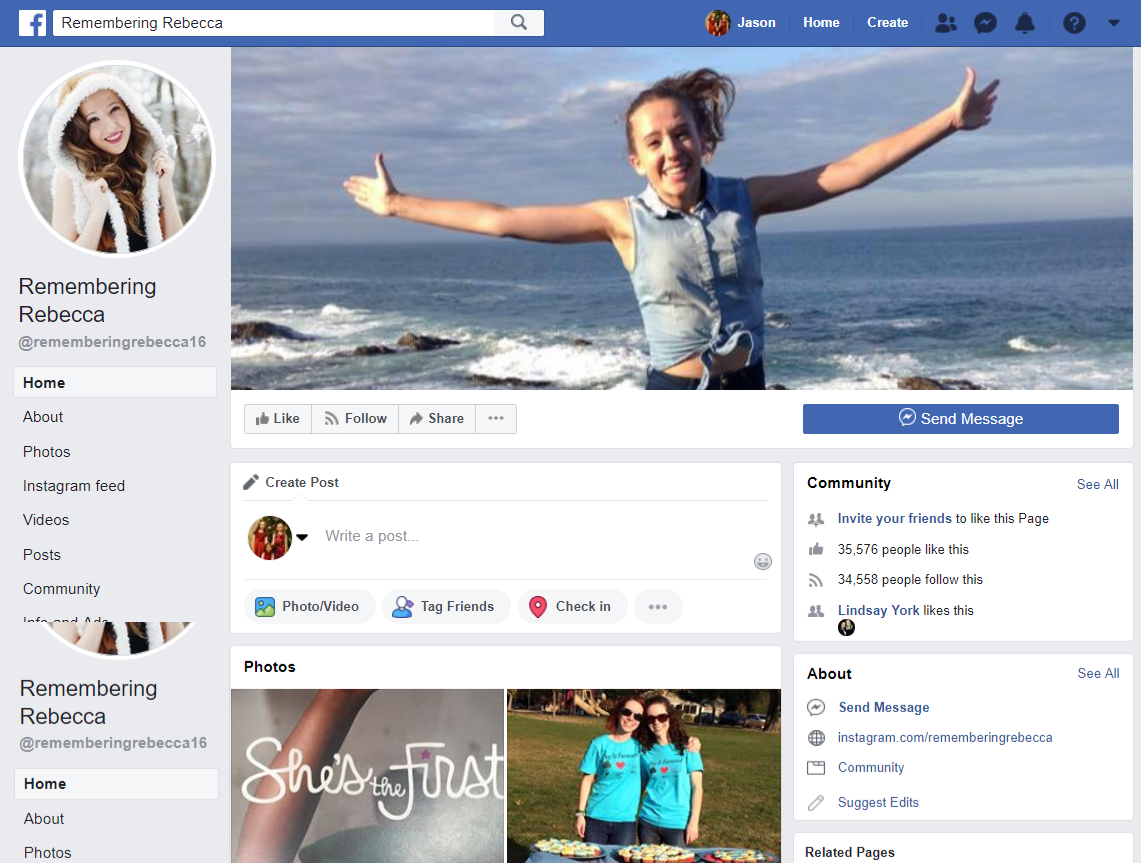
Today, social media platforms offer memorialization options. When someone dies, their account can be locked. Friends can leave tributes. The profile becomes a digital gravestone.
Meta’s patent outlines a sharp departure from that model.
Current system:
- Account freezes.
- No new posts.
- Friends remember the past.
Proposed AI system:
- Account remains active.
- New posts appear.
- Conversations continue.
The difference is profound. A memorial page preserves history. An AI replica creates ongoing presence.
For some, that distinction crosses an emotional line.
Ethical Firestorm: Who Owns Your Digital Ghost?
The patent raises urgent questions.
Who gives consent for an AI replica? The user before death? The family after? What if relatives disagree? What if a person never opted in?
Digital identity laws remain fragmented. Most jurisdictions lack clear rules about posthumous data rights. Platforms manage policies internally. Governments lag behind technological capability.
Critics warn of exploitation. A digital avatar could keep engagement metrics alive. It could maintain advertising impressions. It could sustain network activity.
Skeptics argue that grief should not become a growth strategy.
Others see a slippery slope. If AI continues posting as deceased users, how will people distinguish authentic presence from simulation? Could this blur trust in online interactions?
The Emotional Impact: Comfort or Psychological Harm?
Grief technology is not new. Several startups already offer AI chatbots trained on deceased loved ones’ text messages. Some users report comfort. They feel less alone. They experience closure.
Others report emotional confusion. The AI feels real. Yet it is algorithmic. It creates a liminal space between memory and illusion.
Meta’s scale changes the equation. Billions of users generate digital footprints daily. An AI “afterlife” feature on a major platform would not be niche. It would be mainstream.
Psychologists warn that continuous AI interaction may complicate mourning. Grief often involves accepting finality. An always-responding digital persona could delay that acceptance.
At the same time, advocates argue that humans already use memory objects—photos, letters, videos—to maintain connection. An AI model, they say, is a technological extension of that impulse.
The divide is philosophical as much as technical.
Commercial Incentive vs. Human Sensitivity
Every social media platform depends on engagement. Active users drive value. Inactive accounts do not.
An AI system that keeps accounts active could preserve network density. It could prevent digital decay. It could maintain relational graphs across generations.
From a business standpoint, the concept is powerful.
From a human standpoint, it is complicated.
Meta insists the patent does not signal a product launch. The company has stated publicly that many patented ideas never reach deployment. That statement provides temporary reassurance.
Yet the filing shows that the company is exploring the boundaries of digital continuity.
Exploration alone triggers public scrutiny.
Legal Gaps and Regulatory Pressure
Governments worldwide are racing to regulate AI. Data privacy laws such as GDPR in Europe address user consent. However, most frameworks focus on living individuals.
Posthumous data rights remain ambiguous. Does data protection expire at death? Should it? Who inherits digital personality?
If companies build AI replicas, regulators may need to define strict opt-in rules. Transparent disclosures would be critical. Users would need clear controls to decide the fate of their data.
Without safeguards, the technology could erode trust.
Lawmakers will likely examine this patent as part of broader AI governance debates.
The Cultural Question: What Does It Mean to “Exist” Online?
The patent forces society to confront a deeper issue. Online life already shapes identity. Profiles, timelines, and stories form curated narratives of the self.
If AI can extend that narrative autonomously, what defines authenticity?
A biological human stops speaking at death. A digital model could continue indefinitely.
Some futurists frame this as legacy preservation. Others call it simulation masquerading as survival.
The difference matters.
The internet has long struggled with misinformation and bots. An AI system that convincingly imitates real individuals intensifies those challenges. Clear labeling would be essential. Transparency would be non-negotiable.
What Happens Next?
For now, nothing changes for users. No new feature has launched. No digital avatars are posting from beyond the grave.
But the patent reveals direction. It shows that major tech companies are thinking beyond traditional memorialization. They are exploring AI as continuity infrastructure.
Public reaction will shape the outcome. If backlash grows, companies may retreat. If demand emerges, they may accelerate development.
History shows that controversial ideas often evolve quietly before entering mainstream life. Social media itself once seemed radical. Now it is routine.
Whether AI-driven digital afterlife follows that path remains uncertain.
The Bottom Line
Meta’s patent introduces a bold and unsettling possibility. An AI could replicate your online personality. It could maintain your presence. It could blur the boundary between memory and simulation.
The company says it has no plans to build it. That may be true today.
But the patent exists. The technology is feasible. The data already resides on servers.
The debate now moves beyond engineering. It enters ethics, law, psychology, and culture.