
LG Grants Patent License to Amazon for Wi-Fi Technology

LG Electronics has signed a patent licensing agreement with Amazon to allow the tech giant to use its Wi-Fi standard-essential patents (SEPs). The deal covers a wide range of Amazon products including Fire TV devices, Echo smart speakers, Fire Tablets and other connected devices that rely on Wi-Fi standards.

LG stated that Wi-Fi SEPs are core patented technologies required for any device that implements Wi-Fi connectivity under global technical standards. The agreement ensures that Amazon can continue to deploy Wi-Fi features in its products without risk of patent disputes or infringement.

The company highlighted that it currently owns 97,880 registered patents worldwide, with nearly half of them categorized as standard-related technologies. LG has been actively strengthening its patent licensing business as part of a long-term global intellectual property strategy.

The Korean electronics manufacturer also confirmed that it is in talks with several other global firms for similar Wi-Fi licensing arrangements. This indicates a strategic shift where LG sees intellectual property monetization as a major business pillar.

LG added that it plans to expand its patent portfolio in future technologies such as 6G, vehicle-to-everything (V2X) communications, artificial intelligence, and quantum computing. The company aims to reinforce its position in emerging technology ecosystems where standard-essential patents are expected to play a critical role.

Industry analysts expect more such licensing deals as connected devices, IoT ecosystems, and Wi-Fi-based communications continue to grow rapidly.

The agreement marks another significant milestone in the global technology licensing landscape and reflects increasing emphasis on fair access to essential wireless patents across industries.
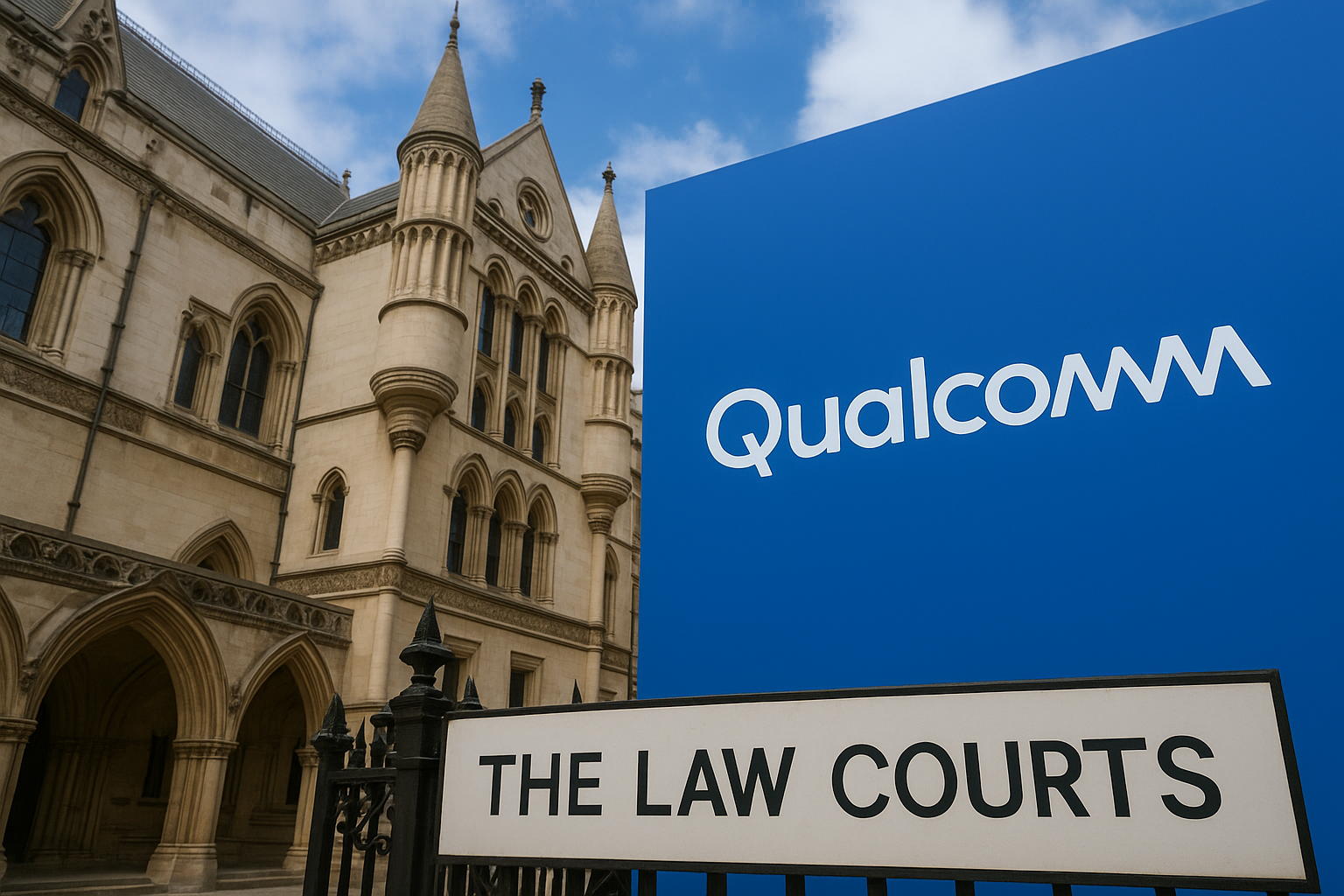
UK Consumer Group Takes Qualcomm to Court

U.S. chipmaker Qualcomm is facing a major legal challenge in the United Kingdom over alleged abuse of market dominance in its patent licensing and chip supply practices.
Consumer watchdog Which? has brought a £480 million (US$647 million) lawsuit before the Competition Appeal Tribunal (CAT) in London. The group claims Qualcomm imposed unfair conditions on smartphone manufacturers, leading to inflated prices for millions of UK consumers.

According to Which?, Qualcomm’s “no licence, no chips” policy forced companies like Apple and Samsung to obtain patent licenses before they could purchase Qualcomm’s chipsets. The consumer group argues that this practice created an “industry-wide private tax”, ultimately passed on to smartphone buyers.

Read more on Reuters


Allegations of Market Abuse

The lawsuit accuses Qualcomm of abusing its dominant position in the markets for both mobile chipsets and standard-essential patents (SEPs). These SEPs are crucial for mobile communication standards such as 4G and 5G, and patent holders are generally required to license them on Fair, Reasonable, and Non-Discriminatory (FRAND) terms.

Which? claims that Qualcomm violated these principles by tying chip sales to costly patent licenses. The group says this practice distorted competition and inflated royalties that device makers paid for access to Qualcomm’s technology.


Qualcomm Defends Licensing Practices

Qualcomm has denied all allegations of wrongdoing. The company argues that its licensing terms are consistent with global industry norms and that manufacturers such as Apple and Samsung possess substantial bargaining power.

A Qualcomm spokesperson said the company’s business model is lawful and has been upheld in previous court decisions. The firm pointed to the U.S. Ninth Circuit Court of Appeals ruling that overturned a similar case filed by the U.S. Federal Trade Commission (FTC), which found Qualcomm’s licensing model to be legitimate under U.S. antitrust law.


Consumer Impact and Wider Implications

Which? estimates that around 29 million UK consumers who purchased iPhones or Samsung devices since 2015 were affected by Qualcomm’s practices. The lawsuit argues that inflated royalty costs were passed on to customers in the form of higher handset prices.

If the tribunal rules in favor of Which?, Qualcomm could be ordered to pay hundreds of millions in damages and alter its licensing policies in the UK. The case could also influence how standard-essential patent licensing is handled across Europe and other markets.

The trial, expected to run for five weeks, will determine whether Qualcomm’s conduct breached UK competition law. A separate hearing may follow to decide the amount of compensation if the company is found liable.


Broader Context

This case echoes regulatory scrutiny Qualcomm has faced worldwide. In 2018, the European Commission fined the firm €997 million for abusing its dominance in LTE chipsets. Similar disputes have arisen in South Korea, China, and the United States, where authorities have examined Qualcomm’s licensing policies.

A ruling against Qualcomm in the UK could set a major precedent for how tech giants manage their intellectual property and pricing models in the mobile industry.