The family business of former US President Donald Trump has filed trademark applications that could reshape how public infrastructure carries a political name. The move is bold. It is strategic. And it has sparked sharp national debate.
The Trump Organization, now led by Eric Trump and Donald Trump Jr., has applied to the United States Patent and Trademark Office (USPTO) to secure exclusive rights to use Trump’s name in connection with airports and related services.
The filings cover names such as “President Donald J. Trump International Airport,” “Donald J. Trump International Airport,” and even the initials “DJT” for aviation-linked services and merchandise.
The company insists the move is defensive. Critics call it unprecedented. Supporters frame it as smart brand protection. The truth sits at the intersection of politics, commerce, and power.
A Defensive Shield — Or a Strategic Play?
According to representatives of the Trump Organization, the filings aim to block misuse of the Trump name by what they describe as “bad actors.” The company says it does not plan to collect licensing fees or royalties if a public airport chooses to adopt the Trump name.
That claim forms the core of its defense.
The company argues that without a trademark, third parties could exploit the name for profit. They could sell airport-branded goods. They could create misleading services. They could dilute the brand. The filings, the company says, close that door.
But critics question the timing and scope.
They note that trademark rights extend beyond signage. A registered mark can cover merchandise, promotional services, and commercial tie-ins. Even if the organization does not charge an airport for naming rights, the trademark could still allow control over branded goods connected to that airport.
In simple terms: it may not collect from the runway. But it could still benefit from the terminal gift shop.
The Florida Connection
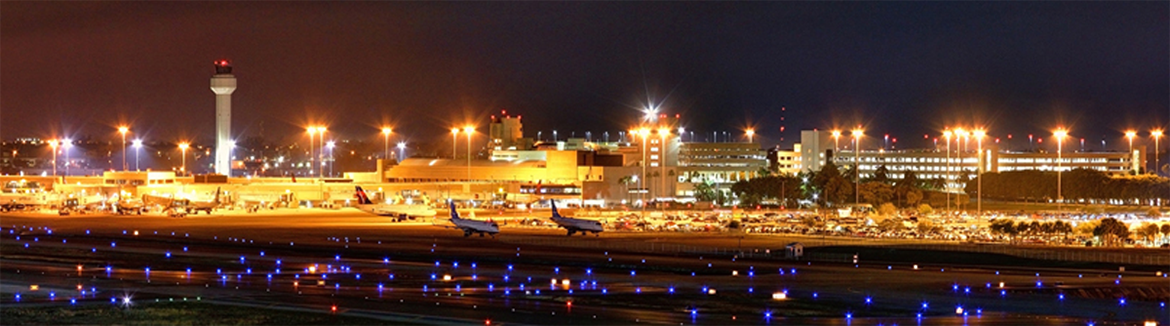
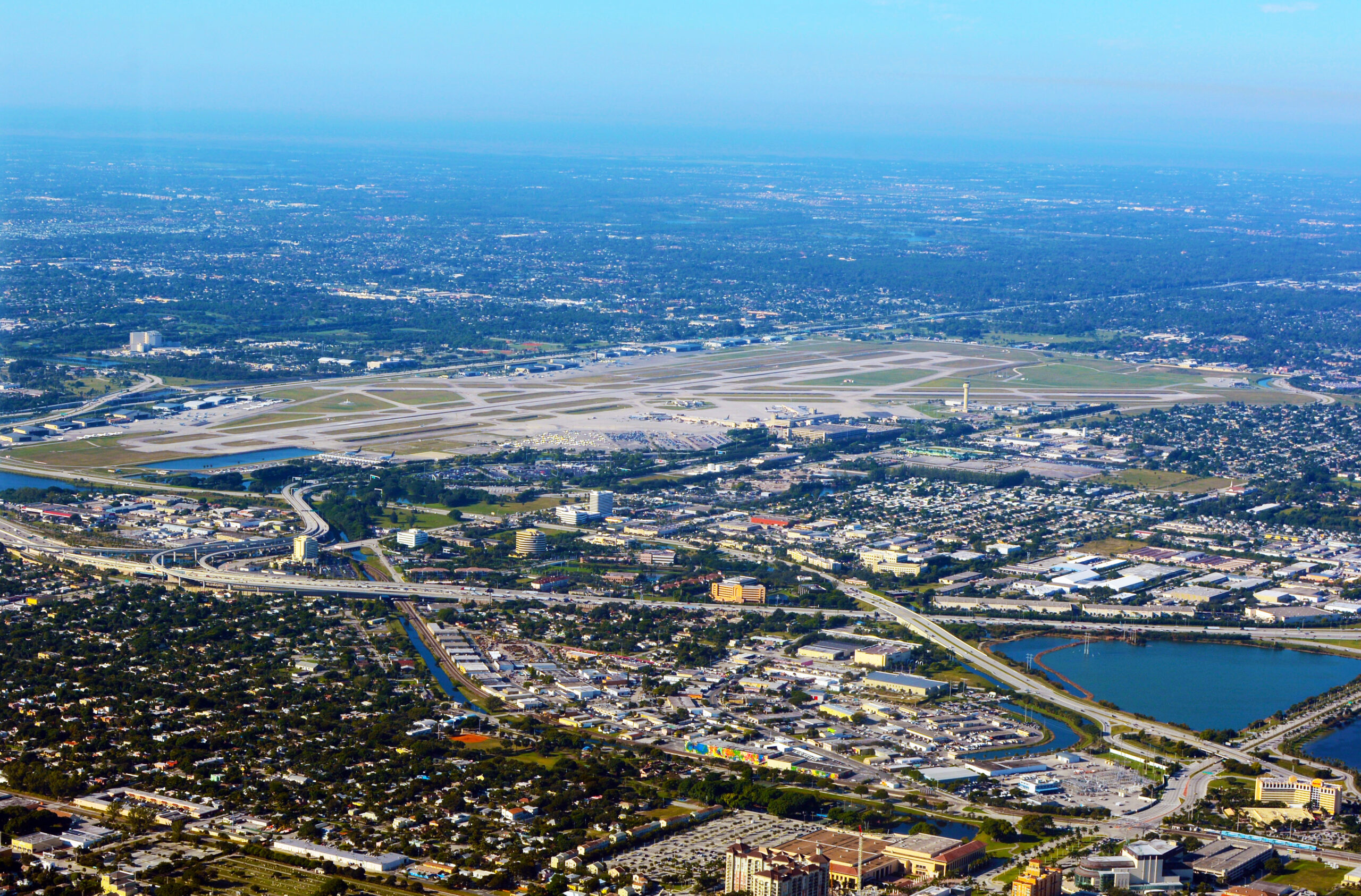
The filings appear closely linked to discussions in Florida about renaming Palm Beach International Airport after Trump.
That proposal has divided local leaders.
Supporters argue that Trump remains a dominant political force with deep ties to Florida. His Mar-a-Lago estate sits just miles away. They believe naming the airport after him would honor a transformative presidency.
Opponents counter that airports serve everyone. They warn against attaching public infrastructure to a living political figure. They argue that such naming decisions should follow decades of historical reflection, not current political momentum.
This tension creates a powerful contrast.
On one side: a loyal base that sees recognition.
On the other: critics who see politicization of civic space.
The trademark filings intensify that clash.
Public Infrastructure vs. Private Branding
Airports are public assets. They symbolize connection, commerce, and community. They carry names like John F. Kennedy, Ronald Reagan, or George Bush — leaders whose legacies matured over time.
But those names typically followed historical distance. They came after presidencies ended and reputations settled.
The Trump case differs.
Here, a private company seeks proactive trademark control while the political figure remains central to national life. That shift marks a sharp departure from precedent.
Trademark law operates in the private sector. It protects brands, prevents consumer confusion, and secures intellectual property. Airports operate in the public domain. They answer to taxpayers and elected officials.
When these two worlds collide, questions follow.
Can a private business hold exclusive branding rights tied to a public airport name?
Could that blur the line between governance and commerce?
Does it strengthen brand control — or weaken public neutrality?
These are not abstract questions. They go to the heart of democratic symbolism.
The Legal Landscape
Trademark approval is not automatic.
The USPTO will examine whether the proposed marks meet legal standards. Officials will evaluate distinctiveness, potential conflicts, and public interest factors.
If approved, the trademarks would grant exclusive commercial rights in specified categories. That means the Trump Organization could control how the name appears on goods, services, and promotional materials related to aviation.
However, trademark rights do not automatically force airports to change their names. Naming authority rests with local and federal bodies. The filings do not rename any airport. They only secure branding rights if a naming decision occurs.
This distinction matters.
Political action changes signs.
Trademark registration protects symbols.
The two processes operate separately — but they can intersect powerfully.
Supporters See Strength
Backers of the Trump family’s move frame it as decisive and prudent.
They argue that the Trump name carries global recognition. They point to decades of real estate projects, hotels, and golf resorts built under the brand. In their view, protecting that name aligns with standard corporate practice.
They also stress that many airports worldwide carry the names of political leaders. They argue that Trump’s influence on US politics justifies consideration.
For them, the trademark filings signal discipline, not opportunism.
They say the company simply refuses to let others exploit a valuable name.
Critics See Conflict
Opponents, however, see a different picture.
They warn that trademark control could create subtle commercial advantages. Even without direct fees from an airport authority, exclusive branding rights could open pathways for merchandise, events, and partnerships tied to the airport’s identity.
They also raise ethical concerns.
When a political figure’s private company seeks intellectual property rights connected to public infrastructure, critics argue, lines blur. The risk, they say, is perception of influence.
They question whether such filings reinforce the merging of political identity and commercial enterprise.
This debate reflects a larger national conversation. In modern politics, personal branding drives campaigns, media strategy, and fundraising. The Trump presidency amplified that dynamic.
The airport trademark filings extend it into infrastructure.
A Broader Branding Strategy?
Observers note that the Trump Organization has consistently protected its trademarks across industries — from hospitality to apparel to digital ventures.
Securing aviation-related trademarks fits that pattern.
The filings could serve as insurance. They could also serve as leverage. If a city considers renaming an airport, trademark ownership ensures the family controls associated commercial usage.
In business terms, that is a powerful position.
In political terms, it is controversial.
What Comes Next?
The USPTO review process will unfold over months. Objections could arise. Competing claims could surface. Public interest groups may weigh in.
Meanwhile, the Florida naming debate continues. Local officials must decide whether to move forward with any renaming proposal.
If they do not, the trademarks may remain unused — legal protections without immediate application.
If they do, the intersection of public decision and private control will move from theory to reality.
The Larger Question
This episode forces a deeper reflection.
Should living political figures pursue intellectual property rights tied to public institutions?
Does defensive branding protect legacy — or commercialize civic space?
Where should the line stand between name recognition and public neutrality?
The Trump family’s filings do not provide those answers. But they compel the country to confront them.
The move is strategic. It is unprecedented in modern times. And it underscores how power, brand, and governance now overlap in ways few anticipated decades ago.