
India’s Crackdown on Patent Evergreening Could Test Drug Patent Regime in 2026

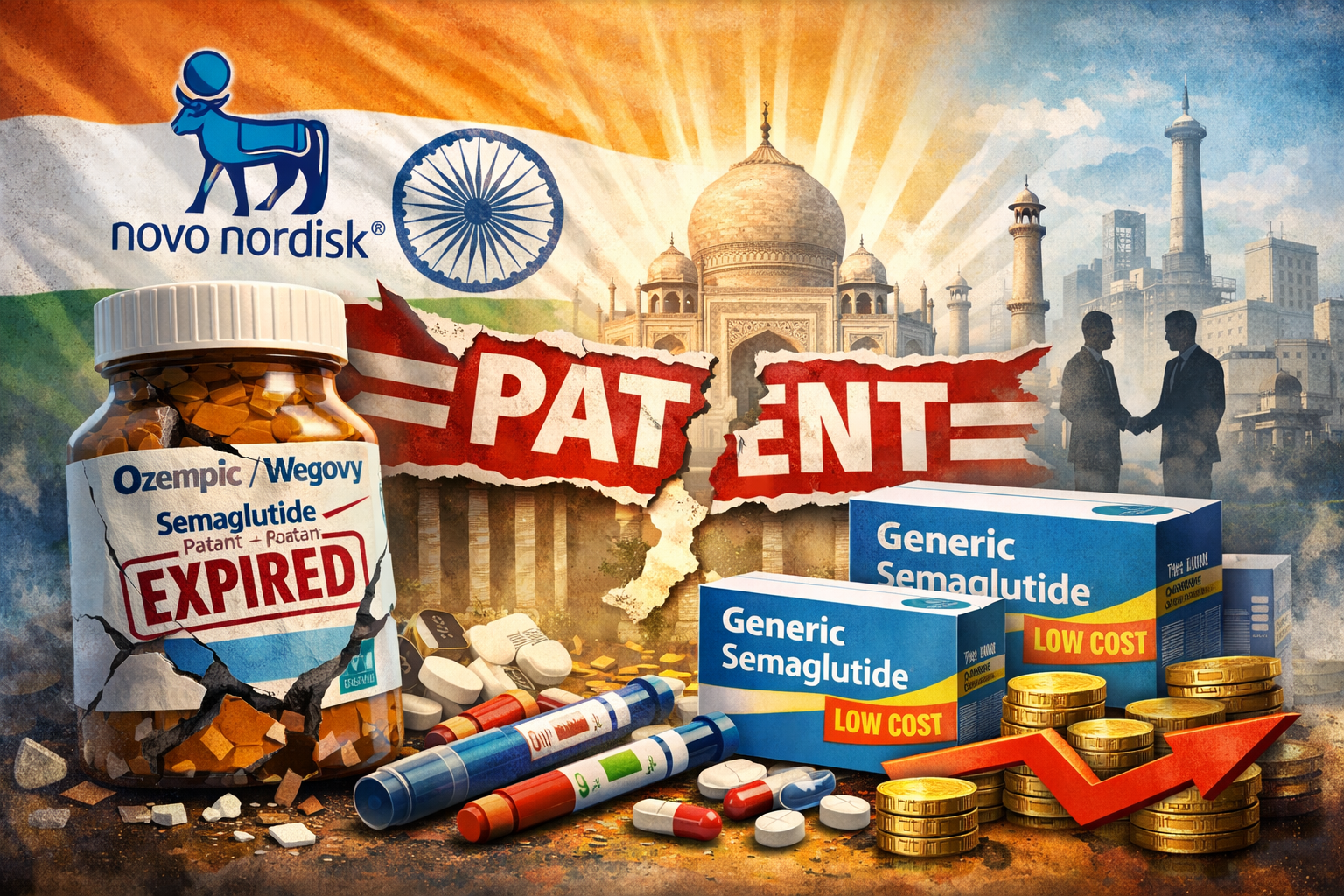
Illustration showing India’s legal battle over pharmaceutical patent evergreening and generic drug competition.

India’s pharmaceutical patent regime is heading toward a decisive moment. Several high-value drug patents are set to expire in 2026. At the same time, multinational pharmaceutical companies are attempting to extend exclusivity through secondary patents. This growing conflict is expected to test India’s strict anti-evergreening framework and reshape the country’s drug patent landscape.

Legal experts believe the coming year could trigger a wave of litigation between global drug innovators and India’s powerful generic drug manufacturers. Courts will need to determine whether new patent claims represent genuine innovation or strategic attempts to prolong monopoly rights.

The outcome could influence drug prices, access to medicines, and the future of pharmaceutical innovation in one of the world’s largest generic medicine markets.

Patent Expiries Set the Stage for a Legal Showdown

Several blockbuster medicines are approaching the end of their primary patent terms in India. Among them is semaglutide, a widely used treatment for diabetes and obesity developed by Novo Nordisk.

The drug powers globally popular brands such as Ozempic, Wegovy, and Rybelsus.

The core patent covering semaglutide is expected to expire in India in March 2026. Once that protection ends, generic manufacturers could begin producing lower-cost versions.

Indian pharmaceutical companies are preparing to enter the market. One of the most prominent players is Dr. Reddy’s Laboratories, which has already engaged in legal proceedings related to the drug.

If generic production begins after patent expiry, prices could drop dramatically. That shift would benefit millions of patients but also threaten billions of dollars in revenue for the original developer.

Understanding Patent Evergreening

The heart of the dispute lies in a controversial strategy known as patent evergreening.

Evergreening occurs when pharmaceutical companies file additional patents for small modifications to an existing drug. These modifications may include:

  • new dosage forms
  • improved delivery mechanisms
  • different chemical salts or crystalline forms
  • modified formulations

While these changes can offer minor technical improvements, critics argue that they rarely provide significant therapeutic benefits.

However, when granted, such patents can extend market exclusivity for years beyond the original 20-year protection period.

In highly competitive pharmaceutical markets, even a short extension can generate billions in additional revenue.

India’s Strong Legal Barrier: Section 3(d)

India stands apart from many other countries because of a powerful legal safeguard against evergreening.

Section 3(d) of the Indian Patents Act restricts patents on new forms of known substances unless they demonstrate significantly enhanced therapeutic efficacy.

This provision was introduced to prevent companies from obtaining patents for trivial modifications. Lawmakers designed the rule to ensure that only meaningful innovations receive patent protection.

The clause gained global attention during a landmark legal battle involving Swiss pharmaceutical giant Novartis. In that case, the Indian Supreme Court rejected a patent application for a modified version of the cancer drug Glivec, citing Section 3(d).

That decision cemented India’s reputation as a country that prioritizes access to affordable medicines.

Courts Increasingly Balance Innovation and Access

Recent court rulings suggest that Indian judges are continuing to apply a strict interpretation of patent law.

One prominent case involved the spinal muscular atrophy drug Risdiplam developed by Roche.

The medication was originally priced at several lakh rupees per bottle, making it unaffordable for many patients in India.

Domestic manufacturer Natco Pharma launched a much cheaper version after legal proceedings allowed its entry into the market.

The price difference was dramatic. The generic product cost a small fraction of the original drug’s price.

Courts ultimately declined to block the generic version, emphasizing public interest and patient access.

Another important case involved the cancer immunotherapy drug Nivolumab, marketed globally by Bristol Myers Squibb.

Indian drugmaker Zydus Lifesciences developed a biosimilar version and introduced it at a significantly lower cost.

The move highlighted the growing confidence of Indian companies in challenging patent barriers.

Generic Industry Sees Massive Opportunity

India’s pharmaceutical sector is one of the largest producers of generic medicines in the world.

Companies across the industry are closely watching the upcoming patent expiries. If courts continue to enforce strict standards against evergreening, generic manufacturers could gain access to several high-value markets.

The potential rewards are enormous.

Drugs for diabetes, cancer, autoimmune diseases, and rare conditions often generate billions of dollars annually. Once generic competition begins, prices can fall sharply.

India’s domestic manufacturers are known for producing affordable medicines at scale. This capability allows them to serve not only the Indian market but also countries across Africa, Asia, and Latin America.

For many developing nations, Indian generics provide the most affordable treatment options.

Global Pharma Faces Strategic Pressure

The evolving legal landscape in India is forcing multinational pharmaceutical companies to rethink their patent strategies.

Many global drug makers rely on layered patent portfolios to protect their products. These portfolios include dozens of patents covering manufacturing processes, formulations, and delivery systems.

In jurisdictions that allow broader patent protection, such strategies can extend exclusivity well beyond the initial patent term.

India’s stricter rules limit that approach.

As a result, some multinational companies argue that the country’s patent regime discourages incremental innovation. They claim that improvements to existing medicines deserve protection because they can enhance safety, stability, or patient compliance.

However, public health advocates strongly disagree.

They argue that evergreening artificially inflates drug prices and delays the entry of affordable alternatives.

Public Health vs Innovation Debate Intensifies

The debate over patent evergreening reflects a deeper global tension between innovation and accessibility.

Supporters of strict patent protections say that pharmaceutical research is expensive and risky. Companies invest billions of dollars in developing new medicines, and strong patent rights help recover those costs.

Without adequate protection, they warn, innovation could slow.

On the other side, health policy experts argue that life-saving medicines should not remain unaffordable due to legal loopholes.

India’s approach attempts to strike a balance.

The country grants patents for genuine innovations while rejecting minor modifications that do not significantly improve therapeutic outcomes.

This model has helped build one of the world’s strongest generic drug industries.

Why 2026 Could Be a Turning Point

The next year could prove pivotal for India’s pharmaceutical patent framework.

Several major drug patents are set to expire around the same time. Generic manufacturers are preparing for market entry. Meanwhile, originator companies are filing additional patent claims in an effort to protect their products.

This convergence is likely to generate complex legal battles.

Courts will need to decide whether new patent applications meet India’s strict standards for innovation.

Their decisions will not only shape the future of individual drugs but also define how aggressively companies can pursue secondary patents.

If courts continue to reject weak patent claims, India could reinforce its position as a global leader in affordable medicines.

The Global Impact of India’s Patent Policy

India’s decisions often influence pharmaceutical markets worldwide.

The country supplies a significant share of generic medicines used in developing countries. Its patent policies therefore affect the availability and affordability of treatments across the globe.

International organizations and governments closely monitor Indian court rulings. Some nations are considering adopting similar legal provisions to prevent evergreening.

At the same time, global pharmaceutical companies are carefully adjusting their strategies for the Indian market.

The stakes are high for both sides.

A Critical Moment for the Drug Patent System

India’s battle against patent evergreening is entering a critical phase.

As blockbuster drugs approach patent expiry and new patent claims emerge, courts will face difficult choices.

Their rulings will determine whether follow-on patents represent genuine innovation or strategic attempts to extend monopoly power.

The decisions could reshape the pharmaceutical landscape in India and beyond.

For patients, the outcome may determine how quickly affordable versions of life-saving medicines become available.

For drug makers, it will define the limits of patent protection in one of the world’s most important pharmaceutical markets.

Former USPTO Employee Agrees to Pay $122,480 in Conflict-of-Interest Settlement

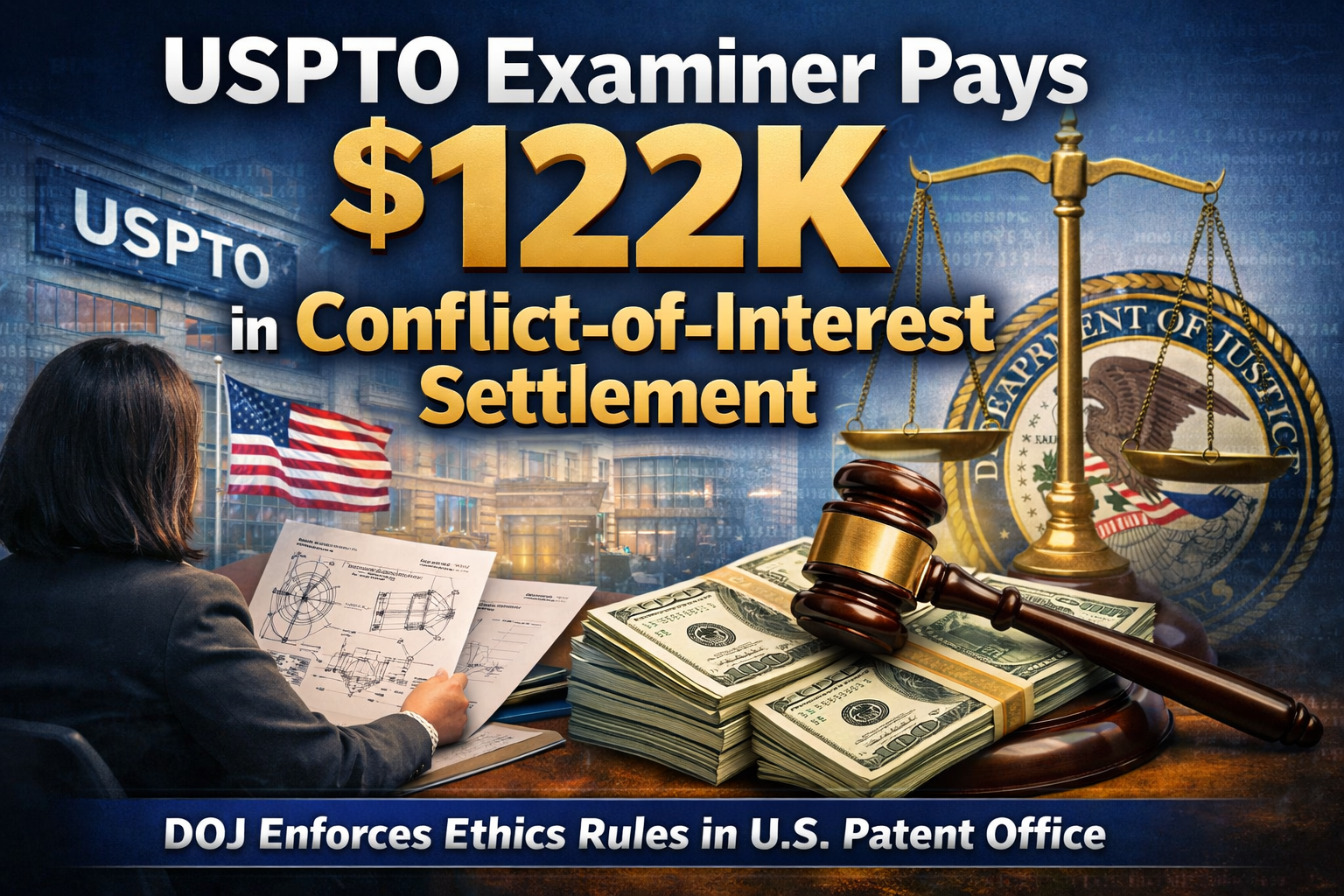
Graphic illustration showing a USPTO patent examiner reviewing documents with a gavel, cash, and scales of justice symbolizing the $122,480 conflict-of-interest settlement announced by the U.S. Department of Justice.

A former employee of the United States Patent and Trademark Office (USPTO) has agreed to pay $122,480 to resolve allegations that she violated federal conflict-of-interest rules while examining patent applications. The settlement, announced by the U.S. Department of Justice, highlights growing scrutiny of ethical compliance within the U.S. patent examination system.

The case centers on allegations that the former patent examiner participated in official matters that could directly affect her personal financial interests. Federal law strictly prohibits government employees from making decisions that influence companies in which they hold stock or other financial stakes. Investigators say the examiner crossed that line during her tenure at the USPTO.

Settlement Resolves Ethics Concerns

According to the DOJ announcement, the former examiner, Christine Tu, agreed to pay $122,480 as part of a civil settlement. The payment resolves allegations that she participated in patent examination activities involving companies connected to her personal investments.

The government alleged that Tu owned significant stock holdings in a technology company while simultaneously examining patent applications related to that company and its competitors. Such actions create a direct conflict between personal financial interests and official government duties.

Under U.S. ethics laws, federal employees must avoid participating in matters that could affect their financial holdings. When such conflicts arise, employees must recuse themselves immediately. Authorities claim Tu failed to do so.

The settlement resolves the government’s claims without a formal admission of wrongdoing. However, the case sends a clear message about the importance of ethical compliance within federal agencies.

Alleged Conduct Spanned Multiple Years

Investigators say the alleged conflict occurred between October 2019 and November 2022, when Tu worked as a patent examiner at the USPTO.

During that period, authorities allege she examined:

  • At least one patent application filed by a company in which she held stock, and
  • More than 20 patent applications filed by a competing company whose business interests could also affect the value of her investment.

According to the government, Tu owned more than $125,000 worth of shares in the company involved. That level of financial interest triggered clear conflict-of-interest restrictions under federal ethics rules.

Patent examiners play a crucial role in the innovation economy. They review patent applications and determine whether inventions meet legal requirements such as novelty, usefulness, and non-obviousness. Their decisions can shape entire markets and determine which companies gain exclusive rights to valuable technologies.

Because of that power, strict ethical safeguards govern examiner conduct.

Federal Ethics Laws Set Clear Boundaries

The case revolves around federal conflict-of-interest statutes designed to prevent government employees from using their positions for personal financial gain.

These laws require employees to disclose financial holdings and recuse themselves from matters that could affect those investments. The rule applies broadly across federal agencies, including the USPTO.

In practice, the requirement is straightforward. If an examiner owns stock in a company, that examiner cannot participate in reviewing patent applications from that company or its direct competitors when financial interests may be affected.

Violations can lead to civil penalties, disciplinary actions, or even criminal prosecution in severe cases.

Authorities say enforcing these rules helps maintain the integrity of the federal workforce and ensures fair treatment for businesses seeking government decisions.

Oversight and Investigation

The investigation involved multiple federal oversight bodies. The case was pursued by the Civil Division of the U.S. Department of Justice in coordination with the U.S. Department of Commerce Office of Inspector General.

The Office of Inspector General investigates fraud, waste, abuse, and ethical violations within agencies under the Department of Commerce, including the USPTO.

Officials say such investigations are essential for maintaining trust in federal decision-making processes.

Assistant Attorney General officials emphasized that government employees must remain impartial when performing their duties. When financial conflicts arise, employees must step aside to protect the fairness of government actions.

Why Patent Examiners Face High Ethical Standards

Patent examiners operate at the center of the global innovation economy. Their decisions determine whether companies receive exclusive rights to new technologies.

A single patent can generate millions of dollars in revenue. It can also block competitors from entering a market. Because of these high stakes, even the appearance of bias can damage confidence in the patent system.

The USPTO reviews hundreds of thousands of patent applications every year. Technology companies, research institutions, and startups all depend on fair and impartial examination.

If an examiner reviews applications involving companies tied to personal investments, it raises concerns about whether decisions could be influenced—intentionally or unintentionally—by financial gain.

Ethics rules exist to prevent exactly that situation.

A Growing Focus on Ethics Enforcement

This settlement reflects a broader trend. Federal authorities have increasingly emphasized ethics enforcement across agencies responsible for economic regulation.

In recent years, investigators have examined conflicts involving government employees in areas such as securities regulation, procurement decisions, and intellectual property administration.

Within the patent system specifically, financial conflicts are particularly sensitive because patent rights can shape entire technology sectors.

Legal experts say even small conflicts can undermine trust in the system. Companies must believe that patent decisions are based purely on law and evidence—not on an examiner’s personal financial interests.

Comparing Ethical Compliance in Patent Systems

The United States maintains one of the most structured ethics frameworks for patent examiners. Financial disclosure rules, training programs, and internal monitoring systems aim to identify conflicts before they influence decision-making.

Compared with many countries, the U.S. system requires more detailed disclosure of employee investments. Agencies also provide ethics counseling and automated screening tools to help employees avoid prohibited matters.

However, enforcement actions such as this case demonstrate that violations still occur.

Experts note that the complexity of modern technology industries can create challenges. Examiners may hold diversified investment portfolios that include technology stocks. If not carefully monitored, those investments can overlap with the industries they review.

That is why federal ethics programs emphasize continuous monitoring and disclosure updates.

Maintaining Public Trust

Government officials say enforcement actions like this are necessary to protect public confidence in federal institutions.

When employees follow strict ethical standards, businesses and inventors can trust that decisions are made fairly. When conflicts arise, swift investigation and resolution reinforce accountability.

The settlement with the former examiner sends a strong signal that financial conflicts will not be ignored.

For innovators seeking patents, trust in the examination process is essential. Startups, research labs, and multinational companies all rely on the integrity of the patent system to protect their inventions.

Maintaining that integrity requires strict enforcement of ethics rules and transparency in government operations.

Key Takeaway

The settlement between the former USPTO examiner and the federal government underscores a fundamental principle of public service: government decisions must remain free from personal financial influence.

By agreeing to pay $122,480, the former employee resolved allegations that she examined patent applications tied to companies connected to her investments. While the settlement does not include an admission of liability, it highlights the serious consequences of violating federal conflict-of-interest rules.

For the USPTO and the broader innovation ecosystem, the message is clear. Ethical conduct is not optional. It is essential to preserving fairness, credibility, and public trust in the patent system.

Renault Bridger SUV Design Patent Leaks Ahead of Global Debut, Revealing Rugged “Mini Duster” Concept

Renault Bridger compact SUV patent design leaked ahead of global debut
Image
Image
Image

Introduction

The upcoming Renault Bridger has surfaced in leaked patent images just ahead of its anticipated global reveal. The newly revealed drawings offer the clearest look yet at the compact SUV’s rugged styling and practical design. The vehicle appears to combine the muscular DNA of the Renault Duster with the compact proportions needed for modern urban markets.

Automotive enthusiasts quickly labeled the vehicle a “mini Duster” due to its boxy proportions and off-road-focused design cues. Early design insights suggest that Renault plans to introduce the Bridger as a lifestyle SUV that balances city usability with adventure-ready styling.

The leaked patent sketches reveal a bold new direction for the French automaker’s compact SUV strategy. If the production model stays close to these designs, the Bridger could emerge as one of the most distinctive small SUVs in its category.

Bold Exterior Styling Emphasizes Rugged Character

The patent drawings reveal a strong and purposeful design language. The Bridger features upright proportions, muscular fenders, and squared body panels that instantly signal toughness.

Unlike many compact crossovers that prioritize sleekness, Renault appears to focus on durability and adventure appeal.

Key design elements visible in the patent images include:

  • Boxy body structure with upright stance
  • Large wheel arches with protective cladding
  • Chunky front and rear bumpers
  • High ground clearance
  • Roof rails designed for utility accessories

One of the most striking design choices is the tailgate-mounted spare wheel. This feature appears rarely in compact SUVs but commonly appears on dedicated off-road vehicles. The addition instantly strengthens the Bridger’s rugged identity.

The SUV also features short overhangs and a tall beltline. These details improve both the vehicle’s stance and its potential off-road capability.

Front Design Shows Renault’s Evolving Identity

The front fascia reflects Renault’s modern design philosophy. The grille appears bold and upright, while the lighting elements suggest a strong visual signature.

The headlamp units appear rectangular and sharply defined. These lamps likely house LED technology in the production version.

The front bumper includes sculpted air intakes and skid-plate styling. These elements not only enhance aesthetics but also reinforce the SUV’s off-road personality.

Compared with sleeker urban SUVs, the Bridger chooses a more traditional SUV appearance. The approach mirrors the success formula used by vehicles like the Suzuki Jimny and the Mahindra Thar, both known for rugged styling and strong market demand.

Rear Design Reinforces Off-Road Appeal

The rear section of the Bridger highlights its utilitarian nature. Patent images show a flat tailgate design combined with vertical tail lamps.

The spare wheel mounted on the tailgate remains the centerpiece of the rear styling. This design feature delivers both functional and visual benefits.

The rear bumper also appears robust and slightly raised. Such a layout may improve departure angles during off-road driving.

In comparison to urban crossovers that hide spare wheels under the floor, the Bridger celebrates its adventurous identity openly.

Compact Size With Big SUV Presence

Although the Bridger appears rugged, it will likely remain a compact SUV designed for urban environments.

Industry analysts believe the vehicle could sit in the sub-4-meter or compact SUV segment in several markets. This category remains one of the fastest-growing automotive segments worldwide.

Despite its compact dimensions, the Bridger’s squared design creates a larger visual footprint. The upright stance also improves cabin space and practicality.

This design philosophy resembles the approach used in the Renault Kiger, but the Bridger clearly targets a more adventurous audience.

Where the Kiger emphasizes urban styling and efficiency, the Bridger focuses on rugged capability and bold aesthetics.

Platform and Engineering Expectations

Reports suggest the Bridger may use the CMF-A+ platform, the same architecture that underpins the Renault Kiger and several other compact models.

This platform allows Renault to reduce production costs while maintaining modern safety and performance standards.

Expected engineering highlights include:

  • Lightweight modular architecture
  • Improved structural rigidity
  • Efficient packaging for compact dimensions

The platform’s flexibility also enables multiple powertrain configurations, giving Renault room to adapt the vehicle for different markets.

Engine and Performance Possibilities

Although Renault has not officially confirmed engine details, industry sources expect the Bridger to offer efficient turbocharged petrol options.

The most likely candidate is the 1.0-liter turbocharged petrol engine currently used in the Renault Kiger.

Expected specifications may include:

  • Around 100 horsepower
  • Approximately 160 Nm of torque
  • Manual and automatic transmission options

This engine balances performance and fuel efficiency. It suits both city driving and occasional highway travel.

More powerful variants could appear in the future depending on market demand.

Potential Off-Road Capability

The Bridger’s rugged design suggests Renault may introduce off-road-oriented features rarely seen in compact SUVs.

Possible features include:

  • Increased ground clearance
  • Off-road drive modes
  • All-terrain tires in higher variants

Some reports even speculate about a four-wheel-drive option. If Renault introduces such capability, the Bridger could become one of the few compact SUVs with true off-road credentials.

This strategy would allow the Bridger to compete not only with mainstream crossovers but also lifestyle vehicles.

Strategic Role in Renault’s Global Plan

The Bridger could play a major role in Renault’s international expansion strategy.

The company plans to strengthen its presence in emerging markets where affordable SUVs dominate demand.

India may become a central production hub for the model. Manufacturing could take place at Renault-Nissan’s Chennai facility.

From there, the company could export the Bridger to regions including:

  • Africa
  • Latin America
  • Southeast Asia
  • Middle Eastern markets

Such a strategy aligns with Renault’s broader goal of developing globally competitive vehicles with strong cost advantages.

Market Competition and Segment Positioning

The Bridger will enter an intensely competitive SUV market. Buyers today expect style, technology, and affordability.

Potential rivals may include:

  • Tata Nexon
  • Hyundai Venue
  • Kia Sonet

However, Renault appears to pursue a slightly different strategy.

Instead of focusing only on urban design, the Bridger emphasizes rugged styling and adventure-ready character.

This differentiation could help the SUV stand out in a crowded market.

Launch Timeline and Expected Price

While the patent leak has revealed the design, the production timeline remains uncertain.

Industry speculation suggests the Bridger could reach showrooms within the next few years after concept development and testing.

Pricing will likely target the mid-range compact SUV segment. Estimates suggest a starting price near ₹10 lakh, with higher variants potentially reaching ₹18–20 lakh depending on features and powertrains.

Such pricing would place the Bridger directly against popular compact SUVs while offering a more rugged identity.

Conclusion

The leaked patent images of the Renault Bridger reveal a bold new SUV that blends compact practicality with genuine off-road personality.

Its boxy design, spare-wheel tailgate, and strong proportions create a distinctive visual identity rarely seen in modern compact SUVs.

By combining affordability with adventure-focused styling, Renault appears ready to challenge traditional urban crossovers. The Bridger could attract buyers who want both city convenience and rugged character.

If the final production model retains the design seen in these patents, the Bridger may quickly become one of the most talked-about compact SUVs in the global market.

Artificial Intelligence Investments Drive Worldwide Patent Growth, Says UN Agency

Artificial intelligence innovation driving global patent filings according to WIPO report

Global investment in artificial intelligence (AI) is rapidly transforming the international innovation landscape. A new report from the World Intellectual Property Organization (WIPO) reveals that increased funding in AI technologies is fueling a sharp expansion in patent filings worldwide.

The findings highlight a powerful shift in technological innovation. Countries and corporations are racing to secure intellectual property in emerging technologies such as artificial intelligence, digital communications, and semiconductor manufacturing.

The data signals a new phase of global technological competition. Nations that invest heavily in AI infrastructure are gaining a decisive advantage in patent activity and innovation leadership.

Global Patent Filings Continue to Grow

According to the latest report by the World Intellectual Property Organization, international patent applications filed through the Patent Cooperation Treaty (PCT) system reached approximately 275,900 filings in 2025, marking a modest but significant 0.7% increase compared with the previous year.

While the overall growth appears gradual, the deeper trend reveals explosive activity in AI-related technology sectors.

Digital communication technologies recorded the fastest growth among major technical fields. Patent filings in this sector increased by nearly 6 percent, reflecting rising investment in AI networks, data infrastructure, and connectivity technologies.

Semiconductor technologies also experienced rapid growth. The surge reflects global demand for advanced chips required to power AI systems, machine learning platforms, and large-scale data processing.

WIPO economists say the innovation shift toward AI is reshaping patent strategies across industries. Companies no longer focus only on software development. Instead, they seek protection for a complete technological ecosystem that includes hardware, computing systems, and communication networks.

AI Emerges as the Core Driver of Innovation

Artificial intelligence now sits at the center of the global innovation economy.

Governments and corporations are investing billions into AI research and infrastructure. These investments create ripple effects across multiple industries. As companies develop AI models, they also design new processors, networking equipment, and computing architectures.

Each of these innovations requires intellectual property protection.

WIPO officials emphasize that AI development relies on a complex technological stack. Advanced algorithms require powerful chips, high-speed communication networks, and massive data processing capacity. As a result, patent filings increasingly cluster around these enabling technologies.

This trend explains why sectors like semiconductors and telecommunications now dominate the global patent landscape.

China Expands Its Lead in Global Patent Filings

The report also highlights a significant geopolitical shift in innovation leadership.

China has firmly established itself as the world’s largest source of international patent filings.

Chinese applicants submitted over 73,000 international patent applications in 2025, representing an increase of more than 5 percent compared with the previous year.

This growth further strengthens China’s lead in global intellectual property activity.

In contrast, the United States recorded around 52,600 international filings, marking a 3 percent decline and the fourth consecutive year of decreasing applications.

The comparative trend signals a shift in technological momentum. China’s aggressive investment in AI research, semiconductor manufacturing, and digital infrastructure continues to translate into higher patent output.

Other major patent-filing countries include:

  • Japan
  • South Korea
  • Germany

These countries maintain strong innovation ecosystems supported by advanced manufacturing industries and technology-driven economies.

Together, they form the backbone of global patent activity.

Technology Giants Dominate Patent Leadership

Corporate innovators remain the driving force behind international patent filings.

Telecommunications and electronics companies dominate the list of top global applicants.

Chinese telecommunications giant Huawei retained its position as the world’s largest international patent filer. The company submitted more than 7,500 patent applications under the PCT system in 2025.

This achievement marks another year of leadership for Huawei, which has consistently ranked among the top global innovators since 2017.

Following Huawei, major technology companies also maintained strong patent activity:

  • Samsung Electronics
  • Qualcomm
  • LG Electronics

Most of the leading patent applicants operate in the information and communications technology sector.

This dominance reflects the rapid expansion of digital technologies and AI-driven innovation.

Companies compete fiercely to secure patents in wireless communications, advanced computing, chip design, and network infrastructure.

The race for intellectual property protection has become as strategic as the race to develop new technologies.

Trademark Applications Show Slight Decline

While patent filings increased slightly, international trademark activity showed a different trend.

Applications filed through the Madrid System for the International Registration of Marks declined by about 1.5 percent in 2025.

Global trademark filings fell to approximately 64,150 applications.

Economic uncertainty and slower consumer brand expansion may explain the modest decline.

However, several companies continued to maintain strong trademark portfolios.

French cosmetics leader L’Oréal remained the world’s top trademark applicant for the fifth consecutive year, demonstrating the company’s strong global brand protection strategy.

Industrial Design Filings Surge Worldwide

Another key highlight of the report is the rapid growth in international industrial design filings.

Applications submitted through the Hague System for the International Registration of Industrial Designs rose by 9.4 percent, reaching more than 28,500 designs in 2025.

China again led this category, reflecting the country’s growing focus on product design and consumer technology innovation.

Major multinational companies also contributed significantly to industrial design filings.

Leading design applicants included:

  • Apple
  • Procter & Gamble
  • Philips
  • Samsung Electronics

These companies rely heavily on design protection to secure competitive advantages in consumer electronics, healthcare products, and household goods.

Global Innovation Race Intensifies

The WIPO report underscores three powerful trends shaping the future of innovation.

First, artificial intelligence has become the central driver of technological development. Countries that invest heavily in AI infrastructure are seeing rapid growth in patent activity.

Second, Asia continues to dominate global innovation output. China, Japan, and South Korea collectively account for a significant share of global patent filings.

Third, digital technologies now define the modern patent landscape. Telecommunications, semiconductors, and computing technologies generate the highest number of new inventions.

These developments highlight the increasing strategic importance of intellectual property in the global technology race.

The Future of AI-Driven Innovation

Experts believe AI investment will continue to reshape global innovation patterns over the next decade.

Artificial intelligence is expected to transform industries ranging from healthcare and manufacturing to finance and transportation.

As new AI models emerge, companies will develop more specialized chips, faster data networks, and advanced computing systems.

Each breakthrough will generate new patents and intensify competition among technology leaders.

For policymakers, the challenge will be to balance rapid technological progress with strong intellectual property frameworks that encourage innovation while protecting creators.

For companies, the message is clear: innovation alone is not enough. Securing patents has become essential for long-term technological leadership.

Conclusion

The latest report from the World Intellectual Property Organization confirms that artificial intelligence is accelerating global patent activity and reshaping the innovation economy.

Rising AI investments are driving growth in digital communications, semiconductors, and advanced computing technologies.

At the same time, China’s expanding patent dominance and the continued leadership of global technology giants highlight the increasing intensity of the worldwide innovation race.

As artificial intelligence continues to evolve, intellectual property will remain one of the most powerful tools for securing technological advantage in the digital age.

Expired Patents No Longer Protected: Landmark Delhi High Court Ruling Shakes Pharma Industry

Delhi High Court expired patent ruling India intellectual property law

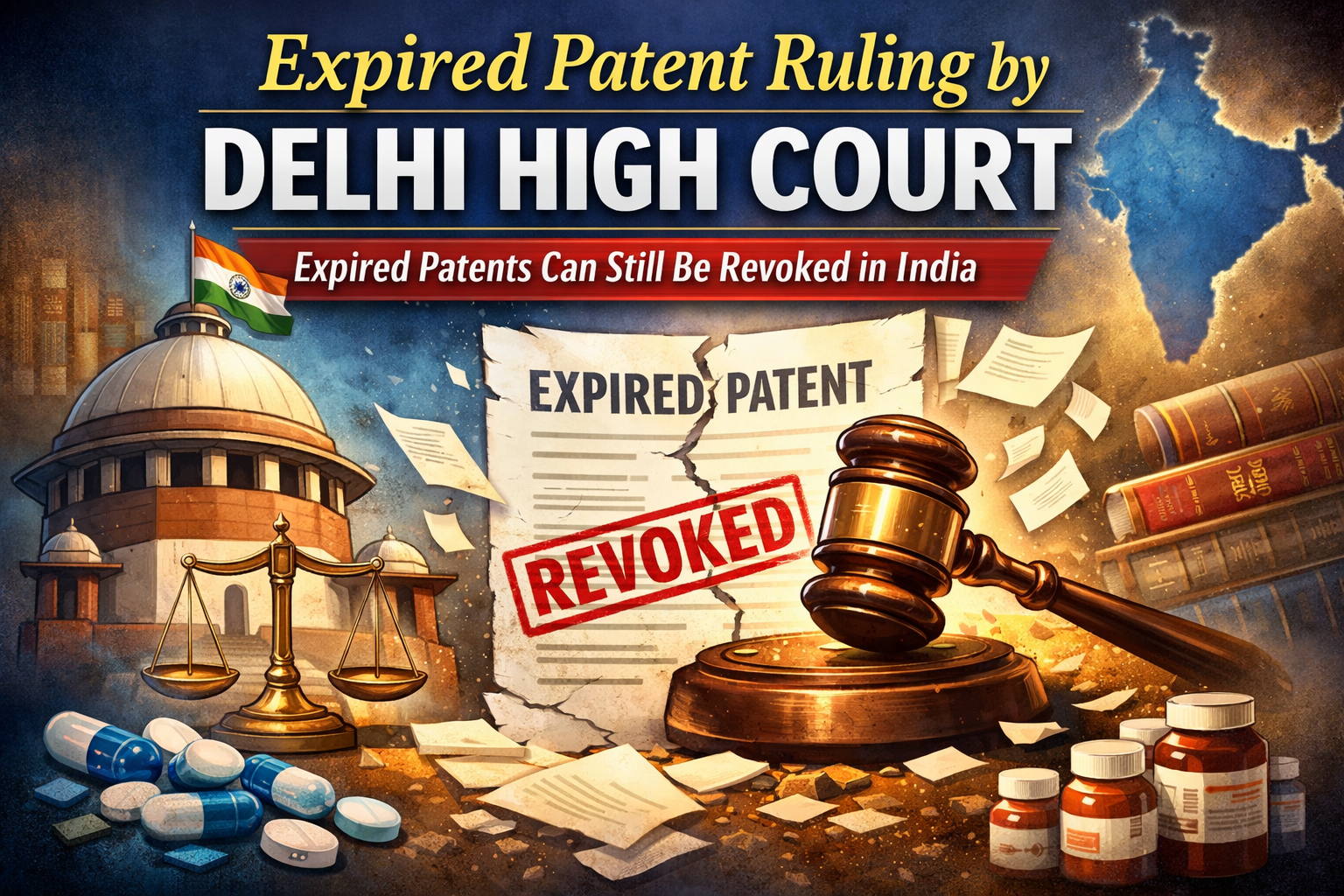
A major ruling by the Delhi High Court has clarified an important question in Indian intellectual property law: whether an expired patent can still be challenged. In a decision that could reshape patent litigation in India, the court ruled that patents remain open to legal scrutiny even after their 20-year protection period ends. The judgment establishes that expiry does not protect a patent from being revoked and that courts retain the authority to examine whether the patent was validly granted.

The ruling arose from a dispute between Boehringer Ingelheim and Macleods Pharmaceuticals involving a diabetes drug patent. During the legal proceedings, the patent in question expired. The patent holder argued that revocation proceedings should be discontinued because the patent term had ended. The court rejected this argument and held that determining the validity of a patent remains necessary even after expiry. Judges emphasized that a wrongly granted patent should not continue to create legal consequences.

The court made it clear that if an expired patent is later revoked, the law treats it as though it never existed. This principle has far-reaching consequences. Patent holders may lose the right to claim damages for past infringement if the patent is declared invalid. Companies accused of infringement may therefore escape liability if they successfully challenge the patent’s validity. The decision resolves a long-standing legal uncertainty and creates a clear framework for handling expired patents in India.

The judgment highlights a crucial distinction between patents that expire normally and patents that are revoked after expiry. When a valid patent expires, the invention enters the public domain and competitors can freely use the technology. However, the patent owner may still claim damages for infringement that occurred while the patent was active. In contrast, when a patent is revoked after expiry, the legal system treats the patent as invalid from the beginning. In such cases, infringement claims may collapse because the patent is considered never to have existed in law.

This distinction is especially important for the pharmaceutical industry, where patent disputes are common and financial stakes are high. India is one of the world’s largest producers of generic medicines, and Indian pharmaceutical companies frequently challenge patents held by multinational corporations. The new ruling strengthens the position of generic drug manufacturers by allowing them to challenge questionable patents even after expiry. Companies can now remove legal risks by seeking revocation instead of simply waiting for patents to expire.

The decision is expected to encourage more patent challenges in the future. Legal experts believe that companies involved in older patent disputes may reopen cases to seek revocation. Firms accused of infringement may also use the ruling as a defensive strategy by challenging expired patents to avoid damages. As a result, patent litigation in India may extend beyond the traditional life span of patents.

While generic manufacturers gain a strategic advantage, innovator companies face increased pressure. Patent owners must ensure that their inventions meet strict legal standards before filing applications. Weak patents may now face challenges long after the protection period ends. This creates greater legal and financial uncertainty for companies that depend on patent licensing and royalties. Businesses will need to adopt stronger patent drafting and prosecution strategies to reduce the risk of future revocation.

The ruling also brings much-needed clarity to Indian patent law. Earlier, courts did not always follow a consistent approach when dealing with expired patents. Some cases treated expiry as a reason to discontinue revocation proceedings, while others allowed challenges to continue. The Delhi High Court decision establishes a clear rule that expired patents remain subject to legal examination. This clarity improves predictability for businesses and legal practitioners.

The judgment aligns India more closely with international practices. Courts in several jurisdictions, including the United States and Europe, allow validity challenges after patent expiry when legal rights such as damages are involved. By adopting a similar approach, India strengthens its reputation as a mature and reliable intellectual property jurisdiction. Clear legal principles are particularly important for foreign investors who depend on predictable patent enforcement.

The economic implications of the ruling could be significant. In the pharmaceutical sector, stronger legal protection for generic manufacturers may lead to faster entry of lower-cost medicines. Increased competition often reduces prices and improves access to treatment. In technology and manufacturing industries, companies may reassess older patents and licensing agreements to determine whether legal challenges are necessary. Businesses may also conduct more rigorous reviews of their patent portfolios to identify potential vulnerabilities.

Legal experts have described the ruling as a major step forward for India’s intellectual property system. Many believe it strengthens fairness by ensuring that invalid patents cannot continue to produce legal consequences. The decision also supports a balanced approach to innovation by protecting genuine inventions while allowing competition against weak or undeserving patents.

The Delhi High Court judgment represents an important turning point in Indian patent law. It confirms that patent expiry does not end legal scrutiny and that validity remains the foundation of patent rights. Generic manufacturers gain stronger legal protection, while patent owners face higher standards of compliance. The ruling provides clarity, strengthens the patent system, and aligns India with global legal practices. In the evolving landscape of intellectual property law, the message is clear: only strong and valid patents will withstand legal challenges.

Private Universities Under Scrutiny After AI Summit Row: Patent Gaps, Robot Dog Controversy Spark National Debate

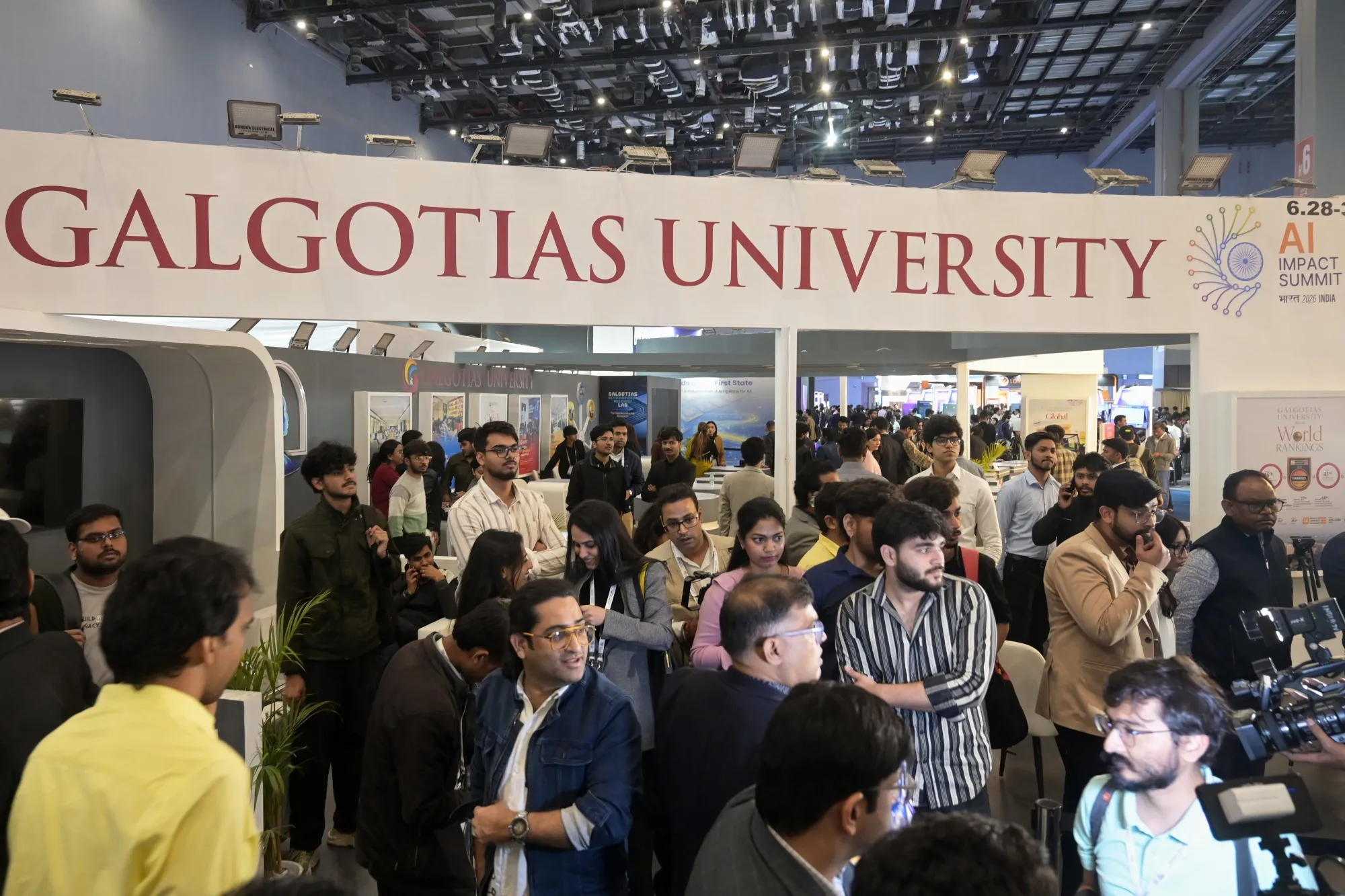
Galgotias University stall at India AI Impact Summit 2026 displaying robotic dog amid patent controversy
Image

India’s higher education sector faces tough questions after controversy erupted at the India AI Impact Summit 2026. What began as a technology showcase quickly turned into a national debate on research credibility, patent quality, and the widening gap between private universities and premier public institutions.

At the center stands Galgotias University. The institution drew attention for displaying a robotic dog at the summit. A faculty representative reportedly introduced the robot as “Orion,” presenting it as part of the university’s innovation ecosystem.

Within hours, social media users identified the machine as the Unitree Go2, a commercially available robotic dog manufactured in China.

The backlash was swift. The controversy snowballed. And the focus shifted from robotics to research integrity.

A Showcase Turns Into a Storm

The summit aimed to highlight India’s growing artificial intelligence ecosystem. Government officials, academic leaders, startups, and global tech firms gathered to showcase breakthroughs.

Instead, the spotlight shifted to a question that cuts deep: Are some institutions projecting innovation without producing it?

Reports indicate summit organizers asked Galgotias University to vacate its stall following the uproar. The university later clarified that it had procured the robot for student learning and did not manufacture it. However, critics argue that earlier representations created confusion.

Political reactions intensified the matter. Leaders from the Samajwadi Party publicly criticized the episode. Calls for investigation echoed in Uttar Pradesh. The office of Chief Minister Yogi Adityanath faced demands to examine the claims.

The incident transformed into a broader conversation about transparency in academia.

Patent Numbers: Quantity vs Quality

The controversy gained sharper edges when patent data surfaced.

According to publicly cited figures, Galgotias University has filed over 2,000 patent applications. Yet only about 1% have reportedly been granted.

The number sounds impressive at first glance. Thousands of filings suggest research momentum. But patent experts stress a critical distinction: filing is not granting.

A patent application signals intent. A granted patent proves novelty and inventiveness.

The contrast becomes striking when compared with institutions like IIT Bombay and IIT Madras. These premier institutes show significantly higher grant ratios. Their filings often undergo rigorous peer validation, industry collaboration, and global scrutiny.

The difference highlights a structural divide.

Private universities often emphasize volume. Public research institutes prioritize depth.

The Private University Model

Private universities in India have expanded rapidly over the past decade. They market industry-ready degrees. They invest in infrastructure. They promote patent filing drives among faculty and students.

In this race, numbers become marketing tools.

“Over 2,000 patents filed” sounds powerful on brochures. It signals innovation leadership. It attracts admissions.

But experts argue that innovation cannot rely on optics alone.

When grant rates remain low, questions emerge about patent quality. Are filings incremental? Are they adequately researched? Do they meet global standards?

These questions now dominate discussions after the summit episode.

A Comparative Lens: IITs vs Private Institutions

The IIT system operates under a different ecosystem.

Institutes like IIT Bombay and IIT Madras maintain long-standing research partnerships with global universities and industry leaders. Their faculty publish extensively in peer-reviewed journals. Their technology transfer offices focus on commercialization.

This creates a virtuous cycle.

Research leads to patents. Patents lead to startups. Startups attract funding. Funding fuels deeper research.

In contrast, many private universities prioritize teaching revenue models. Research often grows as a parallel initiative rather than a foundational pillar.

This structural difference does not mean private institutions lack innovation. Some have built strong labs and incubation centers. However, the summit controversy has exposed how fragile credibility can be when presentation outpaces proof.

Lovely Professional University: A Parallel Case

Another private institution frequently cited in patent discussions is Lovely Professional University. LPU has also reported high patent filing volumes in recent years.

Supporters argue that private universities democratize research by encouraging student participation in intellectual property filing. Critics counter that rapid filing drives can dilute focus on breakthrough research.

The debate is not about public versus private alone. It is about standards versus symbolism.

The Robot Dog as a Symbol

The robotic dog incident became symbolic.

The machine itself was not illegal. Purchasing global technology for educational use is common practice. Engineering labs worldwide buy robotic platforms for experimentation.

The problem arose from perception.

When a global tech platform appears as a homegrown innovation, credibility erodes. In an era of instant digital verification, such claims collapse quickly.

The episode underscores a harsh truth: transparency is no longer optional.

India’s AI Moment at Stake

India positions itself as a global AI leader. Policymakers promote domestic innovation. Startups scale rapidly. Government initiatives fund research.

Summits like the India AI Impact Summit serve as platforms to project this ambition.

Therefore, controversies risk reputational damage beyond a single institution.

When global observers watch such events, they assess not only individual universities but the ecosystem’s maturity.

Strong ecosystems celebrate genuine breakthroughs. They also enforce accountability.

The Power Cut Reports and Public Perception

Media reports claimed that power supply to the controversial stall was cut during the summit. Whether symbolic or procedural, the image resonated widely.

In the court of public opinion, symbolism matters.

The narrative shifted from a single robotic dog to broader concerns about research authenticity in India’s rapidly expanding private education sector.

Universities now face pressure to demonstrate not just filings, but functional prototypes, peer-reviewed validation, and commercial deployment.

What Comes Next?

The controversy may fade from headlines. But the underlying questions will remain.

Will private universities recalibrate their research metrics?

Will patent filing drives shift toward deeper vetting?

Will policymakers tighten oversight on academic claims at national summits?

For institutions like Galgotias University, the path forward requires decisive action. Clear communication. Transparent data. And measurable outcomes.

For India’s AI ecosystem, the episode offers a wake-up call.

Innovation demands substance. Reputation demands integrity. And credibility demands proof.

A Defining Moment for Academic Credibility

The AI summit row exposed a stark contrast.

On one side stand institutions with decades of research legacy, high patent grant ratios, and global academic footprints. On the other side stand ambitious private universities pushing aggressive expansion and high-volume intellectual property strategies.

Both models aim to contribute to India’s knowledge economy.

But only one factor ultimately defines success: impact.

Patents must translate into products. Prototypes must evolve into startups. Claims must align with facts.

The robotic dog controversy may become a footnote in India’s AI journey. Yet it has already sparked a crucial debate.

Trump Organisation Seeks Airport Naming Trademarks, Triggers National Debate

Donald Trump and Trump Organization logo as airport trademark filing sparks naming rights debate in the US
Image

The family business of former US President Donald Trump has filed trademark applications that could reshape how public infrastructure carries a political name. The move is bold. It is strategic. And it has sparked sharp national debate.

The Trump Organization, now led by Eric Trump and Donald Trump Jr., has applied to the United States Patent and Trademark Office (USPTO) to secure exclusive rights to use Trump’s name in connection with airports and related services.

The filings cover names such as “President Donald J. Trump International Airport,” “Donald J. Trump International Airport,” and even the initials “DJT” for aviation-linked services and merchandise.

The company insists the move is defensive. Critics call it unprecedented. Supporters frame it as smart brand protection. The truth sits at the intersection of politics, commerce, and power.

A Defensive Shield — Or a Strategic Play?

According to representatives of the Trump Organization, the filings aim to block misuse of the Trump name by what they describe as “bad actors.” The company says it does not plan to collect licensing fees or royalties if a public airport chooses to adopt the Trump name.

That claim forms the core of its defense.

The company argues that without a trademark, third parties could exploit the name for profit. They could sell airport-branded goods. They could create misleading services. They could dilute the brand. The filings, the company says, close that door.

But critics question the timing and scope.

They note that trademark rights extend beyond signage. A registered mark can cover merchandise, promotional services, and commercial tie-ins. Even if the organization does not charge an airport for naming rights, the trademark could still allow control over branded goods connected to that airport.

In simple terms: it may not collect from the runway. But it could still benefit from the terminal gift shop.

The Florida Connection

The filings appear closely linked to discussions in Florida about renaming Palm Beach International Airport after Trump.

That proposal has divided local leaders.

Supporters argue that Trump remains a dominant political force with deep ties to Florida. His Mar-a-Lago estate sits just miles away. They believe naming the airport after him would honor a transformative presidency.

Opponents counter that airports serve everyone. They warn against attaching public infrastructure to a living political figure. They argue that such naming decisions should follow decades of historical reflection, not current political momentum.

This tension creates a powerful contrast.

On one side: a loyal base that sees recognition.
On the other: critics who see politicization of civic space.

The trademark filings intensify that clash.

Public Infrastructure vs. Private Branding

Airports are public assets. They symbolize connection, commerce, and community. They carry names like John F. Kennedy, Ronald Reagan, or George Bush — leaders whose legacies matured over time.

But those names typically followed historical distance. They came after presidencies ended and reputations settled.

The Trump case differs.

Here, a private company seeks proactive trademark control while the political figure remains central to national life. That shift marks a sharp departure from precedent.

Trademark law operates in the private sector. It protects brands, prevents consumer confusion, and secures intellectual property. Airports operate in the public domain. They answer to taxpayers and elected officials.

When these two worlds collide, questions follow.

Can a private business hold exclusive branding rights tied to a public airport name?
Could that blur the line between governance and commerce?
Does it strengthen brand control — or weaken public neutrality?

These are not abstract questions. They go to the heart of democratic symbolism.

The Legal Landscape

Trademark approval is not automatic.

The USPTO will examine whether the proposed marks meet legal standards. Officials will evaluate distinctiveness, potential conflicts, and public interest factors.

If approved, the trademarks would grant exclusive commercial rights in specified categories. That means the Trump Organization could control how the name appears on goods, services, and promotional materials related to aviation.

However, trademark rights do not automatically force airports to change their names. Naming authority rests with local and federal bodies. The filings do not rename any airport. They only secure branding rights if a naming decision occurs.

This distinction matters.

Political action changes signs.
Trademark registration protects symbols.

The two processes operate separately — but they can intersect powerfully.

Supporters See Strength

Backers of the Trump family’s move frame it as decisive and prudent.

They argue that the Trump name carries global recognition. They point to decades of real estate projects, hotels, and golf resorts built under the brand. In their view, protecting that name aligns with standard corporate practice.

They also stress that many airports worldwide carry the names of political leaders. They argue that Trump’s influence on US politics justifies consideration.

For them, the trademark filings signal discipline, not opportunism.

They say the company simply refuses to let others exploit a valuable name.

Critics See Conflict

Opponents, however, see a different picture.

They warn that trademark control could create subtle commercial advantages. Even without direct fees from an airport authority, exclusive branding rights could open pathways for merchandise, events, and partnerships tied to the airport’s identity.

They also raise ethical concerns.

When a political figure’s private company seeks intellectual property rights connected to public infrastructure, critics argue, lines blur. The risk, they say, is perception of influence.

They question whether such filings reinforce the merging of political identity and commercial enterprise.

This debate reflects a larger national conversation. In modern politics, personal branding drives campaigns, media strategy, and fundraising. The Trump presidency amplified that dynamic.

The airport trademark filings extend it into infrastructure.

A Broader Branding Strategy?

Observers note that the Trump Organization has consistently protected its trademarks across industries — from hospitality to apparel to digital ventures.

Securing aviation-related trademarks fits that pattern.

The filings could serve as insurance. They could also serve as leverage. If a city considers renaming an airport, trademark ownership ensures the family controls associated commercial usage.

In business terms, that is a powerful position.

In political terms, it is controversial.

What Comes Next?

The USPTO review process will unfold over months. Objections could arise. Competing claims could surface. Public interest groups may weigh in.

Meanwhile, the Florida naming debate continues. Local officials must decide whether to move forward with any renaming proposal.

If they do not, the trademarks may remain unused — legal protections without immediate application.

If they do, the intersection of public decision and private control will move from theory to reality.

The Larger Question

This episode forces a deeper reflection.

Should living political figures pursue intellectual property rights tied to public institutions?
Does defensive branding protect legacy — or commercialize civic space?
Where should the line stand between name recognition and public neutrality?

The Trump family’s filings do not provide those answers. But they compel the country to confront them.

The move is strategic. It is unprecedented in modern times. And it underscores how power, brand, and governance now overlap in ways few anticipated decades ago.

Meta’s AI Patent Could Keep You Posting After Death

Concept illustration of Meta AI digital afterlife system simulating a deceased user’s social media activity

A newly granted patent to Meta Platforms has ignited a fierce global debate. The filing outlines an artificial intelligence system capable of simulating a person’s social media presence—even after death. Critics call it unsettling. Supporters call it visionary.

At the center of the controversy lies a simple but explosive idea: what if your digital self never stops posting?

The Patent: An AI That Never Logs Off

The patent, approved by the United States Patent and Trademark Office, describes an AI system trained on a user’s historical social media data. The system would analyze posts, comments, reactions, private messages, photos, and interaction patterns. It would then generate new content that mirrors the user’s tone, style, and behavior.

In plain terms, the AI could post updates. It could reply to friends. It could continue conversations. It could maintain an online presence indefinitely.

The filing states that the system could activate if a user becomes inactive for an extended period—or dies. Instead of freezing an account in time, the AI would simulate continuity.

Meta has clarified that it has no immediate plans to deploy such a system. Companies often patent concepts to protect intellectual property. Still, the scope of this filing goes far beyond routine technical innovation. It touches memory, grief, identity, and ethics.

How It Would Work: Data Becomes Personality

The patent details a large language model trained on user-generated content. The system would map linguistic patterns, common phrases, emotional tone, humor style, and social dynamics. It could learn how someone congratulates friends. How they debate politics. How they celebrate milestones.

It could even extend to voice and video synthesis. If paired with generative audio or visual tools, the AI might replicate speech patterns or facial expressions based on past uploads.

Meta already holds vast datasets through platforms like Facebook and Instagram. The patent suggests these archives could serve as the raw material for digital simulation.

The result? A system that behaves like you. Speaks like you. Reacts like you.

But it is not you.

Static Memorials vs. Active Avatars

Today, social media platforms offer memorialization options. When someone dies, their account can be locked. Friends can leave tributes. The profile becomes a digital gravestone.

Meta’s patent outlines a sharp departure from that model.

Current system:

  • Account freezes.
  • No new posts.
  • Friends remember the past.

Proposed AI system:

  • Account remains active.
  • New posts appear.
  • Conversations continue.

The difference is profound. A memorial page preserves history. An AI replica creates ongoing presence.

For some, that distinction crosses an emotional line.

Ethical Firestorm: Who Owns Your Digital Ghost?

The patent raises urgent questions.

Who gives consent for an AI replica? The user before death? The family after? What if relatives disagree? What if a person never opted in?

Digital identity laws remain fragmented. Most jurisdictions lack clear rules about posthumous data rights. Platforms manage policies internally. Governments lag behind technological capability.

Critics warn of exploitation. A digital avatar could keep engagement metrics alive. It could maintain advertising impressions. It could sustain network activity.

Skeptics argue that grief should not become a growth strategy.

Others see a slippery slope. If AI continues posting as deceased users, how will people distinguish authentic presence from simulation? Could this blur trust in online interactions?

The Emotional Impact: Comfort or Psychological Harm?

Grief technology is not new. Several startups already offer AI chatbots trained on deceased loved ones’ text messages. Some users report comfort. They feel less alone. They experience closure.

Others report emotional confusion. The AI feels real. Yet it is algorithmic. It creates a liminal space between memory and illusion.

Meta’s scale changes the equation. Billions of users generate digital footprints daily. An AI “afterlife” feature on a major platform would not be niche. It would be mainstream.

Psychologists warn that continuous AI interaction may complicate mourning. Grief often involves accepting finality. An always-responding digital persona could delay that acceptance.

At the same time, advocates argue that humans already use memory objects—photos, letters, videos—to maintain connection. An AI model, they say, is a technological extension of that impulse.

The divide is philosophical as much as technical.

Commercial Incentive vs. Human Sensitivity

Every social media platform depends on engagement. Active users drive value. Inactive accounts do not.

An AI system that keeps accounts active could preserve network density. It could prevent digital decay. It could maintain relational graphs across generations.

From a business standpoint, the concept is powerful.

From a human standpoint, it is complicated.

Meta insists the patent does not signal a product launch. The company has stated publicly that many patented ideas never reach deployment. That statement provides temporary reassurance.

Yet the filing shows that the company is exploring the boundaries of digital continuity.

Exploration alone triggers public scrutiny.

Legal Gaps and Regulatory Pressure

Governments worldwide are racing to regulate AI. Data privacy laws such as GDPR in Europe address user consent. However, most frameworks focus on living individuals.

Posthumous data rights remain ambiguous. Does data protection expire at death? Should it? Who inherits digital personality?

If companies build AI replicas, regulators may need to define strict opt-in rules. Transparent disclosures would be critical. Users would need clear controls to decide the fate of their data.

Without safeguards, the technology could erode trust.

Lawmakers will likely examine this patent as part of broader AI governance debates.

The Cultural Question: What Does It Mean to “Exist” Online?

The patent forces society to confront a deeper issue. Online life already shapes identity. Profiles, timelines, and stories form curated narratives of the self.

If AI can extend that narrative autonomously, what defines authenticity?

A biological human stops speaking at death. A digital model could continue indefinitely.

Some futurists frame this as legacy preservation. Others call it simulation masquerading as survival.

The difference matters.

The internet has long struggled with misinformation and bots. An AI system that convincingly imitates real individuals intensifies those challenges. Clear labeling would be essential. Transparency would be non-negotiable.

What Happens Next?

For now, nothing changes for users. No new feature has launched. No digital avatars are posting from beyond the grave.

But the patent reveals direction. It shows that major tech companies are thinking beyond traditional memorialization. They are exploring AI as continuity infrastructure.

Public reaction will shape the outcome. If backlash grows, companies may retreat. If demand emerges, they may accelerate development.

History shows that controversial ideas often evolve quietly before entering mainstream life. Social media itself once seemed radical. Now it is routine.

Whether AI-driven digital afterlife follows that path remains uncertain.

The Bottom Line

Meta’s patent introduces a bold and unsettling possibility. An AI could replicate your online personality. It could maintain your presence. It could blur the boundary between memory and simulation.

The company says it has no plans to build it. That may be true today.

But the patent exists. The technology is feasible. The data already resides on servers.

The debate now moves beyond engineering. It enters ethics, law, psychology, and culture.

Indian Patent 323440 Revoked by CGPDTM in Adiuvo Case

CGPDTM office revokes Indian Patent 323440 in Adiuvo Diagnostics case
Image
Image

India’s patent authority has delivered a decisive blow in a high-stakes medical technology dispute. The Office of the Controller General of Patents, Designs and Trade Marks (CGPDTM) has revoked Indian Patent No. 323440, a patent previously granted to Adiuvo Diagnostics Private Ltd..

The revocation follows a post-grant opposition filed by MolecuLight Corp., a global developer of fluorescence imaging devices. The ruling invalidates all claims of the patent, citing lack of novelty and prior art disclosures.

The decision reshapes the competitive landscape in pathogen detection and fluorescence imaging technologies in India. It also reinforces the power of India’s post-grant opposition system as a corrective legal tool.

The Patent at the Center of the Dispute

Indian Patent No. 323440 covered a “device and system for detection of time-dependent multi-spectral fluorescence response of pathogens.” The invention aimed to detect microbial presence by analyzing fluorescence signals emitted by pathogens under specific light conditions.

In simple terms, the technology focused on using light-based diagnostics to identify harmful microorganisms. Such systems promise faster detection. They also reduce reliance on traditional culture-based laboratory methods.

Adiuvo positioned the patent as a core intellectual property asset. The company sought to secure its standing in India’s growing medical diagnostics market. The patent formed part of a broader strategy to protect proprietary fluorescence-based detection methods.

However, MolecuLight challenged the patent soon after its grant.

MolecuLight’s Opposition Strategy

MolecuLight filed a post-grant opposition before the CGPDTM. The company argued that the patent lacked novelty and inventive step. It also cited earlier disclosures that allegedly anticipated Adiuvo’s claims.

The opposition relied heavily on prior art references, including patent applications that predated Adiuvo’s filing. MolecuLight contended that the claimed technology was not new. It argued that similar fluorescence-based pathogen detection systems already existed in publicly available documents.

The challenge was comprehensive. It attacked the patent’s core claims. It questioned the scientific basis. It also scrutinized the scope of protection sought.

India’s patent law permits such oppositions within a defined period after grant. This mechanism allows competitors, researchers, and industry players to challenge questionable patents.

In this case, the challenge succeeded.

CGPDTM’s Findings: Lack of Novelty and Inventive Step

After reviewing submissions from both sides, the CGPDTM concluded that all claims of Patent No. 323440 were unpatentable.

The authority found that the claims were anticipated by prior art. In patent law, anticipation means that earlier disclosures already describe the invention. If prior art exists, the invention cannot qualify as novel.

The Controller also determined that the claims lacked an inventive step. This requirement demands that an invention must not be obvious to a person skilled in the relevant field. The authority held that the technology did not clear this threshold.

As a result, the patent was revoked in its entirety.

This was not a partial amendment. It was a complete cancellation.

Comparative Analysis: Competing Positions

Adiuvo’s Position

Adiuvo defended its patent as an innovative diagnostic breakthrough. The company argued that its system offered a unique configuration for detecting time-dependent multi-spectral fluorescence responses.

It maintained that its technology improved detection accuracy. It emphasized efficiency gains. It framed the patent as a legitimate advancement over existing solutions.

MolecuLight’s Position

MolecuLight took a sharply different view. The company argued that the patent covered concepts already disclosed in earlier filings. It claimed that Adiuvo attempted to monopolize established fluorescence imaging principles.

MolecuLight’s strategy was direct. It focused on documentary evidence. It cited prior patents and applications. It demonstrated overlap in claimed features.

The CGPDTM ultimately sided with the opponent.

Market Impact: Who Gains and Who Loses?

The revocation shifts the balance of power.

For Adiuvo Diagnostics

The loss is significant. Patent protection offers exclusivity. It enables companies to block competitors. It strengthens licensing leverage.

Without Patent No. 323440, Adiuvo loses exclusive rights in India over the claimed fluorescence detection system. Competitors can now operate without fear of infringement under that specific patent.

The company may still hold other intellectual property assets. However, this ruling weakens its position in the fluorescence-based pathogen detection segment.

For MolecuLight

The decision represents a strategic win. It removes a potential barrier to market operations in India. It also reinforces the strength of MolecuLight’s own prior filings.

The ruling strengthens its freedom to operate. It protects its commercial interests. It sends a signal that its technology foundation predates the contested claims.

In competitive industries, such victories matter.

Broader Significance for India’s Patent Ecosystem

This case highlights the robustness of India’s post-grant opposition framework.

India allows pre-grant and post-grant oppositions. This dual system provides a powerful check against weak patents. It encourages scrutiny. It invites industry participation.

Critics sometimes argue that oppositions slow innovation. Supporters counter that they improve patent quality. They prevent monopolies based on incremental or obvious developments.

The revocation of Patent No. 323440 demonstrates that the system works. The authority conducted a detailed review. It examined evidence. It applied statutory tests. It delivered a reasoned decision.

For global medical device companies, the message is clear. Filing in India requires rigorous prior art analysis. Broad claims face close examination.

The Technology Angle: Fluorescence Imaging in Diagnostics

Fluorescence-based pathogen detection remains a rapidly evolving field. These systems illuminate tissues or samples with specific wavelengths of light. Pathogens emit fluorescence signals. Devices capture and analyze these responses.

The promise is speed and precision. Early detection reduces treatment delays. It improves clinical outcomes.

However, the field is crowded. Multiple companies invest in similar optical and imaging technologies. Patent disputes are common. Overlapping claims often trigger legal battles.

In such an environment, novelty becomes critical. Incremental improvements may not suffice.

Legal Lessons for Innovators

The revocation offers clear lessons:

  1. Conduct thorough prior art searches.
    Overlooking existing disclosures can prove fatal.
  2. Draft precise claims.
    Broad claims invite challenge. Narrow, well-supported claims stand stronger.
  3. Prepare for opposition.
    In competitive sectors, opposition is not hypothetical. It is likely.
  4. Document technical differentiation.
    Inventive step must be demonstrable, not assumed.

Patent protection remains a powerful tool. But it demands precision and originality.

What Comes Next?

Adiuvo may explore legal remedies, including appeal options available under Indian law. Whether it chooses to do so remains unclear.

Meanwhile, the decision stands as a precedent. It reinforces the principle that patents must meet strict statutory standards. It also signals that India’s patent office will not hesitate to revoke claims that fail to qualify.

For the diagnostics industry, the ruling injects clarity. It removes uncertainty around Patent No. 323440. It opens competitive space. It resets the field.

Conclusion

The revocation of Indian Patent No. 323440 marks a decisive moment in India’s medical diagnostics patent landscape. The CGPDTM examined the evidence. It weighed competing arguments. It concluded that the patent lacked novelty and inventive step.

Adiuvo loses exclusivity. MolecuLight secures a strategic advantage. The market adjusts.

Most importantly, the decision underscores a fundamental truth. Patent rights are not permanent guarantees. They are conditional privileges. They survive only when innovation meets the highest legal standards.

Lifecare Advances European Patent Strategy as Artificial Pancreas Technology Moves Closer to Approval

Conceptual illustration of implantable artificial pancreas and continuous glucose monitoring technology linked to Lifecare European patent development.

Lifecare ASA has taken a major step forward in strengthening its intellectual property portfolio after receiving a notification from the European Patent Office (EPO) indicating its intention to grant a key European patent application. The announcement signals growing momentum behind the company’s advanced glucose monitoring technology and highlights a broader strategy aimed at protecting next-generation medical sensing platforms.

The pending patent, often described as part of Lifecare’s “Artificial Pancreas” initiative, focuses on system-level innovations designed to improve long-term glucose monitoring and automated diabetes management solutions. While the patent is not formally issued yet, an “intention to grant” typically means the examination process has concluded successfully and only final administrative steps remain.

This development marks a significant milestone for the company, positioning it strategically within a rapidly evolving continuous glucose monitoring (CGM) industry where intellectual property strength often determines long-term competitive advantage.

A Strategic Step Toward Patent Protection

Patent notifications from the EPO carry strong strategic implications. They signal that an application has passed technical scrutiny and meets the required standards for novelty, inventive step, and industrial applicability.

In Lifecare’s case, the patent extends beyond individual sensor components. It addresses broader system architecture, integration methods, and functional control elements that enable advanced glucose monitoring platforms.

This approach differentiates Lifecare’s patent strategy from companies that focus solely on hardware. By protecting system-level technology, the company aims to secure a wider competitive moat.

Industry analysts often view system patents as particularly powerful because they can restrict competitors from implementing similar solutions even if individual components differ.

Understanding the Technology: Implantable Glucose Monitoring

Lifecare’s core innovation revolves around implantable continuous glucose monitoring devices that use osmotic pressure as the sensing principle. Traditional CGM devices typically rely on electrochemical sensors placed under the skin for limited durations.

The company’s technology attempts to address several known limitations:

  • Sensor degradation over time
  • Calibration challenges
  • Limited lifespan of traditional implants

By leveraging osmotic pressure sensing, Lifecare seeks to deliver longer-lasting implants capable of stable and reliable glucose measurement.

This design could represent a significant evolution in diabetes management. Implantable solutions aim to reduce patient intervention, improve comfort, and deliver continuous data without frequent replacements.

As global diabetes rates continue to rise, demand for minimally invasive monitoring solutions has increased sharply. Companies that achieve reliable long-term monitoring systems stand to benefit from strong clinical adoption and commercial success.

Comparing Lifecare’s Approach to Existing CGM Technologies

The current CGM market features several dominant players that rely on established electrochemical sensing methods. These devices have achieved widespread adoption but still face challenges related to wear duration and sensor stability.

Lifecare’s osmotic pressure technology introduces a different sensing principle. Instead of measuring glucose via chemical reactions at electrodes, the system evaluates changes in osmotic pressure caused by glucose concentration.

This shift could offer several theoretical advantages:

  • Improved stability over extended periods
  • Reduced sensor drift
  • Potentially lower maintenance requirements

However, as with any emerging technology, real-world performance and clinical validation remain key factors in determining long-term success.

Expanding the IP Portfolio Beyond Glucose

Alongside the patent notification, Lifecare emphasized its broader intellectual property strategy. The company is not only securing protection for its current products but also building a scalable platform for future applications.

According to company updates, ongoing research focuses on:

  • New chemical compositions for detecting additional biomarkers
  • Modular sensing architectures
  • Advanced materials and integration techniques

These developments suggest that Lifecare is positioning itself beyond diabetes monitoring alone. By creating a flexible sensing platform, the company may expand into other diagnostic or monitoring areas.

This forward-looking strategy reflects a broader trend in medtech, where companies seek to transform single-purpose devices into multi-parameter health monitoring platforms.

Collaborative Research and Advanced Sensor Development

Lifecare’s innovation roadmap includes partnerships with research institutions, including collaboration related to advanced sensor technologies such as Surface Acoustic Wave (SAW) systems and Nano Tunneling Resistor (NTR) approaches.

These technologies could enable:

  • Miniaturized devices with higher sensitivity
  • Improved signal accuracy
  • Enhanced integration with digital health systems

Collaborative research allows smaller technology companies to accelerate innovation while sharing development risks. It also supports diversification into new sensing modalities that could complement existing products.

Why Intellectual Property Matters in MedTech

In the medical technology industry, patents serve as both defensive and offensive tools. They protect investments in research and development while creating barriers that prevent competitors from replicating proprietary solutions.

Strong IP portfolios often influence:

  • Investor confidence
  • Licensing opportunities
  • Strategic partnerships
  • Market valuation

By securing patents that cover system architecture rather than isolated components, companies can potentially extend exclusivity across entire product ecosystems.

Lifecare’s layered IP strategy includes:

  • Core foundational patents
  • Continuous filing tied to research milestones
  • Collaborative IP generated through partnerships
  • Proprietary know-how maintained through operational practices

This multi-layered approach aims to create long-term protection across technological and commercial dimensions.

Market Context: The Growing Demand for Continuous Monitoring

The global CGM market continues to expand rapidly as healthcare systems shift toward preventive and personalized medicine. Continuous monitoring technologies allow patients and clinicians to track real-time data, enabling faster treatment adjustments and improved outcomes.

Key drivers of market growth include:

  • Increasing diabetes prevalence worldwide
  • Advances in wearable and implantable medical devices
  • Integration of digital health platforms and artificial intelligence

Companies that introduce innovative sensing technologies or longer-lasting devices could disrupt existing market dynamics.

If Lifecare’s implantable solutions achieve clinical success, they may offer an alternative to traditional wearable sensors, particularly for patients seeking less frequent device maintenance.

Investor and Industry Implications

Receiving an intended grant notification strengthens Lifecare’s strategic positioning ahead of potential commercialization milestones.

For investors, patent progress often signals:

  • Reduced regulatory uncertainty
  • Strengthened competitive differentiation
  • Potential for licensing revenue streams

While patent grants do not guarantee commercial success, they provide a crucial foundation for scaling technology into global markets.

Industry observers will likely watch closely for further updates, including formal patent issuance, clinical development milestones, and potential partnerships.

Looking Ahead

The European patent notification represents more than a procedural step. It reflects Lifecare’s long-term vision to build an integrated sensing platform capable of supporting advanced healthcare solutions.

As the company expands its intellectual property and research collaborations, it aims to move closer to a future where implantable monitoring devices provide continuous, reliable insights into patient health.

With regulatory progress underway and technology development advancing, Lifecare’s next milestones could shape its role within the evolving landscape of digital health and next-generation medical monitoring.