Longeveron Secures China Patent for Stem Cell Potency Assay

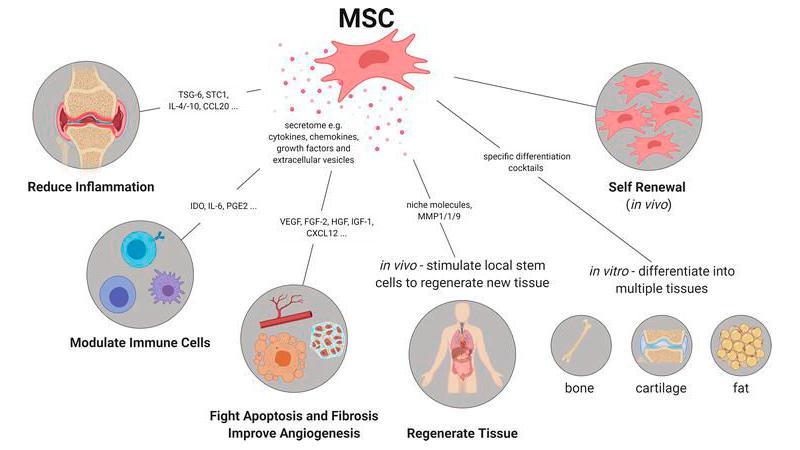
Scientist analyzing mesenchymal stem cells in a laboratory as Longeveron secures China patent for potency assay technology

Breakthrough reinforces biotech firm’s leadership in regenerative medicine

Image
Image
Image

Longeveron Inc. has secured a major intellectual property milestone in China, reinforcing its global strategy in regenerative medicine. The clinical-stage biotechnology company announced that China’s patent authority has granted it protection covering advanced methods for evaluating stem cell potency—an essential component in the development of safe and effective cell therapies.

This latest patent strengthens the company’s expanding international portfolio and positions it competitively in one of the world’s fastest-growing biotechnology markets.

Patent Covers Critical Stem Cell Testing Technology

The newly granted patent protects potency assay methods used to assess human mesenchymal stem cells (MSCs)—a cornerstone of modern regenerative therapies.

These assays determine whether stem cells possess the biological activity required to deliver therapeutic benefits. Without such validation, regulatory approval for cell-based therapies becomes significantly more difficult.

The patent applies to MSCs derived from multiple biological sources, including:

  • Bone marrow
  • Adipose (fat) tissue
  • Peripheral blood
  • Umbilical cord and placenta
  • Amniotic membrane and fluid
  • Induced pluripotent stem cells (iPSCs)

This broad scope enhances the patent’s commercial and clinical value, as it covers a wide range of cell sources commonly used in regenerative medicine.

Protection Valid Through 2041

The Chinese patent—titled “Potency Assay”—provides Longeveron with exclusive rights in the country through 2041, subject to standard maintenance requirements.

This long-term protection offers a strategic advantage in China’s rapidly evolving biotech ecosystem, where demand for advanced therapies is accelerating due to aging populations and increasing chronic disease burden.

By securing rights in China, Longeveron not only protects its innovations but also creates opportunities for:

  • Licensing agreements
  • Strategic partnerships
  • Future commercialization pathways

Strategic Expansion of Global Patent Portfolio

The China patent adds to Longeveron’s growing global intellectual property portfolio, which now includes more than 50 issued patents worldwide.

Company leadership emphasized the importance of IP strength in scaling regenerative medicine technologies. The expanding patent base represents a critical strategic asset that supports the company’s long-term mission of delivering innovative therapies to patients.

This move also aligns with Longeveron’s broader trend of securing patents across key international markets, reflecting a coordinated global IP expansion strategy.

Why Potency Assays Matter in Regenerative Medicine

Image
Image
Image
Image
Image

Potency assays are not just a technical requirement—they are a regulatory necessity.

In cell therapy development, these assays:

  • Verify biological activity of living cells
  • Ensure consistency between manufacturing batches
  • Predict therapeutic effectiveness
  • Support regulatory approvals

Without reliable potency testing, even promising therapies can fail to reach commercialization.

Longeveron’s patented methods aim to standardize and improve this critical step, potentially accelerating the approval timeline for its therapies.

Flagship Therapy Laromestrocel Gains Momentum

The patent directly supports Longeveron’s lead investigational product, laromestrocel (Lomecel-B™)—a mesenchymal stem cell therapy derived from healthy adult donors.

This therapy is currently under investigation for multiple high-impact conditions, including:

  • Hypoplastic Left Heart Syndrome (HLHS)
  • Alzheimer’s disease
  • Aging-related frailty
  • Pediatric dilated cardiomyopathy

Clinical progress has been notable. The therapy has already received several key regulatory designations in the United States, highlighting both the urgency of the targeted conditions and the therapy’s potential.

Phase 2b Trial Could Be Pivotal

Longeveron is currently conducting a Phase 2b clinical trial evaluating laromestrocel for HLHS—a rare and life-threatening pediatric heart condition.

The company expects trial results in Q3 2026, which could mark a turning point.

If successful, the data may support a regulatory filing with U.S. authorities, potentially bringing the therapy closer to commercialization.

This makes the newly granted patent even more critical, as it strengthens the regulatory and commercial foundation ahead of potential approval.

China Patent Signals Market Intent

China represents a massive opportunity for regenerative medicine companies. With:

  • A rapidly aging population
  • Rising healthcare spending
  • Strong government support for biotech innovation

the country has become a strategic priority for global life sciences firms.

By securing patent protection in China, Longeveron signals clear intent to participate in this high-growth market. The move also helps safeguard the company against potential IP risks in a competitive landscape where innovation cycles are accelerating.

Competitive Positioning in a High-Stakes Sector

The global regenerative medicine market is intensifying, with biotech firms racing to develop scalable, effective therapies for chronic and rare diseases.

Longeveron’s approach—combining:

  • A strong clinical pipeline
  • A robust patent portfolio
  • Strategic geographic expansion

positions it as a serious contender in the space.

Its focus on mesenchymal stem cells, known for their regenerative and anti-inflammatory properties, further enhances its differentiation.

Outlook: Strong IP Backbone Supports Future Growth

Longeveron’s China patent marks more than a legal win—it reflects a strategic consolidation of scientific innovation and commercial foresight.

With key clinical milestones approaching and a growing IP portfolio, the company is steadily building the infrastructure needed to transition from a clinical-stage biotech to a commercial-stage player.

If upcoming trial results align with expectations, Longeveron could emerge as a significant force in regenerative medicine—backed by a patent portfolio designed to protect and scale its innovations globally.

Silo Pharma Wins European Patent for Preventive Stress Therapy, Redefining Mental Health Treatment

Silo Pharma stress prevention therapy targeting serotonin 5-HT4 receptor pathway
Image
Image
Image
Image

In a decisive move that could reshape the future of psychiatric care, Silo Pharma has secured a major intellectual property milestone in Europe. The company has received a Notice of Intention to Grant from the European Patent Office for its novel stress prevention therapy.

This is not just another patent. It signals a bold shift in how the world may approach mental health—from reactive treatment to proactive prevention.

A Radical Shift: Prevention Over Cure

For decades, mental health treatments have followed a predictable path. Patients develop symptoms. Doctors respond with therapy or medication. Relief often comes late.

Silo Pharma challenges that model.

Its patented innovation targets stress before it causes damage. The therapy uses serotonin 4 (5-HT4) receptor agonists to regulate how the brain responds to stress triggers. Instead of calming the aftermath, it builds resilience at the source.

Traditional vs Preventive Psychiatry

Traditional ApproachSilo Pharma’s Approach
Treats anxiety after onsetStops stress response early
Focus on symptom controlFocus on brain resilience
Delayed interventionEarly preventive action
Short-term reliefLong-term protection

This contrast is not subtle. It represents a paradigm shift.

How the Technology Works

The science behind the patent is both precise and promising.

The therapy activates the 5-HT4 receptor pathway, a critical component in mood regulation and cognitive function. By stimulating this pathway, the treatment aims to:

  • Reduce fear-based responses
  • Limit stress-induced behavioral changes
  • Prevent long-term psychiatric damage

Preclinical studies suggest that early intervention can block the cascade of stress hormones that often lead to anxiety disorders, depression, and PTSD.

This approach could prove especially powerful in high-risk populations, such as:

  • Military personnel
  • Trauma survivors
  • High-stress professionals

European Patent: A Strategic Power Move

Securing protection through the European Patent Office is not easy. The process is rigorous. The standards are high.

That is why this approval matters.

Once formally granted, the patent will provide broad protection across multiple European markets. Silo Pharma can also pursue:

  • Unitary Patent coverage
  • National validations in key countries

This strengthens the company’s position in one of the world’s most competitive pharmaceutical regions.

It also creates a defensive moat, preventing competitors from replicating the same preventive mechanism.

Academic Strength Behind the Innovation

Silo Pharma did not build this technology alone.

The company licensed the core research from Columbia University, one of the world’s leading academic institutions. This collaboration brings scientific depth and credibility.

Academic partnerships often serve as the backbone of breakthrough biotech innovation. In this case, they have enabled Silo Pharma to move faster and with greater confidence.

Pipeline Synergy: More Than One Drug

This patent does not stand in isolation. It strengthens Silo Pharma’s broader pipeline.

The company is actively developing treatments for:

  • Post-traumatic stress disorder (PTSD)
  • Chronic pain and fibromyalgia
  • Neurodegenerative conditions like Alzheimer’s disease

One key candidate is SPC-15, a therapy designed specifically for PTSD. The newly patented stress-prevention mechanism could complement or enhance such programs.

This creates pipeline synergy—a critical advantage in biotech.

Market Opportunity: A Growing Global Crisis

Mental health disorders are rising worldwide. Stress-related conditions now affect hundreds of millions of people.

Yet, most treatments still focus on damage control.

Silo Pharma’s approach taps into an underserved and rapidly expanding market:
👉 Preventive mental healthcare

If successful, the company could:

  • Enter early-stage intervention markets
  • Reduce healthcare costs long-term
  • Improve patient outcomes dramatically

Governments and healthcare systems are increasingly prioritizing prevention. This aligns perfectly with Silo Pharma’s strategy.

Financial Reality: Innovation vs Constraints

Despite its scientific progress, Silo Pharma faces financial pressure.

The company remains a small-cap biotech player, with limited resources compared to industry giants. Its stock has experienced volatility, reflecting broader challenges in the biotech sector.

Strengths vs Challenges

StrengthsChallenges
Strong IP portfolioLimited revenue streams
Innovative scienceHigh R&D costs
Academic backingMarket volatility
Preventive focusLong clinical timelines

This dual reality is common in biotech. Breakthrough ideas often emerge from companies that operate under tight constraints.

Competitive Landscape: Standing Out in a Crowded Field

The mental health space is crowded. Large pharmaceutical companies dominate with established drugs.

But most competitors focus on:

  • Antidepressants
  • Anti-anxiety medications
  • Symptom management

Few target prevention at the molecular level.

This gives Silo Pharma a clear differentiation edge.

If clinical trials confirm efficacy, the company could:

  • Attract strategic partnerships
  • Secure licensing deals
  • Become an acquisition target

Expert Outlook: A High-Risk, High-Reward Bet

Industry experts view preventive psychiatry as the next frontier. However, they also caution that:

  • Clinical validation remains critical
  • Regulatory approvals can take years
  • Market adoption may be gradual

Still, the upside is enormous.

A successful preventive therapy could transform global mental healthcare.

What Comes Next

With the patent nearing formal grant, Silo Pharma’s next steps are clear:

  1. Finalize European patent protection
  2. Advance clinical trials
  3. Explore partnerships and funding opportunities
  4. Expand global IP coverage

Execution will now determine whether the company can convert scientific promise into commercial success.

Conclusion: A Turning Point for Mental Health Innovation

Silo Pharma’s European patent approval is more than a regulatory milestone. It is a signal of change.

The world is moving toward prevention. Healthcare systems demand it. Patients need it.

By targeting stress before it becomes disease, Silo Pharma is stepping into a space that few have successfully explored.

The road ahead is challenging. The risks are real. But so is the potential.

If the science holds, this innovation could redefine how humanity manages stress—and mental health itself.

Bausch Health Settles High-Stakes IBS Drug Litigation with MSN Laboratories

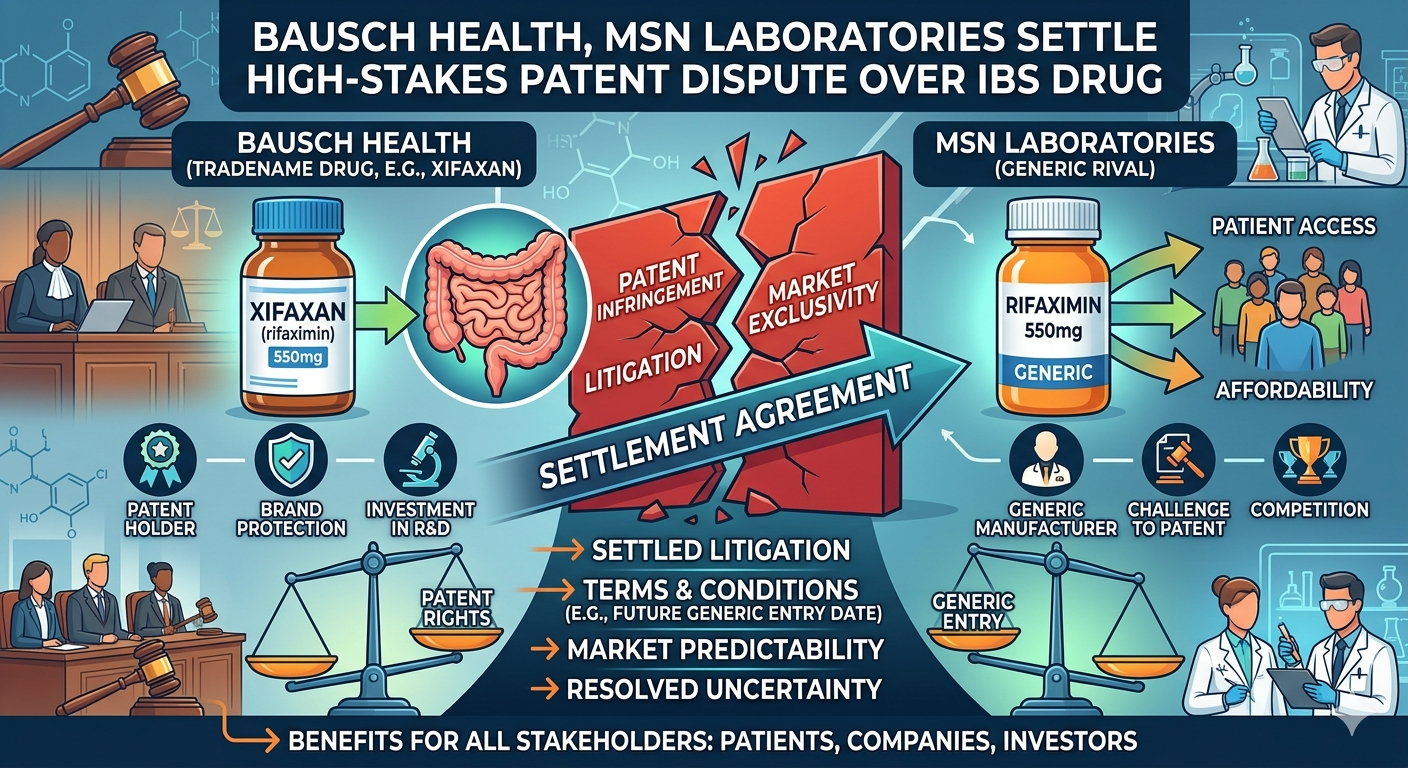
Bausch Health and MSN Laboratories settle Xifaxan IBS drug patent dispute

In a decisive move that ends a closely watched pharmaceutical patent dispute, Bausch Health Companies Inc. and MSN Laboratories Pvt. Ltd. have reached a settlement over a key irritable bowel syndrome (IBS) drug, bringing clarity to a contentious legal battle that had implications for both market competition and drug pricing.

The resolution signals a strategic compromise between innovation protection and generic market entry—an issue that continues to shape the global pharmaceutical landscape.

The Core of the Dispute

At the heart of the litigation was Bausch Health’s patented IBS treatment, Xifaxan, a blockbuster therapy widely prescribed for conditions such as IBS with diarrhea (IBS-D) and hepatic encephalopathy.

Bausch, through its gastroenterology unit Salix Pharmaceuticals, alleged that MSN Laboratories sought to introduce a generic version of Xifaxan before the expiration of critical patents. The company argued that MSN’s Abbreviated New Drug Application (ANDA) infringed multiple patents protecting rifaximin formulations and their methods of use.

MSN Laboratories, on the other hand, challenged the validity and enforceability of these patents, positioning itself among a growing group of generic manufacturers aiming to break into the lucrative IBS drug market.

Settlement Terms: A Strategic Middle Ground

While the exact financial terms remain confidential, both companies have agreed to settle the dispute under mutually acceptable conditions. Typically, such settlements in pharmaceutical patent cases include:

  • A defined timeline for generic entry
  • Licensing arrangements or royalty structures
  • Agreement to dismiss ongoing litigation

The settlement likely allows MSN Laboratories to launch its generic version of rifaximin at a future agreed date, potentially before the full patent expiry—though later than it initially sought.

This approach reflects a broader industry trend where originator companies preserve a portion of exclusivity while avoiding prolonged and costly litigation.

Market Impact: Balancing Innovation and Access

The settlement carries significant implications for the IBS treatment market, particularly in the United States, where Xifaxan generates substantial annual revenue.

1. For Bausch Health

The agreement helps Bausch maintain near-term market exclusivity, protecting a key revenue stream. Xifaxan remains one of the company’s top-selling products, and any delay in generic competition directly supports its financial stability.

2. For MSN Laboratories

The deal provides a clear pathway to market entry. Instead of facing prolonged legal uncertainty, MSN can plan its manufacturing and commercialization strategy with greater confidence.

3. For Patients

Generic entry—when it occurs—will likely reduce treatment costs significantly. IBS therapies, especially branded ones, often carry high price tags, limiting accessibility for many patients.

Legal Context: A Familiar Patent Playbook

Pharmaceutical patent disputes like this one follow a well-established legal framework under the Hatch-Waxman Act, which governs generic drug approvals in the United States.

Under this regime:

  • Generic manufacturers file ANDAs to seek approval for lower-cost versions
  • Patent holders can sue for infringement, triggering an automatic stay on FDA approval
  • Parties often settle before final court rulings

These settlements, while common, remain controversial. Critics argue they may delay affordable generics, while proponents contend they provide legal certainty and reduce litigation costs.

Industry Trends: Rise of Indian Generics

The involvement of MSN Laboratories highlights the growing influence of Indian pharmaceutical companies in global generic drug markets.

India-based firms have increasingly challenged major pharmaceutical patents, leveraging:

  • Strong manufacturing capabilities
  • Competitive cost structures
  • Expanding regulatory expertise

Companies like MSN are now key players in shaping the timing and pricing of generic drug entry worldwide.

Strategic Implications for the Pharma Sector

This settlement underscores several broader trends reshaping the pharmaceutical industry:

Patent Monetization Remains Critical

For innovator companies like Bausch, patents are not just legal tools—they are core business assets. Protecting them ensures continued return on investment in drug development.

Litigation as a Business Strategy

Both originators and generics increasingly use litigation strategically. Filing suits or challenging patents can be as much about negotiation leverage as legal victory.

Settlements Over Courtroom Battles

Most high-stakes pharma patent disputes now end in settlements rather than final court judgments. This reflects the high costs, risks, and uncertainties of litigation.

What Comes Next?

While the immediate dispute has ended, attention now shifts to the agreed timeline for generic entry. Industry analysts will closely watch:

  • When MSN launches its generic rifaximin
  • Whether other generic challengers enter the market
  • The impact on Xifaxan’s pricing and market share

Additionally, regulatory scrutiny of patent settlements—particularly in the U.S.—remains a key factor. Authorities continue to examine whether such agreements unfairly delay competition.

Conclusion

The settlement between Bausch Health and MSN Laboratories marks another pivotal moment in the ongoing tug-of-war between pharmaceutical innovation and affordability.

By avoiding prolonged litigation, both companies gain strategic clarity. Yet the broader debate continues: how to balance rewarding drug innovation while ensuring timely access to affordable medicines.

As generic competition edges closer, the IBS drug market stands on the brink of transformation—one that could ultimately benefit patients, even as it reshapes industry dynamics.

USITC Launches Investigation Into Roku and Hisense Over Patent Violations

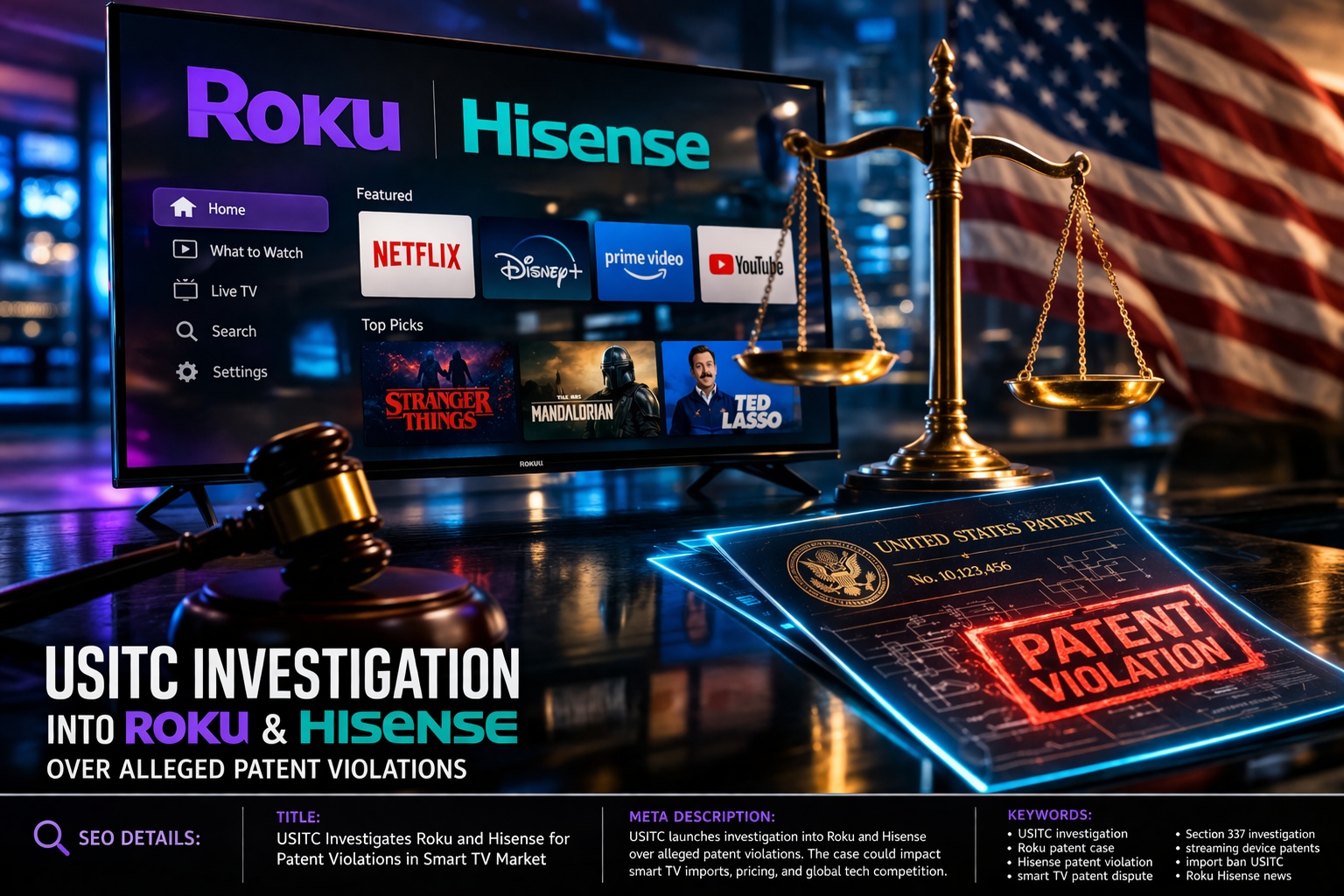
USITC investigating Roku and Hisense for alleged patent violations in smart TV technology with legal scales and streaming interface

Rising Patent Tensions Hit the Smart TV Industry

The U.S. International Trade Commission (USITC) has initiated a high-stakes investigation into alleged patent violations by Roku and Hisense. This move signals a growing wave of intellectual property disputes in the fast-evolving smart TV and streaming ecosystem.

The case could reshape competition in the global television market. It also highlights how patent battles now define technological leadership as much as innovation itself.

What Triggered the Investigation?

The USITC launched the probe after receiving a formal complaint from a patent holder alleging that Roku and Hisense unlawfully used protected technologies. These technologies reportedly relate to key streaming and display functionalities embedded in modern smart TVs.

The complainant claims that both companies integrated proprietary innovations without authorization. As a result, the complaint seeks strict remedies, including a potential import ban on infringing products entering the United States.

The USITC has accepted the complaint and will now determine whether the accused companies violated Section 337 of the Tariff Act, a law designed to prevent unfair trade practices linked to intellectual property.

Understanding Section 337 Investigations

Section 337 investigations move quickly compared to traditional court cases. The USITC focuses on whether imported goods infringe valid U.S. patents and whether such imports harm domestic industries.

If the commission finds a violation, it can impose:

  • Limited exclusion orders (blocking specific imports)
  • General exclusion orders (blocking broader product categories)
  • Cease-and-desist orders against companies already operating in the U.S.

This makes the USITC one of the most powerful forums for patent enforcement in global trade.

Roku vs Hisense: Different Roles, Shared Risk

While both companies face the same investigation, their positions in the ecosystem differ significantly.

Roku: Platform Powerhouse

Roku dominates the streaming OS market in the U.S. Its software powers millions of smart TVs and streaming devices. The company licenses its operating system to multiple TV manufacturers, including Hisense.

If the allegations prove true, Roku’s core platform business could face disruption. A ruling against Roku might force changes in its licensing model or software architecture.

Hisense: Hardware Giant

Hisense operates as a major global TV manufacturer. The company integrates Roku’s OS into many of its smart TV models.

For Hisense, the risk lies in hardware imports. An exclusion order could block shipments of its televisions into the U.S., directly impacting revenue and market share.

Why This Case Matters

This investigation goes far beyond two companies. It reflects broader tensions in the tech industry.

1. Smart TV Market Under Scrutiny

Smart TVs combine hardware, software, and content delivery. This layered structure creates multiple points for patent disputes.

2. Rising Cross-Border Conflicts

The case highlights friction between U.S. patent holders and global manufacturers, especially those based in Asia.

3. Platform vs Manufacturer Dynamics

The dispute underscores a key question: Who bears responsibility for infringement—the software provider or the hardware maker?

Potential Industry Impact

If the USITC rules against Roku and Hisense, the consequences could be severe.

Supply Chain Disruption

Retailers may face shortages of affected TV models. Import restrictions could tighten supply during peak demand seasons.

Increased Costs

Companies may need to pay licensing fees or redesign products. These costs often pass on to consumers.

Competitive Shift

Rivals could gain market share if Roku-powered TVs face restrictions. Competitors using alternative operating systems may benefit.

Legal and Strategic Responses

Both Roku and Hisense are expected to mount strong defenses. Typical strategies include:

  • Challenging patent validity
  • Arguing non-infringement
  • Negotiating licensing agreements

In many USITC cases, companies settle before a final ruling. However, high-stakes disputes like this often proceed through full litigation due to their strategic importance.

Timeline and Next Steps

USITC investigations usually conclude within 12 to 18 months. The process includes:

  1. Initial review and evidence gathering
  2. Administrative law judge (ALJ) hearing
  3. Preliminary determination
  4. Final commission decision

If the USITC issues an exclusion order, the U.S. President has a limited window to veto it, though such vetoes are rare.

A Growing Trend in Tech Patent Wars

This case adds to a surge in patent disputes involving connected devices. As products become more integrated, the risk of overlapping intellectual property increases.

Companies now use patents not just for protection but as strategic weapons. They leverage litigation to secure licensing revenue, block competitors, and strengthen market position.

Conclusion

The USITC investigation into Roku and Hisense marks another critical chapter in the global patent landscape. The outcome could reshape the smart TV market, disrupt supply chains, and redefine accountability in technology ecosystems.

As the case unfolds, industry players, investors, and policymakers will watch closely. The decision will not only determine liability but also set a precedent for future disputes in an increasingly interconnected digital world.

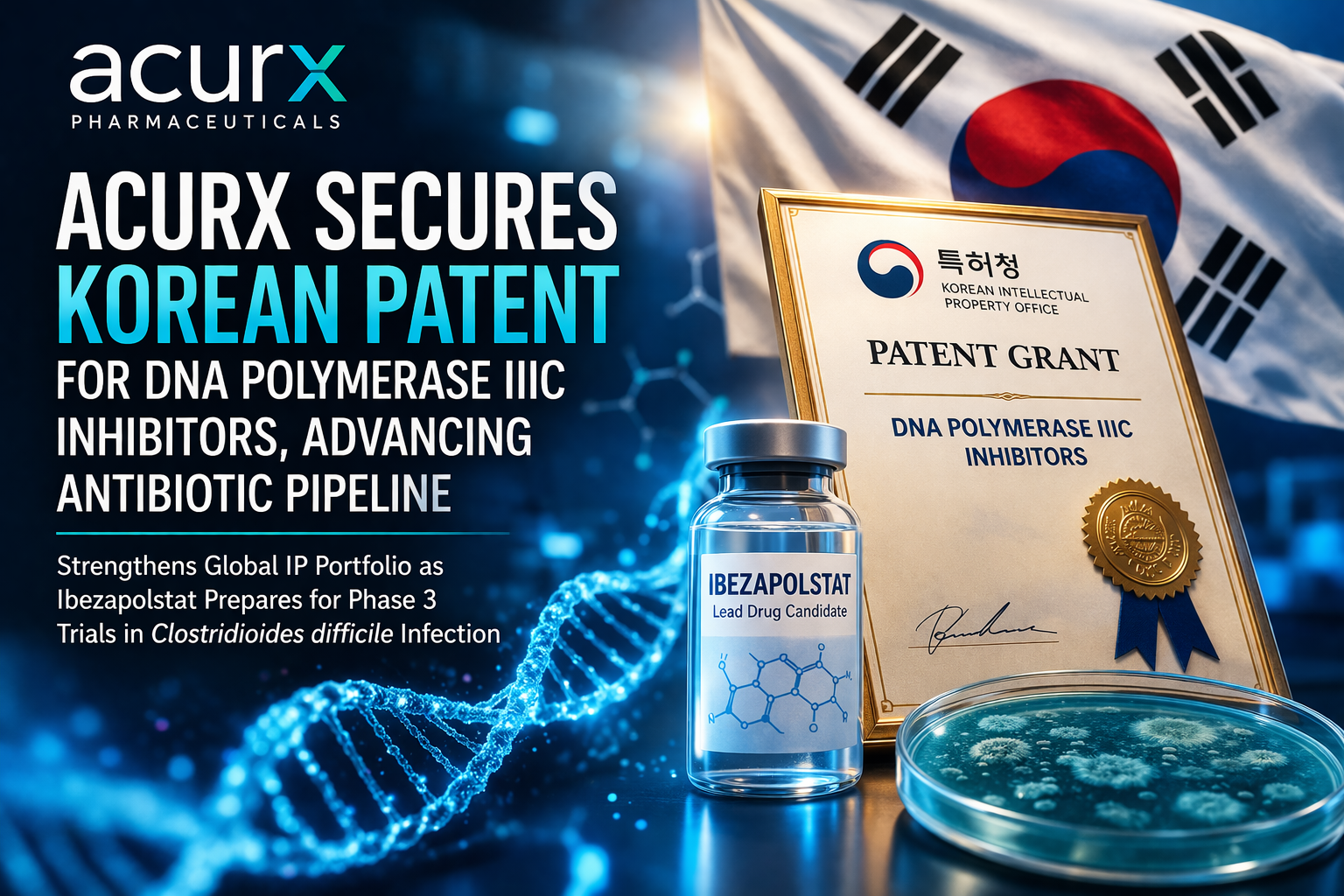
Acurx Pharmaceuticals Strengthens Global IP Position with New Korean Patent for Novel Antibiotic Technology

Acurx Pharmaceuticals secures Korean patent for DNA Polymerase IIIC inhibitors to advance ibezapolstat antibiotic

In a decisive move that reinforces its global intellectual property strategy, Acurx Pharmaceuticals, Inc. has secured a new patent from the Korean Intellectual Property Office (KIPO). The patent covers its cutting-edge DNA Polymerase IIIC inhibitor technology, a promising new class of antibiotics designed to combat serious and drug-resistant bacterial infections.

This latest grant marks a significant milestone in Acurx’s expansion across key international markets. It also strengthens the company’s long-term position in the highly competitive anti-infectives sector, where innovation remains urgent and essential.

A Breakthrough Approach to Antibiotic Resistance

Acurx’s patented technology targets DNA Polymerase IIIC, an enzyme that plays a critical role in bacterial DNA replication. By inhibiting this enzyme, the company’s compounds effectively stop bacterial growth and trigger cell death—particularly in Gram-positive pathogens.

This mechanism sets Acurx apart from traditional antibiotics.

Conventional drugs often attack bacterial cell walls or protein synthesis. Over time, bacteria evolve resistance to these methods. In contrast, Acurx’s approach introduces a novel and highly selective mode of action, which could reduce the likelihood of resistance development.

This distinction is crucial.

Antimicrobial resistance continues to rise globally. Health systems struggle with infections that no longer respond to existing treatments. Acurx’s innovation directly addresses this growing crisis with a targeted and science-driven solution.

Patent Coverage: Broad and Strategic

The newly granted Korean patent provides robust protection across multiple dimensions of Acurx’s technology. It includes:

  • Composition of matter claims
  • Pharmaceutical formulations
  • Methods of treatment

This comprehensive scope ensures that Acurx can safeguard both its core compounds and their clinical applications.

In comparison to narrower patents that protect only specific formulations, this broader coverage strengthens the company’s commercial exclusivity. It also enhances its ability to negotiate partnerships, licensing deals, and market entry strategies.

Expanding a Global Patent Portfolio

The Korean patent is not an isolated achievement. Instead, it forms part of a broader, coordinated global IP strategy.

Acurx now holds patents in several major jurisdictions, including:

  • The United States
  • Japan
  • Israel
  • India
  • Australia
  • South Korea

This diversified portfolio creates a strong international protection network. It allows Acurx to operate with confidence across multiple high-value pharmaceutical markets.

In contrast, many early-stage biotech firms rely on limited geographic protection. That often restricts their scalability and exposes them to competitive risks. Acurx’s approach demonstrates foresight and strategic planning.

Focus on Ibezapolstat: A Late-Stage Contender

At the center of Acurx’s pipeline lies ibezapolstat, its lead antibiotic candidate. The drug specifically targets Clostridioides difficile infection (CDI), a serious and often recurrent condition that affects thousands of patients worldwide.

Ibezapolstat has already shown promising results in earlier clinical studies. The company is now preparing for Phase 3 international trials, which will take place across the United States and Europe.

This progression marks a critical transition.

While early-stage research validates scientific potential, Phase 3 trials determine real-world effectiveness and safety at scale. Success at this stage could pave the way for regulatory approvals and commercial launch.

Compared to many antibiotic candidates that fail to advance beyond Phase 2, ibezapolstat’s trajectory signals strong clinical confidence.

Addressing a High-Value Medical Need

CDI remains a persistent challenge in modern healthcare. It often occurs after antibiotic use disrupts the gut microbiome. Patients experience severe diarrhea, inflammation, and, in some cases, life-threatening complications.

Even more concerning is the high rate of recurrence.

Existing treatments frequently fail to prevent repeat infections. This creates a cycle that burdens both patients and healthcare systems.

Acurx positions ibezapolstat as a differentiated solution.

Its targeted mechanism aims to eliminate harmful bacteria while preserving beneficial gut flora. This balance could significantly reduce recurrence rates—an advantage that current therapies struggle to achieve.

Beyond CDI: A Broad Pipeline Potential

While CDI remains the immediate focus, Acurx’s technology holds potential across a wide range of indications.

The company is exploring applications in:

  • Methicillin-resistant Staphylococcus aureus (MRSA)
  • Community-acquired bacterial pneumonia (CABP)
  • Hospital-acquired and ventilator-associated pneumonia (HABP/VABP)
  • Bloodstream infections and sepsis
  • Bone and joint infections
  • Inhalational anthrax

This breadth highlights the versatility of DNA Polymerase IIIC inhibitors.

In comparison, many antibiotic programs target only a single infection type. Acurx’s platform-based approach allows for scalable drug development, increasing its long-term value.

Competitive Advantage in a Challenging Market

The global antibiotics market presents both opportunity and risk.

On one hand, demand remains high due to rising resistance. On the other, regulatory hurdles, pricing pressures, and clinical uncertainties create barriers to success.

Acurx’s strategy addresses these challenges through:

  • Strong intellectual property protection
  • Late-stage clinical progress
  • Novel mechanism of action
  • Global market positioning

This combination gives the company a competitive edge.

However, risks remain.

Clinical trials can produce unexpected outcomes. Regulatory approvals require extensive data and rigorous review. Market adoption depends on pricing, physician acceptance, and real-world performance.

Investor Perspective: Balancing Promise and Risk

From an investor standpoint, the Korean patent represents a positive signal.

It strengthens Acurx’s valuation narrative by:

  • Expanding its IP moat
  • Supporting long-term revenue potential
  • Enhancing partnership opportunities

At the same time, investors must weigh the inherent uncertainties of drug development.

Unlike established pharmaceutical giants with diversified portfolios, Acurx relies heavily on the success of its lead programs. This creates both high upside and concentrated risk.

A Strategic Step Forward

The patent grant from KIPO underscores Acurx’s commitment to innovation and global expansion.

It also reflects a broader industry trend.

Biopharmaceutical companies are increasingly investing in next-generation antibiotics. Governments and health organizations are encouraging this shift to address the growing threat of antimicrobial resistance.

In this context, Acurx’s progress stands out.

The company combines scientific innovation with strategic execution. It builds a strong IP foundation while advancing clinical development. It targets urgent medical needs while positioning itself for global growth.

Conclusion

Acurx Pharmaceuticals’ newly secured Korean patent marks more than a routine IP update. It represents a strategic milestone in the company’s journey to bring novel antibiotics to market.

With ibezapolstat advancing into Phase 3 trials and a growing international patent portfolio, Acurx is steadily strengthening its position in the global fight against resistant infections.

The road ahead remains challenging. Clinical success is not guaranteed. Regulatory pathways are complex. Market dynamics are unpredictable.

Yet, with strong science, clear strategy, and expanding protection, Acurx is moving forward with confidence.

If successful, its innovations could reshape how the world treats some of the most dangerous bacterial infections—and deliver meaningful impact for patients, providers, and investors alike.

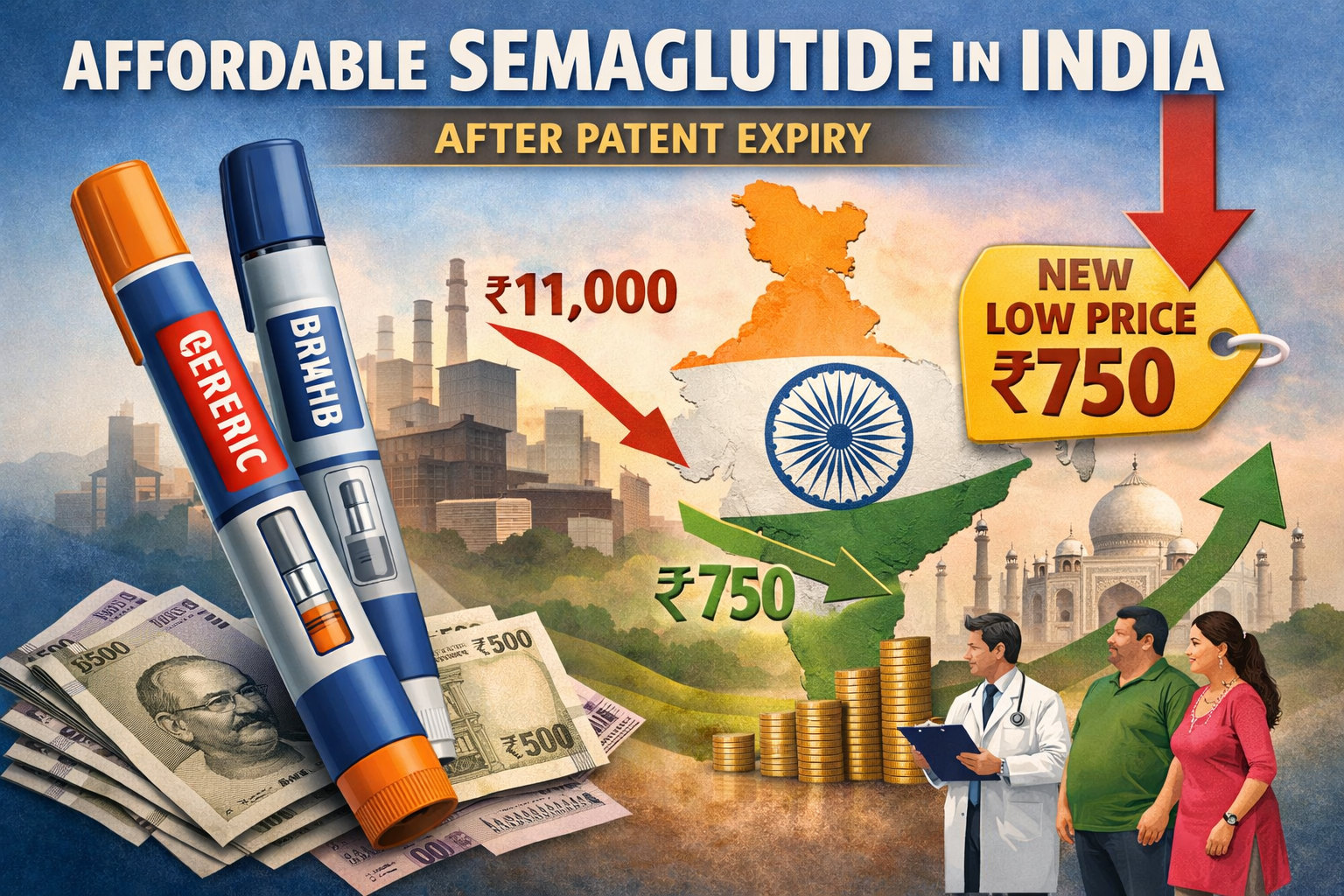
India’s Pharma Giants Trigger Price War as Semaglutide Patent Expires, Making Diabetes and Weight-Loss Drug Affordable

Low-cost semaglutide injection launched by Indian pharma companies after patent expiry

India’s pharmaceutical industry has entered a निर्णायक phase. The patent expiry of Semaglutide has unleashed a fierce price war. Leading drugmakers, especially from Gujarat, have rolled out affordable versions of the once-premium therapy. The shift is dramatic. It signals a new era of accessibility, competition, and market expansion.

A Blockbuster Drug Loses Its Monopoly

For years, semaglutide dominated global markets under brands developed by Novo Nordisk. The drug transformed diabetes care and redefined obesity treatment. However, its high cost kept it out of reach for most patients in India.

That barrier has now collapsed.

With the patent expiring in March 2026, Indian companies have wasted no time. They have launched generic versions at aggressively lower prices. This rapid rollout has disrupted the market and reshaped pricing dynamics almost overnight.

Prices Crash, Access Expands

The most visible impact is the sharp drop in cost.

Earlier, patients paid anywhere between ₹8,000 and ₹11,000 per month for semaglutide therapy. Today, multiple Indian brands offer the same treatment for as low as ₹750 to ₹4,000 per month.

This is not a marginal reduction. It is a massive shift.

Lower prices are expected to unlock demand across India’s vast patient base. Millions who could not afford treatment can now access it. Doctors anticipate a surge in prescriptions, especially in urban and semi-urban regions.

Gujarat Firms Lead the Charge

Pharma companies based in Gujarat have taken the lead. Several major players have launched their own versions of semaglutide within days of the patent expiry.

Key participants include:

  • Zydus Lifesciences
  • Torrent Pharmaceuticals
  • Sun Pharmaceutical Industries
  • Eris Lifesciences
  • Natco Pharma

Each company has adopted a distinct pricing and delivery strategy. Some offer pen devices for ease of use. Others provide vial-based formats at ultra-low prices. This diversity is intensifying competition and giving patients more choices.

A High-Stakes Market Opportunity

India presents a massive opportunity for semaglutide-based therapies.

The country has over 100 million people living with diabetes. At the same time, obesity rates are rising steadily. Urban lifestyles, poor diets, and sedentary habits continue to fuel the crisis.

Experts estimate that the semaglutide market in India could reach ₹12,000 crore within the next five years. More than 40 companies are expected to enter the segment. Together, they may launch over 50 branded generics.

This is not just a product launch cycle. It is a full-scale market expansion.

Comparative Shift: Before vs After Patent Expiry

The transformation becomes clearer when viewed side by side.

Before Patent Expiry:

  • Market controlled by a single global innovator
  • High prices limited access
  • Low competition
  • Restricted patient adoption

After Patent Expiry:

  • Dozens of Indian companies competing
  • Prices slashed by up to 90%
  • Widespread availability
  • Rapid growth in patient access

This sharp contrast highlights the power of generic competition in India’s pharmaceutical ecosystem.

India’s Strategic Advantage

India’s early entry into semaglutide generics gives it a global edge.

In markets like the United States, patents for similar drugs will continue for several more years. This delay allows Indian manufacturers to scale production, refine formulations, and expand exports to emerging markets.

India has long been known as the “pharmacy of the world.” The semaglutide wave strengthens that position further. Companies are not only targeting domestic demand but also preparing for international opportunities.

Rising Concerns Over Misuse

Despite the optimism, experts have flagged critical risks.

Semaglutide is not just a diabetes drug. It has gained popularity as a weight-loss solution. This dual use raises concerns about misuse.

Doctors warn that people may begin using the drug for cosmetic weight loss without proper medical supervision. Such behavior can lead to side effects and long-term health issues.

There is also concern about self-medication. Lower prices may encourage patients to bypass professional guidance. This could undermine treatment outcomes and increase complications.

Quality and Brand Confusion

Another challenge lies in the growing number of brands.

With dozens of companies entering the market, doctors may face confusion while prescribing. Similar brand names and varying formulations can complicate decision-making.

Quality consistency will become a key differentiator. Companies that maintain strict manufacturing standards and clinical reliability will gain trust. Others may struggle to sustain credibility in a crowded market.

Regulatory Spotlight Intensifies

Regulators are watching closely.

India’s drug authorities are expected to increase inspections and tighten compliance norms. The goal is clear: ensure patient safety while encouraging innovation and competition.

Authorities may also issue guidelines to prevent misuse and regulate marketing practices. These steps will be crucial in maintaining balance in a rapidly expanding market.

What Lies Ahead

The semaglutide story is far from over.

In the short term, the market will see aggressive pricing, heavy promotions, and rapid product launches. Companies will compete fiercely to capture market share.

In the medium term, consolidation is likely. Strong brands with proven efficacy and trust will dominate. Smaller players may exit or merge.

In the long term, the focus will shift toward innovation. Companies may invest in next-generation therapies, improved delivery systems, and combination drugs.

A Turning Point for Indian Healthcare

The patent expiry of semaglutide marks a defining moment for India.

It breaks a global monopoly. It democratizes access to a life-changing drug. It creates a high-growth market with intense competition.

Most importantly, it brings hope to millions of patients.

Affordable treatment can improve health outcomes, reduce complications, and enhance quality of life. However, the benefits will depend on responsible use, strong regulation, and consistent quality.

India has seized the opportunity. The challenge now is to sustain it.


Conclusion

The fall of semaglutide’s patent barrier has triggered a powerful shift. Prices have crashed. Access has expanded. Competition has intensified.

This is more than a market event. It is a healthcare transformation.

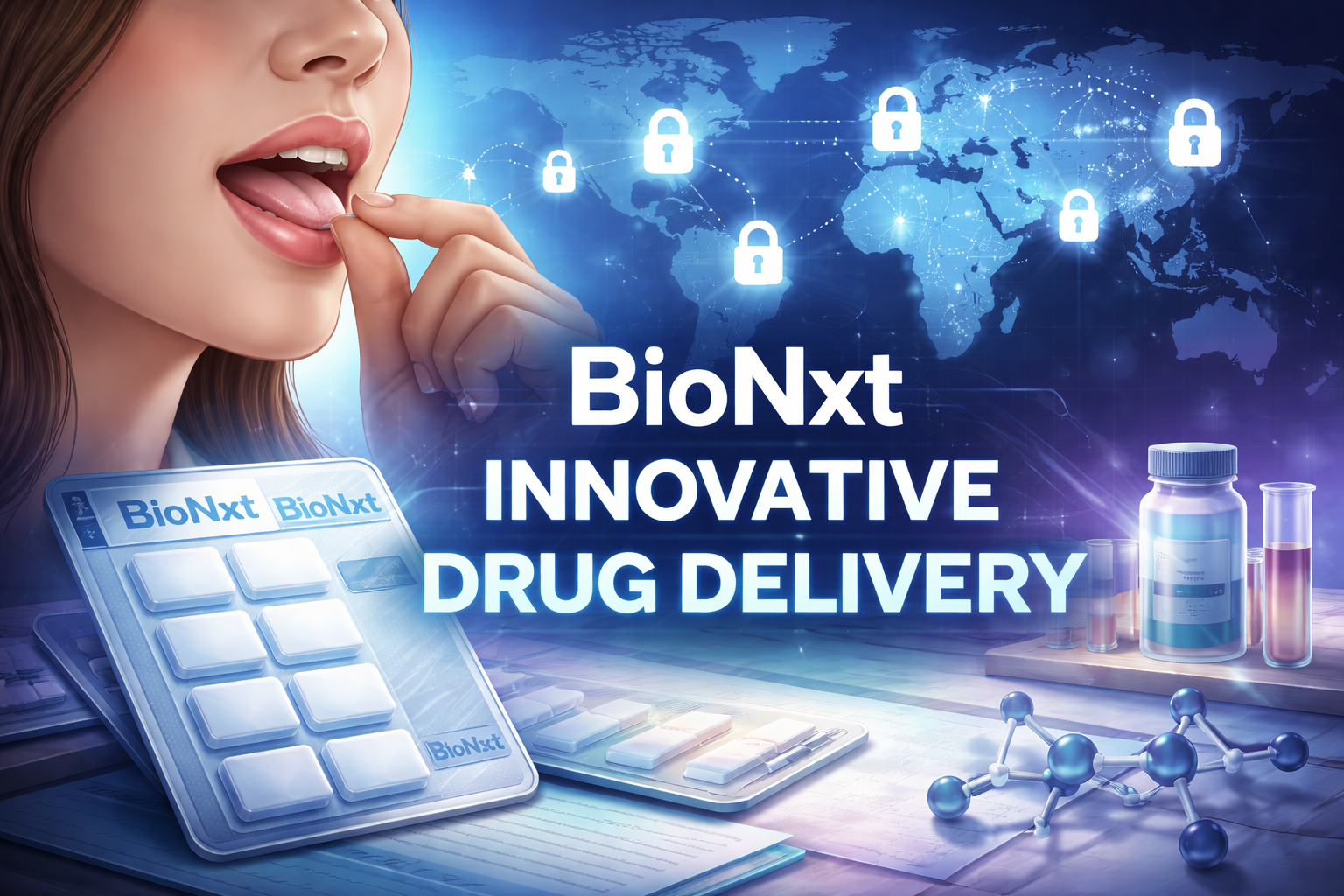
BioNxt Commercial Push Begins with Strong Patent Portfolio and Fast-Track U.S. Strategy

BioNxt sublingual drug delivery thin film for multiple sclerosis treatment innovation

Vancouver-based biotech firm BioNxt Solutions Inc. has entered a decisive new phase. The company is shifting from development to commercialization. It now aims to convert years of research into tangible revenue, global partnerships, and patient-ready therapies. Backed by a strong international patent portfolio, BioNxt is positioning itself as a serious contender in the fast-growing drug delivery market.

This transition marks a critical inflection point. Many biotech firms stall at the research stage. BioNxt, however, is accelerating toward market entry with a clear and aggressive strategy.

From Research to Revenue: A Strategic Shift

BioNxt has spent years building its technology platform. Now, it is moving with speed and intent. The company is no longer focused only on innovation. It is now focused on execution, partnerships, and commercialization.

This shift separates BioNxt from early-stage biotech companies. While many remain dependent on funding cycles, BioNxt is preparing to generate value through licensing deals and product rollouts.

The company’s leadership has emphasized a lean, partnership-driven model. Instead of building costly infrastructure, BioNxt plans to collaborate with regional players. This reduces risk and accelerates global reach.

Patent Power: The Core Competitive Advantage

At the heart of BioNxt’s strategy lies its expanding intellectual property portfolio. The company has secured broad patent protection across Europe and Eurasia, covering dozens of countries and hundreds of millions of people.

These patents extend protection until at least 2043. That long runway gives BioNxt a powerful edge. It ensures exclusivity. It strengthens negotiation power. It also creates a strong barrier against competitors.

In contrast, many biotech firms struggle with limited or fragmented patent coverage. BioNxt’s wide geographic protection allows it to scale faster and operate with confidence in multiple markets.

This global patent shield is not just a legal tool. It is a commercial weapon. It enables licensing deals, attracts partners, and increases investor confidence.

Revolutionizing Drug Delivery: The Sublingual Breakthrough

BioNxt’s innovation centers on its sublingual (under-the-tongue) drug delivery platform. This technology uses oral thin films (ODFs) that dissolve quickly in the mouth.

This approach offers clear advantages over traditional methods.

  • No need for injections
  • No need to swallow tablets
  • Faster absorption in many cases
  • Improved patient compliance

These benefits may seem simple. But in healthcare, convenience drives adherence. And adherence drives outcomes.

Traditional drug delivery methods often create barriers. Patients forget pills. They avoid injections. They struggle with swallowing. BioNxt removes these barriers with a patient-first design.

Lead Candidate: A New Hope for Multiple Sclerosis

The company’s flagship product, BNT23001, targets multiple sclerosis (MS). It is a sublingual thin-film version of cladribine, a well-known drug used in MS treatment.

This is where BioNxt’s strategy becomes especially powerful.

Instead of developing a completely new drug, the company is improving how an existing drug is delivered. This reduces risk. It also shortens development timelines.

Traditional MS treatments often involve pills or injections. These methods can be inconvenient and uncomfortable. BioNxt’s thin-film alternative offers a simpler and more user-friendly option.

In comparison to competitors, this approach could deliver a strong market advantage. Patients prefer ease. Doctors prefer compliance. Payers prefer efficiency.

Faster Path to Market: A Smart Regulatory Strategy

BioNxt is leveraging a key advantage. Cladribine is already an approved drug. This allows the company to bypass early-stage safety trials.

Instead, BioNxt can focus on bioequivalence studies. These studies aim to prove that the new delivery method performs similarly to existing forms.

This approach can significantly reduce development time. It also lowers costs.

In contrast, companies developing entirely new drugs face years of trials, high failure rates, and massive expenses. BioNxt avoids much of this risk by building on an established compound.

This strategy reflects a broader trend in biotech. Smart companies are not just inventing new molecules. They are reimagining how existing drugs are delivered.

Global Partnerships: A Scalable Business Model

BioNxt is not trying to do everything alone. Instead, it is actively pursuing regional licensing agreements and strategic partnerships.

This model offers several advantages:

  • Faster market entry
  • Lower capital requirements
  • Shared operational risk
  • Access to local expertise

The company has already signed a Letter of Intent (LOI) for commercialization in the Eurasian region. This signals strong interest from potential partners.

Compared to traditional biotech expansion models, this approach is more agile. It allows BioNxt to scale quickly without heavy infrastructure investment.

U.S. Fast-Track Strategy: Targeting the World’s Largest Market

The United States remains a key target. BioNxt has filed its patent under the USPTO Track One fast-track program. This program aims to deliver decisions within 12 months.

This move highlights urgency and ambition.

Securing U.S. patent protection early can unlock major opportunities. It attracts investors. It strengthens partnerships. It also positions the company for entry into the world’s largest pharmaceutical market.

Many companies face delays in patent approvals. BioNxt is actively working to avoid that bottleneck.

A Booming Market Opportunity

BioNxt is entering a rapidly expanding sector. The global demand for non-invasive drug delivery systems is rising fast.

Several factors are driving this growth:

  • Increasing chronic diseases
  • Aging populations
  • Demand for patient-friendly treatments
  • Technological advancements

The oral thin-film drug market alone is expected to grow steadily over the next decade. At the same time, multiple sclerosis affects millions of people worldwide.

This creates a powerful combination of high demand and strong market potential.

Compared to crowded pharmaceutical segments, drug delivery innovation offers a unique opportunity. It allows companies to differentiate without competing directly on new drug discovery.

Beyond MS: A Platform with Broad Potential

BioNxt’s technology is not limited to one disease. Its platform has potential applications across multiple conditions, including:

  • Autoimmune disorders
  • Neurological diseases
  • Chronic conditions requiring long-term treatment

This platform approach increases long-term value. It allows BioNxt to expand its pipeline without starting from scratch each time.

In contrast, single-product biotech firms face higher risk. If one product fails, the entire business suffers. BioNxt’s diversified approach reduces that risk.

Challenges Ahead: Execution Will Be Key

Despite its strong position, BioNxt faces challenges. Commercialization is complex. It requires flawless execution.

Key risks include:

  • Regulatory hurdles
  • Partner alignment
  • Market competition
  • Pricing pressures

However, the company’s strategy appears well-structured. Its focus on partnerships, patents, and proven compounds provides a solid foundation.

Conclusion: A Defining Moment for BioNxt

BioNxt is at a turning point. It has moved beyond research. It is now stepping into the commercial arena with confidence.

Its strengths are clear:

  • Strong global patent protection
  • Innovative drug delivery platform
  • Faster regulatory pathway
  • Scalable partnership model

In comparison to traditional biotech firms, BioNxt’s approach is faster, leaner, and more focused on execution.

If the company delivers on its strategy, it could redefine how drugs are administered. More importantly, it could improve the lives of patients worldwide.

Who Will Win the Patent Race? Global IP Trends Explained

Experts discussing global patent challenges and pharmaceutical IP issues at IPWatchdog LIVE 2026 conference

The global intellectual property (IP) landscape is entering a decisive phase. At IPWatchdog LIVE 2026, top legal minds, policymakers, and industry leaders delivered a clear and urgent message: the world is witnessing a high-stakes battle over patent rights, especially in pharmaceuticals, and the outcome will shape the future of innovation.

The event brought together influential figures, including judges, former policymakers, and corporate leaders, to assess the strength, direction, and vulnerabilities of global patent systems. Their conclusion was blunt—while some regions are accelerating reforms, others risk falling behind.

Prestigious Awards Honor IP Leadership

The conference opened with the presentation of two major awards recognizing excellence in intellectual property leadership.

  • The Pauline Newman Award was presented to Corey Salsberg
  • The Paul Michel Award went to Chris Israel

Speaking at the ceremony, Pauline Newman stressed the urgent need for certainty and predictability in patent systems. She warned that inconsistent rulings and unclear policies weaken investor confidence and discourage innovation.

Meanwhile, Paul Michel raised concerns about policy debates driven by misinformation rather than facts. He urged lawmakers to rely on evidence-based decisions, especially when dealing with complex patent issues.

A Growing Divide in Global Patent Systems

One of the most striking themes at the event was the widening gap between global patent regimes.

Fast-Moving Regions

Regions like Europe, China, and the United Kingdom are moving aggressively to strengthen their IP frameworks:

  • Europe’s Unified Patent Court offers streamlined litigation and cross-border enforcement
  • China continues to build specialized IP courts and faster dispute resolution mechanisms
  • The UK maintains strong judicial expertise and efficient case handling

These jurisdictions provide speed, clarity, and enforcement strength, making them increasingly attractive for innovators and investors.

Slower Progress in the United States

In contrast, panelists argued that the United States is struggling with:

  • Unclear patent eligibility standards
  • Lengthy and expensive litigation processes
  • Legislative gridlock preventing meaningful reform

This imbalance creates a serious risk. As global competitors improve their systems, innovators may shift investments to jurisdictions offering stronger protection and quicker outcomes.

Pharmaceutical Patents Under Intense Scrutiny

The debate around pharmaceutical patents dominated the discussion. Policymakers and advocacy groups are increasingly questioning whether patents inflate drug prices and limit access.

Rising Policy Pressure

Several legislative proposals aim to reshape drug patent protections, including:

  • Measures targeting “patent thickets”
  • Reforms to generic drug labeling rules
  • Broader attempts to reduce exclusivity periods

Critics argue that these changes could lower drug prices and improve access.

Industry Pushback

However, industry leaders strongly pushed back against these claims. They emphasized that drug development is:

  • Extremely costly
  • Highly risky
  • Time-intensive, often taking over a decade

Without strong patent protection, companies may struggle to recover investments. This could lead to:

  • Fewer breakthrough therapies
  • Reduced research funding
  • Slower medical innovation

The panelists framed the issue as a delicate balance between affordability and innovation. Weakening patents may offer short-term price relief but could damage long-term healthcare progress.

The Narrative Battle: Innovation vs Access

A critical concern raised during the conference was the shifting narrative around intellectual property.

Increasingly, some policymakers view patents as barriers rather than enablers. This perception is gaining traction in political and regulatory circles.

According to Corey Salsberg, the IP community must do a better job of explaining how patents:

  • Encourage innovation
  • Attract investment
  • Enable life-saving discoveries

He emphasized that silence is no longer an option. Advocacy and engagement are essential to counter misconceptions.

Declining Political Support for IP

Another alarming trend is the decline in strong pro-IP voices within government.

Panelists noted:

  • Fewer lawmakers actively defending patent rights
  • Growing bipartisan support for patent-limiting reforms
  • Increased influence of public pressure on drug pricing

This shift creates uncertainty for businesses relying on patents to protect their innovations.

Comparative Snapshot: Global IP Systems

FactorUnited StatesEurope / China / UK
Litigation SpeedSlowerFaster
Legal CertaintyUnclear in areasMore predictable
Enforcement StrengthMixedStrong
Policy DirectionDividedPro-reform, pro-IP
Investment AppealUnder pressureIncreasing

This comparison highlights a clear trend: global competition in IP is intensifying, and jurisdictions that adapt quickly are gaining an edge.

What This Means for the Future

The discussions at IPWatchdog LIVE 2026 point to a critical inflection point.

If Current Trends Continue:

  • Innovation may shift toward stronger IP jurisdictions
  • U.S. leadership in patents could weaken
  • Pharmaceutical R&D may face funding challenges

If Reforms Are Implemented:

  • Patent systems could regain clarity and trust
  • Investment in innovation may increase
  • Global competitiveness could stabilize

The Road Ahead: Urgent Need for Action

The message from the conference was not just analytical—it was a call to action.

Experts urged stakeholders to:

  • Advocate for clear and consistent patent laws
  • Educate policymakers about the economic value of IP
  • Strengthen collaboration between industry and government

As Paul Michel highlighted, decisions made today will determine whether patent systems drive innovation or hinder it.

Conclusion

IPWatchdog LIVE 2026 made one reality unmistakably clear: the global patent system is under pressure, and the stakes are high.

The world is moving fast. Some regions are building stronger, smarter, and faster IP frameworks. Others risk stagnation.

KeepsakeMom Secures U.S. Patent for Breastmilk Preservation, Transforming Sentimental Jewelry Market

Breastmilk jewelry ring showcasing preserved milk using patented KeepsakeMom preservation technology

In a decisive move that could reshape a niche yet fast-growing market, KeepsakeMom has secured a U.S. patent for its proprietary breastmilk preservation method. The development marks a turning point for the sentimental jewelry sector, where emotional value meets scientific precision.

The newly granted patent not only strengthens the company’s intellectual property portfolio but also sets a new benchmark for quality, durability, and trust in breastmilk-based keepsakes.

A Breakthrough in Preservation Science

KeepsakeMom’s patented process tackles a long-standing challenge in the industry—how to preserve breastmilk in a stable, visually appealing form over time.

Traditional preservation methods often fall short. They struggle with:

  • Yellowing or browning of milk
  • Texture degradation
  • Loss of clarity and aesthetic appeal

KeepsakeMom claims its method eliminates these issues through a controlled, multi-step stabilization process. The result is a preserved material that retains its original tone and consistency for years.

This innovation transforms breastmilk from a fragile biological substance into a durable artistic medium suitable for fine jewelry.

From Craft to Controlled Technology

The breastmilk jewelry industry has largely operated in a semi-artisan space. Many small businesses rely on handmade techniques passed down informally. While these methods carry emotional authenticity, they often lack consistency.

KeepsakeMom disrupts this model.

Traditional Approach vs Patented Method

FactorConventional TechniquesKeepsakeMom Patent
Process ControlManual, inconsistentScientifically controlled
Color StabilityProne to yellowingEngineered to resist discoloration
LongevityLimited lifespanLong-term durability
StandardizationMinimalHigh repeatability
Legal ProtectionNoneU.S. patent secured

This shift from craft-based production to technology-driven preservation signals a broader evolution in the industry.

Emotional Value Meets Scientific Precision

Breastmilk jewelry is not just a product. It represents a deeply personal journey—motherhood, nurturing, and memory.

Customers choose these keepsakes to:

  • Celebrate breastfeeding milestones
  • Honor maternal bonds
  • Preserve fleeting moments

However, emotional value demands lasting quality. A keepsake that degrades over time risks losing its meaning.

KeepsakeMom’s innovation addresses this gap directly. By ensuring stability and longevity, the company enhances both emotional satisfaction and product reliability.

Competitive Edge in a Crowded Market

The global market for personalized and sentimental jewelry is expanding rapidly. Within this space, breastmilk jewelry has emerged as a unique category.

Yet, competition is intensifying.

Many sellers offer similar designs—rings, pendants, earrings—but differ significantly in quality. Without standardized preservation methods, results vary widely.

KeepsakeMom’s patent changes the competitive landscape.

Key Advantages

  • Exclusivity: The company holds legal rights to its preservation process in the U.S.
  • Brand Authority: Patent-backed claims build stronger consumer trust
  • Barrier to Entry: Competitors must develop alternative methods
  • Scalability: Standardized processes enable consistent large-scale production

This positions KeepsakeMom as a technology leader, not just a jewelry brand.

Legal Protection and Strategic Growth

A U.S. patent offers more than recognition. It provides enforceable rights.

KeepsakeMom can now:

  • Prevent unauthorized use of its method
  • License the technology to partners
  • Strengthen its valuation for future investment

In an industry where imitation is common, legal protection becomes a powerful strategic tool.

The patent also opens doors for international expansion, as the company may seek similar protections in other jurisdictions.

Industry-Wide Implications

KeepsakeMom’s patent may trigger a ripple effect across the sector.

1. Rise of Innovation

Competitors will likely invest in research to develop alternative preservation technologies. This could accelerate innovation in a previously slow-moving niche.

2. Higher Consumer Expectations

As awareness grows, customers may demand:

  • Proven preservation methods
  • Transparency in production
  • Guarantees of longevity

3. Shift Toward Standardization

The industry could move toward more regulated and standardized practices, reducing variability in product quality.

Customer Trust as a Core Driver

Trust plays a critical role in this market. Customers send a highly personal material—breastmilk—to a company. They expect care, respect, and professionalism.

A patented process reinforces that trust.

It signals:

  • Scientific validation
  • Process reliability
  • Commitment to quality

For many buyers, this assurance can be the deciding factor.

Blending Sentiment and Innovation

KeepsakeMom’s success highlights a broader trend: the fusion of emotion-driven products with advanced technology.

This trend is visible across industries:

  • DNA-based ancestry kits
  • Personalized health tracking
  • Custom memorial products

In each case, companies combine deep personal meaning with technical expertise.

KeepsakeMom fits squarely within this movement. Its patented method elevates a sentimental product into a precision-crafted keepsake.

Challenges Ahead

Despite the breakthrough, challenges remain.

  • Cost Sensitivity: Advanced processes may increase production costs
  • Market Education: Customers must understand the value of patented methods
  • Imitation Risks: Competitors may attempt workarounds

To sustain its lead, KeepsakeMom must continue innovating while clearly communicating its value proposition.

The Road Forward

The patent marks a beginning, not an endpoint.

KeepsakeMom is now positioned to:

  • Expand product lines
  • Enter new geographic markets
  • Explore partnerships and licensing deals

If executed effectively, the company could dominate a niche that is steadily moving into the mainstream.

Conclusion

KeepsakeMom’s U.S. patent represents a powerful convergence of science, sentiment, and strategy. It transforms breastmilk preservation from an uncertain craft into a controlled, reliable process.

In doing so, the company sets a new industry standard.

The message is clear: in a market driven by emotion, quality and trust are non-negotiable. With its patented technology, KeepsakeMom is not just preserving breastmilk—it is preserving memories with precision, permanence, and purpose.

Catalyst Pharma Patent Trial Delay Extends High-Stakes Battle With Hetero USA

Catalyst Pharmaceuticals vs Hetero USA patent trial delay highlighting FIRDAPSE drug dispute and generic competition in US pharma market

A U.S. federal court has postponed a critical patent trial between Catalyst Pharmaceuticals and Hetero USA Inc., delaying a closely watched legal fight that could reshape competition in the rare disease drug market.

The bench trial, initially set for March 23, 2026, will now begin on May 18, 2026. The delay extends uncertainty for investors, patients, and generic drug manufacturers who are tracking the case’s outcome.

A Legal Battle With High Commercial Stakes

At the center of the dispute is FIRDAPSE, Catalyst’s flagship therapy used to treat Lambert-Eaton myasthenic syndrome (LEMS), a rare neuromuscular disorder. The drug represents a major portion of Catalyst’s revenue and strategic focus.

Catalyst claims that several patents protecting FIRDAPSE remain valid and enforceable. These patents are listed in the FDA’s Orange Book and are scheduled to expire between 2032 and 2037.

Hetero USA, a generic drug manufacturer, is challenging those patents. The company aims to launch a lower-cost version of the drug before those expiration dates.

This sets up a classic pharmaceutical conflict: innovation protection versus affordable access.

What the Delay Means

The court’s decision to postpone the trial does not alter the substance of the case. However, it has immediate and long-term implications.

Immediate impact

  • Extends legal uncertainty
  • Delays potential market entry for generics
  • Keeps pricing power in Catalyst’s hands for now

Long-term impact

  • Shifts investor timelines
  • Affects strategic planning for both companies
  • Prolongs regulatory and commercial ambiguity

In simple terms, the delay buys time—but not clarity.

Catalyst vs Hetero: A Clear Contrast

Catalyst’s Position: Defend Innovation

Catalyst Pharmaceuticals argues that its patents reflect years of research, clinical investment, and regulatory work.

The company wants to:

  • Protect exclusivity for FIRDAPSE
  • Maintain premium pricing
  • Secure long-term revenue stability

Catalyst has already settled similar disputes with other generic players, including major firms such as Teva Pharmaceutical Industries and Lupin Limited.

Those settlements strengthened Catalyst’s legal position. Now, Hetero remains one of the last major challengers.

Hetero’s Position: Open the Market

Hetero USA Inc. is pushing for early market entry.

The company aims to:

  • Invalidate or bypass patents
  • Launch a generic alternative
  • Capture market share with lower pricing

Generic entry typically leads to:

  • Price reductions of 30% to 80%
  • Wider patient access
  • Increased competition

For Hetero, the case represents a strategic opportunity to break into a niche but profitable market.

Why This Case Matters for the Industry

This is not just a company-level dispute. It reflects a broader shift in the pharmaceutical sector.

1. Rising Patent Challenges

Across the industry, generic companies are increasingly aggressive. They challenge patents earlier and more often. This trend intensifies as blockbuster and niche drug patents approach expiration.

The Catalyst-Hetero case fits squarely into this pattern.

2. Pressure on Rare Disease Drugs

Rare disease treatments often enjoy:

  • Smaller patient populations
  • Higher prices
  • Longer exclusivity periods

But these advantages are now under pressure. Governments, insurers, and patients demand more affordable options.

If Hetero succeeds, it could signal a shift:

  • Even niche drugs may face earlier competition
  • Patent defenses may become harder to sustain

3. Financial Stakes

For Catalyst, the outcome is critical.

If Catalyst wins:

  • It retains market exclusivity until at least 2032
  • Revenue streams remain strong
  • Investor confidence improves

If Hetero wins:

  • Generic competition could arrive years earlier
  • Prices could drop sharply
  • Revenue could decline significantly

This binary outcome explains why the case attracts intense attention.

Market Reaction and Investor Sentiment

The delay introduces a new variable into Catalyst’s outlook.

Investors now face:

  • A longer wait for legal resolution
  • Continued uncertainty over future earnings
  • Increased sensitivity to legal updates

However, Catalyst still benefits from:

  • Strong recent financial performance
  • A focused rare disease portfolio
  • Limited direct competition—for now

Market analysts suggest that while the delay is not negative, it extends risk exposure.

The Broader Legal Landscape

Patent litigation remains a cornerstone of the pharmaceutical business model. Companies rely on patents to recover research investments. Generic firms rely on legal challenges to create competition.

This tension drives innovation—but also fuels constant litigation.

In recent years:

  • Courts have shown mixed outcomes in patent disputes
  • Some patents have been upheld strongly
  • Others have been invalidated earlier than expected

This unpredictability makes every case significant.

The Catalyst-Hetero dispute is no exception.

What Happens Next

With the new trial date set for May 18, 2026, both sides will continue preparing their arguments.

Key issues likely to dominate the trial include:

  • Patent validity
  • Scope of protection
  • Scientific and regulatory evidence

The court’s decision will ultimately determine:

  • Whether Hetero can launch a generic version
  • How long Catalyst retains exclusivity
  • The future pricing of FIRDAPSE

A Defining Moment for a Niche Market

The delay may seem procedural. But its implications run deep.

This case will:

  • Shape competitive dynamics in a rare disease segment
  • Influence future patent challenges
  • Impact patient access and drug affordability

For now, the balance of power remains with Catalyst. But the clock is ticking.

Conclusion

The postponed trial between Catalyst Pharmaceuticals and Hetero USA Inc. underscores a fundamental truth in the pharmaceutical industry: patents define power.

Catalyst seeks to defend its innovation and revenue. Hetero aims to disrupt and democratize access. The court will decide which vision prevails.