
Porsche Files Patent for Color-Changing Film with Dynamic Racing Stripes

Porsche concept car with color-changing exterior film and dynamic racing stripes
Image
Image
Image

📢 Introduction

German luxury automaker Porsche has unveiled a futuristic concept through a newly filed patent—an advanced exterior film capable of changing a vehicle’s color and dynamically displaying racing stripes. The innovation signals a major leap toward intelligent, customizable car design.

🔍 What the Patent Reveals

The patent outlines a specialized film layer applied to a car’s body that reacts to electrical signals. When activated, the material can modify its visual appearance—switching colors, patterns, or activating design elements like racing stripes.

Key highlights include:

  • The use of electronic paper (e-paper) or paramagnetic materials
  • Instant color and pattern transformation via electrical input
  • Ability to toggle racing stripes on or off in real time

This technology could eliminate the need for repainting or vinyl wraps, offering drivers a fully programmable exterior.

🎯 More Than Just Aesthetic Innovation

Porsche’s concept goes beyond visual appeal. The patent suggests several functional applications that enhance both usability and communication:

🚦 Drive Mode Indication

The vehicle’s exterior could visually reflect driving modes:

  • Green tones for efficiency
  • Red accents for performance

🔋 Battery Status Display

Electric vehicles may display charge levels externally, allowing quick visual confirmation of battery status without accessing the dashboard.

🏁 Performance Highlighting

Dynamic accents—such as stripes or highlights near aerodynamic components—could activate during sport modes, enhancing both aesthetics and road presence.

⚙️ How the Technology Works

The system relies on electrically responsive microstructures embedded within the film:

  • Tiny particles or pigments shift position when voltage is applied
  • This rearrangement alters how light reflects off the surface
  • The result is a visible change in color or pattern

One of the biggest advantages is efficiency—energy is mainly required to change the appearance, not to maintain it.

⚖️ How It Compares to Existing Tech

Color-changing surfaces are already emerging in the automotive world. For instance, BMW has showcased experimental vehicles using e-ink technology for exterior color shifts.

However, Porsche’s approach stands out by combining:

  • Dynamic styling elements like racing stripes
  • Functional, real-time vehicle communication
  • Full-body integration beyond limited panels

This creates a more immersive and practical application of the technology.

🚀 Industry Impact and Future Potential

If brought to production, this innovation could reshape automotive design in several ways:

  • Replace traditional paint with programmable surfaces
  • Enable instant customization based on mood or conditions
  • Improve communication between vehicles and pedestrians
  • Elevate branding and personalization in motorsports and luxury segments

While still at the patent stage, the concept reflects a broader shift toward smart, responsive vehicle exteriors.

🧾 Conclusion

Porsche’s color-changing film patent represents a bold fusion of design and technology. By transforming a car’s exterior into a dynamic, interactive surface, the company is pushing the boundaries of what automotive personalization can achieve.

If realized, this innovation could redefine how vehicles look, communicate, and adapt—bringing a new era of intelligent mobility to the road.

Longeveron Secures China Patent for Stem Cell Potency Assay

Scientist analyzing mesenchymal stem cells in a laboratory as Longeveron secures China patent for potency assay technology

Breakthrough reinforces biotech firm’s leadership in regenerative medicine

Image
Image
Image

Longeveron Inc. has secured a major intellectual property milestone in China, reinforcing its global strategy in regenerative medicine. The clinical-stage biotechnology company announced that China’s patent authority has granted it protection covering advanced methods for evaluating stem cell potency—an essential component in the development of safe and effective cell therapies.

This latest patent strengthens the company’s expanding international portfolio and positions it competitively in one of the world’s fastest-growing biotechnology markets.

Patent Covers Critical Stem Cell Testing Technology

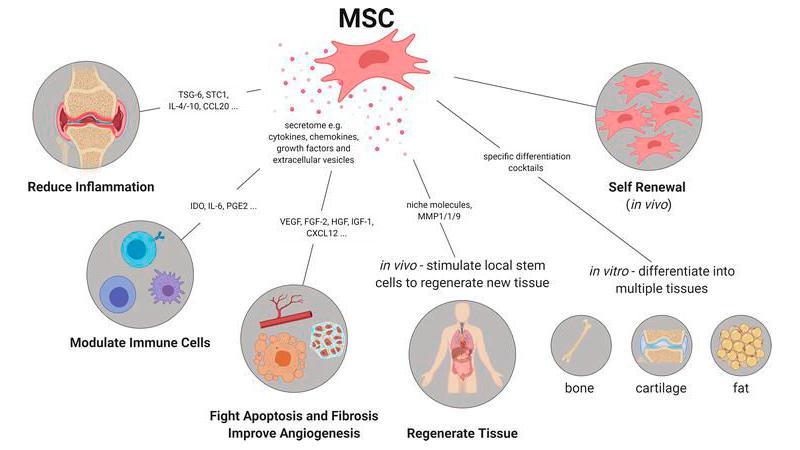
The newly granted patent protects potency assay methods used to assess human mesenchymal stem cells (MSCs)—a cornerstone of modern regenerative therapies.

These assays determine whether stem cells possess the biological activity required to deliver therapeutic benefits. Without such validation, regulatory approval for cell-based therapies becomes significantly more difficult.

The patent applies to MSCs derived from multiple biological sources, including:

  • Bone marrow
  • Adipose (fat) tissue
  • Peripheral blood
  • Umbilical cord and placenta
  • Amniotic membrane and fluid
  • Induced pluripotent stem cells (iPSCs)

This broad scope enhances the patent’s commercial and clinical value, as it covers a wide range of cell sources commonly used in regenerative medicine.

Protection Valid Through 2041

The Chinese patent—titled “Potency Assay”—provides Longeveron with exclusive rights in the country through 2041, subject to standard maintenance requirements.

This long-term protection offers a strategic advantage in China’s rapidly evolving biotech ecosystem, where demand for advanced therapies is accelerating due to aging populations and increasing chronic disease burden.

By securing rights in China, Longeveron not only protects its innovations but also creates opportunities for:

  • Licensing agreements
  • Strategic partnerships
  • Future commercialization pathways

Strategic Expansion of Global Patent Portfolio

The China patent adds to Longeveron’s growing global intellectual property portfolio, which now includes more than 50 issued patents worldwide.

Company leadership emphasized the importance of IP strength in scaling regenerative medicine technologies. The expanding patent base represents a critical strategic asset that supports the company’s long-term mission of delivering innovative therapies to patients.

This move also aligns with Longeveron’s broader trend of securing patents across key international markets, reflecting a coordinated global IP expansion strategy.

Why Potency Assays Matter in Regenerative Medicine

Image
Image
Image
Image
Image

Potency assays are not just a technical requirement—they are a regulatory necessity.

In cell therapy development, these assays:

  • Verify biological activity of living cells
  • Ensure consistency between manufacturing batches
  • Predict therapeutic effectiveness
  • Support regulatory approvals

Without reliable potency testing, even promising therapies can fail to reach commercialization.

Longeveron’s patented methods aim to standardize and improve this critical step, potentially accelerating the approval timeline for its therapies.

Flagship Therapy Laromestrocel Gains Momentum

The patent directly supports Longeveron’s lead investigational product, laromestrocel (Lomecel-B™)—a mesenchymal stem cell therapy derived from healthy adult donors.

This therapy is currently under investigation for multiple high-impact conditions, including:

  • Hypoplastic Left Heart Syndrome (HLHS)
  • Alzheimer’s disease
  • Aging-related frailty
  • Pediatric dilated cardiomyopathy

Clinical progress has been notable. The therapy has already received several key regulatory designations in the United States, highlighting both the urgency of the targeted conditions and the therapy’s potential.

Phase 2b Trial Could Be Pivotal

Longeveron is currently conducting a Phase 2b clinical trial evaluating laromestrocel for HLHS—a rare and life-threatening pediatric heart condition.

The company expects trial results in Q3 2026, which could mark a turning point.

If successful, the data may support a regulatory filing with U.S. authorities, potentially bringing the therapy closer to commercialization.

This makes the newly granted patent even more critical, as it strengthens the regulatory and commercial foundation ahead of potential approval.

China Patent Signals Market Intent

China represents a massive opportunity for regenerative medicine companies. With:

  • A rapidly aging population
  • Rising healthcare spending
  • Strong government support for biotech innovation

the country has become a strategic priority for global life sciences firms.

By securing patent protection in China, Longeveron signals clear intent to participate in this high-growth market. The move also helps safeguard the company against potential IP risks in a competitive landscape where innovation cycles are accelerating.

Competitive Positioning in a High-Stakes Sector

The global regenerative medicine market is intensifying, with biotech firms racing to develop scalable, effective therapies for chronic and rare diseases.

Longeveron’s approach—combining:

  • A strong clinical pipeline
  • A robust patent portfolio
  • Strategic geographic expansion

positions it as a serious contender in the space.

Its focus on mesenchymal stem cells, known for their regenerative and anti-inflammatory properties, further enhances its differentiation.

Outlook: Strong IP Backbone Supports Future Growth

Longeveron’s China patent marks more than a legal win—it reflects a strategic consolidation of scientific innovation and commercial foresight.

With key clinical milestones approaching and a growing IP portfolio, the company is steadily building the infrastructure needed to transition from a clinical-stage biotech to a commercial-stage player.

If upcoming trial results align with expectations, Longeveron could emerge as a significant force in regenerative medicine—backed by a patent portfolio designed to protect and scale its innovations globally.

Silo Pharma Wins European Patent for Preventive Stress Therapy, Redefining Mental Health Treatment

Silo Pharma stress prevention therapy targeting serotonin 5-HT4 receptor pathway
Image
Image
Image
Image

In a decisive move that could reshape the future of psychiatric care, Silo Pharma has secured a major intellectual property milestone in Europe. The company has received a Notice of Intention to Grant from the European Patent Office for its novel stress prevention therapy.

This is not just another patent. It signals a bold shift in how the world may approach mental health—from reactive treatment to proactive prevention.

A Radical Shift: Prevention Over Cure

For decades, mental health treatments have followed a predictable path. Patients develop symptoms. Doctors respond with therapy or medication. Relief often comes late.

Silo Pharma challenges that model.

Its patented innovation targets stress before it causes damage. The therapy uses serotonin 4 (5-HT4) receptor agonists to regulate how the brain responds to stress triggers. Instead of calming the aftermath, it builds resilience at the source.

Traditional vs Preventive Psychiatry

Traditional ApproachSilo Pharma’s Approach
Treats anxiety after onsetStops stress response early
Focus on symptom controlFocus on brain resilience
Delayed interventionEarly preventive action
Short-term reliefLong-term protection

This contrast is not subtle. It represents a paradigm shift.

How the Technology Works

The science behind the patent is both precise and promising.

The therapy activates the 5-HT4 receptor pathway, a critical component in mood regulation and cognitive function. By stimulating this pathway, the treatment aims to:

  • Reduce fear-based responses
  • Limit stress-induced behavioral changes
  • Prevent long-term psychiatric damage

Preclinical studies suggest that early intervention can block the cascade of stress hormones that often lead to anxiety disorders, depression, and PTSD.

This approach could prove especially powerful in high-risk populations, such as:

  • Military personnel
  • Trauma survivors
  • High-stress professionals

European Patent: A Strategic Power Move

Securing protection through the European Patent Office is not easy. The process is rigorous. The standards are high.

That is why this approval matters.

Once formally granted, the patent will provide broad protection across multiple European markets. Silo Pharma can also pursue:

  • Unitary Patent coverage
  • National validations in key countries

This strengthens the company’s position in one of the world’s most competitive pharmaceutical regions.

It also creates a defensive moat, preventing competitors from replicating the same preventive mechanism.

Academic Strength Behind the Innovation

Silo Pharma did not build this technology alone.

The company licensed the core research from Columbia University, one of the world’s leading academic institutions. This collaboration brings scientific depth and credibility.

Academic partnerships often serve as the backbone of breakthrough biotech innovation. In this case, they have enabled Silo Pharma to move faster and with greater confidence.

Pipeline Synergy: More Than One Drug

This patent does not stand in isolation. It strengthens Silo Pharma’s broader pipeline.

The company is actively developing treatments for:

  • Post-traumatic stress disorder (PTSD)
  • Chronic pain and fibromyalgia
  • Neurodegenerative conditions like Alzheimer’s disease

One key candidate is SPC-15, a therapy designed specifically for PTSD. The newly patented stress-prevention mechanism could complement or enhance such programs.

This creates pipeline synergy—a critical advantage in biotech.

Market Opportunity: A Growing Global Crisis

Mental health disorders are rising worldwide. Stress-related conditions now affect hundreds of millions of people.

Yet, most treatments still focus on damage control.

Silo Pharma’s approach taps into an underserved and rapidly expanding market:
👉 Preventive mental healthcare

If successful, the company could:

  • Enter early-stage intervention markets
  • Reduce healthcare costs long-term
  • Improve patient outcomes dramatically

Governments and healthcare systems are increasingly prioritizing prevention. This aligns perfectly with Silo Pharma’s strategy.

Financial Reality: Innovation vs Constraints

Despite its scientific progress, Silo Pharma faces financial pressure.

The company remains a small-cap biotech player, with limited resources compared to industry giants. Its stock has experienced volatility, reflecting broader challenges in the biotech sector.

Strengths vs Challenges

StrengthsChallenges
Strong IP portfolioLimited revenue streams
Innovative scienceHigh R&D costs
Academic backingMarket volatility
Preventive focusLong clinical timelines

This dual reality is common in biotech. Breakthrough ideas often emerge from companies that operate under tight constraints.

Competitive Landscape: Standing Out in a Crowded Field

The mental health space is crowded. Large pharmaceutical companies dominate with established drugs.

But most competitors focus on:

  • Antidepressants
  • Anti-anxiety medications
  • Symptom management

Few target prevention at the molecular level.

This gives Silo Pharma a clear differentiation edge.

If clinical trials confirm efficacy, the company could:

  • Attract strategic partnerships
  • Secure licensing deals
  • Become an acquisition target

Expert Outlook: A High-Risk, High-Reward Bet

Industry experts view preventive psychiatry as the next frontier. However, they also caution that:

  • Clinical validation remains critical
  • Regulatory approvals can take years
  • Market adoption may be gradual

Still, the upside is enormous.

A successful preventive therapy could transform global mental healthcare.

What Comes Next

With the patent nearing formal grant, Silo Pharma’s next steps are clear:

  1. Finalize European patent protection
  2. Advance clinical trials
  3. Explore partnerships and funding opportunities
  4. Expand global IP coverage

Execution will now determine whether the company can convert scientific promise into commercial success.

Conclusion: A Turning Point for Mental Health Innovation

Silo Pharma’s European patent approval is more than a regulatory milestone. It is a signal of change.

The world is moving toward prevention. Healthcare systems demand it. Patients need it.

By targeting stress before it becomes disease, Silo Pharma is stepping into a space that few have successfully explored.

The road ahead is challenging. The risks are real. But so is the potential.

If the science holds, this innovation could redefine how humanity manages stress—and mental health itself.

Optiver vs Network-1: FPGA Patent Fight Heats Up in US Court

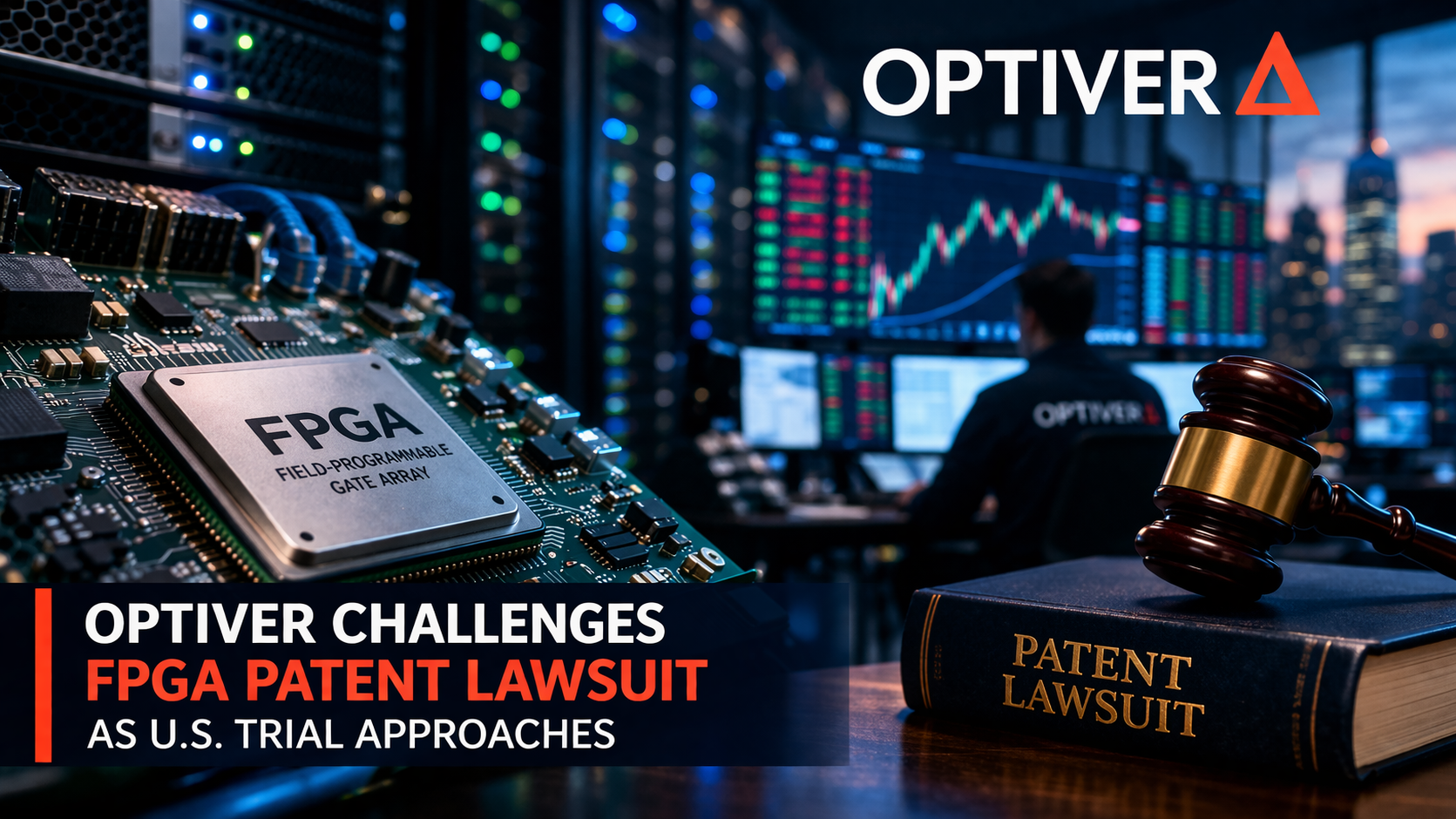
PGA hardware and high frequency trading servers showing patent dispute in financial technology
Image
Image
Image

By Global Technology & Markets Desk | April 2026

⚖️ Optiver Challenges Patent Claims in High-Stakes Dispute

Global market maker Optiver has intensified its legal fight over alleged FPGA patent infringement. The firm is now targeting a crucial aspect of the case: the language that will guide a jury during trial.

This move marks a strategic shift. Instead of focusing only on technical defenses, Optiver is attacking how the case will be interpreted in court. The dispute centers on patents related to field-programmable gate array (FPGA) technology—core infrastructure in high-frequency trading (HFT).

The stakes are massive. A single unfavorable interpretation could expose trading firms to heavy damages and future licensing burdens.

FPGA Technology: The Speed Engine of Modern Trading

FPGA chips power some of the fastest trading systems in the world. Unlike standard processors, they are programmable at the hardware level. This allows firms to execute trades in microseconds—or even nanoseconds.

Speed is everything in HFT.

Firms deploy FPGA-based systems to:

  • Reduce latency to near zero
  • Process market data instantly
  • Execute trades before competitors react

In contrast, traditional CPU-based systems introduce delays. Even tiny inefficiencies can cost millions in missed opportunities.

This is why FPGA patents are so valuable—and so fiercely contested.

🏛️ The Core of the Lawsuit

The case originates from claims by a subsidiary of Network-1 Technologies. The company alleges that Optiver used patented FPGA innovations without proper licensing.

These patents reportedly cover:

  • Clock synchronization methods
  • Latency optimization techniques
  • Efficient data processing structures

Network-1 has built a business model around acquiring and enforcing patents. It targets firms that rely on advanced technologies but may not hold licenses.

Optiver, however, strongly denies infringement.

🧠 Battle of Words vs Battle of Code

This case reveals a critical reality of modern patent litigation. It is not just about technology—it is about language.

Optiver argues that vague or overly broad jury instructions could distort the case. Technical terms, if poorly defined, may confuse jurors who lack engineering expertise.

For example:

  • What qualifies as “implementation” of a patented idea?
  • How similar must two systems be to count as infringement?
  • Does optimization equal replication?

These questions are not trivial. They can decide the outcome.

Optiver wants precise language. It aims to ensure that jurors evaluate facts—not assumptions.

🔍 Optiver vs Network-1: A Clear Contrast

FactorOptiverNetwork-1 Technologies
Core BusinessHigh-frequency tradingPatent licensing & enforcement
Technology RoleActive developer and userIP owner and monetizer
Legal StrategyTechnical defense + language precisionBroad enforcement of patent rights
Risk ExposureFinancial damages + operational changesRevenue dependent on successful claims

This contrast highlights a broader tension in the tech world.

On one side are innovators building real-time systems. On the other are entities enforcing intellectual property rights.

Both operate within legal boundaries—but their incentives differ sharply.

🏦 Why This Case Matters for the Industry

The outcome could reshape the high-frequency trading landscape.

If Network-1 succeeds:

  • More lawsuits may follow
  • Licensing costs could surge
  • Smaller trading firms may struggle to compete

If Optiver prevails:

  • Firms may gain stronger defenses against patent claims
  • Courts may demand tighter legal definitions in tech cases
  • Patent enforcement strategies could face new limits

Either way, the ripple effects will extend beyond this single case.

⚠️ Rising Pressure on Trading Firms

High-frequency trading firms already operate in a high-pressure environment. They face:

  • Tight regulatory scrutiny
  • Constant technology upgrades
  • Fierce global competition

Adding patent litigation to the mix increases uncertainty.

Firms must now balance innovation with legal risk. Investing in faster systems is no longer enough—they must also ensure compliance with complex patent landscapes.

🧩 The Bigger Debate: Innovation vs Monetization

This case feeds into a larger global debate.

Critics argue that aggressive patent enforcement slows innovation. They claim it creates barriers for companies building cutting-edge systems.

Supporters disagree. They argue that patents protect inventors and reward innovation. Without enforcement, companies could freely copy breakthroughs without consequences.

The truth likely lies somewhere in between.

The Optiver case may help define where that balance should sit.

What Comes Next

The court will first resolve disputes over jury instructions. This step is critical. It will shape how evidence is presented and interpreted.

After that, the case may proceed to trial—unless both sides reach a settlement.

A settlement remains possible. However, given the financial and strategic stakes, neither side appears ready to back down easily.

📊 Conclusion: A Defining Moment for Tech-Driven Finance

The Optiver FPGA patent dispute is more than a legal fight. It is a test of how courts handle complex, high-speed technology cases.

This battle is not just about chips or code. It is about clarity, fairness, and the future of innovation in financial markets.

In this case, precision matters. Not just in nanoseconds—but in words.

As the trial approaches, one thing is clear: the outcome will shape both legal strategy and technological progress in high-frequency trading for years to come.

USITC Launches Investigation Into Roku and Hisense Over Patent Violations

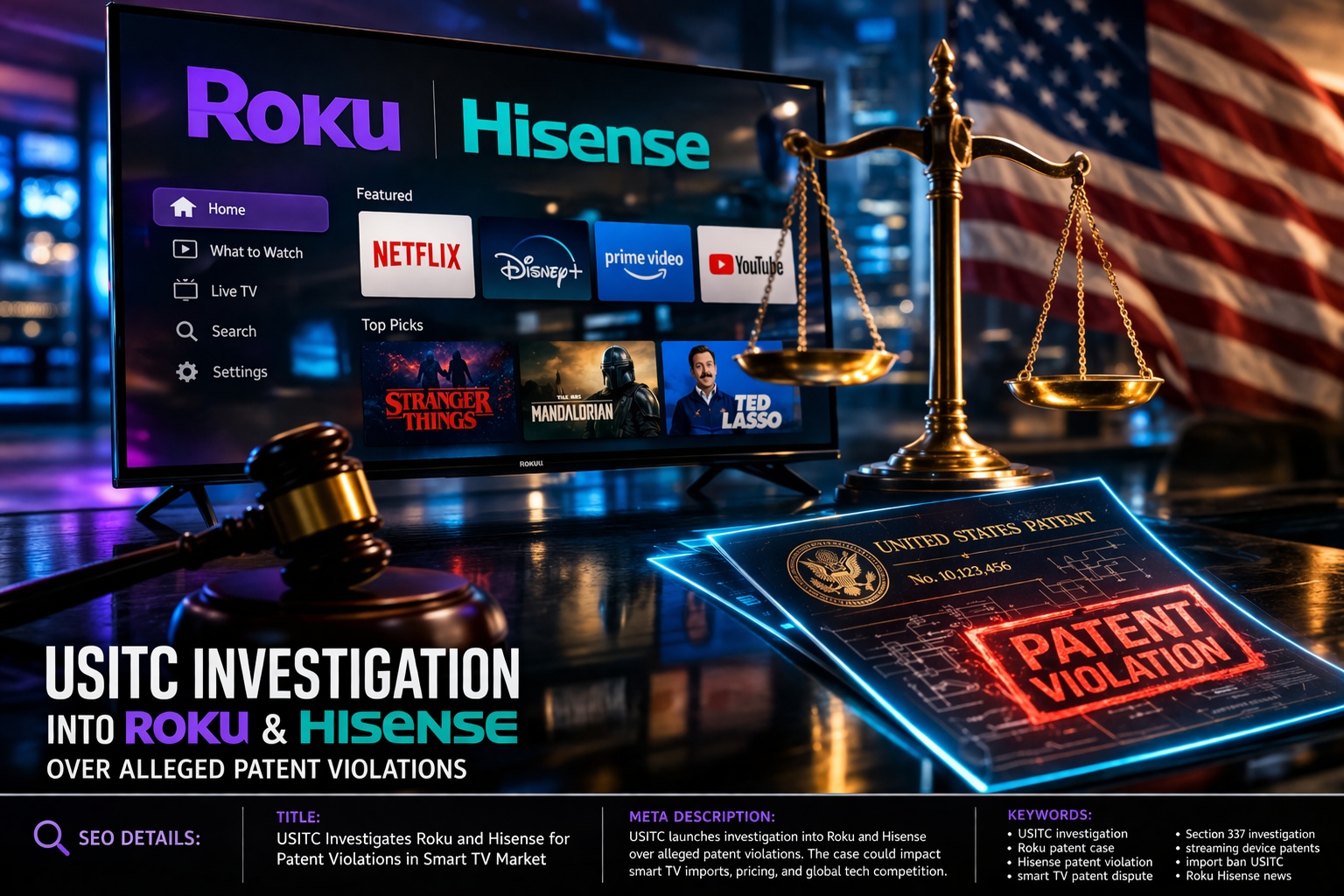
USITC investigating Roku and Hisense for alleged patent violations in smart TV technology with legal scales and streaming interface

Rising Patent Tensions Hit the Smart TV Industry

The U.S. International Trade Commission (USITC) has initiated a high-stakes investigation into alleged patent violations by Roku and Hisense. This move signals a growing wave of intellectual property disputes in the fast-evolving smart TV and streaming ecosystem.

The case could reshape competition in the global television market. It also highlights how patent battles now define technological leadership as much as innovation itself.

What Triggered the Investigation?

The USITC launched the probe after receiving a formal complaint from a patent holder alleging that Roku and Hisense unlawfully used protected technologies. These technologies reportedly relate to key streaming and display functionalities embedded in modern smart TVs.

The complainant claims that both companies integrated proprietary innovations without authorization. As a result, the complaint seeks strict remedies, including a potential import ban on infringing products entering the United States.

The USITC has accepted the complaint and will now determine whether the accused companies violated Section 337 of the Tariff Act, a law designed to prevent unfair trade practices linked to intellectual property.

Understanding Section 337 Investigations

Section 337 investigations move quickly compared to traditional court cases. The USITC focuses on whether imported goods infringe valid U.S. patents and whether such imports harm domestic industries.

If the commission finds a violation, it can impose:

  • Limited exclusion orders (blocking specific imports)
  • General exclusion orders (blocking broader product categories)
  • Cease-and-desist orders against companies already operating in the U.S.

This makes the USITC one of the most powerful forums for patent enforcement in global trade.

Roku vs Hisense: Different Roles, Shared Risk

While both companies face the same investigation, their positions in the ecosystem differ significantly.

Roku: Platform Powerhouse

Roku dominates the streaming OS market in the U.S. Its software powers millions of smart TVs and streaming devices. The company licenses its operating system to multiple TV manufacturers, including Hisense.

If the allegations prove true, Roku’s core platform business could face disruption. A ruling against Roku might force changes in its licensing model or software architecture.

Hisense: Hardware Giant

Hisense operates as a major global TV manufacturer. The company integrates Roku’s OS into many of its smart TV models.

For Hisense, the risk lies in hardware imports. An exclusion order could block shipments of its televisions into the U.S., directly impacting revenue and market share.

Why This Case Matters

This investigation goes far beyond two companies. It reflects broader tensions in the tech industry.

1. Smart TV Market Under Scrutiny

Smart TVs combine hardware, software, and content delivery. This layered structure creates multiple points for patent disputes.

2. Rising Cross-Border Conflicts

The case highlights friction between U.S. patent holders and global manufacturers, especially those based in Asia.

3. Platform vs Manufacturer Dynamics

The dispute underscores a key question: Who bears responsibility for infringement—the software provider or the hardware maker?

Potential Industry Impact

If the USITC rules against Roku and Hisense, the consequences could be severe.

Supply Chain Disruption

Retailers may face shortages of affected TV models. Import restrictions could tighten supply during peak demand seasons.

Increased Costs

Companies may need to pay licensing fees or redesign products. These costs often pass on to consumers.

Competitive Shift

Rivals could gain market share if Roku-powered TVs face restrictions. Competitors using alternative operating systems may benefit.

Legal and Strategic Responses

Both Roku and Hisense are expected to mount strong defenses. Typical strategies include:

  • Challenging patent validity
  • Arguing non-infringement
  • Negotiating licensing agreements

In many USITC cases, companies settle before a final ruling. However, high-stakes disputes like this often proceed through full litigation due to their strategic importance.

Timeline and Next Steps

USITC investigations usually conclude within 12 to 18 months. The process includes:

  1. Initial review and evidence gathering
  2. Administrative law judge (ALJ) hearing
  3. Preliminary determination
  4. Final commission decision

If the USITC issues an exclusion order, the U.S. President has a limited window to veto it, though such vetoes are rare.

A Growing Trend in Tech Patent Wars

This case adds to a surge in patent disputes involving connected devices. As products become more integrated, the risk of overlapping intellectual property increases.

Companies now use patents not just for protection but as strategic weapons. They leverage litigation to secure licensing revenue, block competitors, and strengthen market position.

Conclusion

The USITC investigation into Roku and Hisense marks another critical chapter in the global patent landscape. The outcome could reshape the smart TV market, disrupt supply chains, and redefine accountability in technology ecosystems.

As the case unfolds, industry players, investors, and policymakers will watch closely. The decision will not only determine liability but also set a precedent for future disputes in an increasingly interconnected digital world.

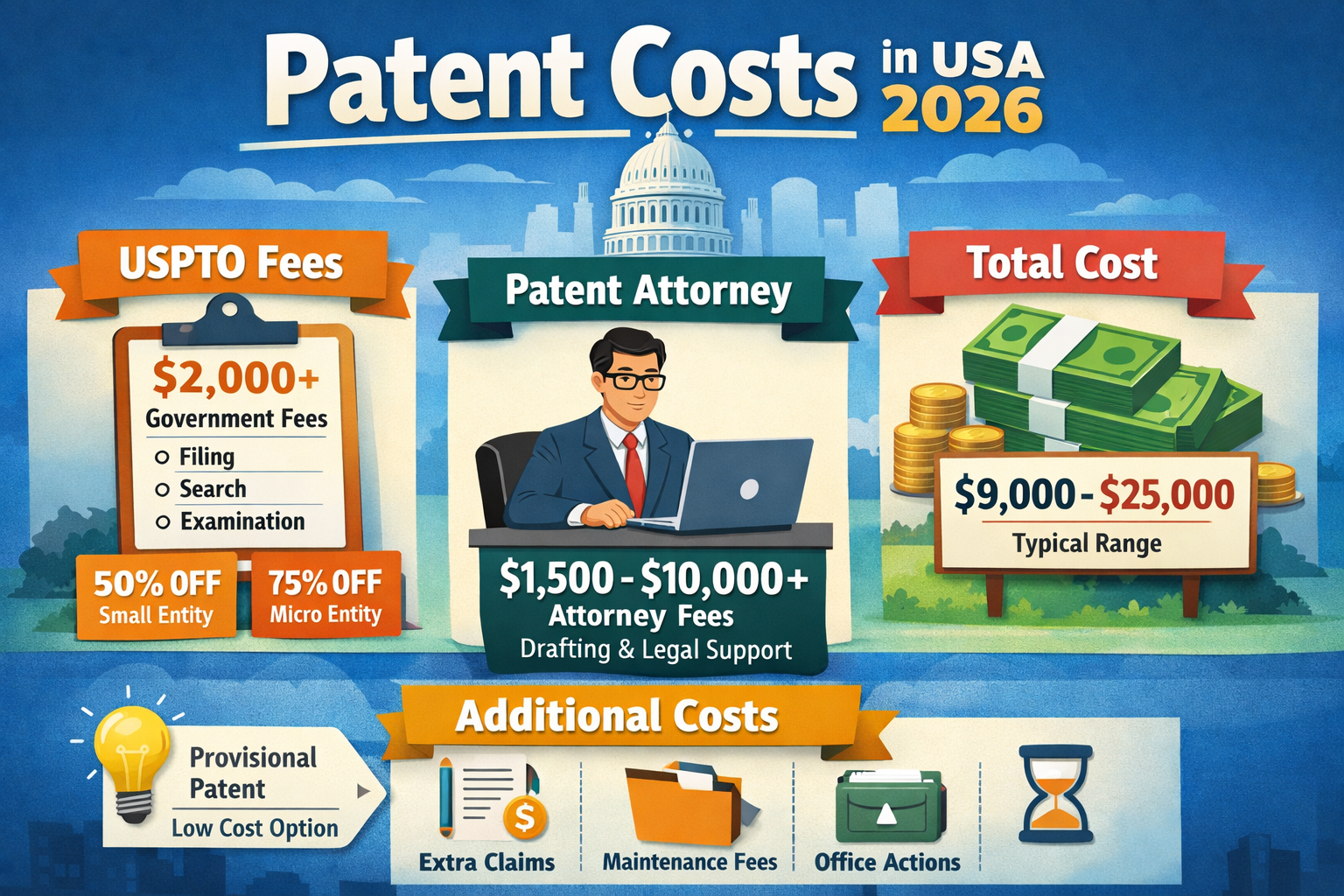
How Much Does a Patent Cost in the US? (2026 Complete Breakdown)

Detailed chart showing patent cost breakdown in the US including USPTO fees and attorney charges in 2026

The cost of securing a patent in the United States remains one of the most searched and misunderstood topics among innovators, startups, and businesses. With updated fee structures continuing into 2026 under the U.S. Patent and Trademark Office (USPTO), applicants now face a more structured—but slightly more expensive—system.

This detailed report answers the most critical questions:

  • How much does a patent cost in the US?
  • What are USPTO filing fees in 2026?
  • How much do patent attorneys charge?
  • What is the cheapest way to file a patent?
  • What is the full patent cost breakdown?

The Big Picture: Total Patent Cost in the US

A typical U.S. patent now costs:

  • $9,000 to $25,000 (total) for most utility patents

This includes:

  • Government (USPTO) fees
  • Attorney or drafting fees
  • Additional costs during examination

The wide range depends on complexity, legal support, and strategy.

USPTO Filing Fees 2026 (Official Government Costs)

The USPTO fee structure updated in early 2025 continues to apply in 2026, with most charges reflecting a 7.5% to 10% increase compared to earlier years.

1. Utility Patent (Non-Provisional) Fees

Core filing costs (2026):

  • Filing fee: about $350 (large entity)
  • Search fee: about $700
  • Examination fee: about $800–$880

👉 Total basic USPTO fees: ~$2,000 (large entity)

Discounts apply:

  • Small entity: ~50% reduction
  • Micro entity: ~75% reduction

2. Provisional Patent Application (Low-Cost Entry)

  • Filing fee: $65 to $325 depending on entity

This provides temporary 12-month protection, allowing inventors to delay higher costs.

3. Additional USPTO Costs

Applicants often overlook these:

  • Extra claims fees: $100+ per claim
  • Information Disclosure Statement (IDS) fees: up to $800
  • Non-electronic filing penalty: up to $400

These “hidden costs” can significantly increase total expenses.

Cost of Hiring a Patent Attorney

Legal expertise remains the largest cost component.

Typical Attorney Fees (2026):

  • Basic patent drafting: $1,500 to $5,000
  • Provisional patent drafting: ~$2,000
  • Complex inventions: can exceed $10,000+

Why Attorneys Matter

Patent law is highly technical. A poorly drafted application can:

  • Get rejected
  • Offer weak protection
  • Become legally unenforceable

A low-cost filing without proper expertise can lead to long-term losses.

Patent Cost Breakdown USA (Step-by-Step)

Here is a realistic 2026 cost structure:

1. Idea Protection Stage

  • Provisional patent: $100 – $2,500

2. Full Patent Filing

  • USPTO fees: $400 – $2,000
  • Attorney drafting: $3,000 – $10,000

3. Examination Phase

  • Office action responses: $1,000 – $3,000 (each)

4. Grant & Issue Fees

  • Issuance costs: several hundred to $1,000+

5. Maintenance Fees (Over 20 Years)

Paid at:

  • 3.5 years
  • 7.5 years
  • 11.5 years

Total maintenance can exceed $10,000+ over the patent life.

Cheapest Way to File a Patent

Inventors seeking affordability in 2026 can consider:

1. File as a Micro Entity

  • Reduces USPTO fees by up to 75%

2. Start with a Provisional Patent

  • Low upfront cost
  • Provides 12 months to refine invention

3. DIY Filing (With Caution)

  • Lowest cost option
  • Higher risk of rejection or weak claims

4. Use Patent Agents

  • More affordable than full-service attorneys

👉 However, aggressive cost-cutting can compromise patent strength.

Key Trends in 2026 Patent Costs

1. Fee Stabilization After Increase

The major USPTO fee hike introduced earlier continues to shape 2026 costs.

2. Rising Complexity

Additional procedural fees increase the overall financial burden.

3. Strategic Filing is Essential

Smart planning can reduce total expenses significantly.

Comparative Snapshot: Then vs Now

CategoryPre-20252026
Basic USPTO fees~$1,820~$2,000
Fee increase~10% rise
Total patent cost$8K–$20K$9K–$25K

DJI Enters 360-Degree Drone Race Amid High-Stakes Patent Clash With Insta360

DJI Avata 360 drone capturing immersive 8K aerial footage with dual lens system

A New Era of Aerial Imaging Begins

Image
Image
Image
Image
Image

In a bold and strategic move, DJI has unveiled its first-ever 360-degree drone, signaling a dramatic shift in the consumer drone landscape. The launch places DJI in direct competition with Insta360, a fast-rising rival that pioneered the 360-degree drone segment.

The announcement arrives at a critical moment. Both companies are now locked in an escalating patent dispute. This collision of innovation and litigation sets the stage for one of the most intense rivalries in the drone industry.

The Product: DJI’s Ambitious Leap Into 360-Degree Flight

DJI’s newly launched Avata 360 represents a significant technological leap. The company, long known for dominating traditional drone markets, now aims to redefine immersive aerial imaging.

The Avata 360 features a dual-lens system capable of capturing fully spherical video. It delivers ultra-high-definition footage, offering up to 8K resolution. This enables users to reframe shots after capture, a key advantage in modern content creation.

The drone also integrates DJI’s signature flight stability and obstacle detection systems. It supports both FPV (first-person view) flying and standard stabilized flight modes. This hybrid functionality expands its appeal across beginners and professionals.

The product signals DJI’s intent to lead—not follow—in the next generation of aerial imaging.

Insta360’s First-Mover Advantage

Image
Image
Image
Image
Image
Image

Before DJI entered the segment, Insta360 had already made a decisive move. Its Antigravity A1, launched earlier, marked the world’s first dedicated 8K 360-degree drone.

Insta360 built its reputation on compact 360 cameras. It translated that expertise into aerial platforms with speed and precision. The A1 emphasizes portability, immersive capture, and intuitive editing tools.

This early entry gave Insta360 a crucial edge. It defined user expectations. It shaped the market narrative. And it forced DJI to respond.

Feature Showdown: Power vs Agility

The competition between DJI and Insta360 now hinges on performance, usability, and ecosystem strength.

DJI Avata 360 focuses on power and versatility:

  • Higher frame rates for smoother footage
  • Advanced obstacle sensing for safer flights
  • Long-range transmission capabilities
  • Dual-mode operation (FPV + stabilized flight)

Insta360 A1 prioritizes agility and innovation:

  • Lightweight, portable design
  • Seamless 360 content workflow
  • Strong integration with editing software
  • First-mover advantage in immersive storytelling

This contrast defines the rivalry. DJI leverages engineering dominance. Insta360 bets on creative freedom and speed.

Patent War Intensifies

At the heart of this competition lies a serious legal battle.
DJI has filed multiple patent infringement claims against Insta360. The dispute involves at least six patents. These reportedly cover flight control systems, imaging technologies, and drone architecture.

DJI alleges that some innovations used by Insta360 originated within its own research ecosystem. It has also suggested links to former employees who joined the rival firm.

Insta360 has strongly denied these allegations. The company claims it holds independent intellectual property rights. It has even hinted at possible counterclaims.

This legal clash could reshape the competitive landscape. Court decisions or settlements may influence product design, licensing, and market access.

Strategic Stakes: More Than Just Drones

This is not just a product battle. It is a strategic inflection point for the industry.

DJI currently dominates the global consumer drone market. Its market share remains unmatched. However, emerging categories like 360-degree drones open new fronts where incumbents face disruption.

Insta360 represents that disruption. It moves fast. It experiments boldly. And it targets niche segments before they go mainstream.

The outcome of this rivalry could determine:

  • Who defines the future of immersive aerial content
  • How intellectual property shapes innovation cycles
  • Which company captures the next wave of creators

Industry Impact: A New Category Takes Flight

Image
Image
Image
Image
Image
Image

The emergence of 360-degree drones signals a broader transformation.

Content creators now demand more flexibility. They want to shoot once and decide framing later. They want immersive footage for VR, AR, and interactive media.

360 drones meet these needs. They combine capture and creativity into a single workflow.

This trend could accelerate adoption across industries:

  • Film and media production
  • Travel and tourism marketing
  • Real estate visualization
  • Virtual reality experiences

As competition intensifies, innovation will likely accelerate. Prices may fall. Features will expand. And the category will mature rapidly.

The Road Ahead

DJI’s entry into the 360-degree drone segment marks a turning point. It challenges Insta360’s early lead. It raises the stakes across technology, law, and market strategy.

The patent dispute adds uncertainty. It could slow momentum—or trigger new licensing frameworks that benefit both players.

One thing remains clear. The battle between DJI and Insta360 will shape the next chapter of drone innovation.

In this high-altitude contest, the winners will not just capture images. They will capture the future of immersive storytelling.

Catalyst Pharma Patent Trial Delay Extends High-Stakes Battle With Hetero USA

Catalyst Pharmaceuticals vs Hetero USA patent trial delay highlighting FIRDAPSE drug dispute and generic competition in US pharma market

A U.S. federal court has postponed a critical patent trial between Catalyst Pharmaceuticals and Hetero USA Inc., delaying a closely watched legal fight that could reshape competition in the rare disease drug market.

The bench trial, initially set for March 23, 2026, will now begin on May 18, 2026. The delay extends uncertainty for investors, patients, and generic drug manufacturers who are tracking the case’s outcome.

A Legal Battle With High Commercial Stakes

At the center of the dispute is FIRDAPSE, Catalyst’s flagship therapy used to treat Lambert-Eaton myasthenic syndrome (LEMS), a rare neuromuscular disorder. The drug represents a major portion of Catalyst’s revenue and strategic focus.

Catalyst claims that several patents protecting FIRDAPSE remain valid and enforceable. These patents are listed in the FDA’s Orange Book and are scheduled to expire between 2032 and 2037.

Hetero USA, a generic drug manufacturer, is challenging those patents. The company aims to launch a lower-cost version of the drug before those expiration dates.

This sets up a classic pharmaceutical conflict: innovation protection versus affordable access.

What the Delay Means

The court’s decision to postpone the trial does not alter the substance of the case. However, it has immediate and long-term implications.

Immediate impact

  • Extends legal uncertainty
  • Delays potential market entry for generics
  • Keeps pricing power in Catalyst’s hands for now

Long-term impact

  • Shifts investor timelines
  • Affects strategic planning for both companies
  • Prolongs regulatory and commercial ambiguity

In simple terms, the delay buys time—but not clarity.

Catalyst vs Hetero: A Clear Contrast

Catalyst’s Position: Defend Innovation

Catalyst Pharmaceuticals argues that its patents reflect years of research, clinical investment, and regulatory work.

The company wants to:

  • Protect exclusivity for FIRDAPSE
  • Maintain premium pricing
  • Secure long-term revenue stability

Catalyst has already settled similar disputes with other generic players, including major firms such as Teva Pharmaceutical Industries and Lupin Limited.

Those settlements strengthened Catalyst’s legal position. Now, Hetero remains one of the last major challengers.

Hetero’s Position: Open the Market

Hetero USA Inc. is pushing for early market entry.

The company aims to:

  • Invalidate or bypass patents
  • Launch a generic alternative
  • Capture market share with lower pricing

Generic entry typically leads to:

  • Price reductions of 30% to 80%
  • Wider patient access
  • Increased competition

For Hetero, the case represents a strategic opportunity to break into a niche but profitable market.

Why This Case Matters for the Industry

This is not just a company-level dispute. It reflects a broader shift in the pharmaceutical sector.

1. Rising Patent Challenges

Across the industry, generic companies are increasingly aggressive. They challenge patents earlier and more often. This trend intensifies as blockbuster and niche drug patents approach expiration.

The Catalyst-Hetero case fits squarely into this pattern.

2. Pressure on Rare Disease Drugs

Rare disease treatments often enjoy:

  • Smaller patient populations
  • Higher prices
  • Longer exclusivity periods

But these advantages are now under pressure. Governments, insurers, and patients demand more affordable options.

If Hetero succeeds, it could signal a shift:

  • Even niche drugs may face earlier competition
  • Patent defenses may become harder to sustain

3. Financial Stakes

For Catalyst, the outcome is critical.

If Catalyst wins:

  • It retains market exclusivity until at least 2032
  • Revenue streams remain strong
  • Investor confidence improves

If Hetero wins:

  • Generic competition could arrive years earlier
  • Prices could drop sharply
  • Revenue could decline significantly

This binary outcome explains why the case attracts intense attention.

Market Reaction and Investor Sentiment

The delay introduces a new variable into Catalyst’s outlook.

Investors now face:

  • A longer wait for legal resolution
  • Continued uncertainty over future earnings
  • Increased sensitivity to legal updates

However, Catalyst still benefits from:

  • Strong recent financial performance
  • A focused rare disease portfolio
  • Limited direct competition—for now

Market analysts suggest that while the delay is not negative, it extends risk exposure.

The Broader Legal Landscape

Patent litigation remains a cornerstone of the pharmaceutical business model. Companies rely on patents to recover research investments. Generic firms rely on legal challenges to create competition.

This tension drives innovation—but also fuels constant litigation.

In recent years:

  • Courts have shown mixed outcomes in patent disputes
  • Some patents have been upheld strongly
  • Others have been invalidated earlier than expected

This unpredictability makes every case significant.

The Catalyst-Hetero dispute is no exception.

What Happens Next

With the new trial date set for May 18, 2026, both sides will continue preparing their arguments.

Key issues likely to dominate the trial include:

  • Patent validity
  • Scope of protection
  • Scientific and regulatory evidence

The court’s decision will ultimately determine:

  • Whether Hetero can launch a generic version
  • How long Catalyst retains exclusivity
  • The future pricing of FIRDAPSE

A Defining Moment for a Niche Market

The delay may seem procedural. But its implications run deep.

This case will:

  • Shape competitive dynamics in a rare disease segment
  • Influence future patent challenges
  • Impact patient access and drug affordability

For now, the balance of power remains with Catalyst. But the clock is ticking.

Conclusion

The postponed trial between Catalyst Pharmaceuticals and Hetero USA Inc. underscores a fundamental truth in the pharmaceutical industry: patents define power.

Catalyst seeks to defend its innovation and revenue. Hetero aims to disrupt and democratize access. The court will decide which vision prevails.

FTC Tightens Grip on Big Pharma as Patent Cliff Looms: Mergers, Market Power Under Scrutiny

C scrutiny on pharmaceutical companies as drug patents expire and generic competition rises

The Federal Trade Commission has stepped up its oversight of the pharmaceutical industry as a wave of high-value drug patents approaches expiration. The move signals a decisive shift in regulatory strategy. It aims to prevent anti-competitive behavior at a time when billions of dollars in drug revenues are at stake.

As blockbuster medicines lose exclusivity, the stakes are rising fast. Generic competition is set to surge. Prices could fall sharply. But regulators fear that large pharmaceutical companies may attempt to delay or weaken this transition through strategic mergers, acquisitions, and patent tactics.

Patent Expiration Wave Sparks Urgency

The global pharmaceutical industry is heading toward a major “patent cliff.” Several top-selling drugs will lose protection over the next few years. These include treatments for cancer, diabetes, and autoimmune diseases.

Once patents expire, generic manufacturers can enter the market. This typically leads to dramatic price reductions—often by as much as 80 percent. For consumers, this is good news. For originator companies, it signals a sharp drop in revenue.

The FTC sees this moment as critical. It wants to ensure that competition unfolds fairly and quickly. Officials have made it clear: they will not tolerate tactics that block or delay generic entry.

Stronger Scrutiny of Mergers and Acquisitions

At the center of the FTC’s strategy lies a tougher stance on mergers and acquisitions.

In the past, large pharmaceutical firms often acquired smaller biotech companies to strengthen their pipelines. These deals helped replace revenue lost after patent expiry. However, regulators now worry that such consolidation may reduce competition before it even begins.

The FTC is now:

  • Reviewing deals more aggressively
  • Examining early-stage pipeline overlaps
  • Challenging acquisitions that may limit future competition

This marks a shift from earlier practices. Previously, regulators focused mainly on marketed drugs. Now, they are looking deeper—into research pipelines and future products.

The message is clear. Companies cannot simply buy their way out of the patent cliff.

Then vs Now: A Clear Regulatory Shift

Earlier Approach:

  • Focus on existing products
  • Limited scrutiny of early-stage drugs
  • Faster approvals of pharma mergers

Current Approach:

  • Deep analysis of pipeline competition
  • Close monitoring of post-merger market impact
  • Increased willingness to block or unwind deals

This comparative shift reflects a broader change in U.S. antitrust enforcement. Authorities are becoming more proactive. They aim to stop problems before they harm the market.

Crackdown on Anti-Competitive Tactics

The FTC is not only targeting mergers. It is also focusing on business practices that can delay generic competition.

Key areas of concern include:

1. Patent Evergreening

Companies sometimes file multiple secondary patents to extend exclusivity. These may cover minor changes in formulation or delivery. While legal in some cases, regulators argue that such tactics can be abused.

2. “Pay-for-Delay” Agreements

In these deals, brand-name companies pay generic firms to delay market entry. The FTC has long opposed such arrangements. It considers them harmful to consumers.

3. Improper Patent Listings

Some firms list questionable patents in regulatory databases. This can create legal hurdles for generic challengers. The FTC has already pushed for the removal of such listings.

By targeting these strategies, the agency aims to accelerate access to affordable medicines.

Impact on Drug Prices and Consumers

The outcome of this regulatory push could reshape drug pricing in the United States.

When generics enter the market:

  • Prices typically drop sharply
  • Competition increases supply
  • Healthcare costs decline

For patients, this could mean greater access to life-saving treatments. For insurers and governments, it could ease financial pressure.

However, the transition is not automatic. Without strong oversight, dominant firms could slow down competition. This is exactly what the FTC wants to prevent.

Industry Pushback and Concerns

Pharmaceutical companies argue that strict regulation could harm innovation.

They claim that:

  • High profits fund research and development
  • Mergers help scale innovation
  • Patent protections reward scientific breakthroughs

Industry leaders warn that excessive scrutiny may discourage investment in risky drug development. They also argue that not all patent extensions are abusive. Some reflect genuine improvements in therapy.

This creates a complex balancing act for regulators.

Balancing Innovation vs Competition

The FTC faces a dual challenge. It must protect competition without undermining innovation.

Competition Focus:

  • Faster generic entry
  • Lower drug prices
  • Reduced market concentration

Innovation Focus:

  • Sustained R&D investment
  • Incentives for breakthrough drugs
  • Support for biotech startups

Striking the right balance is critical. Too much regulation could slow innovation. Too little could keep prices high.

Global Ripple Effects

The FTC’s actions could influence regulatory approaches worldwide.

Authorities in regions like:

  • European Union
  • India

are also tightening scrutiny of pharmaceutical practices. Issues such as patent evergreening and market dominance are global concerns.

In India, for example, courts and regulators have already taken a strong stance against unjustified patent extensions. The U.S. move may reinforce similar trends globally.

A Turning Point for Big Pharma

The coming years will define how the pharmaceutical industry adapts to this new environment.

Companies must now:

  • Rethink acquisition strategies
  • Strengthen compliance frameworks
  • Focus on genuine innovation

Regulators, meanwhile, will continue to expand their oversight toolkit.

This is not a temporary shift. It marks the beginning of a more assertive regulatory era.

Conclusion

The FTC’s intensified oversight comes at a pivotal moment for the pharmaceutical industry. As major patents expire, the transition to generic competition will reshape markets, pricing, and access to medicines.

By tightening control over mergers, acquisitions, and patent strategies, the FTC aims to ensure that this transition benefits consumers—not just corporations.

The battle lines are now clear. On one side stands the push for affordable healthcare. On the other stands the need to sustain innovation.

How this balance unfolds will determine the future of global pharma—and the cost of medicine for millions.

China Leads Global Anti-Drone Patent Race, Outpacing US and South Korea

Anti-drone defense systems intercepting UAVs with lasers and electronic jamming technology

China has seized a commanding lead in the global race to develop anti-drone technologies. A new study by UK-based IP law firm Mathys & Squire reveals a stark gap between China and its closest competitors, the United States and South Korea. The findings expose a fast-evolving battleground where innovation, security, and geopolitical strategy collide.

China’s Dominance in Numbers

China stands far ahead in anti-drone patent filings. The country has filed 82 patents, compared to 22 by the United States and just 6 by South Korea, according to the study. Out of a global total of 126 filings, China controls nearly two-thirds.

This numerical dominance sends a clear signal. China is not just participating in the anti-drone race. It is setting the pace.

The surge reflects Beijing’s long-term strategy to dominate emerging technologies. It also highlights how seriously China views drone-related threats, both in military and civilian contexts.

A Rapidly Expanding Threat Landscape

Drone technology has advanced at breakneck speed. Cheap, agile, and easy to deploy, drones have transformed modern warfare and security planning.

Conflicts such as the war in Ukraine have demonstrated how drones can disrupt traditional military systems. Armed drones now strike targets with precision. Surveillance drones gather real-time intelligence. Even low-cost commercial drones can cause major disruptions.

Governments across the world are responding with urgency. Anti-drone systems have become essential tools for national defense and public safety.

The data reflects this urgency. Global anti-drone patent filings rose by 27 percent year-on-year, signaling intense innovation and competition.

Technology Focus: Smarter, Faster, Cheaper

The new wave of anti-drone technologies focuses on efficiency and precision. Developers are moving away from expensive missile-based systems. Instead, they are building smarter and more scalable solutions.

The most common technologies include:

  • Electronic jamming systems that disrupt drone communication signals
  • Laser-based weapons that disable drones mid-air
  • High-powered microwave systems that fry onboard electronics

These solutions offer key advantages. They reduce operational costs. They minimize collateral damage. And they allow rapid response to multiple threats at once.

China’s patent filings show strong activity in all three areas. This broad coverage gives it a strategic edge.

Why China Is Winning the Patent Race

Several factors explain China’s dominance.

First, the government actively encourages patent filings. Companies receive financial incentives and policy support. This creates a strong motivation to innovate and protect intellectual property.

Second, China has invested heavily in research and development. Universities, state-backed labs, and private firms work in close coordination. This ecosystem accelerates the pace of innovation.

Third, China has spent over a decade building its intellectual property infrastructure. Patent filings have become a key performance metric for companies and institutions.

Together, these factors create a powerful innovation engine.

The US and South Korea: Strategic but Selective

The United States ranks second, but with a much smaller share. Experts caution against underestimating American capabilities.

The US often avoids patenting sensitive defense technologies. Many advanced systems remain classified. This limits public visibility but preserves strategic advantage.

South Korea, though far behind in numbers, continues to invest in niche capabilities. Its focus remains targeted rather than broad-based.

This contrast highlights a key divide. China prioritizes volume and visibility. The US prioritizes secrecy and operational superiority.

Quantity vs Quality Debate

The surge in Chinese patents raises an important question. Does quantity equal technological leadership?

The answer is not straightforward.

Patent filings indicate research activity and strategic intent. They do not guarantee real-world performance. Many patents may never translate into deployable systems.

On the other hand, classified programs in countries like the United States may produce highly advanced technologies that never appear in public databases.

Experts stress the need for caution. Patent leadership does not automatically mean battlefield dominance.

Expanding Civilian Applications

Anti-drone technologies are no longer limited to military use. Civilian demand is rising fast.

Airports deploy anti-drone systems to prevent disruptions. Unauthorized drones can halt flights and endanger passengers.

Prisons use these systems to stop contraband deliveries. Criminal networks increasingly rely on drones to bypass security.

Energy facilities, government buildings, and large public events also face growing risks.

China’s patent strategy reflects this broader market. Many filings focus on scalable, cost-effective solutions suitable for civilian use.

This dual-use approach strengthens China’s commercial and strategic position.

A Global Race with Strategic Stakes

The anti-drone sector is becoming a critical frontier in global security. Countries are racing to secure technological advantage.

China’s lead in patents gives it early momentum. It also positions Chinese companies to dominate future markets.

However, the competition remains open. The United States, Europe, and other players continue to invest heavily in advanced systems.

Allies are also increasing collaboration. Joint research programs and defense partnerships are likely to shape the next phase of innovation.

The Road Ahead

The future of anti-drone technology will depend on several factors:

  • Integration with existing defense systems
  • Real-world performance and reliability
  • Cost and scalability
  • Regulatory frameworks and export controls

Countries that balance innovation with deployment will gain the upper hand.

China has taken a strong lead in filings. But the final outcome will depend on execution.

Conclusion

China’s dominance in anti-drone patents marks a significant shift in the global technology landscape. It reflects a clear strategy, strong policy backing, and rapid innovation.

Yet the race is far from over.

The United States and its allies retain deep technological expertise. Their focus on classified systems may conceal significant capabilities.

As drone threats continue to evolve, the demand for effective countermeasures will only grow. The competition will intensify. And the stakes will rise.

In this high-stakes race, patents are just the beginning. Real power will lie in systems that work—reliably, efficiently, and at scale.