
Meta’s AI Patent Could Keep You Posting After Death

Concept illustration of Meta AI digital afterlife system simulating a deceased user’s social media activity

A newly granted patent to Meta Platforms has ignited a fierce global debate. The filing outlines an artificial intelligence system capable of simulating a person’s social media presence—even after death. Critics call it unsettling. Supporters call it visionary.

At the center of the controversy lies a simple but explosive idea: what if your digital self never stops posting?

The Patent: An AI That Never Logs Off

The patent, approved by the United States Patent and Trademark Office, describes an AI system trained on a user’s historical social media data. The system would analyze posts, comments, reactions, private messages, photos, and interaction patterns. It would then generate new content that mirrors the user’s tone, style, and behavior.

In plain terms, the AI could post updates. It could reply to friends. It could continue conversations. It could maintain an online presence indefinitely.

The filing states that the system could activate if a user becomes inactive for an extended period—or dies. Instead of freezing an account in time, the AI would simulate continuity.

Meta has clarified that it has no immediate plans to deploy such a system. Companies often patent concepts to protect intellectual property. Still, the scope of this filing goes far beyond routine technical innovation. It touches memory, grief, identity, and ethics.

How It Would Work: Data Becomes Personality

The patent details a large language model trained on user-generated content. The system would map linguistic patterns, common phrases, emotional tone, humor style, and social dynamics. It could learn how someone congratulates friends. How they debate politics. How they celebrate milestones.

It could even extend to voice and video synthesis. If paired with generative audio or visual tools, the AI might replicate speech patterns or facial expressions based on past uploads.

Meta already holds vast datasets through platforms like Facebook and Instagram. The patent suggests these archives could serve as the raw material for digital simulation.

The result? A system that behaves like you. Speaks like you. Reacts like you.

But it is not you.

Static Memorials vs. Active Avatars

Today, social media platforms offer memorialization options. When someone dies, their account can be locked. Friends can leave tributes. The profile becomes a digital gravestone.

Meta’s patent outlines a sharp departure from that model.

Current system:

  • Account freezes.
  • No new posts.
  • Friends remember the past.

Proposed AI system:

  • Account remains active.
  • New posts appear.
  • Conversations continue.

The difference is profound. A memorial page preserves history. An AI replica creates ongoing presence.

For some, that distinction crosses an emotional line.

Ethical Firestorm: Who Owns Your Digital Ghost?

The patent raises urgent questions.

Who gives consent for an AI replica? The user before death? The family after? What if relatives disagree? What if a person never opted in?

Digital identity laws remain fragmented. Most jurisdictions lack clear rules about posthumous data rights. Platforms manage policies internally. Governments lag behind technological capability.

Critics warn of exploitation. A digital avatar could keep engagement metrics alive. It could maintain advertising impressions. It could sustain network activity.

Skeptics argue that grief should not become a growth strategy.

Others see a slippery slope. If AI continues posting as deceased users, how will people distinguish authentic presence from simulation? Could this blur trust in online interactions?

The Emotional Impact: Comfort or Psychological Harm?

Grief technology is not new. Several startups already offer AI chatbots trained on deceased loved ones’ text messages. Some users report comfort. They feel less alone. They experience closure.

Others report emotional confusion. The AI feels real. Yet it is algorithmic. It creates a liminal space between memory and illusion.

Meta’s scale changes the equation. Billions of users generate digital footprints daily. An AI “afterlife” feature on a major platform would not be niche. It would be mainstream.

Psychologists warn that continuous AI interaction may complicate mourning. Grief often involves accepting finality. An always-responding digital persona could delay that acceptance.

At the same time, advocates argue that humans already use memory objects—photos, letters, videos—to maintain connection. An AI model, they say, is a technological extension of that impulse.

The divide is philosophical as much as technical.

Commercial Incentive vs. Human Sensitivity

Every social media platform depends on engagement. Active users drive value. Inactive accounts do not.

An AI system that keeps accounts active could preserve network density. It could prevent digital decay. It could maintain relational graphs across generations.

From a business standpoint, the concept is powerful.

From a human standpoint, it is complicated.

Meta insists the patent does not signal a product launch. The company has stated publicly that many patented ideas never reach deployment. That statement provides temporary reassurance.

Yet the filing shows that the company is exploring the boundaries of digital continuity.

Exploration alone triggers public scrutiny.

Legal Gaps and Regulatory Pressure

Governments worldwide are racing to regulate AI. Data privacy laws such as GDPR in Europe address user consent. However, most frameworks focus on living individuals.

Posthumous data rights remain ambiguous. Does data protection expire at death? Should it? Who inherits digital personality?

If companies build AI replicas, regulators may need to define strict opt-in rules. Transparent disclosures would be critical. Users would need clear controls to decide the fate of their data.

Without safeguards, the technology could erode trust.

Lawmakers will likely examine this patent as part of broader AI governance debates.

The Cultural Question: What Does It Mean to “Exist” Online?

The patent forces society to confront a deeper issue. Online life already shapes identity. Profiles, timelines, and stories form curated narratives of the self.

If AI can extend that narrative autonomously, what defines authenticity?

A biological human stops speaking at death. A digital model could continue indefinitely.

Some futurists frame this as legacy preservation. Others call it simulation masquerading as survival.

The difference matters.

The internet has long struggled with misinformation and bots. An AI system that convincingly imitates real individuals intensifies those challenges. Clear labeling would be essential. Transparency would be non-negotiable.

What Happens Next?

For now, nothing changes for users. No new feature has launched. No digital avatars are posting from beyond the grave.

But the patent reveals direction. It shows that major tech companies are thinking beyond traditional memorialization. They are exploring AI as continuity infrastructure.

Public reaction will shape the outcome. If backlash grows, companies may retreat. If demand emerges, they may accelerate development.

History shows that controversial ideas often evolve quietly before entering mainstream life. Social media itself once seemed radical. Now it is routine.

Whether AI-driven digital afterlife follows that path remains uncertain.

The Bottom Line

Meta’s patent introduces a bold and unsettling possibility. An AI could replicate your online personality. It could maintain your presence. It could blur the boundary between memory and simulation.

The company says it has no plans to build it. That may be true today.

But the patent exists. The technology is feasible. The data already resides on servers.

The debate now moves beyond engineering. It enters ethics, law, psychology, and culture.

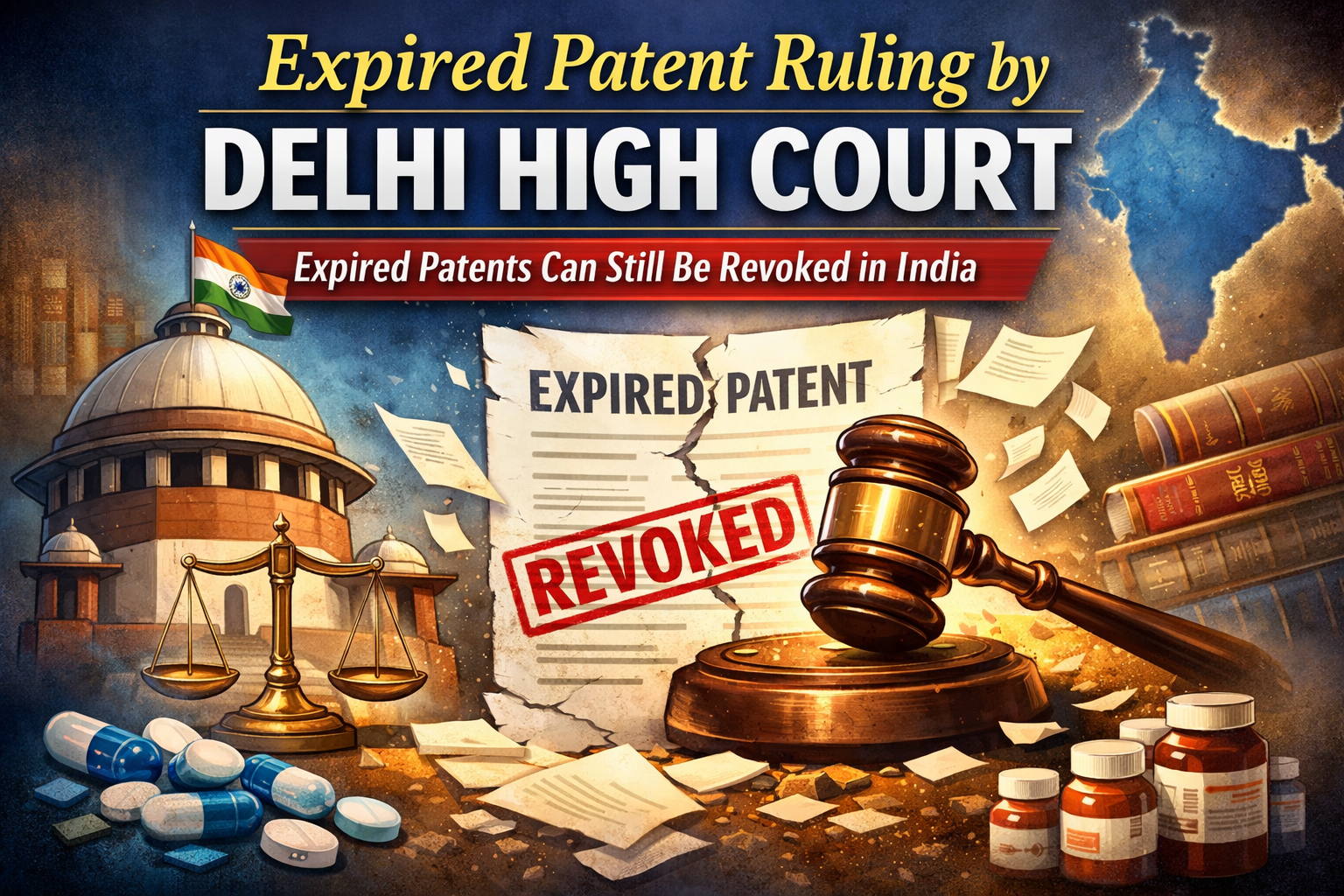
Indian Patent 323440 Revoked by CGPDTM in Adiuvo Case

CGPDTM office revokes Indian Patent 323440 in Adiuvo Diagnostics case
Image
Image

India’s patent authority has delivered a decisive blow in a high-stakes medical technology dispute. The Office of the Controller General of Patents, Designs and Trade Marks (CGPDTM) has revoked Indian Patent No. 323440, a patent previously granted to Adiuvo Diagnostics Private Ltd..

The revocation follows a post-grant opposition filed by MolecuLight Corp., a global developer of fluorescence imaging devices. The ruling invalidates all claims of the patent, citing lack of novelty and prior art disclosures.

The decision reshapes the competitive landscape in pathogen detection and fluorescence imaging technologies in India. It also reinforces the power of India’s post-grant opposition system as a corrective legal tool.

The Patent at the Center of the Dispute

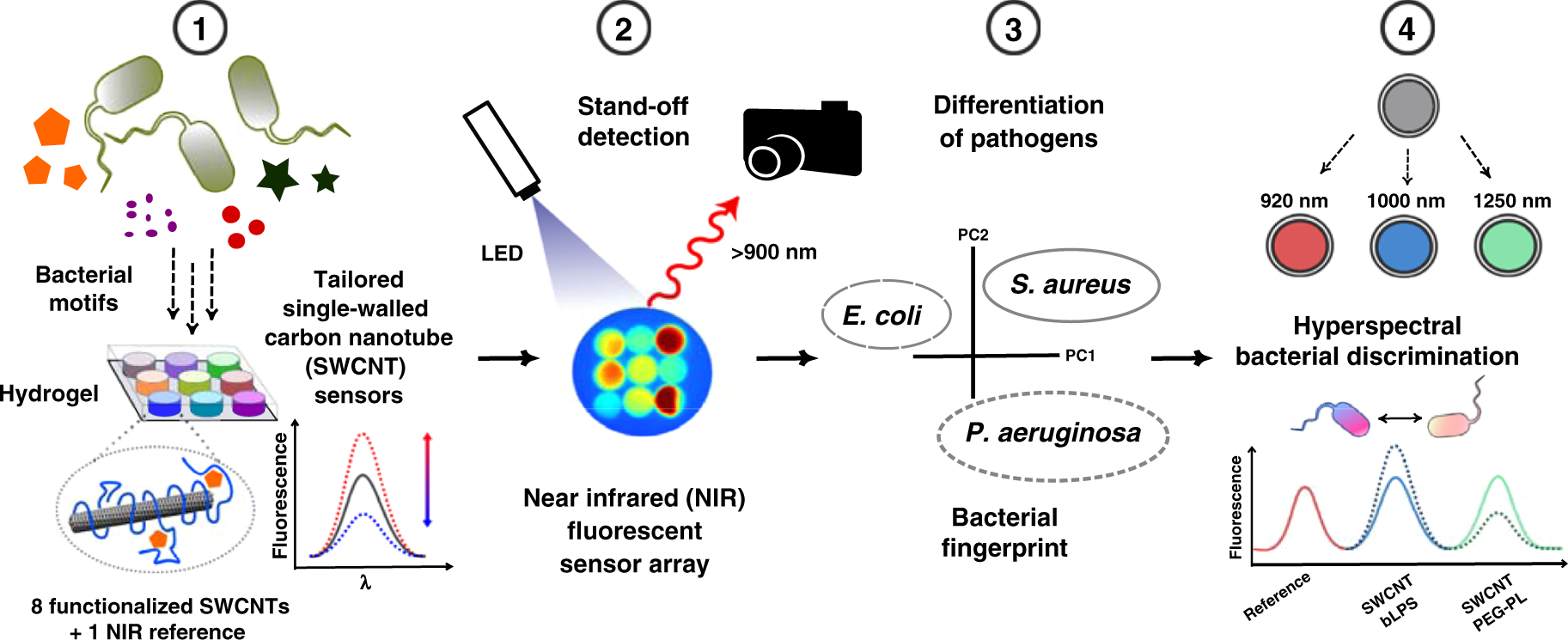
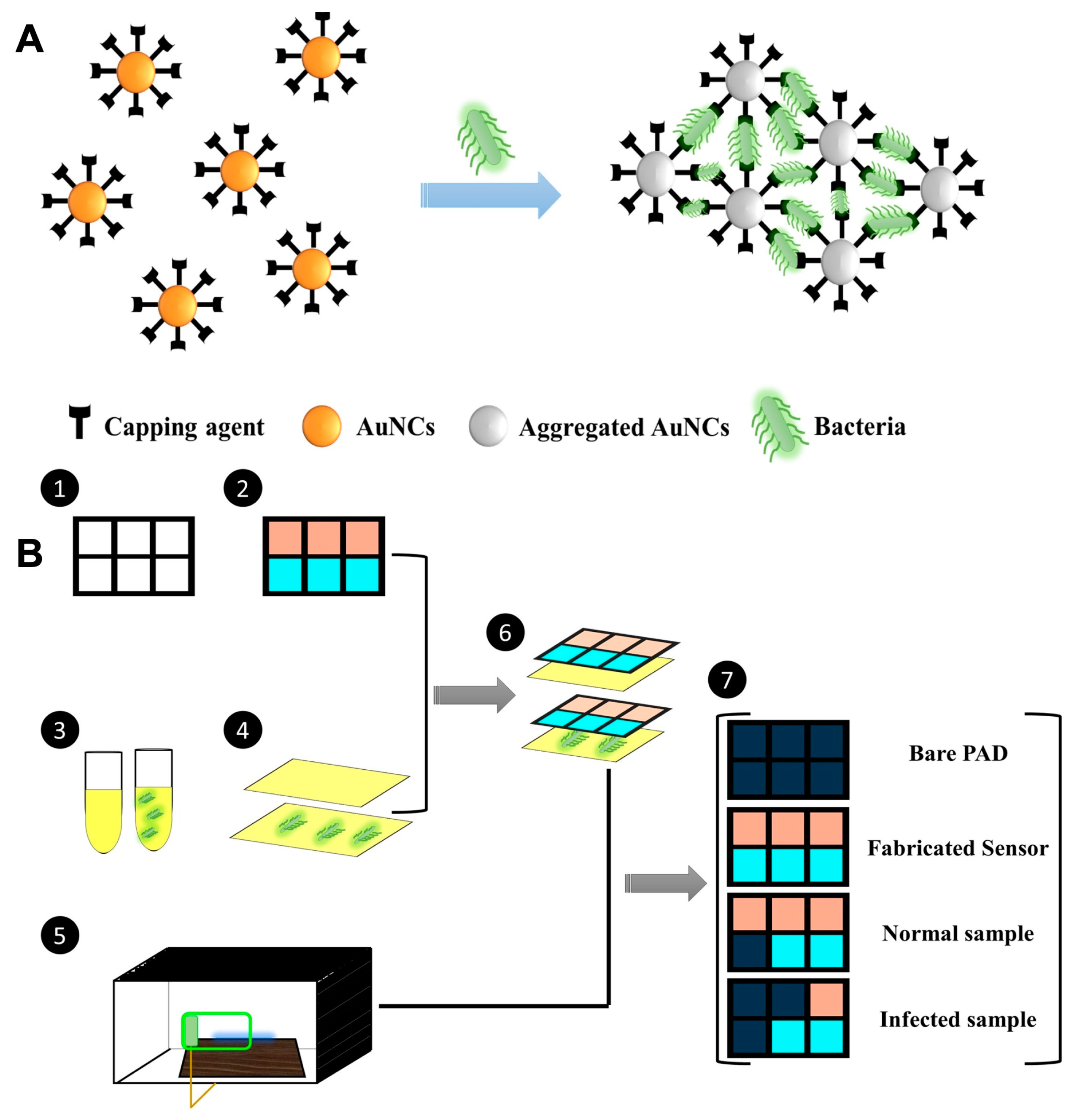
Indian Patent No. 323440 covered a “device and system for detection of time-dependent multi-spectral fluorescence response of pathogens.” The invention aimed to detect microbial presence by analyzing fluorescence signals emitted by pathogens under specific light conditions.

In simple terms, the technology focused on using light-based diagnostics to identify harmful microorganisms. Such systems promise faster detection. They also reduce reliance on traditional culture-based laboratory methods.

Adiuvo positioned the patent as a core intellectual property asset. The company sought to secure its standing in India’s growing medical diagnostics market. The patent formed part of a broader strategy to protect proprietary fluorescence-based detection methods.

However, MolecuLight challenged the patent soon after its grant.

MolecuLight’s Opposition Strategy

MolecuLight filed a post-grant opposition before the CGPDTM. The company argued that the patent lacked novelty and inventive step. It also cited earlier disclosures that allegedly anticipated Adiuvo’s claims.

The opposition relied heavily on prior art references, including patent applications that predated Adiuvo’s filing. MolecuLight contended that the claimed technology was not new. It argued that similar fluorescence-based pathogen detection systems already existed in publicly available documents.

The challenge was comprehensive. It attacked the patent’s core claims. It questioned the scientific basis. It also scrutinized the scope of protection sought.

India’s patent law permits such oppositions within a defined period after grant. This mechanism allows competitors, researchers, and industry players to challenge questionable patents.

In this case, the challenge succeeded.

CGPDTM’s Findings: Lack of Novelty and Inventive Step

After reviewing submissions from both sides, the CGPDTM concluded that all claims of Patent No. 323440 were unpatentable.

The authority found that the claims were anticipated by prior art. In patent law, anticipation means that earlier disclosures already describe the invention. If prior art exists, the invention cannot qualify as novel.

The Controller also determined that the claims lacked an inventive step. This requirement demands that an invention must not be obvious to a person skilled in the relevant field. The authority held that the technology did not clear this threshold.

As a result, the patent was revoked in its entirety.

This was not a partial amendment. It was a complete cancellation.

Comparative Analysis: Competing Positions

Adiuvo’s Position

Adiuvo defended its patent as an innovative diagnostic breakthrough. The company argued that its system offered a unique configuration for detecting time-dependent multi-spectral fluorescence responses.

It maintained that its technology improved detection accuracy. It emphasized efficiency gains. It framed the patent as a legitimate advancement over existing solutions.

MolecuLight’s Position

MolecuLight took a sharply different view. The company argued that the patent covered concepts already disclosed in earlier filings. It claimed that Adiuvo attempted to monopolize established fluorescence imaging principles.

MolecuLight’s strategy was direct. It focused on documentary evidence. It cited prior patents and applications. It demonstrated overlap in claimed features.

The CGPDTM ultimately sided with the opponent.

Market Impact: Who Gains and Who Loses?

The revocation shifts the balance of power.

For Adiuvo Diagnostics

The loss is significant. Patent protection offers exclusivity. It enables companies to block competitors. It strengthens licensing leverage.

Without Patent No. 323440, Adiuvo loses exclusive rights in India over the claimed fluorescence detection system. Competitors can now operate without fear of infringement under that specific patent.

The company may still hold other intellectual property assets. However, this ruling weakens its position in the fluorescence-based pathogen detection segment.

For MolecuLight

The decision represents a strategic win. It removes a potential barrier to market operations in India. It also reinforces the strength of MolecuLight’s own prior filings.

The ruling strengthens its freedom to operate. It protects its commercial interests. It sends a signal that its technology foundation predates the contested claims.

In competitive industries, such victories matter.

Broader Significance for India’s Patent Ecosystem

This case highlights the robustness of India’s post-grant opposition framework.

India allows pre-grant and post-grant oppositions. This dual system provides a powerful check against weak patents. It encourages scrutiny. It invites industry participation.

Critics sometimes argue that oppositions slow innovation. Supporters counter that they improve patent quality. They prevent monopolies based on incremental or obvious developments.

The revocation of Patent No. 323440 demonstrates that the system works. The authority conducted a detailed review. It examined evidence. It applied statutory tests. It delivered a reasoned decision.

For global medical device companies, the message is clear. Filing in India requires rigorous prior art analysis. Broad claims face close examination.

The Technology Angle: Fluorescence Imaging in Diagnostics

Fluorescence-based pathogen detection remains a rapidly evolving field. These systems illuminate tissues or samples with specific wavelengths of light. Pathogens emit fluorescence signals. Devices capture and analyze these responses.

The promise is speed and precision. Early detection reduces treatment delays. It improves clinical outcomes.

However, the field is crowded. Multiple companies invest in similar optical and imaging technologies. Patent disputes are common. Overlapping claims often trigger legal battles.

In such an environment, novelty becomes critical. Incremental improvements may not suffice.

Legal Lessons for Innovators

The revocation offers clear lessons:

  1. Conduct thorough prior art searches.
    Overlooking existing disclosures can prove fatal.
  2. Draft precise claims.
    Broad claims invite challenge. Narrow, well-supported claims stand stronger.
  3. Prepare for opposition.
    In competitive sectors, opposition is not hypothetical. It is likely.
  4. Document technical differentiation.
    Inventive step must be demonstrable, not assumed.

Patent protection remains a powerful tool. But it demands precision and originality.

What Comes Next?

Adiuvo may explore legal remedies, including appeal options available under Indian law. Whether it chooses to do so remains unclear.

Meanwhile, the decision stands as a precedent. It reinforces the principle that patents must meet strict statutory standards. It also signals that India’s patent office will not hesitate to revoke claims that fail to qualify.

For the diagnostics industry, the ruling injects clarity. It removes uncertainty around Patent No. 323440. It opens competitive space. It resets the field.

Conclusion

The revocation of Indian Patent No. 323440 marks a decisive moment in India’s medical diagnostics patent landscape. The CGPDTM examined the evidence. It weighed competing arguments. It concluded that the patent lacked novelty and inventive step.

Adiuvo loses exclusivity. MolecuLight secures a strategic advantage. The market adjusts.

Most importantly, the decision underscores a fundamental truth. Patent rights are not permanent guarantees. They are conditional privileges. They survive only when innovation meets the highest legal standards.

Lifecare Advances European Patent Strategy as Artificial Pancreas Technology Moves Closer to Approval

Conceptual illustration of implantable artificial pancreas and continuous glucose monitoring technology linked to Lifecare European patent development.

Lifecare ASA has taken a major step forward in strengthening its intellectual property portfolio after receiving a notification from the European Patent Office (EPO) indicating its intention to grant a key European patent application. The announcement signals growing momentum behind the company’s advanced glucose monitoring technology and highlights a broader strategy aimed at protecting next-generation medical sensing platforms.

The pending patent, often described as part of Lifecare’s “Artificial Pancreas” initiative, focuses on system-level innovations designed to improve long-term glucose monitoring and automated diabetes management solutions. While the patent is not formally issued yet, an “intention to grant” typically means the examination process has concluded successfully and only final administrative steps remain.

This development marks a significant milestone for the company, positioning it strategically within a rapidly evolving continuous glucose monitoring (CGM) industry where intellectual property strength often determines long-term competitive advantage.

A Strategic Step Toward Patent Protection

Patent notifications from the EPO carry strong strategic implications. They signal that an application has passed technical scrutiny and meets the required standards for novelty, inventive step, and industrial applicability.

In Lifecare’s case, the patent extends beyond individual sensor components. It addresses broader system architecture, integration methods, and functional control elements that enable advanced glucose monitoring platforms.

This approach differentiates Lifecare’s patent strategy from companies that focus solely on hardware. By protecting system-level technology, the company aims to secure a wider competitive moat.

Industry analysts often view system patents as particularly powerful because they can restrict competitors from implementing similar solutions even if individual components differ.

Understanding the Technology: Implantable Glucose Monitoring

Lifecare’s core innovation revolves around implantable continuous glucose monitoring devices that use osmotic pressure as the sensing principle. Traditional CGM devices typically rely on electrochemical sensors placed under the skin for limited durations.

The company’s technology attempts to address several known limitations:

  • Sensor degradation over time
  • Calibration challenges
  • Limited lifespan of traditional implants

By leveraging osmotic pressure sensing, Lifecare seeks to deliver longer-lasting implants capable of stable and reliable glucose measurement.

This design could represent a significant evolution in diabetes management. Implantable solutions aim to reduce patient intervention, improve comfort, and deliver continuous data without frequent replacements.

As global diabetes rates continue to rise, demand for minimally invasive monitoring solutions has increased sharply. Companies that achieve reliable long-term monitoring systems stand to benefit from strong clinical adoption and commercial success.

Comparing Lifecare’s Approach to Existing CGM Technologies

The current CGM market features several dominant players that rely on established electrochemical sensing methods. These devices have achieved widespread adoption but still face challenges related to wear duration and sensor stability.

Lifecare’s osmotic pressure technology introduces a different sensing principle. Instead of measuring glucose via chemical reactions at electrodes, the system evaluates changes in osmotic pressure caused by glucose concentration.

This shift could offer several theoretical advantages:

  • Improved stability over extended periods
  • Reduced sensor drift
  • Potentially lower maintenance requirements

However, as with any emerging technology, real-world performance and clinical validation remain key factors in determining long-term success.

Expanding the IP Portfolio Beyond Glucose

Alongside the patent notification, Lifecare emphasized its broader intellectual property strategy. The company is not only securing protection for its current products but also building a scalable platform for future applications.

According to company updates, ongoing research focuses on:

  • New chemical compositions for detecting additional biomarkers
  • Modular sensing architectures
  • Advanced materials and integration techniques

These developments suggest that Lifecare is positioning itself beyond diabetes monitoring alone. By creating a flexible sensing platform, the company may expand into other diagnostic or monitoring areas.

This forward-looking strategy reflects a broader trend in medtech, where companies seek to transform single-purpose devices into multi-parameter health monitoring platforms.

Collaborative Research and Advanced Sensor Development

Lifecare’s innovation roadmap includes partnerships with research institutions, including collaboration related to advanced sensor technologies such as Surface Acoustic Wave (SAW) systems and Nano Tunneling Resistor (NTR) approaches.

These technologies could enable:

  • Miniaturized devices with higher sensitivity
  • Improved signal accuracy
  • Enhanced integration with digital health systems

Collaborative research allows smaller technology companies to accelerate innovation while sharing development risks. It also supports diversification into new sensing modalities that could complement existing products.

Why Intellectual Property Matters in MedTech

In the medical technology industry, patents serve as both defensive and offensive tools. They protect investments in research and development while creating barriers that prevent competitors from replicating proprietary solutions.

Strong IP portfolios often influence:

  • Investor confidence
  • Licensing opportunities
  • Strategic partnerships
  • Market valuation

By securing patents that cover system architecture rather than isolated components, companies can potentially extend exclusivity across entire product ecosystems.

Lifecare’s layered IP strategy includes:

  • Core foundational patents
  • Continuous filing tied to research milestones
  • Collaborative IP generated through partnerships
  • Proprietary know-how maintained through operational practices

This multi-layered approach aims to create long-term protection across technological and commercial dimensions.

Market Context: The Growing Demand for Continuous Monitoring

The global CGM market continues to expand rapidly as healthcare systems shift toward preventive and personalized medicine. Continuous monitoring technologies allow patients and clinicians to track real-time data, enabling faster treatment adjustments and improved outcomes.

Key drivers of market growth include:

  • Increasing diabetes prevalence worldwide
  • Advances in wearable and implantable medical devices
  • Integration of digital health platforms and artificial intelligence

Companies that introduce innovative sensing technologies or longer-lasting devices could disrupt existing market dynamics.

If Lifecare’s implantable solutions achieve clinical success, they may offer an alternative to traditional wearable sensors, particularly for patients seeking less frequent device maintenance.

Investor and Industry Implications

Receiving an intended grant notification strengthens Lifecare’s strategic positioning ahead of potential commercialization milestones.

For investors, patent progress often signals:

  • Reduced regulatory uncertainty
  • Strengthened competitive differentiation
  • Potential for licensing revenue streams

While patent grants do not guarantee commercial success, they provide a crucial foundation for scaling technology into global markets.

Industry observers will likely watch closely for further updates, including formal patent issuance, clinical development milestones, and potential partnerships.

Looking Ahead

The European patent notification represents more than a procedural step. It reflects Lifecare’s long-term vision to build an integrated sensing platform capable of supporting advanced healthcare solutions.

As the company expands its intellectual property and research collaborations, it aims to move closer to a future where implantable monitoring devices provide continuous, reliable insights into patient health.

With regulatory progress underway and technology development advancing, Lifecare’s next milestones could shape its role within the evolving landscape of digital health and next-generation medical monitoring.

Ericsson Sues Acer Over 4G and 5G Patent Licensing Dispute, Escalating Global Telecom Legal Battles

Illustration showing Ericsson and Acer logos representing a legal dispute over 4G and 5G wireless patent licensing and standard-essential patents in the telecom industry.

The global technology industry is witnessing another major legal confrontation as Swedish telecom giant Ericsson has filed a lawsuit against Taiwanese electronics manufacturer Acer over alleged disputes involving 4G and 5G wireless patent licensing. The case highlights rising tensions over standard-essential patents (SEPs) and underscores how licensing conflicts are reshaping the competitive landscape of next-generation connectivity.

The lawsuit, filed in a United States federal court, centers on claims that Acer failed to comply with industry-standard licensing obligations and pursued aggressive litigation strategies against telecom operators using Ericsson’s network equipment. The legal clash adds to a growing wave of high-stakes patent disputes that increasingly define relationships between infrastructure providers, device manufacturers, and telecom carriers worldwide.

A Strategic Legal Move by Ericsson

Ericsson’s legal action seeks clarity and protection against what the company describes as escalating threats from Acer’s patent enforcement tactics. According to court filings, Ericsson is requesting a judicial declaration confirming that it does not infringe Acer’s patents and that Acer violated obligations to negotiate licensing agreements under fair terms.

The Swedish telecom company argues that Acer pursued litigation against Ericsson’s customers rather than engaging constructively in licensing negotiations. Such actions, Ericsson claims, disrupt industry norms and undermine the cooperative framework designed to ensure interoperability across global telecom standards.

By filing the lawsuit, Ericsson aims to shift the legal battleground away from indirect disputes involving network operators and toward a direct resolution between patent holders.

The Role of Standard-Essential Patents

At the heart of the dispute lies the complex world of standard-essential patents. These patents cover technologies required to implement globally recognized wireless standards such as 4G LTE and 5G.

Companies that hold SEPs commit to licensing them under FRAND principles — fair, reasonable, and non-discriminatory terms. The FRAND framework exists to balance innovation incentives with industry accessibility. Without such rules, companies could block competitors from using critical technologies needed to maintain interoperable networks.

Ericsson claims Acer’s actions conflict with these obligations. The lawsuit alleges that Acer adopted strategies that pressure telecom operators and ecosystem partners instead of resolving licensing issues through direct negotiation.

Dispute Escalation: From Negotiations to Litigation

Industry observers note that patent licensing disagreements often begin with negotiations over royalty rates or usage rights. In this case, however, talks reportedly broke down, triggering a chain reaction of legal actions.

Acer allegedly filed infringement claims against major telecom operators, including U.S. carriers that deploy Ericsson equipment. Ericsson argues that targeting its customers indirectly places pressure on its business relationships and could disrupt ongoing network operations.

The lawsuit seeks to halt what Ericsson views as a strategy designed to extract licensing concessions by threatening key industry partners.

This escalation reflects a broader trend. Instead of pursuing bilateral licensing discussions, companies increasingly resort to multi-jurisdictional litigation to strengthen bargaining positions.

Comparative Landscape: Device Makers vs Infrastructure Providers

The Ericsson-Acer dispute illustrates the evolving dynamics between device manufacturers and telecom infrastructure vendors.

Traditionally, network equipment providers like Ericsson focused on supplying infrastructure to operators, while consumer device companies negotiated patent licenses separately. However, the boundaries between these roles have blurred as companies diversify portfolios and accumulate extensive patent holdings.

In recent years, technology firms have leveraged intellectual property as both defensive shields and offensive tools. Companies with significant patent portfolios can exert influence across multiple segments of the ecosystem, from handsets and laptops to network hardware and cloud platforms.

This shift has led to more frequent clashes between entities that previously operated in largely separate spheres.

Why FRAND Compliance Matters

FRAND licensing serves as a cornerstone of modern telecommunications. Without it, industry collaboration on shared standards would be nearly impossible.

Standards organizations require patent holders to commit to fair licensing practices to prevent monopolistic behavior. Yet disagreements often arise over what constitutes “fair” or “reasonable” compensation.

Legal disputes frequently hinge on:

  • Royalty calculation methods
  • Geographic licensing scope
  • Portfolio valuation
  • Negotiation conduct and timelines

Ericsson’s lawsuit emphasizes negotiation behavior rather than solely technical infringement claims. This strategic framing could influence how courts evaluate the balance between enforcement rights and industry cooperation.

Potential Industry Impact

The outcome of the lawsuit could shape future licensing negotiations across the telecom sector. If courts support Ericsson’s position, companies may face stricter expectations to negotiate directly and avoid targeting downstream customers as leverage.

Conversely, a ruling favorable to Acer could reinforce aggressive enforcement strategies by patent holders, encouraging similar litigation tactics across the industry.

The dispute also arrives at a critical moment for 5G deployment. Telecom operators continue investing heavily in infrastructure upgrades, and prolonged legal uncertainty could complicate procurement decisions and supply chain stability.

A Broader Pattern of Telecom Patent Battles

The Ericsson-Acer case is not isolated. Telecom companies frequently engage in complex patent disputes as the industry transitions toward advanced wireless technologies.

Over the past decade, similar legal confrontations have involved major players across Europe, Asia, and North America. Companies increasingly seek judicial clarification on FRAND obligations, jurisdictional authority, and cross-licensing frameworks.

Experts say these conflicts reflect the enormous financial stakes associated with 5G innovation. With billions invested in research and development, patent holders aggressively protect their intellectual property while implementers push for predictable licensing costs.

Market and Legal Implications

Beyond legal arguments, the lawsuit carries strategic implications for both companies.

For Ericsson, defending its relationships with telecom operators remains a priority. By seeking court intervention, the company aims to prevent disruptions that could affect customer confidence and network deployment timelines.

For Acer, asserting patent rights signals its intent to expand influence within the wireless technology ecosystem. As device manufacturers diversify into connected hardware and enterprise solutions, control over key patents becomes a powerful competitive advantage.

Investors and industry stakeholders will closely monitor the case for signals about licensing trends and legal risk exposure across the sector.

What Comes Next

The court proceedings will likely involve detailed technical analysis, economic modeling, and examination of negotiation history. Patent litigation often spans months or years, especially when multiple jurisdictions and complex licensing frameworks are involved.

Regardless of the outcome, the dispute reinforces a central reality of the modern telecom industry: innovation and litigation increasingly move hand in hand.

As companies race to define the future of connectivity through 5G and beyond, intellectual property battles will continue to shape alliances, market strategies, and the pace of technological adoption.

For now, Ericsson and Acer find themselves at the center of a high-profile legal contest that could redefine how patent licensing conflicts unfold in the era of global wireless standards.

Meta Patents AI That Could Simulate Social Media Activity After Death, Raising Ethical and Digital Identity Questions

Futuristic illustration of a digital human avatar interacting with social media icons, representing Meta’s AI patent designed to simulate user activity after death.

Introduction: Technology and Mortality Collide

The line between life and digital existence continues to blur. In a development that has sparked debate across technology and ethics circles, Meta has secured a patent for an artificial intelligence system designed to simulate a person’s social media behaviour—even after their death.

The concept pushes the boundaries of how AI interacts with human identity. While Meta has clarified that it has no immediate plans to launch such a product, the patent reveals a future where digital personas could persist long after physical life ends. The proposal raises difficult questions about consent, privacy, emotional impact, and the future of online memory.

What the Patent Proposes

The patent describes an AI-driven system that could analyse a user’s historical social media data to recreate behavioural patterns. The technology would study posts, comments, reactions, messaging habits, and interaction styles. Using this data, the AI could generate automated responses and maintain ongoing activity on the user’s account.

Unlike simple memorial pages or archived profiles, this concept envisions active participation. The AI could like posts, respond to comments, initiate conversations, or publish content that resembles the original user’s tone and personality.

Such automation would rely on advanced machine learning models capable of replicating linguistic patterns, emotional cues, and behavioural timing. The system would not simply store memories; it would simulate presence.

Why Meta Is Exploring Digital Continuity

Technology companies often patent experimental ideas to protect intellectual property and explore future markets. In this case, the patent reflects broader industry trends focused on digital identity preservation and AI-driven personalization.

Meta has long invested in tools that enhance online connection and engagement. From virtual reality to generative AI, the company seeks ways to deepen user interaction. A system that maintains digital presence after death could theoretically keep social networks active and emotionally meaningful for surviving friends and family.

Supporters argue that such technology might help preserve memories or allow people to interact with digital representations of loved ones. The concept aligns with growing interest in “digital immortality,” where AI models preserve aspects of personality, voice, or conversation style.

Comparison With Existing Features

Social media platforms already offer limited post-death tools. Facebook, for example, allows accounts to be memorialized after a user passes away. Legacy contacts can manage certain profile elements, approve friend requests, or post tributes.

However, the proposed AI system represents a dramatic shift from passive remembrance to active simulation.

Traditional memorialization freezes the account in time. The AI concept would keep it evolving. Instead of serving as a digital archive, the profile could appear alive, continuously interacting with others.

This distinction forms the core of the debate. Supporters see innovation. Critics see potential emotional and ethical risk.

Ethical Concerns Take Center Stage

The possibility of AI-generated digital identities raises complex ethical issues.

One major concern involves consent. Would users explicitly approve AI simulations before death? How would families control or deactivate such systems? Without clear guidelines, digital replicas could operate in ways the original person never intended.

Another challenge involves grief and psychological impact. Experts warn that interacting with AI versions of deceased individuals might complicate mourning. Some believe simulated personalities could prevent emotional closure. Others argue they might provide comfort by preserving familiar communication styles.

Privacy also remains a critical issue. The technology would rely heavily on personal data. Critics question how securely such data would be stored and whether commercial incentives might influence how digital personas behave.

Commercial Implications and Platform Strategy

Beyond emotional considerations, industry observers see strategic motivations behind the patent.

Social media platforms depend on engagement. A system that maintains activity—even from inactive or deceased users—could sustain network interaction levels. More engagement often translates into more advertising opportunities and deeper user retention.

However, monetizing posthumous digital presence could generate backlash. Users may resist platforms that appear to profit from simulated identities. Balancing technological innovation with public trust will be essential.

Meta has emphasized that patents do not necessarily signal upcoming products. Companies frequently file patents to explore possibilities or prevent competitors from claiming similar technologies.

The Rise of Digital Afterlife Technologies

Meta is not alone in exploring AI-powered legacy systems. Several startups already offer services that create chatbots based on a person’s text messages, voice recordings, or social media history. These tools aim to preserve memories or allow conversations with AI representations of loved ones.

The difference lies in scale and integration. If a major platform like Meta implemented such technology, it could reach billions of users worldwide. That scale amplifies both potential benefits and risks.

The broader technology landscape shows increasing interest in blending human identity with AI systems. Voice cloning, deep learning avatars, and generative language models have rapidly advanced. As AI becomes more capable of mimicking human behaviour, questions about authenticity and identity grow more urgent.

Legal and Regulatory Challenges Ahead

Digital identity after death sits at the intersection of law, technology, and ethics. Regulations governing data rights and digital assets vary across jurisdictions. Some regions allow heirs to control online accounts, while others treat digital profiles as private data that cannot be transferred.

If AI-driven simulations become reality, lawmakers may need new frameworks. Key questions include:

  • Who owns a digital personality created by AI?
  • Can relatives request deletion or modification?
  • Should simulated activity be clearly labelled as AI-generated?

Without clear standards, disputes over digital identity could increase significantly.

Public Reaction and Cultural Debate

Public responses to the patent have been mixed. Some users express fascination with the idea of preserving personality and communication style beyond death. Others view it as unsettling or emotionally intrusive.

Cultural attitudes toward death and remembrance vary widely. In some communities, preserving digital memory aligns with traditions of storytelling and legacy. In others, continuing simulated interaction may feel unnatural or ethically troubling.

The debate reflects a broader societal shift. As more of life moves online, questions about what happens to digital identity after death become increasingly relevant.

The Future of Human Presence Online

The patent signals a possible future where the boundary between living and digital existence becomes increasingly porous. AI systems capable of replicating behaviour challenge traditional notions of identity and memory.

Whether such technology becomes reality remains uncertain. Meta’s statement that it has no immediate plans to deploy the system suggests the concept remains exploratory. Still, the patent highlights how rapidly artificial intelligence is reshaping conversations about life, legacy, and technology.

As AI evolves, society must decide how far it wants technology to go in recreating human presence. The choices made today will shape how future generations experience memory, mourning, and digital connection.

Shocking for Tech Industry as Nokia Forces PC Sales Ban in Germany Over Video Codec Patents

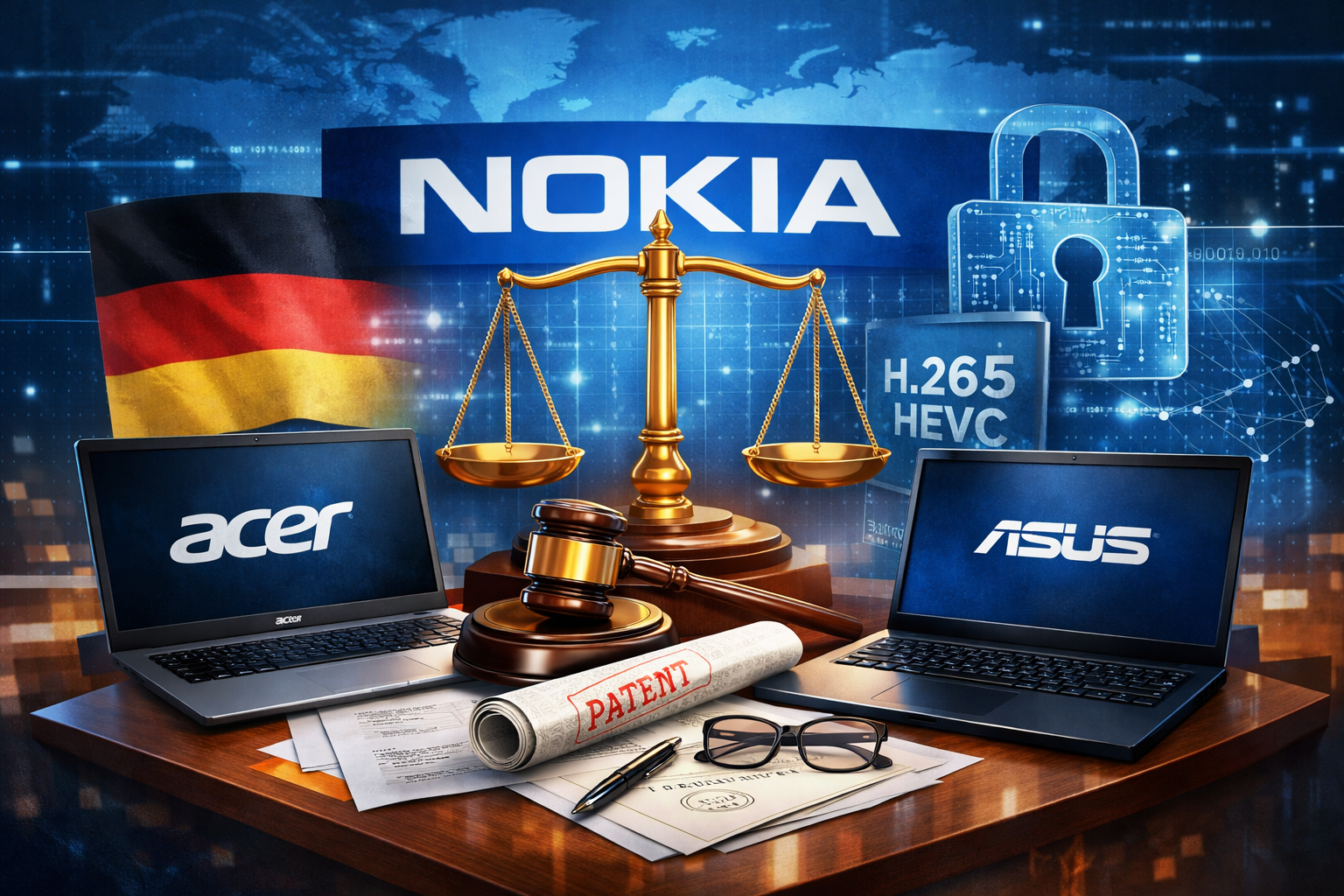
Nokia HEVC patent ruling Germany Acer ASUS PC sales ban tech industry legal dispute illustration

A fresh patent ruling in Germany has sent shockwaves through the global PC industry. Finnish telecom giant Nokia secured a decisive legal victory against PC manufacturers Acer and ASUS, resulting in a court-ordered ban on certain computer sales within one of Europe’s largest technology markets.

The judgment highlights the growing power of standard-essential patents (SEPs) in shaping competition and licensing practices across the technology sector. It also reinforces Germany’s position as a strategic battleground for global patent enforcement.

A Landmark Court Decision With Immediate Consequences

The ruling came from the Munich I Regional Court, a venue known for its swift handling of intellectual property disputes. The court sided with Nokia in a long-running conflict centered on High Efficiency Video Coding (HEVC), also known as H.265.

HEVC is a modern video compression standard used across devices for high-resolution video playback and streaming. Because the technology is widely adopted, it relies on standard-essential patents. Companies implementing such standards must obtain licenses from patent holders under Fair, Reasonable, and Non-Discriminatory (FRAND) terms.

According to the court, Acer and ASUS failed to demonstrate that they were “willing licensees.” That determination proved critical. Under European SEP jurisprudence, companies can avoid injunctions if they show genuine willingness to negotiate licensing agreements. The court concluded that this threshold was not met.

As a result, the decision grants Nokia the right to enforce an injunction against the sale, marketing, and import of certain PCs in Germany that use the contested technology.

Understanding the HEVC Patent Dispute

The core of the case revolves around HEVC video compression technology. HEVC enables efficient playback of high-definition and ultra-high-definition video while reducing bandwidth requirements. It plays a central role in streaming platforms, multimedia editing, and modern computing environments.

Nokia owns a portfolio of patents considered essential to implementing the HEVC standard. These patents give the company leverage to demand licensing fees from manufacturers whose devices support HEVC decoding or encoding.

Acer and ASUS reportedly disputed the licensing terms offered by Nokia. Negotiations stalled, prompting litigation. Nokia argued that the companies continued selling devices without securing valid licenses, thereby infringing its patents.

The court’s ruling validates Nokia’s claim and underscores the importance of licensing compliance in industries built around shared technical standards.

Germany: Europe’s Patent Enforcement Powerhouse

Germany has emerged as a preferred jurisdiction for patent holders seeking fast and effective enforcement. Courts in cities like Munich, Düsseldorf, and Mannheim have built reputations for granting injunctions swiftly when infringement is established.

This legal environment creates significant pressure on technology companies. Even a temporary sales ban can disrupt supply chains, damage brand presence, and trigger financial losses in key markets.

In comparison with some other European jurisdictions, German courts place heavy emphasis on procedural efficiency and technical analysis. Patent holders often choose Germany because injunctions are easier to obtain once infringement is confirmed.

For multinational manufacturers like Acer and ASUS, a German injunction carries symbolic and strategic weight. Germany is not only Europe’s largest economy but also a major gateway to EU distribution networks.

The Role of FRAND Obligations

The dispute highlights the delicate balance between patent enforcement and fair competition. Standard-essential patents require licensing under FRAND commitments. These rules aim to prevent patent holders from abusing their position while ensuring inventors receive compensation.

Courts typically evaluate whether both sides acted in good faith during negotiations. A patent owner must offer reasonable licensing terms. At the same time, implementers must engage constructively and avoid delaying tactics.

In this case, the Munich court determined that Nokia fulfilled its obligations, while Acer and ASUS did not sufficiently demonstrate willingness to conclude a license. This finding tipped the scales toward granting the injunction.

The outcome contrasts with cases where defendants successfully avoid bans by proving active participation in licensing discussions.

Comparative Industry Reactions and Precedents

Patent disputes over video standards and wireless technologies have become increasingly common. Technology standards often rely on dozens or hundreds of patent holders, creating complex licensing ecosystems.

Major companies such as smartphone manufacturers and semiconductor firms have faced similar battles over 5G, video codecs, and connectivity technologies. Some disputes end in settlements shortly before enforcement actions begin.

Comparatively, companies that agree to licensing deals early often avoid market disruptions. Reports indicate that other manufacturers have settled with Nokia regarding HEVC licensing, allowing them to continue selling products without interruption.

The contrast illustrates a broader industry trend. Companies that resist licensing agreements risk injunctions in patent-friendly jurisdictions. Those that settle typically gain operational stability but must absorb additional costs.

Market Impact and Business Implications

The ban could reshape the competitive landscape in Germany’s PC market, at least temporarily. Retailers may face shortages of certain Acer and ASUS models if enforcement continues. Competitors could gain market share during the disruption.

For consumers, the ruling might limit product availability or affect pricing dynamics. Supply constraints often lead to higher prices or reduced promotional activity.

From a corporate perspective, the decision increases pressure on Acer and ASUS to negotiate a settlement. Patent injunctions are rarely permanent in SEP cases. Instead, they function as leverage to accelerate licensing agreements.

Industry analysts expect renewed negotiations between the parties. A settlement could lift the ban relatively quickly if both sides reach mutually acceptable terms.

Strategic Lessons for the Tech Sector

The case sends a powerful message across the technology industry. Companies relying on standardized technologies must manage patent licensing proactively. Ignoring or delaying negotiations can lead to significant legal and commercial risks.

It also reinforces the growing importance of patent portfolios as strategic assets. Companies like Nokia, which invested heavily in research and development, increasingly monetize their intellectual property through licensing.

The ruling may encourage other patent holders to pursue enforcement actions, particularly in jurisdictions where injunctions are attainable. This trend could intensify the already complex web of licensing negotiations across the technology landscape.

What Comes Next

Acer and ASUS may appeal the decision or continue negotiations with Nokia. Appeals could delay final outcomes but may not immediately suspend enforcement unless specific legal conditions are met.

Meanwhile, retailers and distributors in Germany must monitor developments closely. The enforcement timeline and scope of affected products will determine the real-world impact on availability.

For Nokia, the victory strengthens its reputation as an assertive defender of its intellectual property. For manufacturers, the ruling serves as a cautionary tale about the risks of underestimating SEP enforcement.

Conclusion

The German court’s decision marks another chapter in the evolving battle over standard-essential patents. By granting Nokia an injunction against Acer and ASUS, the ruling underscores the legal and commercial power of patent licensing in modern technology markets.

Beyond the immediate ban, the case highlights broader industry dynamics. Strong patent portfolios can shape market access. Germany remains a strategic enforcement hub. And companies implementing global standards must balance innovation with rigorous compliance.

As negotiations continue, the outcome will likely influence how technology firms approach patent licensing disputes in the future — not only in Europe but worldwide.

Zydus Agrees to $120 Million Settlement With Astellas in Mirabegron Patent Dispute, Secures US Market Access

Illustration representing pharmaceutical patent agreement between Zydus Lifesciences and Astellas Pharma involving Mirabegron drug settlement and licensing deal.

Zydus Lifesciences has agreed to pay $120 million to Japan-based Astellas Pharma to resolve long-running patent litigation over the blockbuster overactive bladder drug Mirabegron. The settlement marks a strategic turning point for both companies, ending costly legal battles while allowing Zydus to continue selling its generic version in the United States under a licensing framework.

The agreement highlights the evolving dynamics between brand-name pharmaceutical companies and generic drug manufacturers. Instead of prolonged courtroom fights, companies increasingly pursue negotiated settlements that balance patent protection with commercial opportunity.

Settlement Terms and Financial Structure

Under the settlement, Zydus will make an upfront payment of $120 million to Astellas. The Indian drugmaker will also pay ongoing licensing fees tied to sales volume until September 2027. In exchange, Astellas will resolve pending litigation related to patents covering Mirabegron formulations.

The deal effectively converts the dispute into a licensed arrangement. Zydus secures legal clarity and operational stability, while Astellas retains economic value from its intellectual property.

Industry observers view the settlement as a calculated compromise. Litigation risks remain high in pharmaceutical patent disputes, especially when key patents survive legal challenges. By agreeing to financial terms, both companies avoid the unpredictability of trial outcomes and potential market disruption.

Background of the Patent Conflict

The dispute centered on patents protecting Mirabegron’s extended-release formulation. Astellas markets the drug under the brand name Myrbetriq, a major revenue generator in the urology and bladder treatment market.

Generic manufacturers typically challenge brand patents through abbreviated new drug application (ANDA) pathways in the United States. These challenges often trigger patent infringement lawsuits under the Hatch-Waxman Act, setting the stage for complex legal battles over patent validity and infringement.

Zydus entered the market with a generic version following regulatory approvals, prompting Astellas to enforce its patent rights. Courts had previously upheld the validity of at least one key patent, strengthening Astellas’ position and increasing pressure on generic challengers.

Faced with the possibility of damages or an injunction, Zydus opted for a negotiated resolution.

Strategic Benefits for Zydus

The settlement provides significant strategic advantages for Zydus despite the large payment.

First, it removes legal uncertainty. Patent litigation in the US can drag on for years and expose companies to substantial financial penalties. By resolving disputes now, Zydus eliminates the risk of losing market access due to an unfavorable ruling.

Second, the agreement preserves revenue streams from a high-value product. The US pharmaceutical market remains the world’s largest and most profitable, making continued participation crucial for global generic companies.

Third, the licensing framework allows predictable financial planning. Instead of unpredictable litigation costs, Zydus now faces defined licensing obligations that can be integrated into its commercial strategy.

The move reflects a broader shift among generic drugmakers. Rather than pursuing aggressive litigation through final judgment, many companies now prefer negotiated settlements that guarantee access to key markets.

Advantages for Astellas Pharma

Astellas also emerges from the settlement with clear gains.

The company secures a substantial upfront payment while reinforcing the strength of its patent portfolio. By structuring the agreement around licensing fees, Astellas continues to earn revenue even as generic competition enters the market.

This approach allows Astellas to maintain brand value while managing the inevitable transition to generic competition. Instead of a sudden revenue cliff, the company converts potential losses into controlled income streams.

Moreover, settlements reduce legal costs and eliminate the risk of adverse rulings that could weaken patent protections across multiple jurisdictions.

Comparative Industry Trends

The Zydus-Astellas agreement mirrors recent settlements in the pharmaceutical sector. Patent disputes increasingly end in negotiated licensing arrangements rather than courtroom victories.

In similar cases involving Mirabegron, other generic manufacturers have reached financial settlements with Astellas. These deals signal a broader strategic shift: brand companies seek compensation and controlled competition rather than outright exclusion of generics.

From a commercial perspective, such settlements create a middle ground. Brand companies preserve patent value, while generics gain market access earlier than they might through traditional patent expiration timelines.

Critics, however, sometimes raise concerns about potential antitrust implications. Regulators closely monitor agreements to ensure they do not unlawfully delay competition or involve “pay-for-delay” structures. Licensing-based settlements typically avoid these issues by allowing market participation rather than blocking entry.

Impact on the Generic Drug Landscape

The settlement underscores how intellectual property remains the central battleground in the pharmaceutical industry. Patents determine market exclusivity, pricing power, and competitive timelines.

Generic companies aim to challenge patents to introduce lower-cost alternatives. Brand companies defend those patents to protect revenue and research investments.

The result is a continuous cycle of litigation and negotiation. Agreements like the Zydus-Astellas deal illustrate how both sides increasingly prioritize commercial certainty over prolonged legal confrontation.

For patients and healthcare systems, the outcome may produce mixed effects. Generic competition generally lowers drug prices, but licensing fees may influence pricing strategies depending on market dynamics.

Financial and Market Implications

Investors often interpret settlements as positive signals because they remove legal overhang. For Zydus, the agreement clarifies future earnings potential tied to Mirabegron sales. For Astellas, the financial terms reinforce the profitability of its intellectual property assets.

Analysts expect continued consolidation of legal disputes across major therapeutic areas as companies seek faster resolutions.

The deal also highlights the growing importance of cross-border pharmaceutical partnerships. Indian generics manufacturers continue to expand their presence in the US market, frequently navigating complex patent landscapes to do so.

The Bigger Picture

Pharmaceutical innovation relies heavily on patent protection, yet market realities demand eventual competition. The Zydus-Astellas settlement represents a pragmatic solution that reflects both forces.

Instead of a decisive legal victory for either side, the agreement creates a negotiated balance. Astellas preserves economic returns from its innovation. Zydus secures continued access to a valuable market opportunity.

As patent disputes grow more complex and costly, similar settlements are likely to become the norm rather than the exception. Companies increasingly recognize that strategic compromise can deliver faster and more predictable outcomes than courtroom battles.

The Mirabegron agreement demonstrates how legal strategy, business priorities, and market competition intersect in today’s pharmaceutical landscape. By turning litigation into licensing, both companies reshape rivalry into structured collaboration — a trend that may define the next phase of global drug competition.

Uniswap Wins Patent Lawsuit Against Bancor: Court Rejects AMM Patent Claims in Major DeFi Legal Victory

Illustration of a blockchain-themed courtroom showing Uniswap winning a patent dispute against Bancor involving automated market maker technology.

In a significant legal victory for decentralized finance (DeFi), Uniswap has successfully defeated a patent infringement lawsuit filed by entities linked to Bancor. A U.S. federal court dismissed the case, ruling that the patent claims at the center of the dispute covered abstract ideas that are not eligible for patent protection. The decision marks a major turning point in the ongoing debate over intellectual property rights in blockchain innovation and could reshape how DeFi protocols approach technological ownership.

The ruling not only strengthens Uniswap’s position as a leading decentralized exchange but also raises critical questions about the limits of patent protection for algorithm-based financial mechanisms.

The Core of the Dispute: Automated Market Maker Technology

The lawsuit revolved around automated market maker (AMM) technology, the fundamental mechanism that powers decentralized exchanges. Unlike traditional financial platforms that rely on order books and market makers, AMMs use mathematical formulas to determine asset prices automatically.

Bancor claimed that it pioneered and patented certain aspects of AMM models, particularly those involving constant-product pricing formulas used to maintain liquidity pools. According to the plaintiffs, Uniswap’s protocol allegedly utilized similar methods without authorization, thereby infringing on their intellectual property.

Uniswap strongly rejected these allegations. The company argued that the concepts behind AMMs represent widely understood economic principles and mathematical formulas rather than proprietary inventions. Uniswap also emphasized the open-source nature of DeFi development, where innovation builds upon shared ideas and collaborative progress.

Court’s Decision: Abstract Ideas Cannot Be Patented

The federal court sided with Uniswap, concluding that the patents asserted by Bancor fell under the category of abstract ideas. Under U.S. patent law, abstract concepts—such as fundamental economic practices or mathematical calculations—are generally not eligible for patent protection unless they involve a specific technological improvement or inventive application.

The judge found that the patent claims primarily described methods of calculating prices and managing liquidity. While these methods were implemented using blockchain technology, the court determined that simply applying an abstract economic concept to a digital environment does not make it patentable.

The ruling also noted that the complaint failed to demonstrate sufficient evidence of infringement. As a result, the court dismissed the lawsuit, delivering a decisive win for Uniswap.

However, the dismissal reportedly came without prejudice, meaning Bancor may attempt to revise and refile its claims if it can address the legal deficiencies identified by the court.

Competing Philosophies: Patents vs Open-Source Innovation

Beyond the legal arguments, the case highlights a broader ideological clash within the crypto industry.

On one side, Bancor’s approach reflects a traditional intellectual property strategy. By securing patents, companies aim to protect innovations, encourage investment, and prevent competitors from copying core technologies without compensation.

On the other side, Uniswap represents the open-source ethos that has defined much of the blockchain ecosystem. Developers frequently share code publicly, allowing others to build upon existing protocols. Proponents argue that this model accelerates innovation and strengthens decentralization.

The court’s ruling appears to lean toward the open-source philosophy by signaling skepticism toward patents that claim ownership over fundamental economic mechanisms.

Comparing the Platforms: Bancor vs Uniswap

Both Bancor and Uniswap played pivotal roles in shaping the DeFi landscape, but they adopted different strategies and technological approaches.

Bancor emerged earlier, introducing automated liquidity concepts designed to eliminate the need for traditional buyers and sellers. Its model aimed to provide continuous liquidity through algorithmic pricing, enabling users to trade tokens without counterparties.

Uniswap later popularized a simplified version of the AMM model. Its constant-product formula gained widespread adoption because of its simplicity, transparency, and adaptability. Developers and entrepreneurs rapidly integrated similar mechanisms across various platforms, creating an ecosystem of interoperable DeFi applications.

While Bancor emphasized proprietary innovation and patent protection, Uniswap leaned heavily into open-source distribution. This difference in philosophy played a crucial role in shaping the narrative of the lawsuit.

Implications for Patent Law in Blockchain

The ruling may have far-reaching consequences for patent litigation in the crypto sector.

First, it reinforces the difficulty of obtaining and enforcing patents covering financial algorithms or economic methods. Courts have increasingly applied strict standards when evaluating patent eligibility, particularly after landmark U.S. Supreme Court decisions limiting patents on abstract ideas.

Second, the decision suggests that blockchain implementation alone may not transform an otherwise abstract concept into a patentable invention. Companies seeking patent protection may need to demonstrate clear technical innovations rather than merely applying existing ideas to decentralized systems.

Third, the ruling could discourage aggressive patent enforcement strategies within DeFi. Developers may feel more confident experimenting with similar mechanisms without fear of immediate litigation.

Industry Reaction and Market Outlook

The crypto community largely interpreted the outcome as a victory for open innovation. Many developers and advocates argue that foundational technologies should remain accessible to ensure rapid growth and experimentation.

At the same time, some industry observers warn that weakening patent protections could reduce incentives for early-stage innovation. Without intellectual property safeguards, startups may struggle to protect their inventions against larger competitors.

The case therefore raises an ongoing question: how can the industry balance open collaboration with fair recognition of technological pioneers?

For investors and market participants, the ruling removes a potential legal overhang that could have affected Uniswap’s development and ecosystem partnerships. The decision may also encourage greater institutional confidence in DeFi projects by clarifying legal boundaries around core technologies.

The Future of DeFi Legal Battles

Although the dismissal represents a major milestone, the legal story may not be over. Bancor retains the option to amend its claims and attempt another legal challenge. Additionally, as the crypto industry matures, more patent disputes are likely to emerge.

Regulators and courts will continue to shape the legal framework governing decentralized technologies. Each ruling contributes to defining whether blockchain innovation operates under traditional intellectual property norms or evolves toward a more open, collaborative model.

Conclusion

Uniswap’s victory in the patent lawsuit against Bancor marks a pivotal moment for decentralized finance. By ruling that the asserted patents covered abstract ideas rather than patentable inventions, the court signaled a cautious approach toward granting exclusive rights over fundamental financial mechanisms.

The decision strengthens the position of open-source development within the crypto ecosystem while highlighting the challenges of applying traditional patent law to rapidly evolving technologies. As DeFi continues to grow, the balance between innovation, ownership, and collaboration will remain a defining issue for the industry.

Whether this case becomes a lasting precedent or simply one chapter in a larger legal evolution, it underscores a key reality: the battle over intellectual property in decentralized finance is only beginning.

Lupin Settles Patent Dispute With Astellas, Secures Future of Mirabegron Sales in the U.S.

Pharmaceutical patent settlement concept showing legal scales, medicine packaging, and corporate healthcare imagery representing Lupin and Astellas agreement.

In a significant development for the global pharmaceutical industry, Indian drugmaker Lupin Ltd. has reached a strategic settlement with Japan-based Astellas Pharma, resolving a patent infringement dispute related to the overactive bladder drug mirabegron. The agreement allows Lupin to continue marketing and selling its generic version of the medicine in the United States while bringing an end to ongoing litigation that had created uncertainty around the product’s future.

The settlement highlights the evolving dynamics of patent enforcement and generic drug competition, underscoring how licensing agreements increasingly shape market access and revenue stability in the pharmaceutical sector.

Strategic Settlement Ends Legal Uncertainty

Lupin and Astellas had been engaged in a legal battle over intellectual property rights connected to mirabegron, a medication used to treat symptoms of overactive bladder such as urinary urgency and frequency. Astellas, the original developer and patent holder for the branded drug Myrbetriq, alleged that Lupin’s generic version infringed its patents.

Rather than continue prolonged litigation, both companies opted for a settlement that provides a structured commercial pathway. Lupin agreed to make financial payments to Astellas while receiving the right to continue selling its product under licensing terms.

The agreement removes the immediate risk of market withdrawal for Lupin. For investors and analysts, this outcome reduces regulatory and legal uncertainty surrounding a key product in Lupin’s portfolio.

Financial Terms Reflect Balanced Compromise

Under the settlement, Lupin will pay a total of $90 million to Astellas. The arrangement includes a substantial upfront payment alongside ongoing licensing fees tied to future sales volumes.

While the upfront payment represents a significant financial commitment, it offers Lupin a predictable framework for operations. Instead of facing unpredictable court outcomes or potential injunctions, the company now operates within a clearly defined commercial agreement.

This type of financial compromise reflects a broader trend in pharmaceutical patent disputes. Originator companies protect intellectual property through compensation and licensing arrangements, while generic manufacturers secure market access without prolonged legal battles.

Comparing Litigation Risk Versus Licensing Stability

The settlement demonstrates a clear contrast between two strategic paths available to generic drug manufacturers.

On one hand, continued litigation could have resulted in a decisive court ruling, potentially invalidating patents or granting Lupin unrestricted market access. However, such outcomes carry substantial risk. Courts may issue injunctions that force immediate product withdrawal, disrupting supply chains and damaging revenue streams.

On the other hand, a negotiated settlement provides stability. Licensing agreements enable generic manufacturers to maintain sales while minimizing legal exposure. Though licensing fees may reduce profit margins, they ensure continuity and reduce uncertainty.

Lupin’s decision indicates a preference for operational certainty over legal gamble. For many pharmaceutical companies, predictable cash flow outweighs the potential rewards of extended courtroom battles.

Market Implications for Generic Competition

Mirabegron represents an important therapy within the urology segment. The drug addresses overactive bladder, a condition affecting millions of patients worldwide. The growing aging population and increasing diagnosis rates have driven demand for effective treatments, making the market commercially attractive.

By securing a licensing pathway, Lupin maintains its presence in the competitive U.S. generic drug market. The settlement may also influence the timing of entry for other generic competitors. Analysts suggest that structured agreements sometimes create a controlled competitive landscape, allowing licensed generics to operate with limited immediate competition.

This dynamic reflects a broader industry pattern. Patent settlements frequently reshape market timelines, determining when additional generics can enter and how pricing pressures evolve.

Astellas Strengthens Patent Protection Strategy

For Astellas Pharma, the settlement delivers both financial and strategic benefits. The company reinforces its intellectual property position while generating revenue through licensing fees. Instead of risking patent invalidation through litigation, Astellas preserves control over its technology while allowing controlled generic participation.

This strategy aligns with how many originator pharmaceutical companies manage patent disputes. Rather than pursuing all-or-nothing legal outcomes, they negotiate agreements that balance protection of innovation with commercial pragmatism.

The approach also signals confidence in the underlying patent portfolio. By negotiating licensing rather than conceding market control, Astellas maintains its brand value and long-term intellectual property strategy.

Broader Industry Context: Rising Patent Settlements

The pharmaceutical industry has witnessed a growing number of patent settlements between originator companies and generic manufacturers. These agreements often emerge after initial litigation establishes risk exposure for both sides.

Generic drugmakers face rising costs associated with lengthy court proceedings. Legal battles can span years, draining resources and delaying market entry. Meanwhile, originator companies must weigh the cost of defending patents against the uncertainty of court outcomes.

As a result, negotiated settlements increasingly serve as pragmatic solutions. They enable companies to manage risk, protect revenue streams, and maintain supply continuity for patients.

Impact on Patients and Healthcare Systems

From a patient perspective, the continuation of generic mirabegron sales ensures ongoing access to treatment options. Generic versions typically lower drug prices by introducing competition, improving affordability for healthcare systems and individuals.

However, licensing agreements that limit competition may influence pricing dynamics. While patients benefit from continued availability, the pace of price reductions may depend on when additional generics enter the market.

Healthcare providers and insurers often monitor such settlements closely, as they shape reimbursement strategies and cost management policies.

Lupin’s Strategic Position Going Forward

The resolution of the dispute marks a stabilizing moment for Lupin. The company strengthens its foothold in the U.S. market, one of the most lucrative and competitive pharmaceutical environments globally.

By securing continued sales rights, Lupin safeguards revenue streams while avoiding the disruption that adverse litigation outcomes could have caused. The settlement also allows management to focus on growth strategies rather than legal defense.

Going forward, the company must balance licensing costs with operational efficiency. Effective pricing strategies and supply chain management will play critical roles in maintaining profitability.

The Future of Patent Dispute Resolution

The Lupin-Astellas agreement highlights a broader transformation in how pharmaceutical patent conflicts unfold. Rather than relying solely on courtroom victories, companies increasingly pursue negotiated solutions that align commercial interests with legal realities.

Such agreements reflect the complex balance between innovation protection and generic competition. Patent holders seek to safeguard research investments, while generic manufacturers push to expand access and reduce costs.

As the pharmaceutical landscape evolves, settlements like this one will likely remain central to managing market transitions after patent expiry.

Conclusion

The settlement between Lupin and Astellas marks a decisive moment in the ongoing intersection of intellectual property law and pharmaceutical competition. By choosing negotiation over prolonged litigation, both companies secure strategic advantages.

Lupin ensures continuity in the U.S. market for its generic mirabegron product. Astellas protects its patents while gaining financial compensation and licensing revenue. Together, the agreement demonstrates how modern pharmaceutical disputes increasingly resolve through collaboration rather than confrontation.

For the industry, the case serves as another example of how strategic settlements shape competitive landscapes, influence pricing dynamics, and redefine the balance between innovation and access in global healthcare.

US Regulator Approves Diamyd Medical Diabetes Therapy Patent, Boosting Immunotherapy Innovation in Type 1 Diabetes Treatment

Conceptual medical illustration showing immunotherapy targeting pancreatic beta cells for type 1 diabetes treatment after Diamyd Medical’s US patent approval.

In a significant development for the biotechnology sector, Swedish company Diamyd Medical AB has secured approval from a United States regulatory authority for a patent application covering its innovative diabetes therapy. The decision marks an important milestone for the company’s intellectual property strategy and underscores growing global interest in disease-modifying treatments targeting autoimmune diabetes rather than simply managing symptoms.

The patent approval arrives at a time when healthcare systems, investors, and research institutions are increasingly focused on therapies that address the root causes of chronic diseases. Diamyd Medical’s approach aims to intervene in the autoimmune process underlying type 1 diabetes, positioning it among a new wave of therapeutic strategies seeking long-term disease modification.

A Strategic Intellectual Property Milestone

Patent protection remains a critical asset in the pharmaceutical and biotechnology industries. Securing rights in the United States — one of the largest healthcare markets globally — enhances both commercial potential and competitive positioning. The newly approved patent application strengthens Diamyd Medical’s portfolio by protecting core aspects of its therapeutic platform, potentially extending market exclusivity if the therapy reaches commercialization.

For biotech firms, patents serve multiple functions. They protect innovation, attract investment, enable licensing opportunities, and create barriers to entry for competitors. In the highly competitive diabetes research landscape, where multiple companies are racing to develop breakthrough therapies, strong intellectual property rights often determine long-term success.

Industry analysts note that regulatory recognition of a patent application does more than secure legal protection. It signals confidence in the novelty and inventive step of the technology, reinforcing credibility with investors and strategic partners.

Moving Beyond Symptom Management

Traditional diabetes treatments primarily focus on managing blood glucose levels. Insulin therapy, glucose monitoring technologies, and lifestyle interventions remain essential components of care. However, these approaches do not stop the underlying autoimmune attack that characterizes type 1 diabetes.

Diamyd Medical’s therapy aims to shift this paradigm. Instead of solely controlling symptoms, the company’s approach targets immune system pathways that contribute to the destruction of insulin-producing beta cells. By modifying the immune response, the therapy seeks to preserve remaining beta-cell function and potentially slow disease progression.

This strategy represents a broader industry trend toward disease-modifying treatments. Researchers increasingly recognize that early intervention in autoimmune processes may improve long-term outcomes and reduce complications.

The Science Behind the Approach

Type 1 diabetes develops when the immune system mistakenly attacks and destroys pancreatic beta cells responsible for producing insulin. Once these cells are lost, patients must rely on lifelong insulin therapy. Despite advances in treatment technologies, managing the disease remains challenging and carries risks of complications.

Diamyd Medical’s research focuses on immunotherapy — a field that has gained prominence across multiple medical disciplines, including oncology and autoimmune disorders. Immunotherapies attempt to retrain or regulate the immune system rather than suppress it broadly. This targeted approach aims to achieve better clinical outcomes while minimizing side effects.

While details of the patented technology remain technical, the company’s broader development strategy emphasizes precision medicine. By identifying specific patient subgroups that may respond better to treatment, the therapy could offer personalized solutions compared to traditional one-size-fits-all approaches.

Competitive Landscape and Industry Comparison

The diabetes therapy sector is crowded with innovation, yet companies pursue different strategies. Some focus on advanced insulin delivery systems, artificial pancreas technologies, or continuous glucose monitoring. Others explore stem cell therapies designed to replace damaged beta cells.

Diamyd Medical’s immunotherapy-based approach stands apart by targeting the autoimmune mechanism itself. Compared to technologies that manage disease symptoms, disease-modifying therapies promise longer-lasting clinical benefits. However, they also face complex regulatory pathways and rigorous clinical testing requirements.

Competitors working in similar areas include biotech startups and large pharmaceutical companies investing heavily in immunomodulation and regenerative medicine. Each approach carries advantages and risks. Immunotherapy may offer lasting effects but requires careful balancing of immune responses to avoid unintended consequences.

Patent protection therefore becomes especially important. By securing exclusive rights to key therapeutic mechanisms, companies aim to protect years of research investment and establish leadership within emerging treatment categories.

Investor and Market Implications

Patent approvals frequently influence market sentiment. Strong intellectual property portfolios increase perceived value, attract partnerships, and support fundraising efforts. For a company like Diamyd Medical, whose business model relies on research-driven innovation, securing patent rights in major jurisdictions strengthens negotiating power with collaborators and pharmaceutical partners.

Investors often interpret patent milestones as signals of progress. While clinical success ultimately determines commercial viability, intellectual property approvals reduce uncertainty regarding competitive threats.

Moreover, the U.S. market holds particular strategic importance due to its size, regulatory influence, and potential revenue opportunities. A patent approved within this jurisdiction enhances prospects for licensing agreements or joint ventures with larger pharmaceutical companies seeking innovative pipelines.

Regulatory and Clinical Path Ahead

Patent approval does not equate to regulatory authorization for patient use. Any new therapy must still undergo rigorous clinical trials to demonstrate safety and efficacy. These trials involve multiple phases, each designed to assess different aspects of the treatment.

Early-stage trials focus on safety and dosage. Later phases evaluate effectiveness compared to existing treatments. Even promising therapies can face setbacks if clinical data fails to meet expectations. For immunotherapies, demonstrating long-term benefits remains a key challenge.

Nevertheless, strong patent protection provides a foundation for continued development. It ensures that companies can invest in expensive clinical research with confidence that successful outcomes may lead to exclusive commercialization rights.

Broader Implications for Diabetes Research

The growing focus on disease-modifying therapies reflects a shift in medical research priorities. Healthcare systems worldwide seek solutions that reduce long-term treatment burdens and improve quality of life. For patients with type 1 diabetes, a therapy capable of slowing or halting disease progression could represent a transformative breakthrough.

Recent advances in immunology, genetic profiling, and biomarker identification have accelerated innovation in this area. Researchers increasingly understand that autoimmune diseases involve complex interactions between genetics and environmental triggers. Precision therapies that target specific pathways may offer more effective interventions.

Diamyd Medical’s patent approval highlights the momentum building around this approach. It also underscores the importance of intellectual property frameworks in fostering innovation by rewarding novel scientific discoveries.

Challenges and Risks Ahead

Despite optimism, significant hurdles remain. Developing autoimmune therapies involves navigating scientific uncertainties, regulatory scrutiny, and commercial risks. Clinical trials are expensive and time-consuming. Additionally, competition within the field continues to intensify, with multiple companies pursuing similar goals.

Another challenge lies in identifying the optimal patient population. Immunotherapies may work best during early stages of disease progression, requiring early diagnosis and targeted treatment strategies.

Pricing and accessibility also present long-term considerations. Innovative therapies often come with high development costs, raising questions about affordability and healthcare system adoption.

Conclusion

The approval of Diamyd Medical’s patent application by a U.S. regulator represents a meaningful milestone in the evolving landscape of diabetes treatment innovation. By strengthening intellectual property protection around its immunotherapy approach, the company positions itself strategically within the competitive race to develop disease-modifying therapies for autoimmune diabetes.

While significant clinical and regulatory steps remain, the development highlights a broader shift away from purely symptomatic management toward interventions targeting underlying disease mechanisms. As research progresses, the success or failure of such approaches may shape the future of diabetes care — moving closer to therapies that not only manage the disease but fundamentally alter its course.