Ericsson Sues Acer Over 4G and 5G Patent Licensing Dispute, Escalating Global Telecom Legal Battles

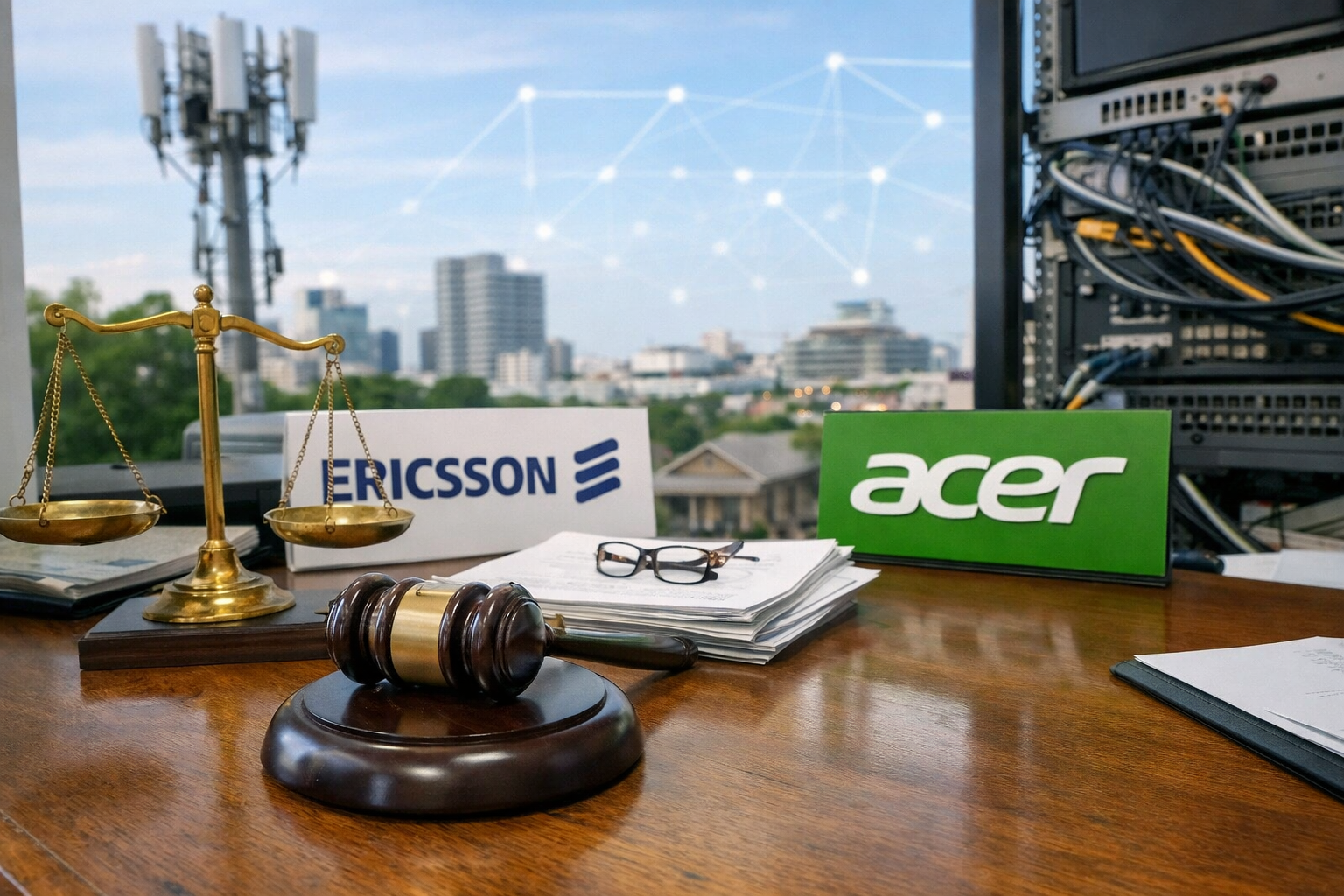
Illustration showing Ericsson and Acer logos representing a legal dispute over 4G and 5G wireless patent licensing and standard-essential patents in the telecom industry.

The global technology industry is witnessing another major legal confrontation as Swedish telecom giant Ericsson has filed a lawsuit against Taiwanese electronics manufacturer Acer over alleged disputes involving 4G and 5G wireless patent licensing. The case highlights rising tensions over standard-essential patents (SEPs) and underscores how licensing conflicts are reshaping the competitive landscape of next-generation connectivity.

The lawsuit, filed in a United States federal court, centers on claims that Acer failed to comply with industry-standard licensing obligations and pursued aggressive litigation strategies against telecom operators using Ericsson’s network equipment. The legal clash adds to a growing wave of high-stakes patent disputes that increasingly define relationships between infrastructure providers, device manufacturers, and telecom carriers worldwide.

A Strategic Legal Move by Ericsson

Ericsson’s legal action seeks clarity and protection against what the company describes as escalating threats from Acer’s patent enforcement tactics. According to court filings, Ericsson is requesting a judicial declaration confirming that it does not infringe Acer’s patents and that Acer violated obligations to negotiate licensing agreements under fair terms.

The Swedish telecom company argues that Acer pursued litigation against Ericsson’s customers rather than engaging constructively in licensing negotiations. Such actions, Ericsson claims, disrupt industry norms and undermine the cooperative framework designed to ensure interoperability across global telecom standards.

By filing the lawsuit, Ericsson aims to shift the legal battleground away from indirect disputes involving network operators and toward a direct resolution between patent holders.

The Role of Standard-Essential Patents

At the heart of the dispute lies the complex world of standard-essential patents. These patents cover technologies required to implement globally recognized wireless standards such as 4G LTE and 5G.

Companies that hold SEPs commit to licensing them under FRAND principles — fair, reasonable, and non-discriminatory terms. The FRAND framework exists to balance innovation incentives with industry accessibility. Without such rules, companies could block competitors from using critical technologies needed to maintain interoperable networks.

Ericsson claims Acer’s actions conflict with these obligations. The lawsuit alleges that Acer adopted strategies that pressure telecom operators and ecosystem partners instead of resolving licensing issues through direct negotiation.

Dispute Escalation: From Negotiations to Litigation

Industry observers note that patent licensing disagreements often begin with negotiations over royalty rates or usage rights. In this case, however, talks reportedly broke down, triggering a chain reaction of legal actions.

Acer allegedly filed infringement claims against major telecom operators, including U.S. carriers that deploy Ericsson equipment. Ericsson argues that targeting its customers indirectly places pressure on its business relationships and could disrupt ongoing network operations.

The lawsuit seeks to halt what Ericsson views as a strategy designed to extract licensing concessions by threatening key industry partners.

This escalation reflects a broader trend. Instead of pursuing bilateral licensing discussions, companies increasingly resort to multi-jurisdictional litigation to strengthen bargaining positions.

Comparative Landscape: Device Makers vs Infrastructure Providers

The Ericsson-Acer dispute illustrates the evolving dynamics between device manufacturers and telecom infrastructure vendors.

Traditionally, network equipment providers like Ericsson focused on supplying infrastructure to operators, while consumer device companies negotiated patent licenses separately. However, the boundaries between these roles have blurred as companies diversify portfolios and accumulate extensive patent holdings.

In recent years, technology firms have leveraged intellectual property as both defensive shields and offensive tools. Companies with significant patent portfolios can exert influence across multiple segments of the ecosystem, from handsets and laptops to network hardware and cloud platforms.

This shift has led to more frequent clashes between entities that previously operated in largely separate spheres.

Why FRAND Compliance Matters

FRAND licensing serves as a cornerstone of modern telecommunications. Without it, industry collaboration on shared standards would be nearly impossible.

Standards organizations require patent holders to commit to fair licensing practices to prevent monopolistic behavior. Yet disagreements often arise over what constitutes “fair” or “reasonable” compensation.

Legal disputes frequently hinge on:

  • Royalty calculation methods
  • Geographic licensing scope
  • Portfolio valuation
  • Negotiation conduct and timelines

Ericsson’s lawsuit emphasizes negotiation behavior rather than solely technical infringement claims. This strategic framing could influence how courts evaluate the balance between enforcement rights and industry cooperation.

Potential Industry Impact

The outcome of the lawsuit could shape future licensing negotiations across the telecom sector. If courts support Ericsson’s position, companies may face stricter expectations to negotiate directly and avoid targeting downstream customers as leverage.

Conversely, a ruling favorable to Acer could reinforce aggressive enforcement strategies by patent holders, encouraging similar litigation tactics across the industry.

The dispute also arrives at a critical moment for 5G deployment. Telecom operators continue investing heavily in infrastructure upgrades, and prolonged legal uncertainty could complicate procurement decisions and supply chain stability.

A Broader Pattern of Telecom Patent Battles

The Ericsson-Acer case is not isolated. Telecom companies frequently engage in complex patent disputes as the industry transitions toward advanced wireless technologies.

Over the past decade, similar legal confrontations have involved major players across Europe, Asia, and North America. Companies increasingly seek judicial clarification on FRAND obligations, jurisdictional authority, and cross-licensing frameworks.

Experts say these conflicts reflect the enormous financial stakes associated with 5G innovation. With billions invested in research and development, patent holders aggressively protect their intellectual property while implementers push for predictable licensing costs.

Market and Legal Implications

Beyond legal arguments, the lawsuit carries strategic implications for both companies.

For Ericsson, defending its relationships with telecom operators remains a priority. By seeking court intervention, the company aims to prevent disruptions that could affect customer confidence and network deployment timelines.

For Acer, asserting patent rights signals its intent to expand influence within the wireless technology ecosystem. As device manufacturers diversify into connected hardware and enterprise solutions, control over key patents becomes a powerful competitive advantage.

Investors and industry stakeholders will closely monitor the case for signals about licensing trends and legal risk exposure across the sector.

What Comes Next

The court proceedings will likely involve detailed technical analysis, economic modeling, and examination of negotiation history. Patent litigation often spans months or years, especially when multiple jurisdictions and complex licensing frameworks are involved.

Regardless of the outcome, the dispute reinforces a central reality of the modern telecom industry: innovation and litigation increasingly move hand in hand.

As companies race to define the future of connectivity through 5G and beyond, intellectual property battles will continue to shape alliances, market strategies, and the pace of technological adoption.

For now, Ericsson and Acer find themselves at the center of a high-profile legal contest that could redefine how patent licensing conflicts unfold in the era of global wireless standards.
Zydus Agrees to $120 Million Settlement With Astellas in Mirabegron Patent Dispute, Secures US Market Access

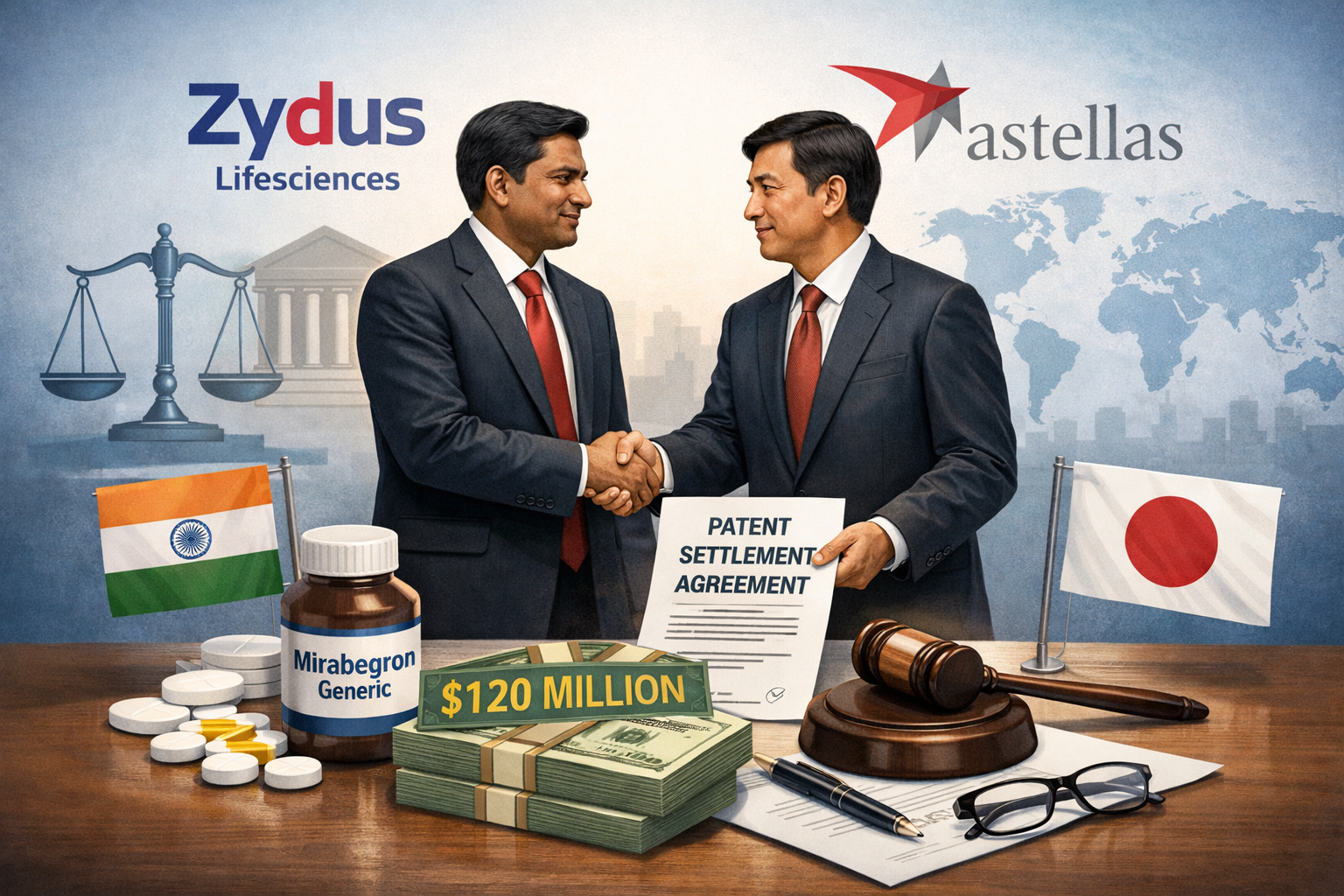
Illustration representing pharmaceutical patent agreement between Zydus Lifesciences and Astellas Pharma involving Mirabegron drug settlement and licensing deal.

Zydus Lifesciences has agreed to pay $120 million to Japan-based Astellas Pharma to resolve long-running patent litigation over the blockbuster overactive bladder drug Mirabegron. The settlement marks a strategic turning point for both companies, ending costly legal battles while allowing Zydus to continue selling its generic version in the United States under a licensing framework.

The agreement highlights the evolving dynamics between brand-name pharmaceutical companies and generic drug manufacturers. Instead of prolonged courtroom fights, companies increasingly pursue negotiated settlements that balance patent protection with commercial opportunity.

Settlement Terms and Financial Structure

Under the settlement, Zydus will make an upfront payment of $120 million to Astellas. The Indian drugmaker will also pay ongoing licensing fees tied to sales volume until September 2027. In exchange, Astellas will resolve pending litigation related to patents covering Mirabegron formulations.

The deal effectively converts the dispute into a licensed arrangement. Zydus secures legal clarity and operational stability, while Astellas retains economic value from its intellectual property.

Industry observers view the settlement as a calculated compromise. Litigation risks remain high in pharmaceutical patent disputes, especially when key patents survive legal challenges. By agreeing to financial terms, both companies avoid the unpredictability of trial outcomes and potential market disruption.

Background of the Patent Conflict

The dispute centered on patents protecting Mirabegron’s extended-release formulation. Astellas markets the drug under the brand name Myrbetriq, a major revenue generator in the urology and bladder treatment market.

Generic manufacturers typically challenge brand patents through abbreviated new drug application (ANDA) pathways in the United States. These challenges often trigger patent infringement lawsuits under the Hatch-Waxman Act, setting the stage for complex legal battles over patent validity and infringement.

Zydus entered the market with a generic version following regulatory approvals, prompting Astellas to enforce its patent rights. Courts had previously upheld the validity of at least one key patent, strengthening Astellas’ position and increasing pressure on generic challengers.

Faced with the possibility of damages or an injunction, Zydus opted for a negotiated resolution.

Strategic Benefits for Zydus

The settlement provides significant strategic advantages for Zydus despite the large payment.

First, it removes legal uncertainty. Patent litigation in the US can drag on for years and expose companies to substantial financial penalties. By resolving disputes now, Zydus eliminates the risk of losing market access due to an unfavorable ruling.

Second, the agreement preserves revenue streams from a high-value product. The US pharmaceutical market remains the world’s largest and most profitable, making continued participation crucial for global generic companies.

Third, the licensing framework allows predictable financial planning. Instead of unpredictable litigation costs, Zydus now faces defined licensing obligations that can be integrated into its commercial strategy.

The move reflects a broader shift among generic drugmakers. Rather than pursuing aggressive litigation through final judgment, many companies now prefer negotiated settlements that guarantee access to key markets.

Advantages for Astellas Pharma

Astellas also emerges from the settlement with clear gains.

The company secures a substantial upfront payment while reinforcing the strength of its patent portfolio. By structuring the agreement around licensing fees, Astellas continues to earn revenue even as generic competition enters the market.

This approach allows Astellas to maintain brand value while managing the inevitable transition to generic competition. Instead of a sudden revenue cliff, the company converts potential losses into controlled income streams.

Moreover, settlements reduce legal costs and eliminate the risk of adverse rulings that could weaken patent protections across multiple jurisdictions.

Comparative Industry Trends

The Zydus-Astellas agreement mirrors recent settlements in the pharmaceutical sector. Patent disputes increasingly end in negotiated licensing arrangements rather than courtroom victories.

In similar cases involving Mirabegron, other generic manufacturers have reached financial settlements with Astellas. These deals signal a broader strategic shift: brand companies seek compensation and controlled competition rather than outright exclusion of generics.

From a commercial perspective, such settlements create a middle ground. Brand companies preserve patent value, while generics gain market access earlier than they might through traditional patent expiration timelines.

Critics, however, sometimes raise concerns about potential antitrust implications. Regulators closely monitor agreements to ensure they do not unlawfully delay competition or involve “pay-for-delay” structures. Licensing-based settlements typically avoid these issues by allowing market participation rather than blocking entry.

Impact on the Generic Drug Landscape

The settlement underscores how intellectual property remains the central battleground in the pharmaceutical industry. Patents determine market exclusivity, pricing power, and competitive timelines.

Generic companies aim to challenge patents to introduce lower-cost alternatives. Brand companies defend those patents to protect revenue and research investments.

The result is a continuous cycle of litigation and negotiation. Agreements like the Zydus-Astellas deal illustrate how both sides increasingly prioritize commercial certainty over prolonged legal confrontation.

For patients and healthcare systems, the outcome may produce mixed effects. Generic competition generally lowers drug prices, but licensing fees may influence pricing strategies depending on market dynamics.

Financial and Market Implications

Investors often interpret settlements as positive signals because they remove legal overhang. For Zydus, the agreement clarifies future earnings potential tied to Mirabegron sales. For Astellas, the financial terms reinforce the profitability of its intellectual property assets.

Analysts expect continued consolidation of legal disputes across major therapeutic areas as companies seek faster resolutions.

The deal also highlights the growing importance of cross-border pharmaceutical partnerships. Indian generics manufacturers continue to expand their presence in the US market, frequently navigating complex patent landscapes to do so.

The Bigger Picture

Pharmaceutical innovation relies heavily on patent protection, yet market realities demand eventual competition. The Zydus-Astellas settlement represents a pragmatic solution that reflects both forces.

Instead of a decisive legal victory for either side, the agreement creates a negotiated balance. Astellas preserves economic returns from its innovation. Zydus secures continued access to a valuable market opportunity.

As patent disputes grow more complex and costly, similar settlements are likely to become the norm rather than the exception. Companies increasingly recognize that strategic compromise can deliver faster and more predictable outcomes than courtroom battles.

The Mirabegron agreement demonstrates how legal strategy, business priorities, and market competition intersect in today’s pharmaceutical landscape. By turning litigation into licensing, both companies reshape rivalry into structured collaboration — a trend that may define the next phase of global drug competition.

Lupin Settles Patent Dispute With Astellas, Secures Future of Mirabegron Sales in the U.S.

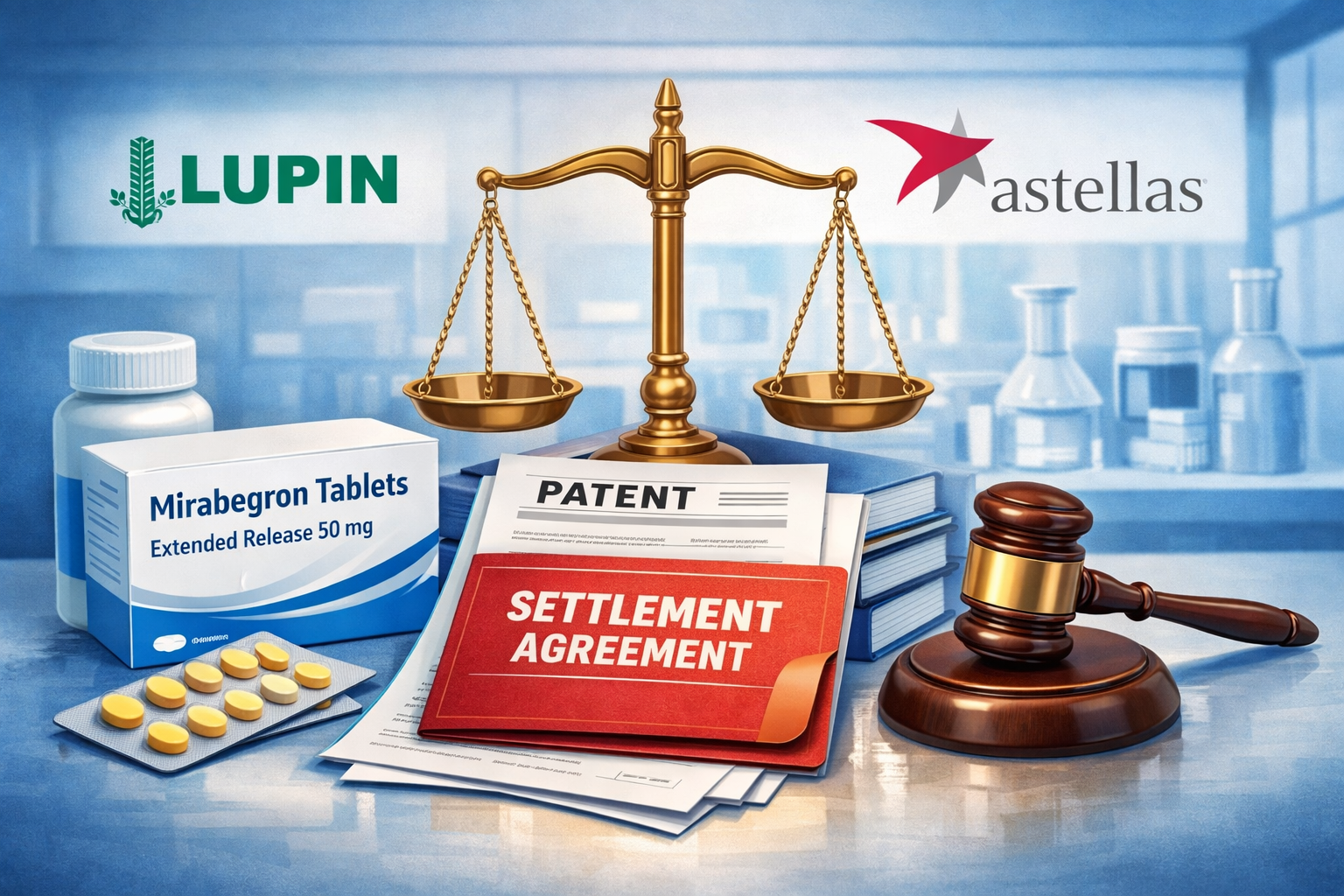
Pharmaceutical patent settlement concept showing legal scales, medicine packaging, and corporate healthcare imagery representing Lupin and Astellas agreement.

In a significant development for the global pharmaceutical industry, Indian drugmaker Lupin Ltd. has reached a strategic settlement with Japan-based Astellas Pharma, resolving a patent infringement dispute related to the overactive bladder drug mirabegron. The agreement allows Lupin to continue marketing and selling its generic version of the medicine in the United States while bringing an end to ongoing litigation that had created uncertainty around the product’s future.

The settlement highlights the evolving dynamics of patent enforcement and generic drug competition, underscoring how licensing agreements increasingly shape market access and revenue stability in the pharmaceutical sector.

Strategic Settlement Ends Legal Uncertainty

Lupin and Astellas had been engaged in a legal battle over intellectual property rights connected to mirabegron, a medication used to treat symptoms of overactive bladder such as urinary urgency and frequency. Astellas, the original developer and patent holder for the branded drug Myrbetriq, alleged that Lupin’s generic version infringed its patents.

Rather than continue prolonged litigation, both companies opted for a settlement that provides a structured commercial pathway. Lupin agreed to make financial payments to Astellas while receiving the right to continue selling its product under licensing terms.

The agreement removes the immediate risk of market withdrawal for Lupin. For investors and analysts, this outcome reduces regulatory and legal uncertainty surrounding a key product in Lupin’s portfolio.

Financial Terms Reflect Balanced Compromise

Under the settlement, Lupin will pay a total of $90 million to Astellas. The arrangement includes a substantial upfront payment alongside ongoing licensing fees tied to future sales volumes.

While the upfront payment represents a significant financial commitment, it offers Lupin a predictable framework for operations. Instead of facing unpredictable court outcomes or potential injunctions, the company now operates within a clearly defined commercial agreement.

This type of financial compromise reflects a broader trend in pharmaceutical patent disputes. Originator companies protect intellectual property through compensation and licensing arrangements, while generic manufacturers secure market access without prolonged legal battles.

Comparing Litigation Risk Versus Licensing Stability

The settlement demonstrates a clear contrast between two strategic paths available to generic drug manufacturers.

On one hand, continued litigation could have resulted in a decisive court ruling, potentially invalidating patents or granting Lupin unrestricted market access. However, such outcomes carry substantial risk. Courts may issue injunctions that force immediate product withdrawal, disrupting supply chains and damaging revenue streams.

On the other hand, a negotiated settlement provides stability. Licensing agreements enable generic manufacturers to maintain sales while minimizing legal exposure. Though licensing fees may reduce profit margins, they ensure continuity and reduce uncertainty.

Lupin’s decision indicates a preference for operational certainty over legal gamble. For many pharmaceutical companies, predictable cash flow outweighs the potential rewards of extended courtroom battles.

Market Implications for Generic Competition

Mirabegron represents an important therapy within the urology segment. The drug addresses overactive bladder, a condition affecting millions of patients worldwide. The growing aging population and increasing diagnosis rates have driven demand for effective treatments, making the market commercially attractive.

By securing a licensing pathway, Lupin maintains its presence in the competitive U.S. generic drug market. The settlement may also influence the timing of entry for other generic competitors. Analysts suggest that structured agreements sometimes create a controlled competitive landscape, allowing licensed generics to operate with limited immediate competition.

This dynamic reflects a broader industry pattern. Patent settlements frequently reshape market timelines, determining when additional generics can enter and how pricing pressures evolve.

Astellas Strengthens Patent Protection Strategy

For Astellas Pharma, the settlement delivers both financial and strategic benefits. The company reinforces its intellectual property position while generating revenue through licensing fees. Instead of risking patent invalidation through litigation, Astellas preserves control over its technology while allowing controlled generic participation.

This strategy aligns with how many originator pharmaceutical companies manage patent disputes. Rather than pursuing all-or-nothing legal outcomes, they negotiate agreements that balance protection of innovation with commercial pragmatism.

The approach also signals confidence in the underlying patent portfolio. By negotiating licensing rather than conceding market control, Astellas maintains its brand value and long-term intellectual property strategy.

Broader Industry Context: Rising Patent Settlements

The pharmaceutical industry has witnessed a growing number of patent settlements between originator companies and generic manufacturers. These agreements often emerge after initial litigation establishes risk exposure for both sides.

Generic drugmakers face rising costs associated with lengthy court proceedings. Legal battles can span years, draining resources and delaying market entry. Meanwhile, originator companies must weigh the cost of defending patents against the uncertainty of court outcomes.

As a result, negotiated settlements increasingly serve as pragmatic solutions. They enable companies to manage risk, protect revenue streams, and maintain supply continuity for patients.

Impact on Patients and Healthcare Systems

From a patient perspective, the continuation of generic mirabegron sales ensures ongoing access to treatment options. Generic versions typically lower drug prices by introducing competition, improving affordability for healthcare systems and individuals.

However, licensing agreements that limit competition may influence pricing dynamics. While patients benefit from continued availability, the pace of price reductions may depend on when additional generics enter the market.

Healthcare providers and insurers often monitor such settlements closely, as they shape reimbursement strategies and cost management policies.

Lupin’s Strategic Position Going Forward

The resolution of the dispute marks a stabilizing moment for Lupin. The company strengthens its foothold in the U.S. market, one of the most lucrative and competitive pharmaceutical environments globally.

By securing continued sales rights, Lupin safeguards revenue streams while avoiding the disruption that adverse litigation outcomes could have caused. The settlement also allows management to focus on growth strategies rather than legal defense.

Going forward, the company must balance licensing costs with operational efficiency. Effective pricing strategies and supply chain management will play critical roles in maintaining profitability.

The Future of Patent Dispute Resolution

The Lupin-Astellas agreement highlights a broader transformation in how pharmaceutical patent conflicts unfold. Rather than relying solely on courtroom victories, companies increasingly pursue negotiated solutions that align commercial interests with legal realities.

Such agreements reflect the complex balance between innovation protection and generic competition. Patent holders seek to safeguard research investments, while generic manufacturers push to expand access and reduce costs.

As the pharmaceutical landscape evolves, settlements like this one will likely remain central to managing market transitions after patent expiry.

Conclusion

The settlement between Lupin and Astellas marks a decisive moment in the ongoing intersection of intellectual property law and pharmaceutical competition. By choosing negotiation over prolonged litigation, both companies secure strategic advantages.

Lupin ensures continuity in the U.S. market for its generic mirabegron product. Astellas protects its patents while gaining financial compensation and licensing revenue. Together, the agreement demonstrates how modern pharmaceutical disputes increasingly resolve through collaboration rather than confrontation.

For the industry, the case serves as another example of how strategic settlements shape competitive landscapes, influence pricing dynamics, and redefine the balance between innovation and access in global healthcare.

Iran Secures International Patent for Breakthrough Curcumin-Based Nanomedicine

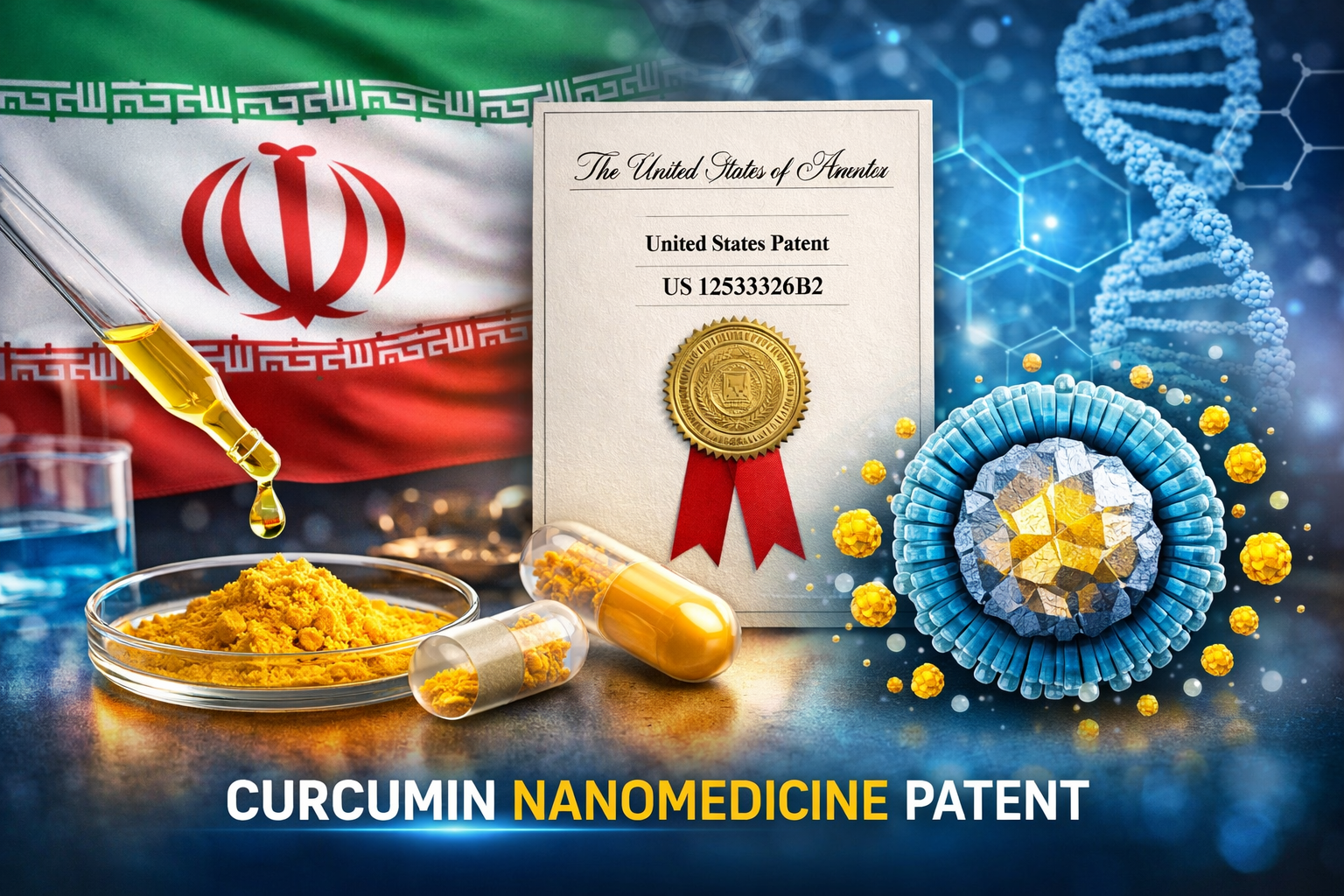
Iran secures international patent for curcumin-based nanomedicine using nano-crystal technology

Iran has achieved a major scientific and commercial milestone. Iranian researchers have secured an international patent for an advanced curcumin-based nanomedicine, marking a decisive step forward in pharmaceutical nanotechnology and natural compound therapeutics.

The patented invention transforms curcumin — a well-known bioactive compound derived from turmeric — into a highly effective medical formulation. It overcomes long-standing scientific barriers that have limited curcumin’s real-world therapeutic use for decades.

Turning Promise into Performance

Curcumin has attracted global attention for its anti-inflammatory, antioxidant, and potential disease-modifying properties. Researchers have linked it to benefits in pain management, metabolic disorders, neurological conditions, and oncology research.

Yet curcumin has one critical weakness. The human body absorbs it very poorly. Conventional oral curcumin shows extremely low solubility in water and minimal bioavailability. Most of the compound passes through the body without delivering therapeutic impact.

Iran’s newly patented nanomedicine solves this problem decisively.

Using advanced nano-crystal and co-crystal engineering, Iranian scientists have redesigned curcumin at the molecular level. The result is a formulation that dissolves rapidly, absorbs efficiently, and remains stable in aqueous environments.

Nano Formulation vs Conventional Curcumin

The difference between traditional curcumin and the Iranian nano-curcumin is stark.

Conventional curcumin:

  • Shows very low water solubility
  • Achieves less than 1% systemic absorption
  • Requires high doses to show limited effect

The patented nano-curcumin:

  • Increases water solubility by over 10,000 times
  • Boosts bioavailability by more than 100 times
  • Delivers therapeutic effects at significantly lower doses

This is not a marginal improvement. It is a structural transformation that moves curcumin from the supplement category into serious pharmaceutical territory.

International Patent Protection

The innovation has been granted international patent protection, including registration with the United States Patent and Trademark Office (USPTO). This recognition confirms the novelty, industrial applicability, and inventive step of the Iranian technology under global intellectual property standards.

International protection gives the patent holder exclusive rights to commercialize, license, and expand the technology across major global markets. It also places the invention on equal legal footing with pharmaceutical innovations from leading research economies.

Real-World Applications Already Underway

Unlike many laboratory-stage nanomedicine concepts, this patented formulation has already moved toward practical deployment.

The nano-curcumin technology is being used in:

  • Oral pharmaceutical solutions
  • Functional and therapeutic beverages
  • Human and veterinary health formulations

Because the formulation achieves higher efficacy at lower doses, it improves patient compliance and reduces the risk of side effects associated with high-dose supplementation.

Lower dosing also translates into cost efficiency, making the technology attractive for both public health systems and private pharmaceutical manufacturers.

How It Compares Globally

Around the world, researchers have experimented with liposomes, polymer carriers, and lipid nanoparticles to enhance curcumin delivery. While many approaches have shown promise, most remain limited to experimental studies or early-stage trials.

Iran’s patented technology stands apart for three reasons:

  1. Proven scalability — suitable for industrial pharmaceutical production
  2. Strong legal protection — secured through international patent systems
  3. Immediate usability — already integrated into market-ready formulations

This combination gives Iran a competitive edge in the fast-growing global nanomedicine market.

Implications for Modern Medicine

Improved curcumin delivery has far-reaching implications. Higher bioavailability enables researchers and clinicians to explore curcumin’s role as:

  • An adjunct therapy in inflammatory disorders
  • A supportive agent in neurological and metabolic conditions
  • A complementary compound in oncology research
  • A next-generation nutraceutical with pharmaceutical-grade performance

By addressing pharmacokinetic limitations, the nano-formulation unlocks curcumin’s full therapeutic potential.

Strengthening Iran’s Scientific Footprint

This patent reflects Iran’s expanding role in nanotechnology and applied biomedical research. Over the past decade, the country has steadily increased its output of high-impact scientific publications and internationally recognized patents.

The curcumin nanomedicine patent reinforces Iran’s position as a serious contributor to advanced pharmaceutical innovation. It also highlights the country’s ability to translate academic research into protected, commercial-grade technologies.

Strategic and Economic Impact

Beyond science, the patent carries strong economic value.

International protection enables:

  • Technology licensing to foreign pharmaceutical companies
  • Export-oriented production of nano-based medicines
  • Entry into high-value global healthcare markets

In an industry driven by intellectual property, this patent represents a durable strategic asset.

Conclusion

Iran’s international patent for a curcumin-based nanomedicine marks a decisive breakthrough in drug delivery science. By transforming a powerful but poorly absorbed natural compound into a highly bioavailable therapeutic agent, Iranian researchers have crossed a critical innovation threshold.

The achievement strengthens Iran’s global scientific standing, opens new commercial pathways, and signals a future where nanotechnology bridges the gap between traditional compounds and modern medicine.

Cartherics Strengthens Global IP With TAG-72 CAR Patent in China

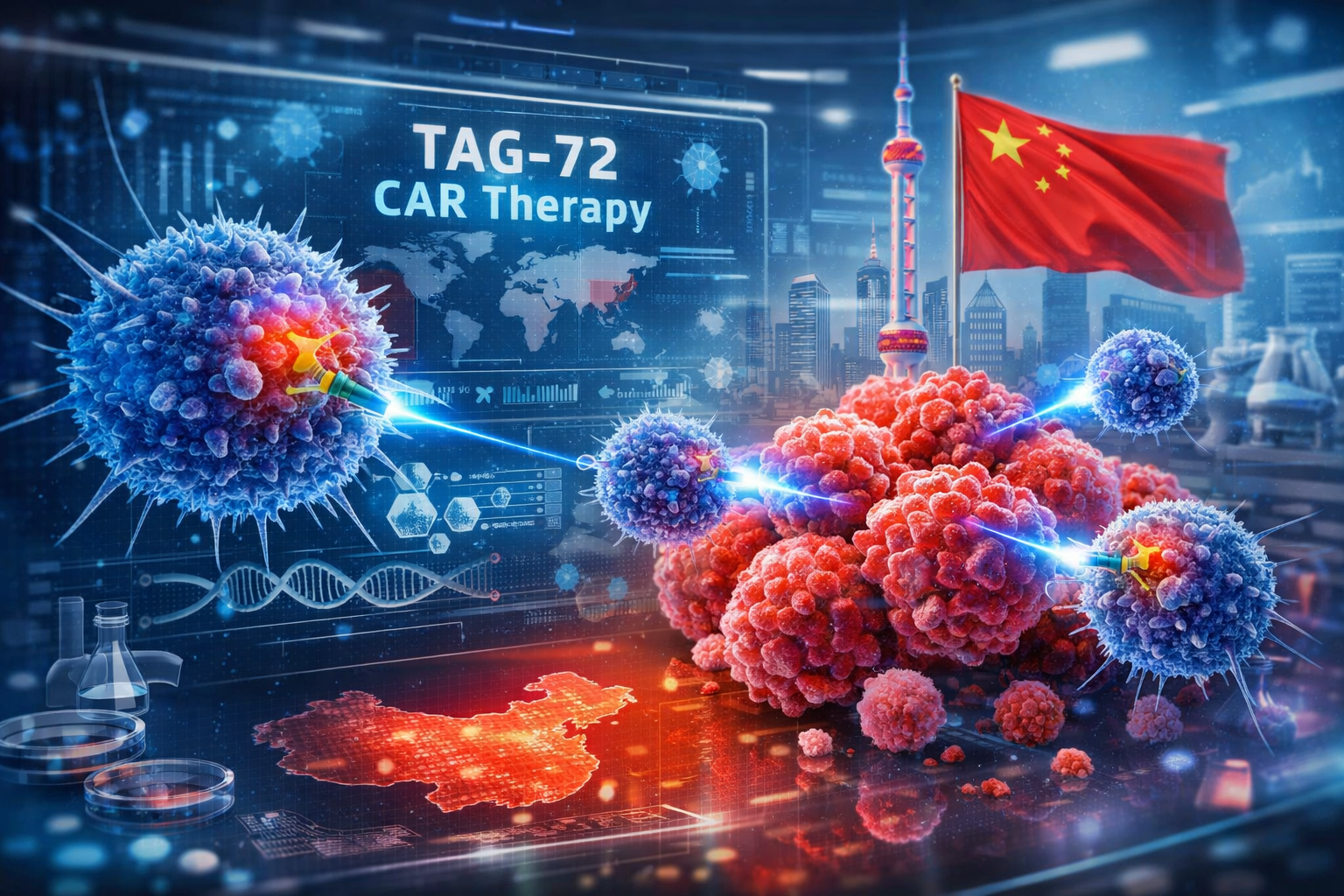
Cartherics secures China patent for TAG-72 CAR gene-modified stem cell cancer therapy


Cartherics Pty Ltd has secured a major intellectual property victory in China, with the grant of a key patent covering its TAG-72 chimeric antigen receptor (CAR) gene-modified stem cell technology. The development significantly strengthens the company’s global patent portfolio and reinforces its position in the rapidly evolving cell-based immunotherapy market.

The newly granted patent protects genetically modified mammalian stem cells engineered with Cartherics’ proprietary CAR technology targeting TAG-72, a tumour-associated antigen widely expressed in several solid cancers. The protection directly supports Cartherics’ lead program, CTH-401, an off-the-shelf CAR-natural killer (CAR-NK) cell therapy under development for ovarian cancer.

This is the second patent from the same family granted to Cartherics in China, underscoring the growing strength and geographic reach of its intellectual property strategy.


China Emerges as a Critical IP Battleground

China has become one of the most competitive and strategically important jurisdictions for biotechnology patents. With a rapidly expanding oncology market and increasing regulatory support for innovative therapies, patent protection in China is now essential for companies seeking long-term commercial success.

Cartherics’ decision to aggressively protect its technology in China sets it apart from many early-stage biotech firms that focus primarily on Western markets. By securing patent rights at this stage, the company reduces future commercialization risks while strengthening its negotiating position for regional partnerships and licensing opportunities.

The patent also reflects the Chinese Patent Office’s recognition of the novelty and inventive step of Cartherics’ CAR-based stem cell technology in a highly crowded immunotherapy field.


CTH-401: A Differentiated Cell Therapy Candidate

At the core of this patent is CTH-401, Cartherics’ lead allogeneic CAR-NK cell therapy derived from induced pluripotent stem cells (iPSCs). Unlike traditional CAR-T therapies, which are manufactured individually for each patient, CTH-401 is designed as an off-the-shelf product.

This distinction is critical.

Off-the-shelf therapies allow for standardized manufacturing, faster patient access, and potentially lower treatment costs. They also avoid the variability and logistical challenges associated with patient-derived cells.

CTH-401 targets TAG-72, a well-validated tumour marker found on ovarian, gastric, pancreatic, and other adenocarcinomas. Solid tumours have historically resisted CAR-based therapies, making TAG-72 an especially valuable target in the race to expand immunotherapy beyond blood cancers.


CAR-NK Versus CAR-T: A Strategic Shift

CAR-T therapies have transformed treatment for certain blood cancers, but they face limitations in solid tumours and are often associated with severe side effects and high costs.

CAR-NK therapies offer a compelling alternative.

Natural killer cells are part of the innate immune system and tend to produce fewer toxic immune reactions. When combined with CAR engineering and stem cell-based manufacturing, they offer a scalable and potentially safer immunotherapy platform.

Cartherics’ China patent protects critical gene-editing steps used to engineer these cells, creating a strong legal barrier against competitors attempting to replicate similar approaches in one of the world’s largest healthcare markets.


Clinical Progress and Timelines

Cartherics is currently manufacturing CTH-401 in upgraded cleanroom facilities and is preparing for first-in-human clinical trials. The company has indicated plans to initiate trials in ovarian cancer patients in the second half of 2026.

Ovarian cancer remains one of the most lethal gynecological cancers globally, with limited treatment options for advanced or recurrent disease. Immunotherapies capable of precisely targeting tumour cells could dramatically alter outcomes for patients who currently face poor prognoses.

The China patent ensures that Cartherics enters this clinical phase with strong intellectual property protection already in place.


Commercial and Partnership Implications

Beyond clinical development, the patent strengthens Cartherics’ appeal to strategic partners. China’s biotech ecosystem increasingly relies on licensing and co-development deals with foreign innovators to accelerate access to advanced therapies.

Cartherics has previously demonstrated its willingness to pursue regional partnerships, particularly in Greater China. The expanded patent coverage enhances the company’s leverage in future negotiations involving manufacturing, clinical development, or commercialization rights.


Leadership Perspective

Cartherics’ management has described the patent as a valuable addition to its growing global IP portfolio, supporting both development and future commercialization of its off-the-shelf cellular therapies.

In an industry where weak patent protection can stall promising science, this development signals both technical maturity and long-term strategic planning.


Looking Ahead

As competition intensifies in the cell therapy sector, strong intellectual property protection is no longer optional. It is foundational.

With multiple patents now secured across key jurisdictions, Cartherics is positioning itself as a serious contender in the next generation of solid-tumour immunotherapies. The China patent is not just a legal milestone. It is a commercial enabler and a confidence signal ahead of clinical validation.

If CTH-401 succeeds in trials, Cartherics’ early and comprehensive IP strategy could prove decisive in bringing a new class of cancer therapies to patients worldwide.

Cube Labs’ Lipovexa Wins U.S. Patent for Metabolic Disease Platform

Lipovexa secures U.S. patent for metabolic disorder treatment platform

Cube Labs S.p.A.’s biotech unit Lipovexa has reached a decisive milestone in metabolic disease research. The U.S. Patent and Trademark Office has granted Lipovexa a new U.S. patent for an advanced therapeutic platform designed to treat metabolic disorders. The development strengthens the company’s scientific credibility and elevates its position in one of the most competitive segments of global healthcare.

The patent protects a novel class of synthetic compounds derived from oleoyl-lysophosphatidylinositol. These molecules are engineered to influence critical metabolic pathways rather than merely suppress symptoms. This strategic shift places Lipovexa in a different category from many existing treatments that focus on downstream effects.

A Fundamental Change in How Metabolic Diseases Are Targeted

Most current therapies for metabolic disorders concentrate on managing outcomes such as high blood sugar or excess weight. Lipovexa’s platform takes a different path. It directly targets the GPR119 receptor, a key metabolic regulator located primarily in the intestine and pancreas.

By activating this receptor, the platform aims to restore glucose balance and metabolic signaling at a foundational level. This approach contrasts sharply with traditional therapies that rely on insulin stimulation or appetite suppression. Lipovexa’s strategy seeks to correct the underlying biochemical imbalance rather than compensate for it.

Early research suggests that GPR119 activation can improve insulin sensitivity and support healthier metabolic responses. This positions Lipovexa’s compounds as potential long-term solutions rather than short-term controls.

What the U.S. Patent Protects

The newly granted patent covers both the composition and therapeutic use of Lipovexa’s synthetic derivatives. It secures exclusive rights to develop and commercialize these molecules for a wide range of metabolic conditions, including:

  • Type 2 diabetes
  • Obesity
  • Metabolic dysfunction-associated liver diseases, including steatohepatitis

The breadth of protection is significant. It allows Lipovexa to explore multiple indications using the same core technology, creating scalability across disease areas.

Securing patent protection in the United States is particularly strategic. The U.S. remains the world’s most influential biotech market. Strong intellectual property rights provide commercial leverage, protect innovation, and attract long-term partners and investors.

Competitive Landscape: A Different Route Than GLP-1 Drugs

The metabolic treatment market is currently dominated by GLP-1-based therapies, which have transformed obesity and diabetes care. These drugs focus on appetite control, insulin secretion, and delayed gastric emptying. While effective, they often bring gastrointestinal side effects and are not suitable for all patients.

Lipovexa’s platform operates through a distinct biological mechanism. By targeting GPR119, it addresses metabolic regulation upstream. This difference could allow Lipovexa’s compounds to complement existing therapies or serve as alternatives for patients who cannot tolerate current options.

The comparison highlights a growing trend in biotech innovation. Instead of improving existing drug classes, companies like Lipovexa are opening new biological pathways that were previously underexplored.

Small Molecules vs. Cell-Based Approaches

Another emerging frontier in metabolic disease treatment involves regenerative and cell-based therapies. These approaches aim to repair or replace dysfunctional metabolic tissue. While promising, they often require complex manufacturing processes, longer development timelines, and stricter regulatory scrutiny.

Lipovexa’s platform relies on small synthetic molecules, which typically offer clearer development pathways and easier scalability. This gives Lipovexa a potential time-to-market advantage. Small-molecule therapies are also easier to distribute globally, especially in cost-sensitive healthcare systems.

The contrast underscores Lipovexa’s pragmatic innovation strategy. It balances scientific ambition with commercial feasibility.

Lipovexa’s Origins and Cube Labs’ Incubation Model

Lipovexa was established as a spin-off within the Cube Labs ecosystem, a life sciences venture builder known for transforming academic research into market-ready companies. Cube Labs retains a majority stake, ensuring strategic oversight and long-term commitment.

This incubation model allows early-stage biotech ventures to access capital, regulatory expertise, and industrial networks. It reduces early-stage risk while accelerating development timelines.

Cube Labs has previously launched multiple ventures across regenerative medicine, inflammation, and advanced therapeutics. Lipovexa now emerges as one of its most strategically positioned assets.

Commercial and Clinical Path Ahead

The U.S. patent marks the beginning of a new phase. Lipovexa must now translate intellectual property into clinical proof. The next steps are expected to include early-phase clinical trials to evaluate safety, dosing, and initial efficacy in humans.

Success at this stage would dramatically increase the platform’s valuation. It would also open doors to strategic partnerships with large pharmaceutical companies seeking novel metabolic assets.

Investors remain highly focused on metabolic disorders. Rising global prevalence, combined with long-term treatment needs, has made the sector one of the most attractive in biotech. A differentiated mechanism like GPR119 activation fits well into this investment narrative.

Strategic Value of U.S. Patent Protection

Beyond science, the patent strengthens Lipovexa’s negotiating power. It creates clear barriers to entry for competitors and enhances licensing opportunities. Pharmaceutical companies increasingly seek externally developed platforms to replenish pipelines. Lipovexa’s protected technology could become a valuable collaboration target.

Patent protection also supports long-term development planning. It allows the company to invest confidently in clinical trials, knowing its core innovation remains shielded.

Global Health Context

Metabolic disorders represent one of the largest unmet medical needs worldwide. Diabetes and obesity rates continue to rise across developed and emerging economies. Liver diseases linked to metabolic dysfunction are becoming more common and more severe.

Healthcare systems face mounting pressure to deliver treatments that are both effective and sustainable. Innovations that address root causes rather than symptoms could reshape long-term care strategies.

Lipovexa’s platform enters this environment with a clear ambition: change how metabolic diseases are treated at their core.

A Turning Point for Lipovexa

The U.S. patent is more than a legal achievement. It is a signal. It confirms that Lipovexa’s science meets global standards of novelty and utility. It validates Cube Labs’ incubation strategy. And it places Lipovexa firmly on the map of next-generation metabolic therapy developers.

If clinical results align with early promise, Lipovexa could emerge as a meaningful disruptor in a crowded market. The journey ahead is complex, but the foundation is now firmly protected.

Court Crushes Zydus Challenge – Helsinn Secures Akynzeo Patent Victory

Wooden judge's gavel resting on a sounding block, symbolizing a decisive court ruling in a legal battle over intellectual property.

The Delhi High Court slams the door on Zydus Healthcare’s bold challenge. Swiss innovator Helsinn Healthcare SA emerges victorious. Justice Tejas Karia dismisses Zydus’s writ petition outright on December 24, 2025. The court upholds a key patent for a breakthrough anti-nausea drug.

Zydus Lifesciences - Wikipedia

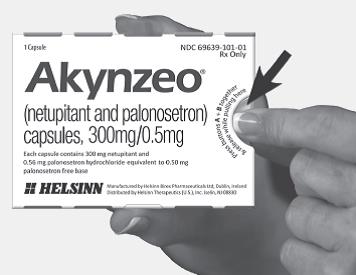
Helsinn triumphs. The patent protects Akynzeo, a powerful fixed-dose combination. It pairs netupitant (300 mg) with palonosetron (0.5 mg). This duo targets chemotherapy-induced nausea and vomiting (CINV). Cancer patients endure brutal side effects from treatment. Akynzeo attacks both acute and delayed phases. It blocks NK1 and 5-HT3 receptors simultaneously. Patients gain long-lasting relief in one capsule.

Zydus strikes first. The Indian generic giant files a pre-grant opposition in 2021. Helsinn submits voluntary amendments during prosecution. Zydus cries foul. It claims amendments expand claims illegally. It alleges violations of Section 59 of the Patents Act. The Mumbai Patent Office rejects these arguments. Controllers grant Indian Patent No. 426553 in March 2023.

Akynzeo: Package Insert / Prescribing Information / MOA

Zydus refuses to back down. It launches a writ petition in Delhi High Court. The company demands quashing the grant. It accuses the Patent Office of jurisdictional errors. It charges breaches of natural justice. Zydus insists it deserves a hearing on post-opposition amendments.

Justice Karia dismantles these claims. The court rules firmly: Delhi lacks territorial jurisdiction. The Mumbai Patent Office handled the grant. Challenges must target the appropriate High Court – Bombay. No jurisdictional error taints the process. Pre-grant opposition and examination run as separate tracks. Opponents hold no automatic right to hearings on amendments.

The judge stresses clarity. No separate order requires pre-First Examination Report amendments. Helsinn follows rules meticulously. The Patent Office issues proper notices. It provides fair opportunities. Zydus suffers no violation of natural justice.

This ruling fortifies originator protections. Helsinn shields its innovation fiercely. Akynzeo transforms cancer supportive care. Guidelines worldwide endorse this triple regimen with dexamethasone. It prevents nausea in highly emetogenic chemotherapy.

In India, Glenmark markets Akynzeo under license. Helsinn partners strategically. The drug reaches patients swiftly. Generic threats loom large. Zydus eyes early entry. Other firms like Hetero face similar battles. Helsinn secures interim injunctions elsewhere. It blocks infringing formulations aggressively.

Experts hail the decision. It curbs forum shopping. Patent challengers must file correctly. Courts intervene sparingly in administrative grants. Only glaring illegalities trigger writ relief.

Zydus explores options. The company may refile in Bombay High Court. Post-grant opposition remains open. Counterclaims arise in infringement suits. Helsinn stands ready to defend.

This clash spotlights India’s pharma battlefield. Originators safeguard rewards for risky R&D. Generics push affordable access aggressively. Combination therapies spark fierce disputes. Evergreening accusations fly often.

Patients win ultimately. Robust patents drive innovation. They deliver superior treatments like Akynzeo. Reliable relief empowers cancer fighters. They battle disease without debilitating nausea.

The industry watches closely. This precedent shapes future fights. Territorial rules tighten. Procedural challenges weaken. Innovators gain ground.

Helsinn celebrates quietly. The Swiss firm advances cancer care globally. Akynzeo leads its portfolio. Protection endures in key markets.

Zydus persists undeterred. The generic powerhouse expands relentlessly. It targets blockbuster opportunities.

India’s patent ecosystem evolves. Courts balance interests skillfully. Innovation thrives. Access improves gradually.

This victory resonates deeply. Helsinn protects a vital lifeline for millions. Cancer patients endure enough. Akynzeo eases their burden dramatically.

Enveric Biosciences Secures Key Patent for Non-Hallucinogenic Mental Health Treatments

Enveric Biosciences lab developing psychedelic therapeutics for mental health.

Enveric Biosciences bolsters its position in the booming psychedelic-inspired therapeutics market. The company announces a major intellectual property win. The United States Patent and Trademark Office issues U.S. Patent No. 12,492,179.

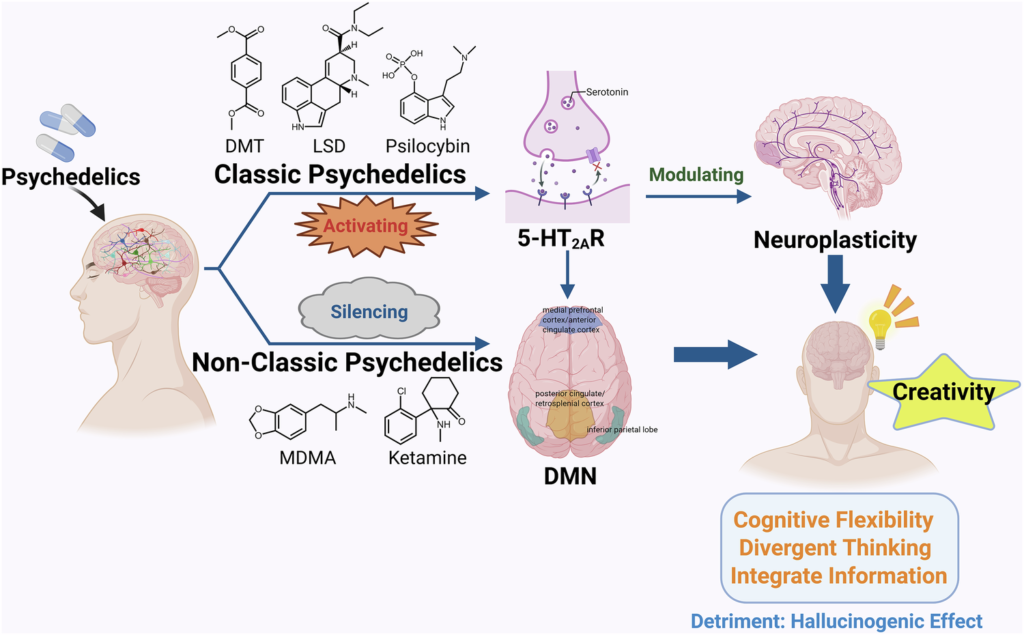
This patent covers novel molecules titled “Substituted Ethylamine Fused Heterocyclic Mescaline Derivatives.” Enveric designs these compounds to promote neuroplasticity. They target severe mental health disorders without causing hallucinations.

Patients struggle with depression, anxiety, PTSD, and addiction. Traditional treatments often fail. Enveric’s innovation addresses this gap. The new molecules derive from mescaline-like structures. Scientists modify them chemically. They enhance efficacy. They reduce side effects.

Hallucinogenic psychedelics show promise. Yet they pose challenges. Patients experience intense trips. Clinics require supervision. Regulators demand more data. Enveric avoids these hurdles. Its neuroplastogens deliver brain rewiring benefits. They skip the psychedelic experience.

Joseph Tucker, Ph.D., leads Enveric as CEO. He celebrates the milestone. “This patent expands our portfolio. It strengthens our pipeline. We target disorders with limited options. Our molecules interact with key receptors in novel ways. They promise better safety and outcomes.”

Composition-of-matter patents offer strong protection. They shield the core chemical structures. Enveric attracts partners. Big pharma seeks licensing deals. The company builds a competitive moat.

Enveric focuses on next-generation therapeutics. It develops small-molecule drugs. These promote neuroplasticity – the brain’s ability to form new connections. Neuroplasticity drives recovery in mental illness.

The psychedelic drugs market explodes. Analysts project growth from about $3-4 billion in 2024 to $8-10 billion by 2032. Compound annual rates hit 13-15%. Mental health crises fuel demand. Over 264 million people suffer depression worldwide. Treatment-resistant cases rise.

Companies chase non-hallucinogenic options. Enveric pioneers this shift. Its Psybrary™ platform generates thousands of candidates. Artificial intelligence aids discovery. The company holds dozens of patents. It issues more in 2025.

Enveric’s lead candidate shines. EB-003 advances rapidly. This first-in-class compound engages 5-HT2A and 5-HT1B receptors. It delivers fast antidepressant and anxiolytic effects. Preclinical data impress. Oral bioavailability works well. Brain penetration proves strong.

Enveric targets IND filing soon. Phase 1 trials follow. EB-003 treats outpatient settings. No need for therapists during sessions. Patients take pills at home. Convenience boosts adherence.

Other pipelines progress. EVM301 and EVM401 series expand. Notices of allowance arrive. Patents issue. Enveric licenses non-core assets. It funds core development.

Investors react positively. Shares jump in premarket trading after the December 29 announcement. The stock faces volatility. It trades as a micro-cap. Market cap hovers low. Yet milestones drive gains.

Enveric raises funds. Warrant exercises bring millions. Cash supports trials. The company regains Nasdaq compliance.

Experts praise the approach. Non-hallucinogenic drugs scale easier. They fit existing healthcare systems. Insurers cover standard pills. Clinics avoid psychedelic infrastructure.

Regulators warm to safer profiles. FDA grants breakthrough designations elsewhere. Enveric positions EB-003 for similar status.

Mental health innovation lags. Antidepressants date back decades. Side effects deter patients. Relapse rates stay high. Psychedelic research revives hope. Enveric refines it.

Researchers link neuroplasticity to recovery. Psychedelics boost dendritic growth. They increase synapses. Non-hallucinogenic versions isolate this mechanism.

Enveric collaborates. It presents at conferences. Data publications follow. Peer-reviewed papers validate methods.

Challenges remain. Clinical trials cost dearly. Enveric seeks partners. Out-licensing generates revenue.

The field attracts talent. Investors eye neuroplastogens. Enveric leads with patents and data.

Patients await better options. Suicide rates climb. Addiction devastates families. Enveric aims to help.

This patent marks progress. Enveric executes strategy. It builds value. The future looks brighter for mental health treatment.

Enveric Biosciences trades on Nasdaq as ENVB. It operates from Cambridge. The team drives innovation. They transform lives.

The mental health revolution gains speed. Enveric rides the wave. Non-hallucinogenic therapies emerge. Hope grows.

MDU Rohtak Patent: Laser-Free Tech Cuts Osmotic Tablet Cost

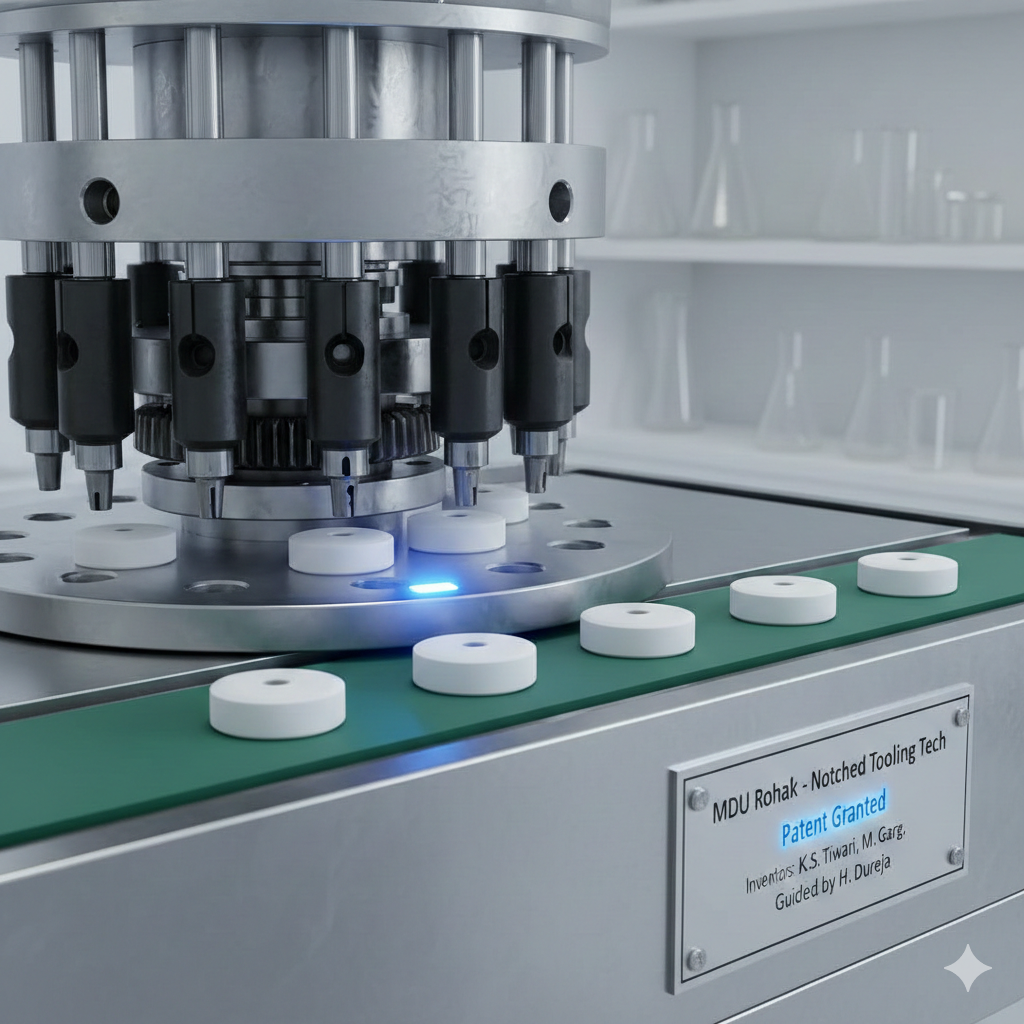
A detailed, realistic 3D render of a pharmaceutical manufacturing process. A stainless steel tablet compression machine with specialized notched tooling is actively drilling precise central holes into white, round osmotic tablets moving along a green conveyor belt. A plaque on the machine reads: "MDU Rohtak - Notched Tooling Tech," "Patent Granted," and lists the inventors: "K.S. Tiwari, M. Garg, Guided by H. Dureja." The background shows blurred laboratory glassware on shelves, signifying a research environment.

Maharshi Dayanand University (MDU) scientists achieved a major breakthrough. They secured a design patent for a new tablet manufacturing technique. This innovation directly affects the production of high-tech osmotic tablets.

New Tooling Cuts Production Costs

The MDU Pharmaceutical Sciences Department developed the technology. It uses notched tooling for standard tablet compression machines. This new tool creates the necessary hole in the tablet. The hole allows for controlled, constant drug release.

“This is a game-changer,” said a university spokesperson.

Expensive Lasers Become Obsolete

The pharmaceutical industry currently uses expensive laser drilling to create this orifice. This specialized step adds significant cost and time. The MDU team bypasses this costly process entirely.

Their notched tooling creates the precise hole during compression. This single-step method eliminates the need for extra laser equipment.

Faster, Cheaper Medication Delivery

The patented technology offers clear benefits:

  • Cost Reduction: Manufacturers save money on expensive machinery.
  • Time Savings: The process integrates drilling into the main production line.
  • Affordability: Reduced production costs can make complex drugs cheaper for patients.

Osmotic tablets treat chronic conditions. These include hypertension, diabetes, and ADHD. They rely on the small hole to deliver medication over many hours. This technology makes controlled-release dosage forms more accessible.

The team included Kirpa Shankar Tiwari, Professor Munish Garg, and Professor Harish Dureja. MDU’s research now promises to revolutionize the efficiency of tablet manufacturing worldwide.

COURT CLEARS SUN PHARMA TO EXPORT KEY WEIGHT LOSS DRUG; RESTRICTS INDIA SALE

Delhi High Court ruling in Sun Pharma versus Novo Nordisk patent dispute over the semaglutide drug (Ozempic/Wegovy) formulation.

The Delhi High Court today delivered a split verdict. It allowed Sun Pharmaceutical Industries to manufacture and export its version of the blockbuster drug semaglutide. However, the court strictly barred the company from selling the product in the domestic Indian market.

Court Upholds Patent Expiry Timeline

The decision is a major development in the pharmaceutical patent battle. Danish giant Novo Nordisk markets semaglutide globally. It is the active ingredient in its widely-used diabetes and weight-loss drugs, Ozempic and Wegovy.

Novo Nordisk sued Sun Pharma for patent infringement. The Danish company seeks to protect its secondary patent. This patent covers specific formulations and the delivery system of the drug. The patent remains valid until March 2026.

The court’s ruling respects this expiration date. It ordered Sun Pharma to refrain from all sales within India until the patent lapses.

Exports Allowed: A Win for Generics

Crucially, the court granted Sun Pharma permission to continue manufacturing. It also allowed exports to countries where Novo Nordisk does not hold patent protection.

This order mirrors a recent ruling against Dr. Reddy’s Laboratories (DRL). Justice Manmeet Pritam Singh Arora heard both cases. She had previously allowed DRL similar manufacturing and export rights.

Sun Pharma provided a formal undertaking to the court. The company will comply with the domestic sales ban. It will also provide the court with full details of its manufacturing and export accounts.

Evergreening Challenge Cited

The ongoing dispute centers on the validity of Novo Nordisk’s secondary patent. Generic makers argue the patent constitutes evergreening.

Evergreening is a common practice. Companies attempt to extend their patent monopoly. They secure new patents on minor modifications to an existing drug.

The Indian Patents Act, specifically Section 3(d), prohibits this. This section denies patents for new forms of a known substance. The new form must show a significant enhancement in therapeutic efficacy.

The court noted that Sun Pharma and DRL raised a “credible challenge” to the secondary patent’s validity. This legal challenge bolstered the generic companies’ position.

Market Impact: A Race for 2026

The ruling is a clear signal. It encourages Indian generic companies to prepare for market entry.

The global market for GLP-1 drugs like semaglutide is massive. Indian drug makers are now lining up to launch their generic versions.

The ban on domestic sales protects Novo Nordisk’s current market exclusivity. Yet, the export green light allows generic firms to gain a foothold. This prepares them for a competitive domestic launch in March 2026.

Novo Nordisk still holds an advantage in the Indian market. It recently cut the price of its product, Wegovy. This move increases competition against rivals like Eli Lilly’s Mounjaro.

Novo Nordisk has indicated it intends to appeal the court’s earlier decision in the DRL case. The legal battle for the lucrative weight-loss drug market will continue.