KeepsakeMom Secures U.S. Patent for Breastmilk Preservation, Transforming Sentimental Jewelry Market

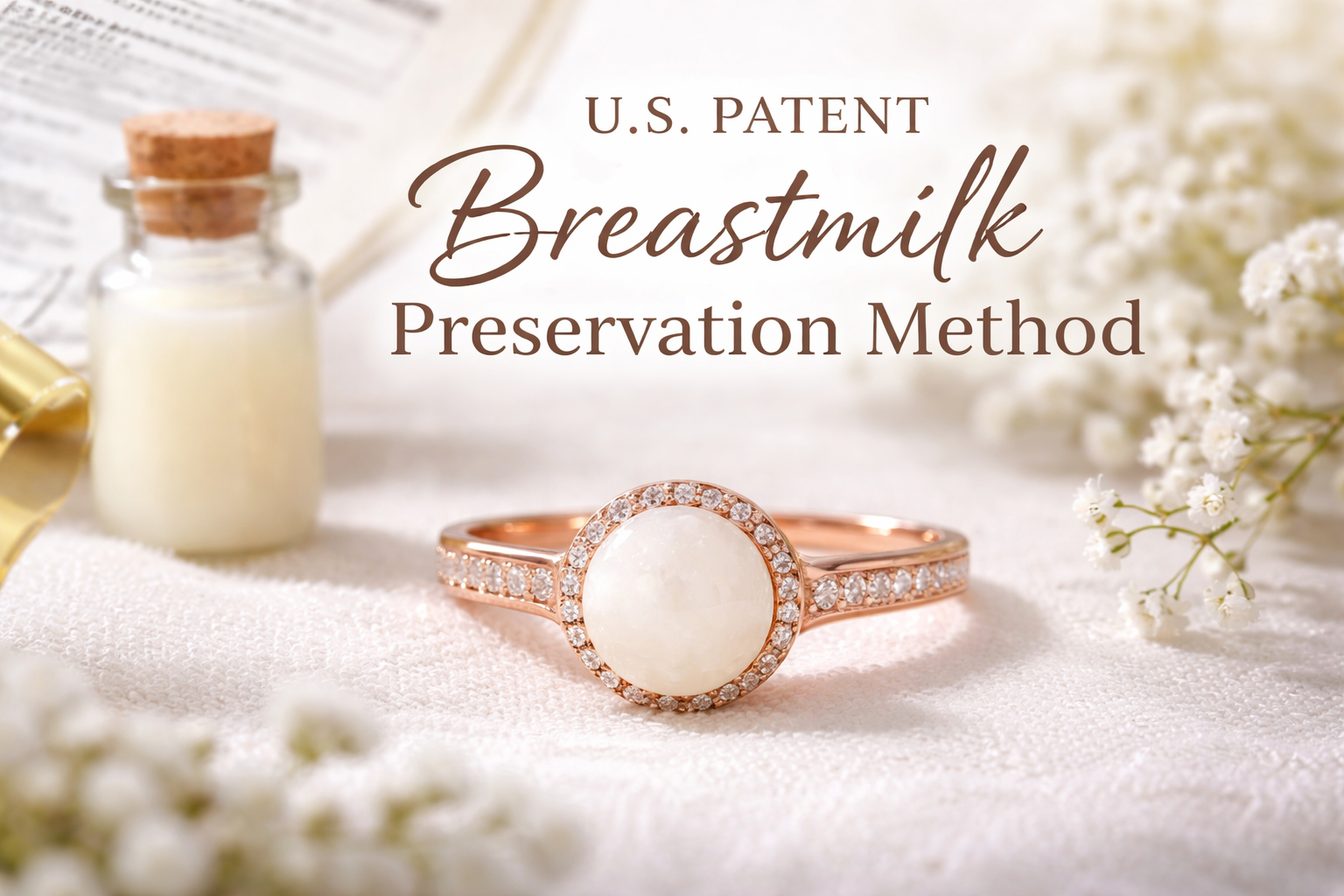
Breastmilk jewelry ring showcasing preserved milk using patented KeepsakeMom preservation technology

In a decisive move that could reshape a niche yet fast-growing market, KeepsakeMom has secured a U.S. patent for its proprietary breastmilk preservation method. The development marks a turning point for the sentimental jewelry sector, where emotional value meets scientific precision.

The newly granted patent not only strengthens the company’s intellectual property portfolio but also sets a new benchmark for quality, durability, and trust in breastmilk-based keepsakes.

A Breakthrough in Preservation Science

KeepsakeMom’s patented process tackles a long-standing challenge in the industry—how to preserve breastmilk in a stable, visually appealing form over time.

Traditional preservation methods often fall short. They struggle with:

  • Yellowing or browning of milk
  • Texture degradation
  • Loss of clarity and aesthetic appeal

KeepsakeMom claims its method eliminates these issues through a controlled, multi-step stabilization process. The result is a preserved material that retains its original tone and consistency for years.

This innovation transforms breastmilk from a fragile biological substance into a durable artistic medium suitable for fine jewelry.

From Craft to Controlled Technology

The breastmilk jewelry industry has largely operated in a semi-artisan space. Many small businesses rely on handmade techniques passed down informally. While these methods carry emotional authenticity, they often lack consistency.

KeepsakeMom disrupts this model.

Traditional Approach vs Patented Method

FactorConventional TechniquesKeepsakeMom Patent
Process ControlManual, inconsistentScientifically controlled
Color StabilityProne to yellowingEngineered to resist discoloration
LongevityLimited lifespanLong-term durability
StandardizationMinimalHigh repeatability
Legal ProtectionNoneU.S. patent secured

This shift from craft-based production to technology-driven preservation signals a broader evolution in the industry.

Emotional Value Meets Scientific Precision

Breastmilk jewelry is not just a product. It represents a deeply personal journey—motherhood, nurturing, and memory.

Customers choose these keepsakes to:

  • Celebrate breastfeeding milestones
  • Honor maternal bonds
  • Preserve fleeting moments

However, emotional value demands lasting quality. A keepsake that degrades over time risks losing its meaning.

KeepsakeMom’s innovation addresses this gap directly. By ensuring stability and longevity, the company enhances both emotional satisfaction and product reliability.

Competitive Edge in a Crowded Market

The global market for personalized and sentimental jewelry is expanding rapidly. Within this space, breastmilk jewelry has emerged as a unique category.

Yet, competition is intensifying.

Many sellers offer similar designs—rings, pendants, earrings—but differ significantly in quality. Without standardized preservation methods, results vary widely.

KeepsakeMom’s patent changes the competitive landscape.

Key Advantages

  • Exclusivity: The company holds legal rights to its preservation process in the U.S.
  • Brand Authority: Patent-backed claims build stronger consumer trust
  • Barrier to Entry: Competitors must develop alternative methods
  • Scalability: Standardized processes enable consistent large-scale production

This positions KeepsakeMom as a technology leader, not just a jewelry brand.

Legal Protection and Strategic Growth

A U.S. patent offers more than recognition. It provides enforceable rights.

KeepsakeMom can now:

  • Prevent unauthorized use of its method
  • License the technology to partners
  • Strengthen its valuation for future investment

In an industry where imitation is common, legal protection becomes a powerful strategic tool.

The patent also opens doors for international expansion, as the company may seek similar protections in other jurisdictions.

Industry-Wide Implications

KeepsakeMom’s patent may trigger a ripple effect across the sector.

1. Rise of Innovation

Competitors will likely invest in research to develop alternative preservation technologies. This could accelerate innovation in a previously slow-moving niche.

2. Higher Consumer Expectations

As awareness grows, customers may demand:

  • Proven preservation methods
  • Transparency in production
  • Guarantees of longevity

3. Shift Toward Standardization

The industry could move toward more regulated and standardized practices, reducing variability in product quality.

Customer Trust as a Core Driver

Trust plays a critical role in this market. Customers send a highly personal material—breastmilk—to a company. They expect care, respect, and professionalism.

A patented process reinforces that trust.

It signals:

  • Scientific validation
  • Process reliability
  • Commitment to quality

For many buyers, this assurance can be the deciding factor.

Blending Sentiment and Innovation

KeepsakeMom’s success highlights a broader trend: the fusion of emotion-driven products with advanced technology.

This trend is visible across industries:

  • DNA-based ancestry kits
  • Personalized health tracking
  • Custom memorial products

In each case, companies combine deep personal meaning with technical expertise.

KeepsakeMom fits squarely within this movement. Its patented method elevates a sentimental product into a precision-crafted keepsake.

Challenges Ahead

Despite the breakthrough, challenges remain.

  • Cost Sensitivity: Advanced processes may increase production costs
  • Market Education: Customers must understand the value of patented methods
  • Imitation Risks: Competitors may attempt workarounds

To sustain its lead, KeepsakeMom must continue innovating while clearly communicating its value proposition.

The Road Forward

The patent marks a beginning, not an endpoint.

KeepsakeMom is now positioned to:

  • Expand product lines
  • Enter new geographic markets
  • Explore partnerships and licensing deals

If executed effectively, the company could dominate a niche that is steadily moving into the mainstream.

Conclusion

KeepsakeMom’s U.S. patent represents a powerful convergence of science, sentiment, and strategy. It transforms breastmilk preservation from an uncertain craft into a controlled, reliable process.

In doing so, the company sets a new industry standard.

The message is clear: in a market driven by emotion, quality and trust are non-negotiable. With its patented technology, KeepsakeMom is not just preserving breastmilk—it is preserving memories with precision, permanence, and purpose.
FTC Tightens Grip on Big Pharma as Patent Cliff Looms: Mergers, Market Power Under Scrutiny

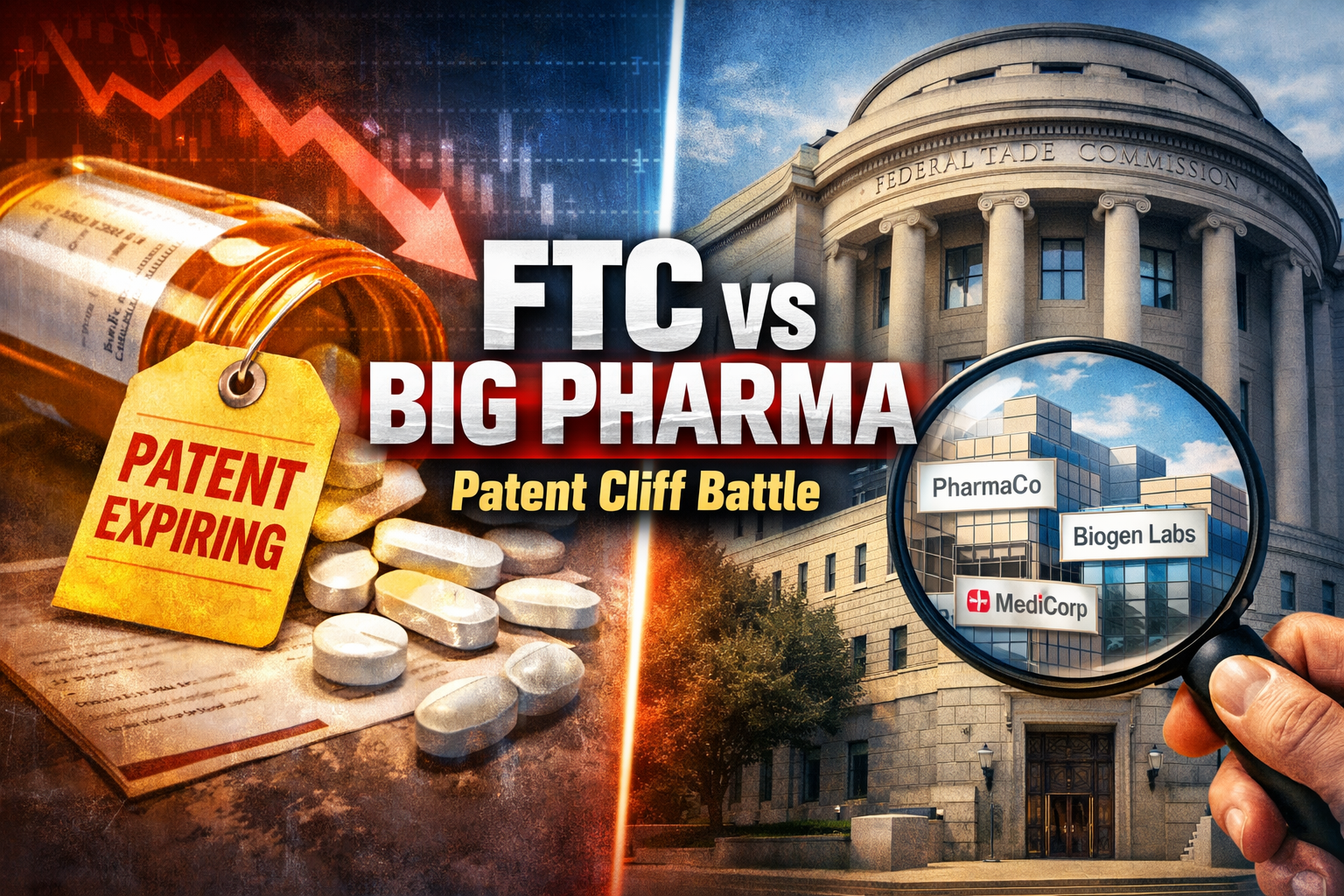
C scrutiny on pharmaceutical companies as drug patents expire and generic competition rises

The Federal Trade Commission has stepped up its oversight of the pharmaceutical industry as a wave of high-value drug patents approaches expiration. The move signals a decisive shift in regulatory strategy. It aims to prevent anti-competitive behavior at a time when billions of dollars in drug revenues are at stake.

As blockbuster medicines lose exclusivity, the stakes are rising fast. Generic competition is set to surge. Prices could fall sharply. But regulators fear that large pharmaceutical companies may attempt to delay or weaken this transition through strategic mergers, acquisitions, and patent tactics.

Patent Expiration Wave Sparks Urgency

The global pharmaceutical industry is heading toward a major “patent cliff.” Several top-selling drugs will lose protection over the next few years. These include treatments for cancer, diabetes, and autoimmune diseases.

Once patents expire, generic manufacturers can enter the market. This typically leads to dramatic price reductions—often by as much as 80 percent. For consumers, this is good news. For originator companies, it signals a sharp drop in revenue.

The FTC sees this moment as critical. It wants to ensure that competition unfolds fairly and quickly. Officials have made it clear: they will not tolerate tactics that block or delay generic entry.

Stronger Scrutiny of Mergers and Acquisitions

At the center of the FTC’s strategy lies a tougher stance on mergers and acquisitions.

In the past, large pharmaceutical firms often acquired smaller biotech companies to strengthen their pipelines. These deals helped replace revenue lost after patent expiry. However, regulators now worry that such consolidation may reduce competition before it even begins.

The FTC is now:

  • Reviewing deals more aggressively
  • Examining early-stage pipeline overlaps
  • Challenging acquisitions that may limit future competition

This marks a shift from earlier practices. Previously, regulators focused mainly on marketed drugs. Now, they are looking deeper—into research pipelines and future products.

The message is clear. Companies cannot simply buy their way out of the patent cliff.

Then vs Now: A Clear Regulatory Shift

Earlier Approach:

  • Focus on existing products
  • Limited scrutiny of early-stage drugs
  • Faster approvals of pharma mergers

Current Approach:

  • Deep analysis of pipeline competition
  • Close monitoring of post-merger market impact
  • Increased willingness to block or unwind deals

This comparative shift reflects a broader change in U.S. antitrust enforcement. Authorities are becoming more proactive. They aim to stop problems before they harm the market.

Crackdown on Anti-Competitive Tactics

The FTC is not only targeting mergers. It is also focusing on business practices that can delay generic competition.

Key areas of concern include:

1. Patent Evergreening

Companies sometimes file multiple secondary patents to extend exclusivity. These may cover minor changes in formulation or delivery. While legal in some cases, regulators argue that such tactics can be abused.

2. “Pay-for-Delay” Agreements

In these deals, brand-name companies pay generic firms to delay market entry. The FTC has long opposed such arrangements. It considers them harmful to consumers.

3. Improper Patent Listings

Some firms list questionable patents in regulatory databases. This can create legal hurdles for generic challengers. The FTC has already pushed for the removal of such listings.

By targeting these strategies, the agency aims to accelerate access to affordable medicines.

Impact on Drug Prices and Consumers

The outcome of this regulatory push could reshape drug pricing in the United States.

When generics enter the market:

  • Prices typically drop sharply
  • Competition increases supply
  • Healthcare costs decline

For patients, this could mean greater access to life-saving treatments. For insurers and governments, it could ease financial pressure.

However, the transition is not automatic. Without strong oversight, dominant firms could slow down competition. This is exactly what the FTC wants to prevent.

Industry Pushback and Concerns

Pharmaceutical companies argue that strict regulation could harm innovation.

They claim that:

  • High profits fund research and development
  • Mergers help scale innovation
  • Patent protections reward scientific breakthroughs

Industry leaders warn that excessive scrutiny may discourage investment in risky drug development. They also argue that not all patent extensions are abusive. Some reflect genuine improvements in therapy.

This creates a complex balancing act for regulators.

Balancing Innovation vs Competition

The FTC faces a dual challenge. It must protect competition without undermining innovation.

Competition Focus:

  • Faster generic entry
  • Lower drug prices
  • Reduced market concentration

Innovation Focus:

  • Sustained R&D investment
  • Incentives for breakthrough drugs
  • Support for biotech startups

Striking the right balance is critical. Too much regulation could slow innovation. Too little could keep prices high.

Global Ripple Effects

The FTC’s actions could influence regulatory approaches worldwide.

Authorities in regions like:

  • European Union
  • India

are also tightening scrutiny of pharmaceutical practices. Issues such as patent evergreening and market dominance are global concerns.

In India, for example, courts and regulators have already taken a strong stance against unjustified patent extensions. The U.S. move may reinforce similar trends globally.

A Turning Point for Big Pharma

The coming years will define how the pharmaceutical industry adapts to this new environment.

Companies must now:

  • Rethink acquisition strategies
  • Strengthen compliance frameworks
  • Focus on genuine innovation

Regulators, meanwhile, will continue to expand their oversight toolkit.

This is not a temporary shift. It marks the beginning of a more assertive regulatory era.

Conclusion

The FTC’s intensified oversight comes at a pivotal moment for the pharmaceutical industry. As major patents expire, the transition to generic competition will reshape markets, pricing, and access to medicines.

By tightening control over mergers, acquisitions, and patent strategies, the FTC aims to ensure that this transition benefits consumers—not just corporations.

The battle lines are now clear. On one side stands the push for affordable healthcare. On the other stands the need to sustain innovation.

How this balance unfolds will determine the future of global pharma—and the cost of medicine for millions.

India Opens the Gates to Affordable Diabetes and Weight-Loss Drugs

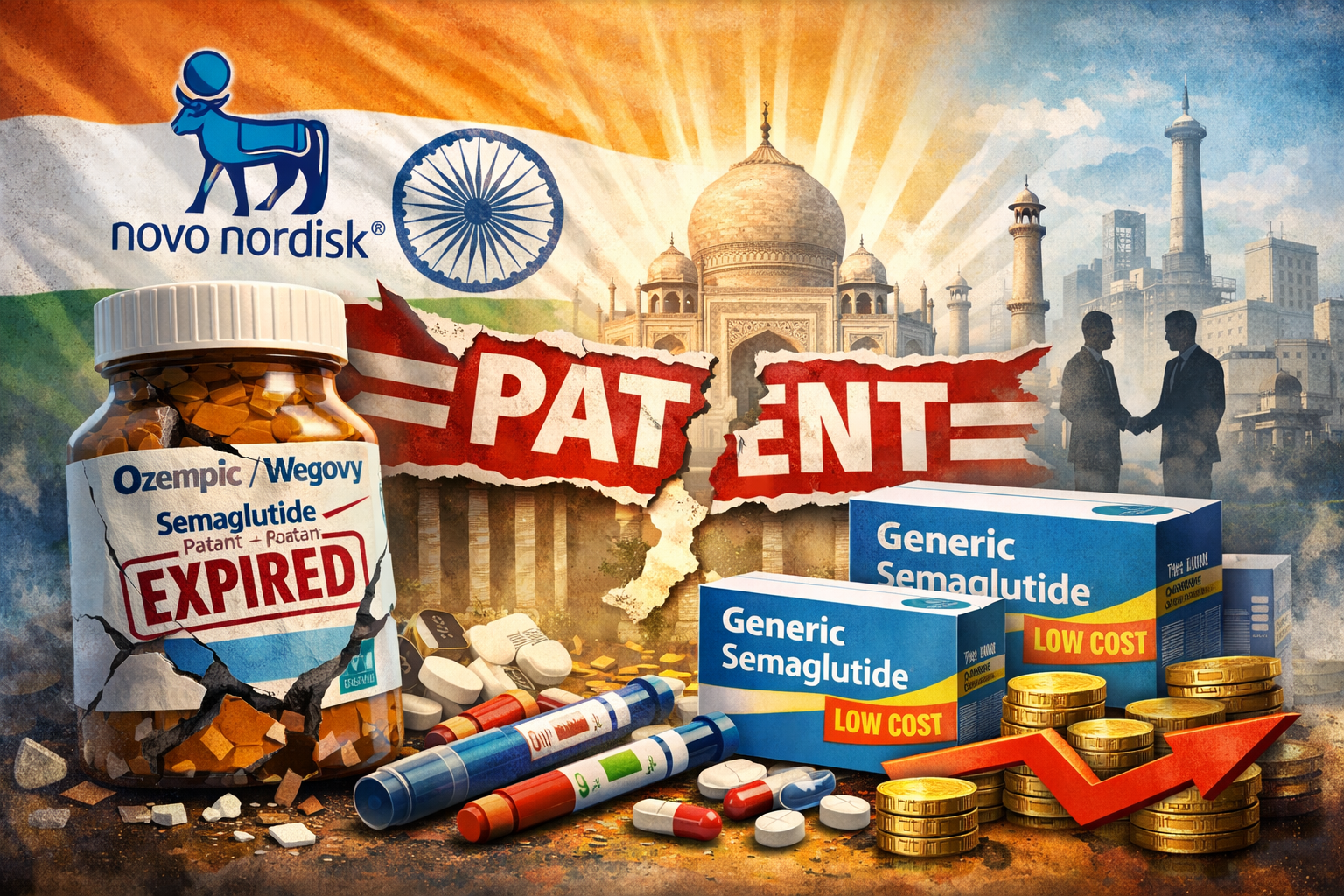
Novo Nordisk semaglutide patent expiry in India leading to generic drug competition and lower prices

A major shift is unfolding in India’s pharmaceutical landscape. Danish drugmaker Novo Nordisk is set to lose its exclusive hold over semaglutide, the active ingredient behind its blockbuster therapies Ozempic and Wegovy. As the patent expires in March 2026, India is preparing for a wave of low-cost generic alternatives that could transform access to treatment for millions.

This development marks a decisive break from high-priced monopolies. It also sets the stage for intense competition in one of the world’s fastest-growing drug markets.

Patent Expiry: A Legal Shift With Market Shockwaves

The expiration of the semaglutide patent removes Novo Nordisk’s exclusive rights in India. The company can no longer block competitors from manufacturing or selling the drug.

This is not a courtroom defeat. It is a scheduled patent expiry. Yet the impact feels just as dramatic. Indian pharmaceutical firms can now legally produce and distribute generic versions without fear of infringement.

India’s patent framework plays a key role here. The country has long resisted “evergreening,” a practice where companies extend patent life through minor modifications. This legal stance ensures that once a patent expires, competition begins quickly and aggressively.

Before vs After: A Market Redefined

Before Patent Expiry

  • Single dominant player: Novo Nordisk
  • High monthly treatment costs
  • Limited access for middle- and low-income patients
  • Slow adoption despite high demand

After Patent Expiry

  • Dozens of generic manufacturers entering the market
  • Sharp price reductions expected
  • Wider access across income groups
  • Rapid expansion in demand and prescriptions

This contrast highlights the scale of disruption. The shift is not incremental. It is structural.

Generic Drugmakers Move Fast

India’s leading pharmaceutical companies are ready to act. Firms such as Sun Pharma, Dr. Reddy’s Laboratories, and Cipla are expected to launch generic semaglutide products soon after the patent expiry.

Industry estimates suggest that more than 50 generic versions could hit the market within months. This rapid rollout reflects India’s strength as a global hub for affordable medicines.

These companies bring scale, distribution networks, and pricing power. They also understand the domestic market better than global players.

Price War Incoming

The biggest immediate impact will be on pricing.

Currently, semaglutide-based therapies can cost between ₹8,000 and ₹11,000 per month in India. That price keeps the drug out of reach for a large segment of patients.

With generics entering the market, prices could drop by 30% to 50%, or even more over time.

This decline will not happen quietly. It will be driven by intense competition. Companies will fight for market share through aggressive pricing, wider distribution, and targeted doctor engagement.

The result: a full-scale price war in the GLP-1 drug segment.

Rising Competition: Novo Nordisk vs Rivals

Novo Nordisk will not only face Indian generics. It must also compete with global rival Eli Lilly, which is expanding its presence in the obesity and diabetes segment.

This creates a two-layered battle:

  • Domestic front: Indian generics undercut prices
  • Global front: Multinational firms compete on innovation and branding

Novo Nordisk still holds an advantage in brand recognition and clinical trust. However, price sensitivity in India may erode that edge quickly.

India: The Perfect Storm for Disruption

India offers a unique environment that accelerates the impact of patent expiry:

  • A massive population with rising diabetes and obesity rates
  • Strong domestic pharmaceutical manufacturing
  • Cost-conscious consumers
  • A regulatory system that promotes timely generic entry

This combination ensures that the benefits of patent expiry reach patients faster than in many other countries.

India is not just another market. It is a testing ground for how global drug pricing models hold up under pressure.

Demand Surge on the Horizon

As prices fall, demand is expected to surge.

Doctors who previously hesitated to prescribe semaglutide due to cost constraints may now recommend it more freely. Clinics and telehealth platforms are already preparing for increased patient interest.

Weight-loss treatments, once seen as premium lifestyle drugs, could become mainstream therapies.

This shift may also change public health outcomes. Better access to effective treatments could help reduce complications linked to diabetes and obesity.

Regulatory Oversight Tightens

Even as access improves, regulators are stepping in to maintain control.

Indian authorities have warned pharmaceutical companies against aggressive advertising of weight-loss drugs. The government aims to prevent misleading claims and ensure responsible use.

This move reflects a broader concern. As powerful drugs become widely available, misuse and over-promotion could create new risks.

The challenge lies in balancing accessibility with safety.

Strategic Implications for Novo Nordisk

For Novo Nordisk, India’s patent expiry presents both a challenge and an opportunity.

Challenges

  • Loss of pricing power
  • Erosion of market share
  • Increased competition from generics and rivals

Opportunities

  • Expand volume through lower pricing strategies
  • Strengthen brand loyalty among doctors and patients
  • Introduce next-generation therapies

The company may also shift focus toward innovation. New drug formulations and combination therapies could help it maintain a competitive edge.

Global Ripple Effects

What happens in India rarely stays in India.

The country often acts as a benchmark for affordable drug pricing. If semaglutide becomes widely accessible at lower costs here, pressure may build in other markets to follow suit.

This could influence global pricing strategies, especially in emerging economies.

Pharmaceutical companies worldwide will watch closely. The outcome in India could reshape how they approach patent lifecycles and market entry.

A Defining Moment for Healthcare Access

The expiry of semaglutide’s patent in India is more than a legal milestone. It is a turning point in healthcare access.

Millions of patients who once viewed these treatments as unaffordable may soon have options. Doctors will gain flexibility. Competition will drive innovation and efficiency.

At the same time, companies will face a new reality. Market dominance based on patents is temporary. Long-term success depends on adaptability, pricing strategy, and continuous innovation.

Conclusion

India is entering a new phase in its pharmaceutical journey. The fall of Novo Nordisk’s semaglutide monopoly signals the rise of a more competitive, accessible, and dynamic market.

The contrast is stark. What was once a high-cost, limited-access therapy is becoming a mass-market solution.

As generics flood the market and prices drop, one outcome is clear: the balance of power is shifting—from exclusivity to accessibility, from monopoly to competition.

India’s Crackdown on Patent Evergreening Could Test Drug Patent Regime in 2026

Illustration showing India’s legal battle over pharmaceutical patent evergreening and generic drug competition.

India’s pharmaceutical patent regime is heading toward a decisive moment. Several high-value drug patents are set to expire in 2026. At the same time, multinational pharmaceutical companies are attempting to extend exclusivity through secondary patents. This growing conflict is expected to test India’s strict anti-evergreening framework and reshape the country’s drug patent landscape.

Legal experts believe the coming year could trigger a wave of litigation between global drug innovators and India’s powerful generic drug manufacturers. Courts will need to determine whether new patent claims represent genuine innovation or strategic attempts to prolong monopoly rights.

The outcome could influence drug prices, access to medicines, and the future of pharmaceutical innovation in one of the world’s largest generic medicine markets.

Patent Expiries Set the Stage for a Legal Showdown

Several blockbuster medicines are approaching the end of their primary patent terms in India. Among them is semaglutide, a widely used treatment for diabetes and obesity developed by Novo Nordisk.

The drug powers globally popular brands such as Ozempic, Wegovy, and Rybelsus.

The core patent covering semaglutide is expected to expire in India in March 2026. Once that protection ends, generic manufacturers could begin producing lower-cost versions.

Indian pharmaceutical companies are preparing to enter the market. One of the most prominent players is Dr. Reddy’s Laboratories, which has already engaged in legal proceedings related to the drug.

If generic production begins after patent expiry, prices could drop dramatically. That shift would benefit millions of patients but also threaten billions of dollars in revenue for the original developer.

Understanding Patent Evergreening

The heart of the dispute lies in a controversial strategy known as patent evergreening.

Evergreening occurs when pharmaceutical companies file additional patents for small modifications to an existing drug. These modifications may include:

  • new dosage forms
  • improved delivery mechanisms
  • different chemical salts or crystalline forms
  • modified formulations

While these changes can offer minor technical improvements, critics argue that they rarely provide significant therapeutic benefits.

However, when granted, such patents can extend market exclusivity for years beyond the original 20-year protection period.

In highly competitive pharmaceutical markets, even a short extension can generate billions in additional revenue.

India’s Strong Legal Barrier: Section 3(d)

India stands apart from many other countries because of a powerful legal safeguard against evergreening.

Section 3(d) of the Indian Patents Act restricts patents on new forms of known substances unless they demonstrate significantly enhanced therapeutic efficacy.

This provision was introduced to prevent companies from obtaining patents for trivial modifications. Lawmakers designed the rule to ensure that only meaningful innovations receive patent protection.

The clause gained global attention during a landmark legal battle involving Swiss pharmaceutical giant Novartis. In that case, the Indian Supreme Court rejected a patent application for a modified version of the cancer drug Glivec, citing Section 3(d).

That decision cemented India’s reputation as a country that prioritizes access to affordable medicines.

Courts Increasingly Balance Innovation and Access

Recent court rulings suggest that Indian judges are continuing to apply a strict interpretation of patent law.

One prominent case involved the spinal muscular atrophy drug Risdiplam developed by Roche.

The medication was originally priced at several lakh rupees per bottle, making it unaffordable for many patients in India.

Domestic manufacturer Natco Pharma launched a much cheaper version after legal proceedings allowed its entry into the market.

The price difference was dramatic. The generic product cost a small fraction of the original drug’s price.

Courts ultimately declined to block the generic version, emphasizing public interest and patient access.

Another important case involved the cancer immunotherapy drug Nivolumab, marketed globally by Bristol Myers Squibb.

Indian drugmaker Zydus Lifesciences developed a biosimilar version and introduced it at a significantly lower cost.

The move highlighted the growing confidence of Indian companies in challenging patent barriers.

Generic Industry Sees Massive Opportunity

India’s pharmaceutical sector is one of the largest producers of generic medicines in the world.

Companies across the industry are closely watching the upcoming patent expiries. If courts continue to enforce strict standards against evergreening, generic manufacturers could gain access to several high-value markets.

The potential rewards are enormous.

Drugs for diabetes, cancer, autoimmune diseases, and rare conditions often generate billions of dollars annually. Once generic competition begins, prices can fall sharply.

India’s domestic manufacturers are known for producing affordable medicines at scale. This capability allows them to serve not only the Indian market but also countries across Africa, Asia, and Latin America.

For many developing nations, Indian generics provide the most affordable treatment options.

Global Pharma Faces Strategic Pressure

The evolving legal landscape in India is forcing multinational pharmaceutical companies to rethink their patent strategies.

Many global drug makers rely on layered patent portfolios to protect their products. These portfolios include dozens of patents covering manufacturing processes, formulations, and delivery systems.

In jurisdictions that allow broader patent protection, such strategies can extend exclusivity well beyond the initial patent term.

India’s stricter rules limit that approach.

As a result, some multinational companies argue that the country’s patent regime discourages incremental innovation. They claim that improvements to existing medicines deserve protection because they can enhance safety, stability, or patient compliance.

However, public health advocates strongly disagree.

They argue that evergreening artificially inflates drug prices and delays the entry of affordable alternatives.

Public Health vs Innovation Debate Intensifies

The debate over patent evergreening reflects a deeper global tension between innovation and accessibility.

Supporters of strict patent protections say that pharmaceutical research is expensive and risky. Companies invest billions of dollars in developing new medicines, and strong patent rights help recover those costs.

Without adequate protection, they warn, innovation could slow.

On the other side, health policy experts argue that life-saving medicines should not remain unaffordable due to legal loopholes.

India’s approach attempts to strike a balance.

The country grants patents for genuine innovations while rejecting minor modifications that do not significantly improve therapeutic outcomes.

This model has helped build one of the world’s strongest generic drug industries.

Why 2026 Could Be a Turning Point

The next year could prove pivotal for India’s pharmaceutical patent framework.

Several major drug patents are set to expire around the same time. Generic manufacturers are preparing for market entry. Meanwhile, originator companies are filing additional patent claims in an effort to protect their products.

This convergence is likely to generate complex legal battles.

Courts will need to decide whether new patent applications meet India’s strict standards for innovation.

Their decisions will not only shape the future of individual drugs but also define how aggressively companies can pursue secondary patents.

If courts continue to reject weak patent claims, India could reinforce its position as a global leader in affordable medicines.

The Global Impact of India’s Patent Policy

India’s decisions often influence pharmaceutical markets worldwide.

The country supplies a significant share of generic medicines used in developing countries. Its patent policies therefore affect the availability and affordability of treatments across the globe.

International organizations and governments closely monitor Indian court rulings. Some nations are considering adopting similar legal provisions to prevent evergreening.

At the same time, global pharmaceutical companies are carefully adjusting their strategies for the Indian market.

The stakes are high for both sides.

A Critical Moment for the Drug Patent System

India’s battle against patent evergreening is entering a critical phase.

As blockbuster drugs approach patent expiry and new patent claims emerge, courts will face difficult choices.

Their rulings will determine whether follow-on patents represent genuine innovation or strategic attempts to extend monopoly power.

The decisions could reshape the pharmaceutical landscape in India and beyond.

For patients, the outcome may determine how quickly affordable versions of life-saving medicines become available.

For drug makers, it will define the limits of patent protection in one of the world’s most important pharmaceutical markets.

Weight-Loss Drugs Could Cost Just $3 a Month to Make After Patent Expiry, Study Finds

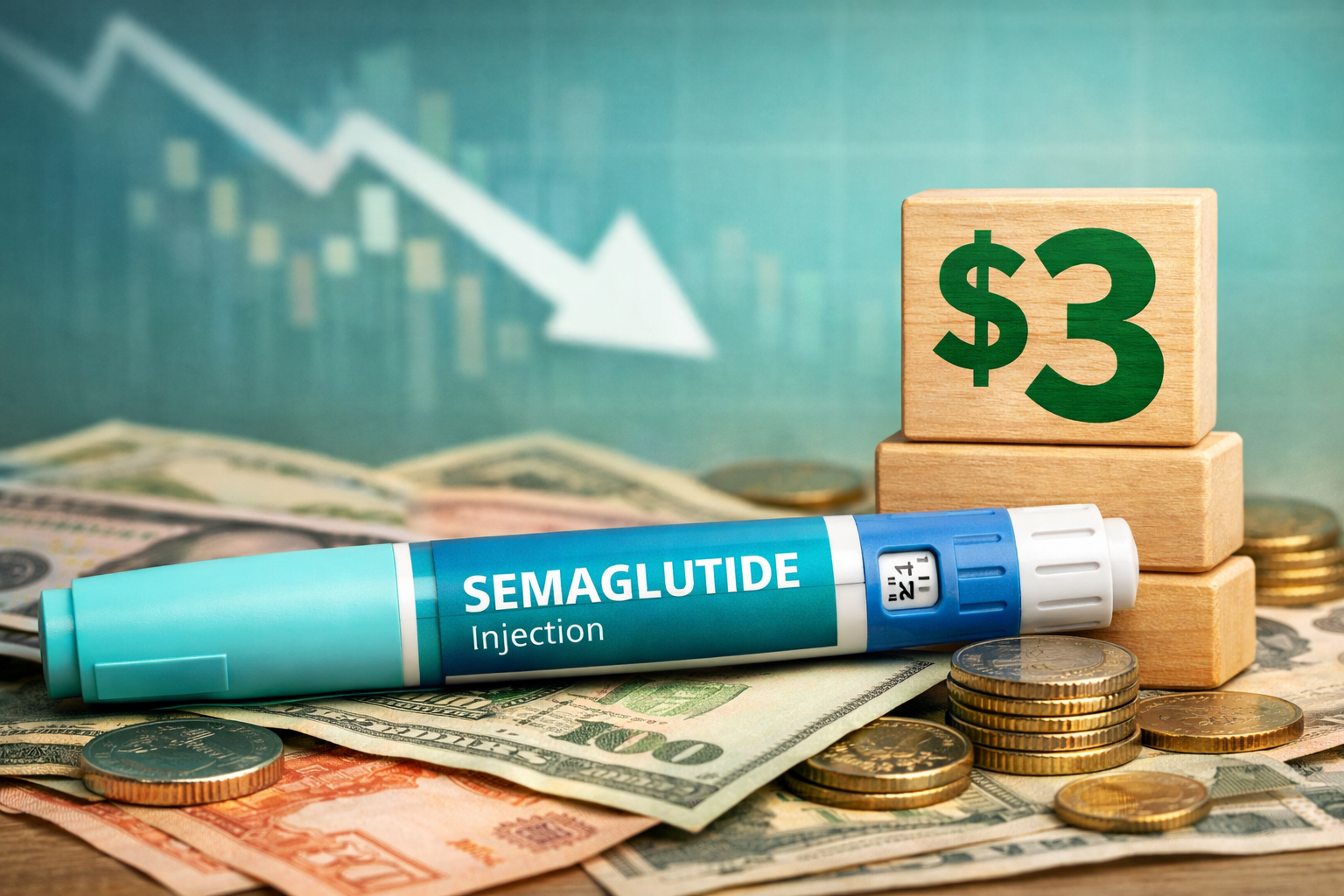
Semaglutide weight-loss injection pen representing cheaper generic obesity drugs after patent expiry

A new global analysis has sparked debate across the pharmaceutical industry. Researchers say the blockbuster weight-loss drug semaglutide—the active ingredient behind popular treatments for obesity and diabetes—could cost as little as $3 per month to manufacture once patent protections expire.

The finding highlights the dramatic gap between current market prices and estimated production costs. Today, patients in many countries pay hundreds of dollars every month for these medicines. But as patent barriers begin to fall in several regions, experts believe generic manufacturers could soon reshape the market.

The development could transform treatment access for millions of people struggling with obesity and type-2 diabetes worldwide.

The Blockbuster Drug Behind the Debate

Semaglutide belongs to a class of medicines known as GLP-1 receptor agonists. These drugs mimic a natural hormone that regulates blood sugar levels and appetite.

Doctors prescribe semaglutide for two major purposes:

  • Type-2 diabetes management
  • Medical weight loss

Two well-known brands dominate the global market today:

  • Ozempic – primarily used to treat diabetes
  • Wegovy – approved for chronic weight management

Both drugs have generated enormous demand. Social media hype, celebrity endorsements, and clinical success have turned them into some of the most talked-about medicines in recent years.

However, their price remains a major barrier.

In the United States and several other markets, monthly treatment costs can exceed $200 to $1,000, depending on insurance coverage and dosage.

This makes semaglutide inaccessible to many patients—especially in developing countries.

Researchers Reveal Stunning Manufacturing Cost

A group of public health researchers recently analyzed the chemical composition, raw materials, and production processes used to manufacture semaglutide.

Their conclusion surprised many industry observers.

According to the study, large-scale generic production could reduce the manufacturing cost to around $3 per month per patient.

Even after adding distribution costs, regulatory expenses, and modest profit margins, the final retail price could remain dramatically lower than current branded versions.

Researchers estimate:

  • Injectable semaglutide could cost roughly $3 to $5 per month to produce.
  • Oral semaglutide pills may cost around $16 per month due to additional formulation complexity.

The numbers highlight one of the biggest price gaps in modern medicine.

Patent Protection Keeps Prices High

The main reason behind the high cost today is patent protection.

Pharmaceutical companies invest billions of dollars in drug discovery, clinical trials, and regulatory approvals. Patent laws grant them temporary market exclusivity so they can recover those investments.

During the patent period, competitors cannot legally manufacture or sell the same drug.

This allows companies to set higher prices.

However, once patents expire, generic manufacturers can enter the market. Competition typically drives prices down dramatically.

History shows that many medicines become 80–95% cheaper after generic versions appear.

Semaglutide may soon follow the same path.

Patent Expirations Are Approaching

Patent timelines differ across countries. Some nations granted earlier patents, while others issued weaker protection or none at all.

According to researchers, semaglutide patents are already nearing expiration in several markets, including:

  • India
  • Brazil
  • China
  • South Africa
  • Mexico
  • Turkey
  • Canada

In some jurisdictions, key patents are expected to expire around 2026.

Once these protections end, generic pharmaceutical companies could begin producing cheaper alternatives.

India, known as the “pharmacy of the world,” may play a major role in this transition.

Indian manufacturers already dominate the global market for affordable generic medicines.

Many Countries Never Had Patents

The study also found something even more striking.

Semaglutide was never patented in many parts of the world.

Researchers identified roughly 150 countries where the drug has no active patent protection.

This means generic versions could theoretically be manufactured and sold in those regions immediately—assuming regulatory approvals are obtained.

These countries include many lower- and middle-income economies where obesity and diabetes are rising rapidly.

In fact, the analysis shows that nations without semaglutide patents contain:

  • Nearly 70% of people living with type-2 diabetes worldwide
  • More than 80% of individuals affected by clinical obesity

Affordable generics could therefore reach a huge population that currently lacks access to these treatments.

Global Health Impact Could Be Massive

Obesity and diabetes represent two of the most serious public health challenges today.

According to international health data:

  • More than 1 billion people worldwide live with obesity.
  • Hundreds of millions suffer from type-2 diabetes.
  • Obesity contributes to millions of deaths every year through heart disease, stroke, and metabolic disorders.

Modern weight-loss medicines like semaglutide have shown remarkable clinical results.

Patients using the drug often lose 10–15% of their body weight, a level previously achievable mainly through surgery.

For people with diabetes, the medicine also improves blood sugar control and reduces complications.

However, high prices have limited global adoption.

Cheap generics could dramatically expand treatment access.

The Coming Wave of Generic Competition

Industry analysts expect intense competition once patents expire.

Several pharmaceutical companies are already preparing to enter the GLP-1 drug market with alternative or generic products.

Generic manufacturers could replicate semaglutide using established peptide synthesis techniques. Large-scale production facilities already exist in countries such as India and China.

Competition would likely push prices downward rapidly.

Experts say the transformation could mirror the dramatic price drops seen with HIV and hepatitis medicines over the past two decades.

In those cases, generic manufacturing reduced treatment costs by more than 90%, enabling large-scale public health programs in developing countries.

Semaglutide could follow a similar trajectory.

Pharmaceutical Companies Still Hold Key Advantages

Despite the potential for generics, original drug developers still retain several advantages.

They control:

  • Brand recognition
  • Advanced formulations
  • Improved delivery systems
  • Next-generation drug versions

Pharmaceutical giants are already developing newer GLP-1 drugs with even stronger weight-loss effects.

Some experimental medicines promise 20–25% body-weight reduction, far exceeding earlier treatments.

These innovations could maintain premium pricing for cutting-edge therapies, even if older versions become cheap generics.

A Turning Point for Obesity Treatment

Experts say the potential price collapse marks a critical turning point.

For decades, effective obesity medicines remained rare and expensive. Many treatments delivered limited results or carried serious side effects.

Semaglutide changed that narrative.

Now, the next phase may focus on accessibility rather than discovery.

If generic manufacturers enter the market and prices fall to a few dollars per month, millions more patients could benefit from these therapies.

Governments, insurers, and public health systems may also integrate them into large-scale treatment programs.

The Bigger Lesson About Drug Pricing

The semaglutide case highlights a broader truth about pharmaceutical economics.

Drug prices often reflect patent protection and market exclusivity rather than pure manufacturing costs.

Once those protections expire, the market can shift rapidly.

For semaglutide, the difference is stark: a drug that sells for hundreds of dollars per month today could theoretically cost less than the price of a cup of coffee to produce.

If that transition occurs, the global fight against obesity and diabetes may enter a new era—one defined by affordability, competition, and wider access to life-changing medicines.

Expired Patents No Longer Protected: Landmark Delhi High Court Ruling Shakes Pharma Industry

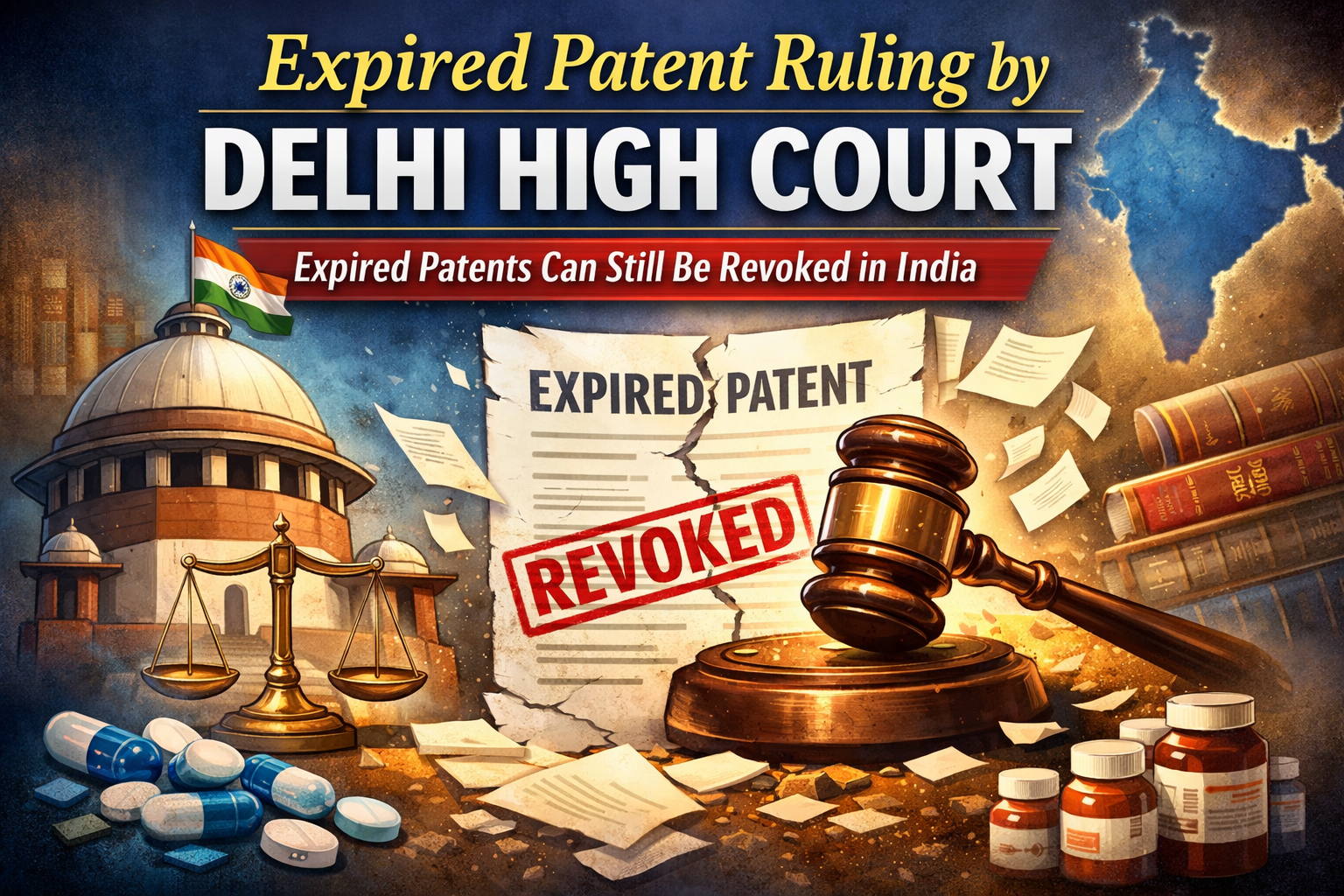
Delhi High Court expired patent ruling India intellectual property law

A major ruling by the Delhi High Court has clarified an important question in Indian intellectual property law: whether an expired patent can still be challenged. In a decision that could reshape patent litigation in India, the court ruled that patents remain open to legal scrutiny even after their 20-year protection period ends. The judgment establishes that expiry does not protect a patent from being revoked and that courts retain the authority to examine whether the patent was validly granted.

The ruling arose from a dispute between Boehringer Ingelheim and Macleods Pharmaceuticals involving a diabetes drug patent. During the legal proceedings, the patent in question expired. The patent holder argued that revocation proceedings should be discontinued because the patent term had ended. The court rejected this argument and held that determining the validity of a patent remains necessary even after expiry. Judges emphasized that a wrongly granted patent should not continue to create legal consequences.

The court made it clear that if an expired patent is later revoked, the law treats it as though it never existed. This principle has far-reaching consequences. Patent holders may lose the right to claim damages for past infringement if the patent is declared invalid. Companies accused of infringement may therefore escape liability if they successfully challenge the patent’s validity. The decision resolves a long-standing legal uncertainty and creates a clear framework for handling expired patents in India.

The judgment highlights a crucial distinction between patents that expire normally and patents that are revoked after expiry. When a valid patent expires, the invention enters the public domain and competitors can freely use the technology. However, the patent owner may still claim damages for infringement that occurred while the patent was active. In contrast, when a patent is revoked after expiry, the legal system treats the patent as invalid from the beginning. In such cases, infringement claims may collapse because the patent is considered never to have existed in law.

This distinction is especially important for the pharmaceutical industry, where patent disputes are common and financial stakes are high. India is one of the world’s largest producers of generic medicines, and Indian pharmaceutical companies frequently challenge patents held by multinational corporations. The new ruling strengthens the position of generic drug manufacturers by allowing them to challenge questionable patents even after expiry. Companies can now remove legal risks by seeking revocation instead of simply waiting for patents to expire.

The decision is expected to encourage more patent challenges in the future. Legal experts believe that companies involved in older patent disputes may reopen cases to seek revocation. Firms accused of infringement may also use the ruling as a defensive strategy by challenging expired patents to avoid damages. As a result, patent litigation in India may extend beyond the traditional life span of patents.

While generic manufacturers gain a strategic advantage, innovator companies face increased pressure. Patent owners must ensure that their inventions meet strict legal standards before filing applications. Weak patents may now face challenges long after the protection period ends. This creates greater legal and financial uncertainty for companies that depend on patent licensing and royalties. Businesses will need to adopt stronger patent drafting and prosecution strategies to reduce the risk of future revocation.

The ruling also brings much-needed clarity to Indian patent law. Earlier, courts did not always follow a consistent approach when dealing with expired patents. Some cases treated expiry as a reason to discontinue revocation proceedings, while others allowed challenges to continue. The Delhi High Court decision establishes a clear rule that expired patents remain subject to legal examination. This clarity improves predictability for businesses and legal practitioners.

The judgment aligns India more closely with international practices. Courts in several jurisdictions, including the United States and Europe, allow validity challenges after patent expiry when legal rights such as damages are involved. By adopting a similar approach, India strengthens its reputation as a mature and reliable intellectual property jurisdiction. Clear legal principles are particularly important for foreign investors who depend on predictable patent enforcement.

The economic implications of the ruling could be significant. In the pharmaceutical sector, stronger legal protection for generic manufacturers may lead to faster entry of lower-cost medicines. Increased competition often reduces prices and improves access to treatment. In technology and manufacturing industries, companies may reassess older patents and licensing agreements to determine whether legal challenges are necessary. Businesses may also conduct more rigorous reviews of their patent portfolios to identify potential vulnerabilities.

Legal experts have described the ruling as a major step forward for India’s intellectual property system. Many believe it strengthens fairness by ensuring that invalid patents cannot continue to produce legal consequences. The decision also supports a balanced approach to innovation by protecting genuine inventions while allowing competition against weak or undeserving patents.

The Delhi High Court judgment represents an important turning point in Indian patent law. It confirms that patent expiry does not end legal scrutiny and that validity remains the foundation of patent rights. Generic manufacturers gain stronger legal protection, while patent owners face higher standards of compliance. The ruling provides clarity, strengthens the patent system, and aligns India with global legal practices. In the evolving landscape of intellectual property law, the message is clear: only strong and valid patents will withstand legal challenges.

Lifecare Advances European Patent Strategy as Artificial Pancreas Technology Moves Closer to Approval

Conceptual illustration of implantable artificial pancreas and continuous glucose monitoring technology linked to Lifecare European patent development.

Lifecare ASA has taken a major step forward in strengthening its intellectual property portfolio after receiving a notification from the European Patent Office (EPO) indicating its intention to grant a key European patent application. The announcement signals growing momentum behind the company’s advanced glucose monitoring technology and highlights a broader strategy aimed at protecting next-generation medical sensing platforms.

The pending patent, often described as part of Lifecare’s “Artificial Pancreas” initiative, focuses on system-level innovations designed to improve long-term glucose monitoring and automated diabetes management solutions. While the patent is not formally issued yet, an “intention to grant” typically means the examination process has concluded successfully and only final administrative steps remain.

This development marks a significant milestone for the company, positioning it strategically within a rapidly evolving continuous glucose monitoring (CGM) industry where intellectual property strength often determines long-term competitive advantage.

A Strategic Step Toward Patent Protection

Patent notifications from the EPO carry strong strategic implications. They signal that an application has passed technical scrutiny and meets the required standards for novelty, inventive step, and industrial applicability.

In Lifecare’s case, the patent extends beyond individual sensor components. It addresses broader system architecture, integration methods, and functional control elements that enable advanced glucose monitoring platforms.

This approach differentiates Lifecare’s patent strategy from companies that focus solely on hardware. By protecting system-level technology, the company aims to secure a wider competitive moat.

Industry analysts often view system patents as particularly powerful because they can restrict competitors from implementing similar solutions even if individual components differ.

Understanding the Technology: Implantable Glucose Monitoring

Lifecare’s core innovation revolves around implantable continuous glucose monitoring devices that use osmotic pressure as the sensing principle. Traditional CGM devices typically rely on electrochemical sensors placed under the skin for limited durations.

The company’s technology attempts to address several known limitations:

  • Sensor degradation over time
  • Calibration challenges
  • Limited lifespan of traditional implants

By leveraging osmotic pressure sensing, Lifecare seeks to deliver longer-lasting implants capable of stable and reliable glucose measurement.

This design could represent a significant evolution in diabetes management. Implantable solutions aim to reduce patient intervention, improve comfort, and deliver continuous data without frequent replacements.

As global diabetes rates continue to rise, demand for minimally invasive monitoring solutions has increased sharply. Companies that achieve reliable long-term monitoring systems stand to benefit from strong clinical adoption and commercial success.

Comparing Lifecare’s Approach to Existing CGM Technologies

The current CGM market features several dominant players that rely on established electrochemical sensing methods. These devices have achieved widespread adoption but still face challenges related to wear duration and sensor stability.

Lifecare’s osmotic pressure technology introduces a different sensing principle. Instead of measuring glucose via chemical reactions at electrodes, the system evaluates changes in osmotic pressure caused by glucose concentration.

This shift could offer several theoretical advantages:

  • Improved stability over extended periods
  • Reduced sensor drift
  • Potentially lower maintenance requirements

However, as with any emerging technology, real-world performance and clinical validation remain key factors in determining long-term success.

Expanding the IP Portfolio Beyond Glucose

Alongside the patent notification, Lifecare emphasized its broader intellectual property strategy. The company is not only securing protection for its current products but also building a scalable platform for future applications.

According to company updates, ongoing research focuses on:

  • New chemical compositions for detecting additional biomarkers
  • Modular sensing architectures
  • Advanced materials and integration techniques

These developments suggest that Lifecare is positioning itself beyond diabetes monitoring alone. By creating a flexible sensing platform, the company may expand into other diagnostic or monitoring areas.

This forward-looking strategy reflects a broader trend in medtech, where companies seek to transform single-purpose devices into multi-parameter health monitoring platforms.

Collaborative Research and Advanced Sensor Development

Lifecare’s innovation roadmap includes partnerships with research institutions, including collaboration related to advanced sensor technologies such as Surface Acoustic Wave (SAW) systems and Nano Tunneling Resistor (NTR) approaches.

These technologies could enable:

  • Miniaturized devices with higher sensitivity
  • Improved signal accuracy
  • Enhanced integration with digital health systems

Collaborative research allows smaller technology companies to accelerate innovation while sharing development risks. It also supports diversification into new sensing modalities that could complement existing products.

Why Intellectual Property Matters in MedTech

In the medical technology industry, patents serve as both defensive and offensive tools. They protect investments in research and development while creating barriers that prevent competitors from replicating proprietary solutions.

Strong IP portfolios often influence:

  • Investor confidence
  • Licensing opportunities
  • Strategic partnerships
  • Market valuation

By securing patents that cover system architecture rather than isolated components, companies can potentially extend exclusivity across entire product ecosystems.

Lifecare’s layered IP strategy includes:

  • Core foundational patents
  • Continuous filing tied to research milestones
  • Collaborative IP generated through partnerships
  • Proprietary know-how maintained through operational practices

This multi-layered approach aims to create long-term protection across technological and commercial dimensions.

Market Context: The Growing Demand for Continuous Monitoring

The global CGM market continues to expand rapidly as healthcare systems shift toward preventive and personalized medicine. Continuous monitoring technologies allow patients and clinicians to track real-time data, enabling faster treatment adjustments and improved outcomes.

Key drivers of market growth include:

  • Increasing diabetes prevalence worldwide
  • Advances in wearable and implantable medical devices
  • Integration of digital health platforms and artificial intelligence

Companies that introduce innovative sensing technologies or longer-lasting devices could disrupt existing market dynamics.

If Lifecare’s implantable solutions achieve clinical success, they may offer an alternative to traditional wearable sensors, particularly for patients seeking less frequent device maintenance.

Investor and Industry Implications

Receiving an intended grant notification strengthens Lifecare’s strategic positioning ahead of potential commercialization milestones.

For investors, patent progress often signals:

  • Reduced regulatory uncertainty
  • Strengthened competitive differentiation
  • Potential for licensing revenue streams

While patent grants do not guarantee commercial success, they provide a crucial foundation for scaling technology into global markets.

Industry observers will likely watch closely for further updates, including formal patent issuance, clinical development milestones, and potential partnerships.

Looking Ahead

The European patent notification represents more than a procedural step. It reflects Lifecare’s long-term vision to build an integrated sensing platform capable of supporting advanced healthcare solutions.

As the company expands its intellectual property and research collaborations, it aims to move closer to a future where implantable monitoring devices provide continuous, reliable insights into patient health.

With regulatory progress underway and technology development advancing, Lifecare’s next milestones could shape its role within the evolving landscape of digital health and next-generation medical monitoring.

Zydus Agrees to $120 Million Settlement With Astellas in Mirabegron Patent Dispute, Secures US Market Access

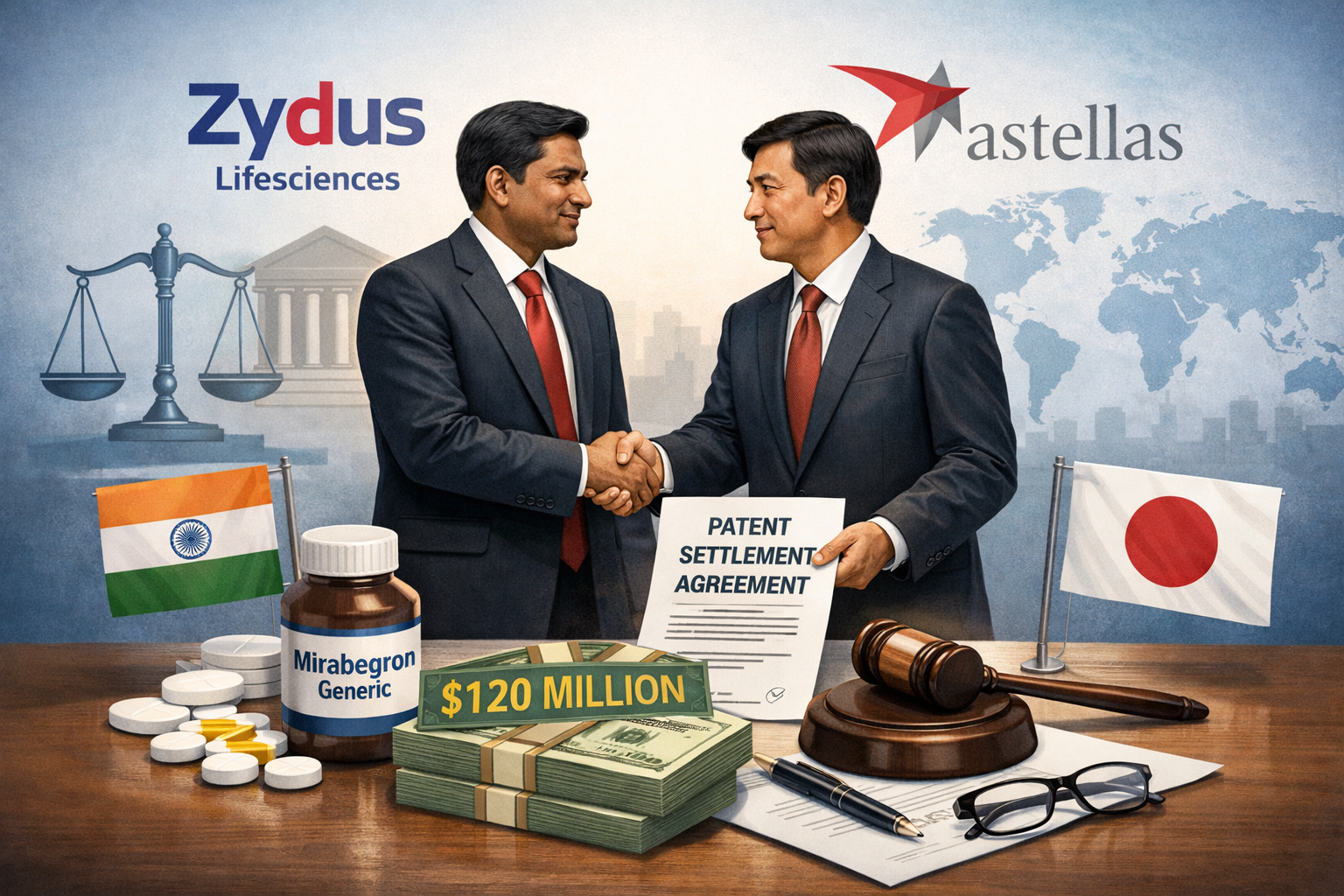
Illustration representing pharmaceutical patent agreement between Zydus Lifesciences and Astellas Pharma involving Mirabegron drug settlement and licensing deal.

Zydus Lifesciences has agreed to pay $120 million to Japan-based Astellas Pharma to resolve long-running patent litigation over the blockbuster overactive bladder drug Mirabegron. The settlement marks a strategic turning point for both companies, ending costly legal battles while allowing Zydus to continue selling its generic version in the United States under a licensing framework.

The agreement highlights the evolving dynamics between brand-name pharmaceutical companies and generic drug manufacturers. Instead of prolonged courtroom fights, companies increasingly pursue negotiated settlements that balance patent protection with commercial opportunity.

Settlement Terms and Financial Structure

Under the settlement, Zydus will make an upfront payment of $120 million to Astellas. The Indian drugmaker will also pay ongoing licensing fees tied to sales volume until September 2027. In exchange, Astellas will resolve pending litigation related to patents covering Mirabegron formulations.

The deal effectively converts the dispute into a licensed arrangement. Zydus secures legal clarity and operational stability, while Astellas retains economic value from its intellectual property.

Industry observers view the settlement as a calculated compromise. Litigation risks remain high in pharmaceutical patent disputes, especially when key patents survive legal challenges. By agreeing to financial terms, both companies avoid the unpredictability of trial outcomes and potential market disruption.

Background of the Patent Conflict

The dispute centered on patents protecting Mirabegron’s extended-release formulation. Astellas markets the drug under the brand name Myrbetriq, a major revenue generator in the urology and bladder treatment market.

Generic manufacturers typically challenge brand patents through abbreviated new drug application (ANDA) pathways in the United States. These challenges often trigger patent infringement lawsuits under the Hatch-Waxman Act, setting the stage for complex legal battles over patent validity and infringement.

Zydus entered the market with a generic version following regulatory approvals, prompting Astellas to enforce its patent rights. Courts had previously upheld the validity of at least one key patent, strengthening Astellas’ position and increasing pressure on generic challengers.

Faced with the possibility of damages or an injunction, Zydus opted for a negotiated resolution.

Strategic Benefits for Zydus

The settlement provides significant strategic advantages for Zydus despite the large payment.

First, it removes legal uncertainty. Patent litigation in the US can drag on for years and expose companies to substantial financial penalties. By resolving disputes now, Zydus eliminates the risk of losing market access due to an unfavorable ruling.

Second, the agreement preserves revenue streams from a high-value product. The US pharmaceutical market remains the world’s largest and most profitable, making continued participation crucial for global generic companies.

Third, the licensing framework allows predictable financial planning. Instead of unpredictable litigation costs, Zydus now faces defined licensing obligations that can be integrated into its commercial strategy.

The move reflects a broader shift among generic drugmakers. Rather than pursuing aggressive litigation through final judgment, many companies now prefer negotiated settlements that guarantee access to key markets.

Advantages for Astellas Pharma

Astellas also emerges from the settlement with clear gains.

The company secures a substantial upfront payment while reinforcing the strength of its patent portfolio. By structuring the agreement around licensing fees, Astellas continues to earn revenue even as generic competition enters the market.

This approach allows Astellas to maintain brand value while managing the inevitable transition to generic competition. Instead of a sudden revenue cliff, the company converts potential losses into controlled income streams.

Moreover, settlements reduce legal costs and eliminate the risk of adverse rulings that could weaken patent protections across multiple jurisdictions.

Comparative Industry Trends

The Zydus-Astellas agreement mirrors recent settlements in the pharmaceutical sector. Patent disputes increasingly end in negotiated licensing arrangements rather than courtroom victories.

In similar cases involving Mirabegron, other generic manufacturers have reached financial settlements with Astellas. These deals signal a broader strategic shift: brand companies seek compensation and controlled competition rather than outright exclusion of generics.

From a commercial perspective, such settlements create a middle ground. Brand companies preserve patent value, while generics gain market access earlier than they might through traditional patent expiration timelines.

Critics, however, sometimes raise concerns about potential antitrust implications. Regulators closely monitor agreements to ensure they do not unlawfully delay competition or involve “pay-for-delay” structures. Licensing-based settlements typically avoid these issues by allowing market participation rather than blocking entry.

Impact on the Generic Drug Landscape

The settlement underscores how intellectual property remains the central battleground in the pharmaceutical industry. Patents determine market exclusivity, pricing power, and competitive timelines.

Generic companies aim to challenge patents to introduce lower-cost alternatives. Brand companies defend those patents to protect revenue and research investments.

The result is a continuous cycle of litigation and negotiation. Agreements like the Zydus-Astellas deal illustrate how both sides increasingly prioritize commercial certainty over prolonged legal confrontation.

For patients and healthcare systems, the outcome may produce mixed effects. Generic competition generally lowers drug prices, but licensing fees may influence pricing strategies depending on market dynamics.

Financial and Market Implications

Investors often interpret settlements as positive signals because they remove legal overhang. For Zydus, the agreement clarifies future earnings potential tied to Mirabegron sales. For Astellas, the financial terms reinforce the profitability of its intellectual property assets.

Analysts expect continued consolidation of legal disputes across major therapeutic areas as companies seek faster resolutions.

The deal also highlights the growing importance of cross-border pharmaceutical partnerships. Indian generics manufacturers continue to expand their presence in the US market, frequently navigating complex patent landscapes to do so.

The Bigger Picture

Pharmaceutical innovation relies heavily on patent protection, yet market realities demand eventual competition. The Zydus-Astellas settlement represents a pragmatic solution that reflects both forces.

Instead of a decisive legal victory for either side, the agreement creates a negotiated balance. Astellas preserves economic returns from its innovation. Zydus secures continued access to a valuable market opportunity.

As patent disputes grow more complex and costly, similar settlements are likely to become the norm rather than the exception. Companies increasingly recognize that strategic compromise can deliver faster and more predictable outcomes than courtroom battles.

The Mirabegron agreement demonstrates how legal strategy, business priorities, and market competition intersect in today’s pharmaceutical landscape. By turning litigation into licensing, both companies reshape rivalry into structured collaboration — a trend that may define the next phase of global drug competition.

Lupin Settles Patent Dispute With Astellas, Secures Future of Mirabegron Sales in the U.S.

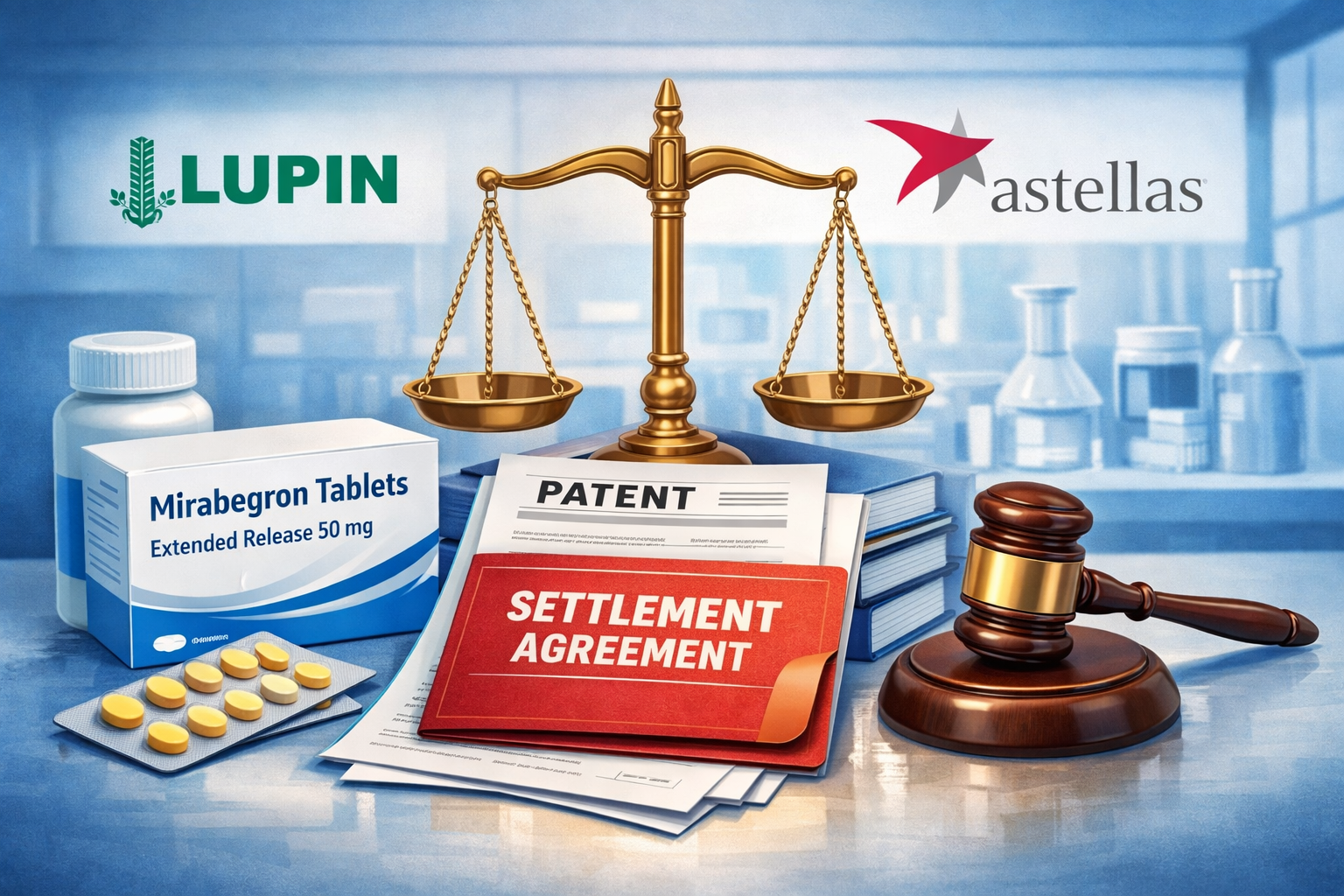
Pharmaceutical patent settlement concept showing legal scales, medicine packaging, and corporate healthcare imagery representing Lupin and Astellas agreement.

In a significant development for the global pharmaceutical industry, Indian drugmaker Lupin Ltd. has reached a strategic settlement with Japan-based Astellas Pharma, resolving a patent infringement dispute related to the overactive bladder drug mirabegron. The agreement allows Lupin to continue marketing and selling its generic version of the medicine in the United States while bringing an end to ongoing litigation that had created uncertainty around the product’s future.

The settlement highlights the evolving dynamics of patent enforcement and generic drug competition, underscoring how licensing agreements increasingly shape market access and revenue stability in the pharmaceutical sector.

Strategic Settlement Ends Legal Uncertainty

Lupin and Astellas had been engaged in a legal battle over intellectual property rights connected to mirabegron, a medication used to treat symptoms of overactive bladder such as urinary urgency and frequency. Astellas, the original developer and patent holder for the branded drug Myrbetriq, alleged that Lupin’s generic version infringed its patents.

Rather than continue prolonged litigation, both companies opted for a settlement that provides a structured commercial pathway. Lupin agreed to make financial payments to Astellas while receiving the right to continue selling its product under licensing terms.

The agreement removes the immediate risk of market withdrawal for Lupin. For investors and analysts, this outcome reduces regulatory and legal uncertainty surrounding a key product in Lupin’s portfolio.

Financial Terms Reflect Balanced Compromise

Under the settlement, Lupin will pay a total of $90 million to Astellas. The arrangement includes a substantial upfront payment alongside ongoing licensing fees tied to future sales volumes.

While the upfront payment represents a significant financial commitment, it offers Lupin a predictable framework for operations. Instead of facing unpredictable court outcomes or potential injunctions, the company now operates within a clearly defined commercial agreement.

This type of financial compromise reflects a broader trend in pharmaceutical patent disputes. Originator companies protect intellectual property through compensation and licensing arrangements, while generic manufacturers secure market access without prolonged legal battles.

Comparing Litigation Risk Versus Licensing Stability

The settlement demonstrates a clear contrast between two strategic paths available to generic drug manufacturers.

On one hand, continued litigation could have resulted in a decisive court ruling, potentially invalidating patents or granting Lupin unrestricted market access. However, such outcomes carry substantial risk. Courts may issue injunctions that force immediate product withdrawal, disrupting supply chains and damaging revenue streams.

On the other hand, a negotiated settlement provides stability. Licensing agreements enable generic manufacturers to maintain sales while minimizing legal exposure. Though licensing fees may reduce profit margins, they ensure continuity and reduce uncertainty.

Lupin’s decision indicates a preference for operational certainty over legal gamble. For many pharmaceutical companies, predictable cash flow outweighs the potential rewards of extended courtroom battles.

Market Implications for Generic Competition

Mirabegron represents an important therapy within the urology segment. The drug addresses overactive bladder, a condition affecting millions of patients worldwide. The growing aging population and increasing diagnosis rates have driven demand for effective treatments, making the market commercially attractive.

By securing a licensing pathway, Lupin maintains its presence in the competitive U.S. generic drug market. The settlement may also influence the timing of entry for other generic competitors. Analysts suggest that structured agreements sometimes create a controlled competitive landscape, allowing licensed generics to operate with limited immediate competition.

This dynamic reflects a broader industry pattern. Patent settlements frequently reshape market timelines, determining when additional generics can enter and how pricing pressures evolve.

Astellas Strengthens Patent Protection Strategy

For Astellas Pharma, the settlement delivers both financial and strategic benefits. The company reinforces its intellectual property position while generating revenue through licensing fees. Instead of risking patent invalidation through litigation, Astellas preserves control over its technology while allowing controlled generic participation.

This strategy aligns with how many originator pharmaceutical companies manage patent disputes. Rather than pursuing all-or-nothing legal outcomes, they negotiate agreements that balance protection of innovation with commercial pragmatism.

The approach also signals confidence in the underlying patent portfolio. By negotiating licensing rather than conceding market control, Astellas maintains its brand value and long-term intellectual property strategy.

Broader Industry Context: Rising Patent Settlements

The pharmaceutical industry has witnessed a growing number of patent settlements between originator companies and generic manufacturers. These agreements often emerge after initial litigation establishes risk exposure for both sides.

Generic drugmakers face rising costs associated with lengthy court proceedings. Legal battles can span years, draining resources and delaying market entry. Meanwhile, originator companies must weigh the cost of defending patents against the uncertainty of court outcomes.

As a result, negotiated settlements increasingly serve as pragmatic solutions. They enable companies to manage risk, protect revenue streams, and maintain supply continuity for patients.

Impact on Patients and Healthcare Systems

From a patient perspective, the continuation of generic mirabegron sales ensures ongoing access to treatment options. Generic versions typically lower drug prices by introducing competition, improving affordability for healthcare systems and individuals.

However, licensing agreements that limit competition may influence pricing dynamics. While patients benefit from continued availability, the pace of price reductions may depend on when additional generics enter the market.

Healthcare providers and insurers often monitor such settlements closely, as they shape reimbursement strategies and cost management policies.

Lupin’s Strategic Position Going Forward

The resolution of the dispute marks a stabilizing moment for Lupin. The company strengthens its foothold in the U.S. market, one of the most lucrative and competitive pharmaceutical environments globally.

By securing continued sales rights, Lupin safeguards revenue streams while avoiding the disruption that adverse litigation outcomes could have caused. The settlement also allows management to focus on growth strategies rather than legal defense.

Going forward, the company must balance licensing costs with operational efficiency. Effective pricing strategies and supply chain management will play critical roles in maintaining profitability.

The Future of Patent Dispute Resolution

The Lupin-Astellas agreement highlights a broader transformation in how pharmaceutical patent conflicts unfold. Rather than relying solely on courtroom victories, companies increasingly pursue negotiated solutions that align commercial interests with legal realities.

Such agreements reflect the complex balance between innovation protection and generic competition. Patent holders seek to safeguard research investments, while generic manufacturers push to expand access and reduce costs.

As the pharmaceutical landscape evolves, settlements like this one will likely remain central to managing market transitions after patent expiry.

Conclusion

The settlement between Lupin and Astellas marks a decisive moment in the ongoing intersection of intellectual property law and pharmaceutical competition. By choosing negotiation over prolonged litigation, both companies secure strategic advantages.

Lupin ensures continuity in the U.S. market for its generic mirabegron product. Astellas protects its patents while gaining financial compensation and licensing revenue. Together, the agreement demonstrates how modern pharmaceutical disputes increasingly resolve through collaboration rather than confrontation.

For the industry, the case serves as another example of how strategic settlements shape competitive landscapes, influence pricing dynamics, and redefine the balance between innovation and access in global healthcare.

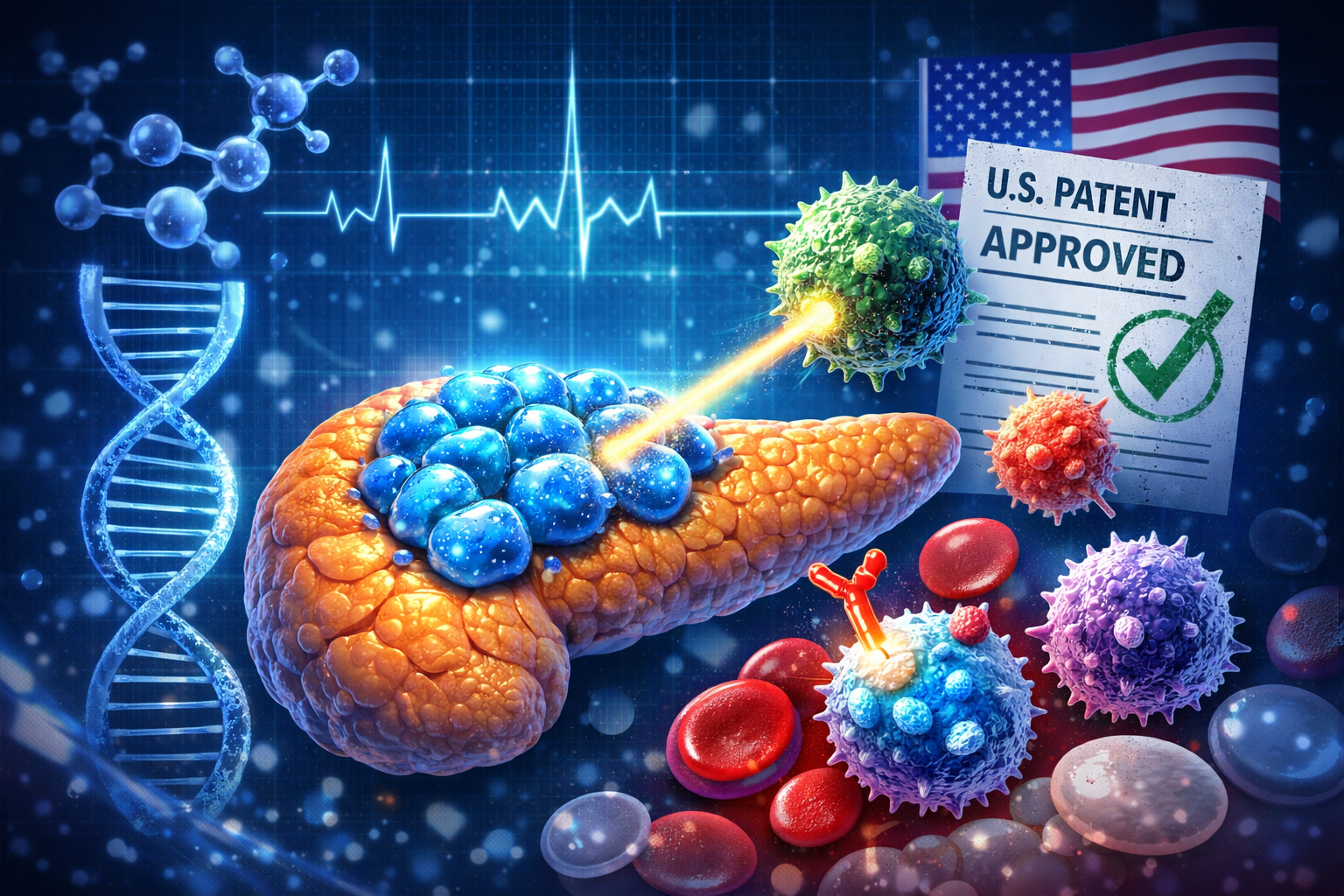
US Regulator Approves Diamyd Medical Diabetes Therapy Patent, Boosting Immunotherapy Innovation in Type 1 Diabetes Treatment

Conceptual medical illustration showing immunotherapy targeting pancreatic beta cells for type 1 diabetes treatment after Diamyd Medical’s US patent approval.

In a significant development for the biotechnology sector, Swedish company Diamyd Medical AB has secured approval from a United States regulatory authority for a patent application covering its innovative diabetes therapy. The decision marks an important milestone for the company’s intellectual property strategy and underscores growing global interest in disease-modifying treatments targeting autoimmune diabetes rather than simply managing symptoms.

The patent approval arrives at a time when healthcare systems, investors, and research institutions are increasingly focused on therapies that address the root causes of chronic diseases. Diamyd Medical’s approach aims to intervene in the autoimmune process underlying type 1 diabetes, positioning it among a new wave of therapeutic strategies seeking long-term disease modification.

A Strategic Intellectual Property Milestone

Patent protection remains a critical asset in the pharmaceutical and biotechnology industries. Securing rights in the United States — one of the largest healthcare markets globally — enhances both commercial potential and competitive positioning. The newly approved patent application strengthens Diamyd Medical’s portfolio by protecting core aspects of its therapeutic platform, potentially extending market exclusivity if the therapy reaches commercialization.

For biotech firms, patents serve multiple functions. They protect innovation, attract investment, enable licensing opportunities, and create barriers to entry for competitors. In the highly competitive diabetes research landscape, where multiple companies are racing to develop breakthrough therapies, strong intellectual property rights often determine long-term success.

Industry analysts note that regulatory recognition of a patent application does more than secure legal protection. It signals confidence in the novelty and inventive step of the technology, reinforcing credibility with investors and strategic partners.

Moving Beyond Symptom Management

Traditional diabetes treatments primarily focus on managing blood glucose levels. Insulin therapy, glucose monitoring technologies, and lifestyle interventions remain essential components of care. However, these approaches do not stop the underlying autoimmune attack that characterizes type 1 diabetes.

Diamyd Medical’s therapy aims to shift this paradigm. Instead of solely controlling symptoms, the company’s approach targets immune system pathways that contribute to the destruction of insulin-producing beta cells. By modifying the immune response, the therapy seeks to preserve remaining beta-cell function and potentially slow disease progression.

This strategy represents a broader industry trend toward disease-modifying treatments. Researchers increasingly recognize that early intervention in autoimmune processes may improve long-term outcomes and reduce complications.

The Science Behind the Approach

Type 1 diabetes develops when the immune system mistakenly attacks and destroys pancreatic beta cells responsible for producing insulin. Once these cells are lost, patients must rely on lifelong insulin therapy. Despite advances in treatment technologies, managing the disease remains challenging and carries risks of complications.

Diamyd Medical’s research focuses on immunotherapy — a field that has gained prominence across multiple medical disciplines, including oncology and autoimmune disorders. Immunotherapies attempt to retrain or regulate the immune system rather than suppress it broadly. This targeted approach aims to achieve better clinical outcomes while minimizing side effects.

While details of the patented technology remain technical, the company’s broader development strategy emphasizes precision medicine. By identifying specific patient subgroups that may respond better to treatment, the therapy could offer personalized solutions compared to traditional one-size-fits-all approaches.

Competitive Landscape and Industry Comparison

The diabetes therapy sector is crowded with innovation, yet companies pursue different strategies. Some focus on advanced insulin delivery systems, artificial pancreas technologies, or continuous glucose monitoring. Others explore stem cell therapies designed to replace damaged beta cells.

Diamyd Medical’s immunotherapy-based approach stands apart by targeting the autoimmune mechanism itself. Compared to technologies that manage disease symptoms, disease-modifying therapies promise longer-lasting clinical benefits. However, they also face complex regulatory pathways and rigorous clinical testing requirements.

Competitors working in similar areas include biotech startups and large pharmaceutical companies investing heavily in immunomodulation and regenerative medicine. Each approach carries advantages and risks. Immunotherapy may offer lasting effects but requires careful balancing of immune responses to avoid unintended consequences.

Patent protection therefore becomes especially important. By securing exclusive rights to key therapeutic mechanisms, companies aim to protect years of research investment and establish leadership within emerging treatment categories.

Investor and Market Implications

Patent approvals frequently influence market sentiment. Strong intellectual property portfolios increase perceived value, attract partnerships, and support fundraising efforts. For a company like Diamyd Medical, whose business model relies on research-driven innovation, securing patent rights in major jurisdictions strengthens negotiating power with collaborators and pharmaceutical partners.

Investors often interpret patent milestones as signals of progress. While clinical success ultimately determines commercial viability, intellectual property approvals reduce uncertainty regarding competitive threats.

Moreover, the U.S. market holds particular strategic importance due to its size, regulatory influence, and potential revenue opportunities. A patent approved within this jurisdiction enhances prospects for licensing agreements or joint ventures with larger pharmaceutical companies seeking innovative pipelines.

Regulatory and Clinical Path Ahead

Patent approval does not equate to regulatory authorization for patient use. Any new therapy must still undergo rigorous clinical trials to demonstrate safety and efficacy. These trials involve multiple phases, each designed to assess different aspects of the treatment.

Early-stage trials focus on safety and dosage. Later phases evaluate effectiveness compared to existing treatments. Even promising therapies can face setbacks if clinical data fails to meet expectations. For immunotherapies, demonstrating long-term benefits remains a key challenge.

Nevertheless, strong patent protection provides a foundation for continued development. It ensures that companies can invest in expensive clinical research with confidence that successful outcomes may lead to exclusive commercialization rights.

Broader Implications for Diabetes Research

The growing focus on disease-modifying therapies reflects a shift in medical research priorities. Healthcare systems worldwide seek solutions that reduce long-term treatment burdens and improve quality of life. For patients with type 1 diabetes, a therapy capable of slowing or halting disease progression could represent a transformative breakthrough.

Recent advances in immunology, genetic profiling, and biomarker identification have accelerated innovation in this area. Researchers increasingly understand that autoimmune diseases involve complex interactions between genetics and environmental triggers. Precision therapies that target specific pathways may offer more effective interventions.

Diamyd Medical’s patent approval highlights the momentum building around this approach. It also underscores the importance of intellectual property frameworks in fostering innovation by rewarding novel scientific discoveries.

Challenges and Risks Ahead

Despite optimism, significant hurdles remain. Developing autoimmune therapies involves navigating scientific uncertainties, regulatory scrutiny, and commercial risks. Clinical trials are expensive and time-consuming. Additionally, competition within the field continues to intensify, with multiple companies pursuing similar goals.

Another challenge lies in identifying the optimal patient population. Immunotherapies may work best during early stages of disease progression, requiring early diagnosis and targeted treatment strategies.

Pricing and accessibility also present long-term considerations. Innovative therapies often come with high development costs, raising questions about affordability and healthcare system adoption.

Conclusion

The approval of Diamyd Medical’s patent application by a U.S. regulator represents a meaningful milestone in the evolving landscape of diabetes treatment innovation. By strengthening intellectual property protection around its immunotherapy approach, the company positions itself strategically within the competitive race to develop disease-modifying therapies for autoimmune diabetes.

While significant clinical and regulatory steps remain, the development highlights a broader shift away from purely symptomatic management toward interventions targeting underlying disease mechanisms. As research progresses, the success or failure of such approaches may shape the future of diabetes care — moving closer to therapies that not only manage the disease but fundamentally alter its course.