
Samsung’s Groundbreaking Reversible Flip Phone Patent: A Game-Changer for Foldables?

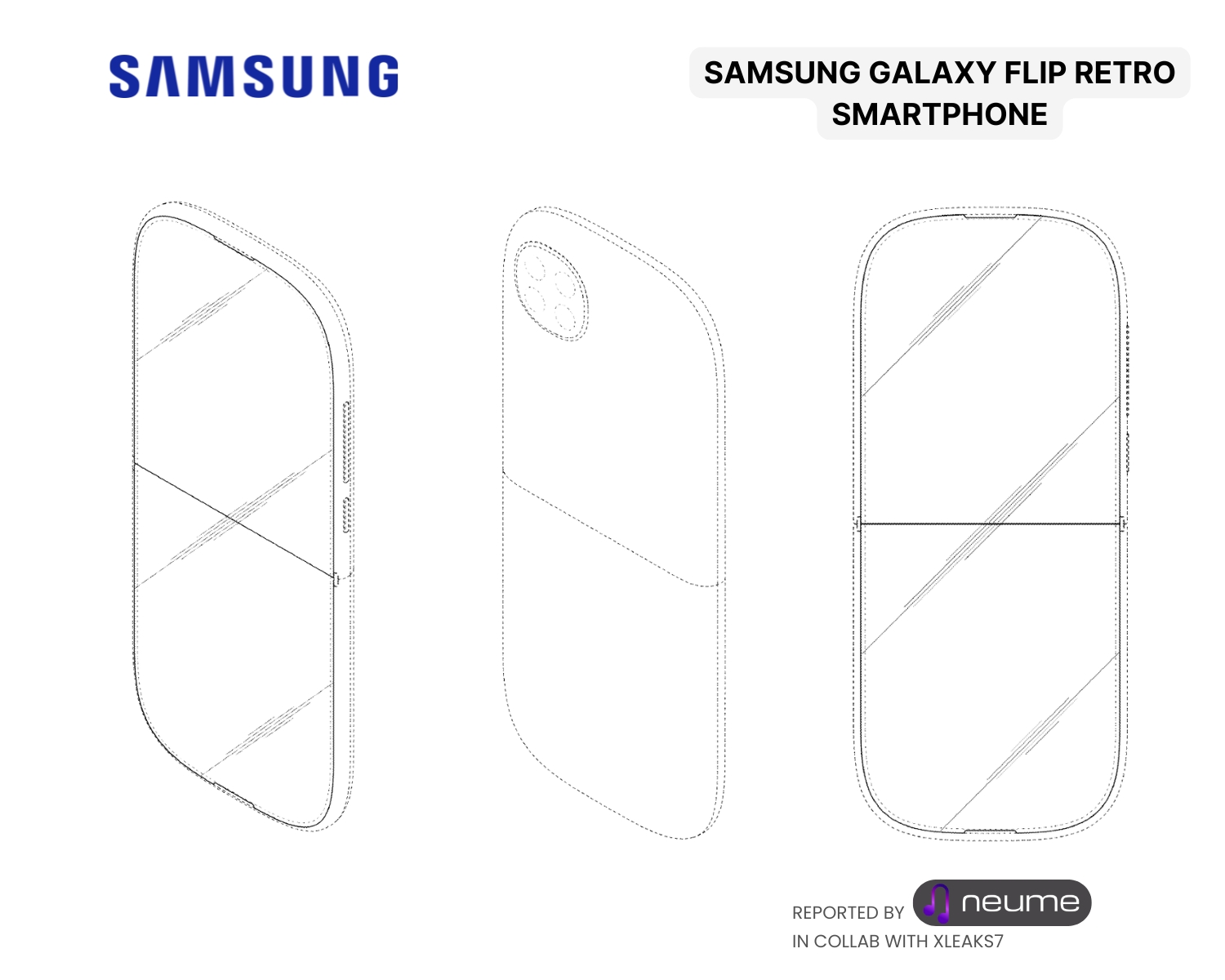
Line drawing from Samsung's WIPO patent showing a clamshell-style flip phone in various views: unfolded, folded inward, and folded outward with symmetrical outer panels and a 360-degree hinge mechanism.

Revolutionary Design Alert: Samsung Just Dropped a Mind-Blowing Patent That’s Set to Disrupt the Foldable World

Samsung is unstoppable. The tech giant has unleashed a stunning new patent that’s turning heads across the industry. This isn’t your ordinary flip phone upgrade. It’s a reversible clamshell masterpiece – a bold, symmetrical foldable that obliterates the old “front vs. back” rules.

Imagine this: Fold it one way. Or the other. Either side faces out. No more fumbling. No defined exterior. Pure freedom. This innovative design delivers ultimate symmetry, making every grip feel flawless.

Spotted on the World Intellectual Property Organization (WIPO) database, the patent sketches reveal a sleek device. Both outer panels mirror each other perfectly in size and shape. One side boasts a circular camera cutout with a tiny LED flash. The other? Clean and minimalist. Flip it open for a massive inner display. Close it for pocket-sized perfection.

Samsung Galaxy Flip Retro Smartphone Has Leaked | Neume

This is next-level innovation. Current Galaxy Z Flip models dominate with their cover screens and camera bumps. But Samsung’s latest vision? It erases distinctions. Hold it any way. Fold it effortlessly. Experience consistency like never before.

Why does this matter? Foldables are exploding in 2026. Market experts predict a massive 30% growth spike. Apple’s rumored iPhone Fold looms. Samsung’s TriFold is already teasing boundaries. Huawei pushes ultra-thin limits. Now, this reversible flip enters the arena – a potential powerhouse for ergonomics and style.

Think about the impact. Users crave seamless experiences. This design screams versatility. No awkward orientations. Just intuitive brilliance. It could redefine daily interactions – quick glances, effortless selfies, immersive multitasking.

Samsung leads the foldable charge. They’ve mastered hinges, displays, and durability. This patent builds on that legacy. It hints at slimmer profiles, tougher materials, and AI-powered features trending hot this year.

But hold on. Patents excite. They don’t guarantee products. Samsung files dozens annually to lock in ideas. Many stay conceptual. Yet, timing feels electric. CES 2026 buzzes with foldable hype. Tri-folds, wide-folds, and now reversible designs dominate conversations.

Visualize the possibilities. A Galaxy Z Flip 8 evolution? Or a standalone stunner? Sketches show uniform thickness. Advanced hinge tech. Views from every angle – folded, unfolded, sideways.

These renders capture the essence. Symmetrical beauty. Futuristic flair. Bold colors pop in concepts.

Dive deeper. Foldables evolve rapidly. 2026 promises AI integration everywhere. Gemini powers millions of Samsung devices. Expect smarter cameras, predictive folding, personalized interfaces.

Battery life? Massive leaps ahead. Ultra-thin yet enduring. Cameras? Pro-grade sensors in compact forms.

A Look At The Samsung Galaxy Z Flip5 SmartPhone (Design Renders) 2026

Sustainability trends too. Recycled materials. Energy-efficient screens.

Competition intensifies. Motorola expands Razr lineup. Oppo, Vivo push boundaries. But Samsung? They’re the kings of innovation.

This reversible patent sparks excitement. It challenges norms. Forces rivals to innovate faster.

Consumers win big. More choices. Better designs. Affordable premiums?

Enthusiasts are buzzing online. Forums explode with speculation. “Game-changer!” they shout. “Finally, true symmetry!”

Realism check: Commercial launch? Uncertain. But Samsung teases prototypes often. Trade shows reveal hints.

Stay tuned. 2026 unfolds as the year of foldables. Samsung leads the revolution.

This design isn’t just clever. It’s transformative. It empowers users. Simplifies life. Elevates mobile tech.

Samsung strikes again. Bold. Brilliant. Unstoppable.

The foldable future arrives. Reversible. Remarkable. Ready to dominate.

Court Crushes Zydus Challenge – Helsinn Secures Akynzeo Patent Victory

Wooden judge's gavel resting on a sounding block, symbolizing a decisive court ruling in a legal battle over intellectual property.

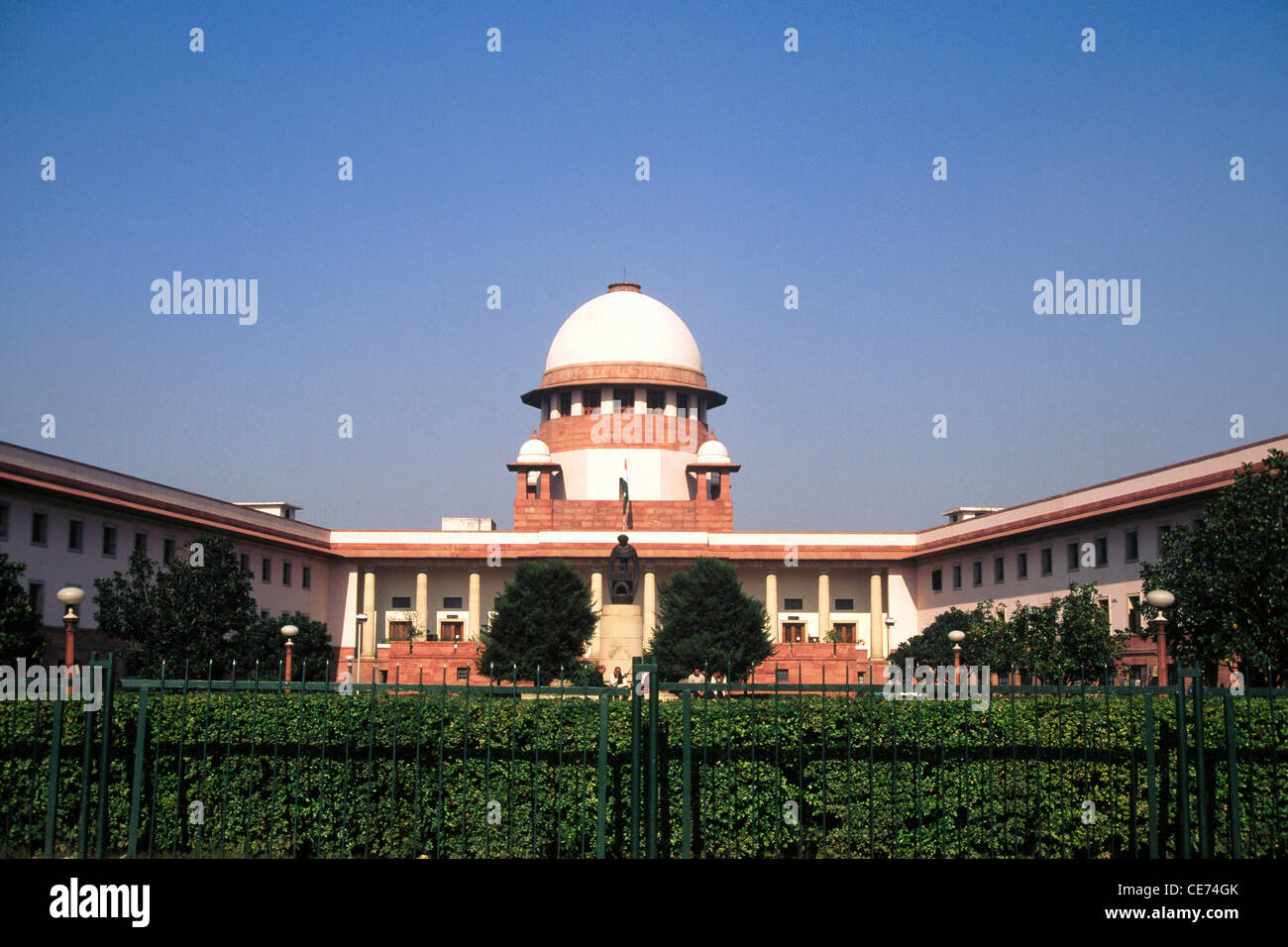
The Delhi High Court slams the door on Zydus Healthcare’s bold challenge. Swiss innovator Helsinn Healthcare SA emerges victorious. Justice Tejas Karia dismisses Zydus’s writ petition outright on December 24, 2025. The court upholds a key patent for a breakthrough anti-nausea drug.

Zydus Lifesciences - Wikipedia

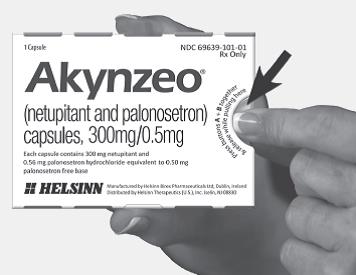
Helsinn triumphs. The patent protects Akynzeo, a powerful fixed-dose combination. It pairs netupitant (300 mg) with palonosetron (0.5 mg). This duo targets chemotherapy-induced nausea and vomiting (CINV). Cancer patients endure brutal side effects from treatment. Akynzeo attacks both acute and delayed phases. It blocks NK1 and 5-HT3 receptors simultaneously. Patients gain long-lasting relief in one capsule.

Zydus strikes first. The Indian generic giant files a pre-grant opposition in 2021. Helsinn submits voluntary amendments during prosecution. Zydus cries foul. It claims amendments expand claims illegally. It alleges violations of Section 59 of the Patents Act. The Mumbai Patent Office rejects these arguments. Controllers grant Indian Patent No. 426553 in March 2023.

Akynzeo: Package Insert / Prescribing Information / MOA

Zydus refuses to back down. It launches a writ petition in Delhi High Court. The company demands quashing the grant. It accuses the Patent Office of jurisdictional errors. It charges breaches of natural justice. Zydus insists it deserves a hearing on post-opposition amendments.

Justice Karia dismantles these claims. The court rules firmly: Delhi lacks territorial jurisdiction. The Mumbai Patent Office handled the grant. Challenges must target the appropriate High Court – Bombay. No jurisdictional error taints the process. Pre-grant opposition and examination run as separate tracks. Opponents hold no automatic right to hearings on amendments.

The judge stresses clarity. No separate order requires pre-First Examination Report amendments. Helsinn follows rules meticulously. The Patent Office issues proper notices. It provides fair opportunities. Zydus suffers no violation of natural justice.

This ruling fortifies originator protections. Helsinn shields its innovation fiercely. Akynzeo transforms cancer supportive care. Guidelines worldwide endorse this triple regimen with dexamethasone. It prevents nausea in highly emetogenic chemotherapy.

In India, Glenmark markets Akynzeo under license. Helsinn partners strategically. The drug reaches patients swiftly. Generic threats loom large. Zydus eyes early entry. Other firms like Hetero face similar battles. Helsinn secures interim injunctions elsewhere. It blocks infringing formulations aggressively.

Experts hail the decision. It curbs forum shopping. Patent challengers must file correctly. Courts intervene sparingly in administrative grants. Only glaring illegalities trigger writ relief.

Zydus explores options. The company may refile in Bombay High Court. Post-grant opposition remains open. Counterclaims arise in infringement suits. Helsinn stands ready to defend.

This clash spotlights India’s pharma battlefield. Originators safeguard rewards for risky R&D. Generics push affordable access aggressively. Combination therapies spark fierce disputes. Evergreening accusations fly often.

Patients win ultimately. Robust patents drive innovation. They deliver superior treatments like Akynzeo. Reliable relief empowers cancer fighters. They battle disease without debilitating nausea.

The industry watches closely. This precedent shapes future fights. Territorial rules tighten. Procedural challenges weaken. Innovators gain ground.

Helsinn celebrates quietly. The Swiss firm advances cancer care globally. Akynzeo leads its portfolio. Protection endures in key markets.

Zydus persists undeterred. The generic powerhouse expands relentlessly. It targets blockbuster opportunities.

India’s patent ecosystem evolves. Courts balance interests skillfully. Innovation thrives. Access improves gradually.

This victory resonates deeply. Helsinn protects a vital lifeline for millions. Cancer patients endure enough. Akynzeo eases their burden dramatically.

Delhi High Court Revives Nippon Steel Patent Application Rejected After Inventor’s Death

Delhi High Court ruling on Japanese high-strength steel patent application

A Strong Message on Proof of Right, Inventor Death, and Corporate Patents

The Delhi High Court has delivered a decisive ruling that reshapes how India’s Patent Office must treat corporate patent filings when an inventor dies.
The judgement restores balance between procedural law and commercial reality.
It also sends a clear warning against rigid and misplaced interpretations of the Patents Act.

In a case involving a Japanese steel major, the Court quashed a Patent Office order that had refused a patent application for high-strength steel technology.
The refusal rested on a narrow reading of “proof of right.”
The High Court rejected that approach outright.


The Dispute at a Glance

The case arose from a patent application filed by a Japanese company for an invention titled high-strength steel sheet and its manufacturing method.
The technology targets advanced industrial use.
It promises stronger, lighter, and more durable steel.

The application named four inventors.
All were employees of the company.
One inventor passed away during the pendency of the application.

That single fact triggered a chain of legal errors.

The Indian Patent Office refused the application.
It claimed the company failed to prove its right to apply for the patent.
According to the Controller, the company needed an assignment deed from the deceased inventor or his legal heirs.

The company challenged the refusal before the Delhi High Court.


Patent Office View: Procedure Over Substance

The Patent Office took a strict position.

It held that:

  • The death of one inventor broke the chain of title.
  • An employment agreement was not enough to establish ownership.
  • A formal assignment was mandatory.
  • Without it, the company lacked legal standing.

The Controller relied heavily on Section 68 of the Patents Act, which governs assignments.
The Office treated the application as legally defective.

This approach placed form above function.
It ignored how corporate innovation actually works.


High Court Pushback: Law Must Serve Logic

The Delhi High Court firmly disagreed.

The Court ruled that the Patent Office misread the law and misapplied statutory provisions.
It quashed the refusal order in full.

The judgment draws a sharp line between:

  • The right to apply for a patent, and
  • The assignment of a granted patent.

The Patent Office, the Court said, wrongly merged the two.


Employment Contracts Matter

At the heart of the ruling lies one critical finding.

The Court held that an employment agreement can constitute valid proof of right under Indian patent law.

The inventor had signed the agreement during his lifetime.
That agreement clearly vested intellectual property rights in the employer.
The inventor’s later death did not undo that transfer.

The Court emphasized that:

  • The right to apply arises at the filing stage.
  • Section 7 of the Patents Act governs this stage.
  • Section 68 applies only after a patent is granted.

By invoking Section 68 prematurely, the Patent Office committed a legal error.


Inventor Death Is Not a Legal Dead End

The ruling delivers clarity on a sensitive issue.

Inventor death does not automatically invalidate a patent application.
Nor does it force companies into impossible compliance.

The Court noted that:

  • The invention was created during employment.
  • Rights already vested in the company.
  • No fresh assignment was legally required.

Requiring legal heirs to execute assignments would create uncertainty.
It would also disrupt global innovation chains.

The Court refused to allow such instability.


Comparative View: India vs Global Practice

The judgment aligns Indian patent law with global norms.

In major innovation jurisdictions:

  • Employment agreements routinely govern IP ownership.
  • Corporate applicants rely on internal policies.
  • Inventor death does not derail filings.

The Delhi High Court recognized this reality.

It implicitly acknowledged that multinational companies cannot chase posthumous paperwork across borders.
Patent systems must support innovation, not sabotage it.


Procedural Law Is a Tool, Not a Weapon

The Court delivered another powerful message.

Procedural law must advance justice.
It must not obstruct it.

The judgment criticized mechanical decision-making.
It warned against turning technical rules into roadblocks.

Patent examiners, the Court said, must adopt a pragmatic and legally sound approach.

This observation carries wide implications.


What the Court Ordered

The High Court:

  • Set aside the Patent Office refusal.
  • Restored the application.
  • Directed a fresh examination on merits.
  • Barred reliance on the flawed proof-of-right objection.

The ruling does not grant the patent outright.
It restores due process.


Why This Judgment Matters

This decision has industry-wide impact.

For Corporates

  • Employment contracts gain legal weight.
  • Filing risks reduce.
  • Cross-border patent strategy becomes safer.

For Patent Professionals

  • Proof-of-right standards gain clarity.
  • Section 7 and Section 68 are clearly separated.
  • Examiner discretion faces judicial limits.

For the Patent Office

  • The ruling sets a binding precedent.
  • Over-technical refusals face greater scrutiny.
  • Legal accuracy becomes non-negotiable.

A Win for Innovation, Not Just One Company

This case is not just about steel.

It is about how India treats innovation.
It is about predictability.
It is about fairness.

The Delhi High Court reaffirmed that India’s patent system must support genuine inventors and rightful applicants.
It must not collapse under procedural rigidity.


Conclusion: A Course Correction for Indian Patent Law

The ruling marks a turning point.

It restores confidence in India’s intellectual property regime.
It reassures global innovators.
It strengthens the rule of law.

Most importantly, it confirms one truth:
Innovation does not die with an inventor.

When rights are lawfully vested, the law must respect them.


Enveric Biosciences Secures Key Patent for Non-Hallucinogenic Mental Health Treatments

Enveric Biosciences lab developing psychedelic therapeutics for mental health.

Enveric Biosciences bolsters its position in the booming psychedelic-inspired therapeutics market. The company announces a major intellectual property win. The United States Patent and Trademark Office issues U.S. Patent No. 12,492,179.

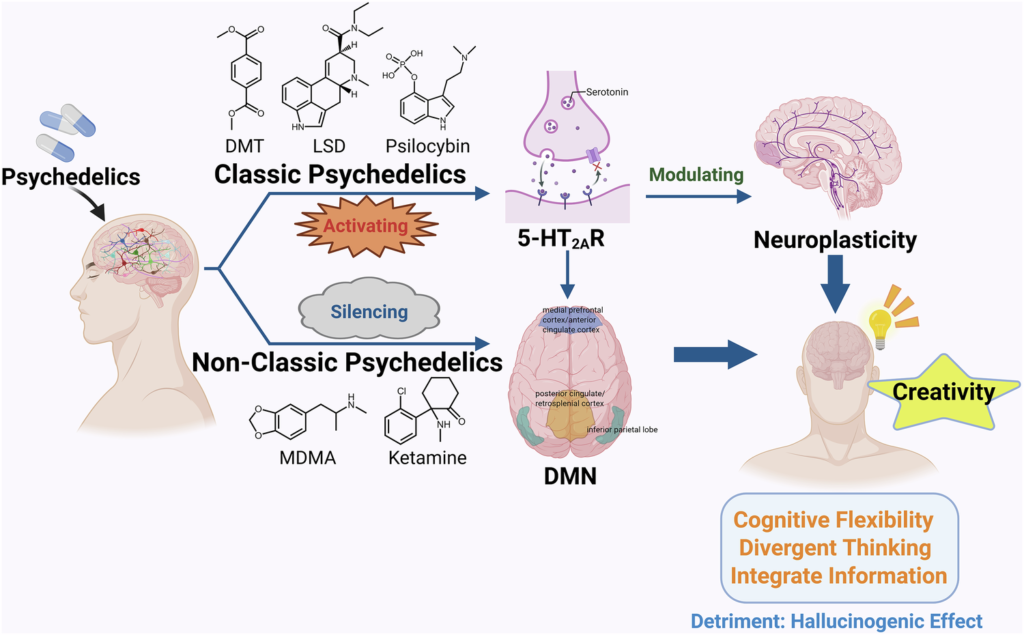
This patent covers novel molecules titled “Substituted Ethylamine Fused Heterocyclic Mescaline Derivatives.” Enveric designs these compounds to promote neuroplasticity. They target severe mental health disorders without causing hallucinations.

Patients struggle with depression, anxiety, PTSD, and addiction. Traditional treatments often fail. Enveric’s innovation addresses this gap. The new molecules derive from mescaline-like structures. Scientists modify them chemically. They enhance efficacy. They reduce side effects.

Hallucinogenic psychedelics show promise. Yet they pose challenges. Patients experience intense trips. Clinics require supervision. Regulators demand more data. Enveric avoids these hurdles. Its neuroplastogens deliver brain rewiring benefits. They skip the psychedelic experience.

Joseph Tucker, Ph.D., leads Enveric as CEO. He celebrates the milestone. “This patent expands our portfolio. It strengthens our pipeline. We target disorders with limited options. Our molecules interact with key receptors in novel ways. They promise better safety and outcomes.”

Composition-of-matter patents offer strong protection. They shield the core chemical structures. Enveric attracts partners. Big pharma seeks licensing deals. The company builds a competitive moat.

Enveric focuses on next-generation therapeutics. It develops small-molecule drugs. These promote neuroplasticity – the brain’s ability to form new connections. Neuroplasticity drives recovery in mental illness.

The psychedelic drugs market explodes. Analysts project growth from about $3-4 billion in 2024 to $8-10 billion by 2032. Compound annual rates hit 13-15%. Mental health crises fuel demand. Over 264 million people suffer depression worldwide. Treatment-resistant cases rise.

Companies chase non-hallucinogenic options. Enveric pioneers this shift. Its Psybrary™ platform generates thousands of candidates. Artificial intelligence aids discovery. The company holds dozens of patents. It issues more in 2025.

Enveric’s lead candidate shines. EB-003 advances rapidly. This first-in-class compound engages 5-HT2A and 5-HT1B receptors. It delivers fast antidepressant and anxiolytic effects. Preclinical data impress. Oral bioavailability works well. Brain penetration proves strong.

Enveric targets IND filing soon. Phase 1 trials follow. EB-003 treats outpatient settings. No need for therapists during sessions. Patients take pills at home. Convenience boosts adherence.

Other pipelines progress. EVM301 and EVM401 series expand. Notices of allowance arrive. Patents issue. Enveric licenses non-core assets. It funds core development.

Investors react positively. Shares jump in premarket trading after the December 29 announcement. The stock faces volatility. It trades as a micro-cap. Market cap hovers low. Yet milestones drive gains.

Enveric raises funds. Warrant exercises bring millions. Cash supports trials. The company regains Nasdaq compliance.

Experts praise the approach. Non-hallucinogenic drugs scale easier. They fit existing healthcare systems. Insurers cover standard pills. Clinics avoid psychedelic infrastructure.

Regulators warm to safer profiles. FDA grants breakthrough designations elsewhere. Enveric positions EB-003 for similar status.

Mental health innovation lags. Antidepressants date back decades. Side effects deter patients. Relapse rates stay high. Psychedelic research revives hope. Enveric refines it.

Researchers link neuroplasticity to recovery. Psychedelics boost dendritic growth. They increase synapses. Non-hallucinogenic versions isolate this mechanism.

Enveric collaborates. It presents at conferences. Data publications follow. Peer-reviewed papers validate methods.

Challenges remain. Clinical trials cost dearly. Enveric seeks partners. Out-licensing generates revenue.

The field attracts talent. Investors eye neuroplastogens. Enveric leads with patents and data.

Patients await better options. Suicide rates climb. Addiction devastates families. Enveric aims to help.

This patent marks progress. Enveric executes strategy. It builds value. The future looks brighter for mental health treatment.

Enveric Biosciences trades on Nasdaq as ENVB. It operates from Cambridge. The team drives innovation. They transform lives.

The mental health revolution gains speed. Enveric rides the wave. Non-hallucinogenic therapies emerge. Hope grows.

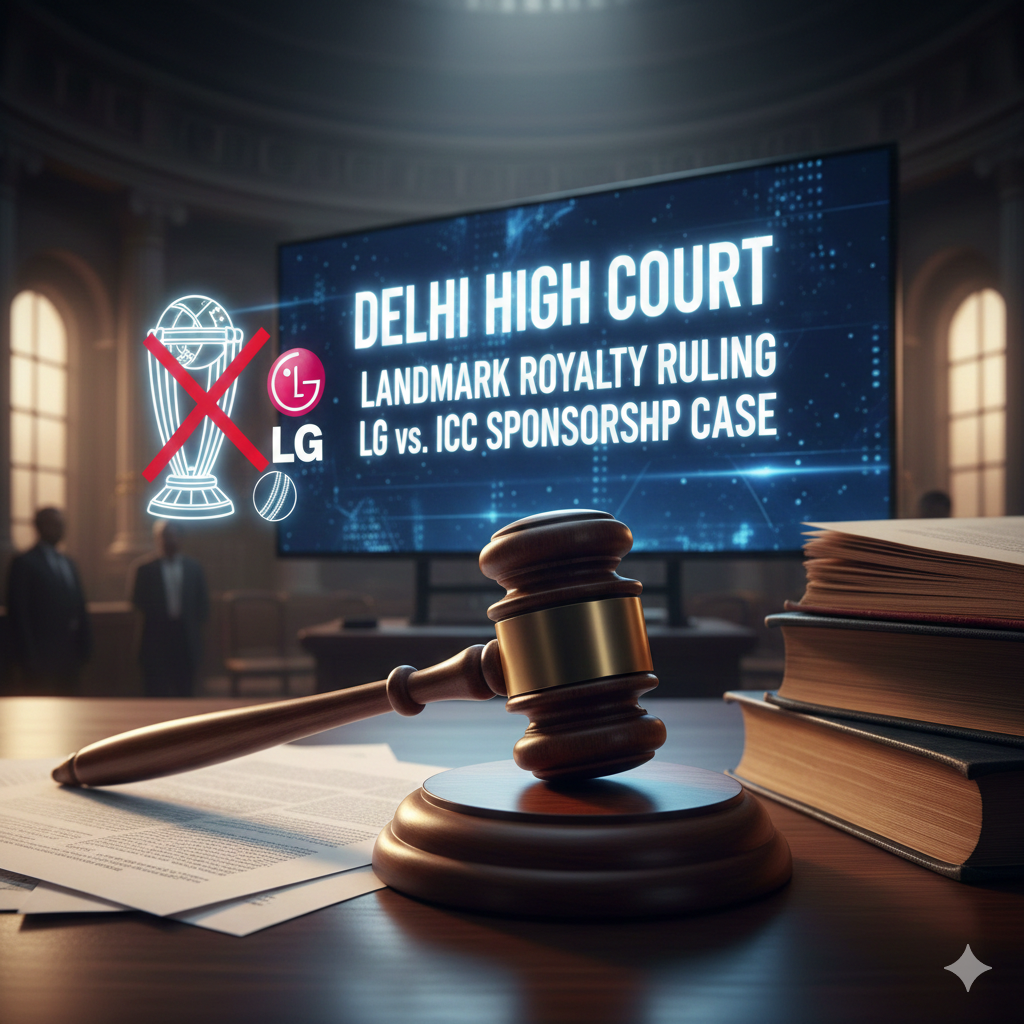
Delhi High Court Delivers Landmark Ruling: LG Sponsorship Payments to ICC Classified as Taxable Royalty

In a move that sends shockwaves through the corporate sponsorship landscape, the Delhi High Court has delivered a definitive blow to LG Electronics India. The Court ruled that payments made for sponsorship rights involving the use of international trademarks constitute “royalty.” This landmark decision mandates the deduction of Tax Deducted at Source (TDS), fundamentally altering how multi-million dollar sports deals are taxed in India.
The Division Bench, comprising Justice V. Kameswar Rao and Justice Vinod Kumar, dismissed the writ petition filed by LG Electronics. This judgment ends a long-standing battle between the consumer electronics giant and the Indian Revenue authorities.
The Core of the Dispute
The conflict traces back to a massive global partnership agreement. LG Electronics entered into a contract with Global Cricket Corporation (GCC), Singapore. GCC held the commercial rights for major International Cricket Council (ICC) events, including the 2003 World Cup.
LG paid a staggering USD 27.5 million for these global rights. Out of this, USD 11 million was attributed specifically to the Indian entity. LG argued that these payments were purely for “advertisement services.” They claimed the money paid for stadium space and media visibility represented business profits. Since GCC had no Permanent Establishment (PE) in India, LG argued the income was not taxable in India.
However, the Income Tax Department disagreed. The Revenue asserted that the agreement did not just buy “space.” It bought the “brand.”
The “Royalty” Breakthrough
The Court’s analysis centered on the nature of the rights transferred. The Revenue had previously split the payment into two categories. They attributed two-thirds of the payment to advertisement and one-third to the “right to use trademarks.”
The Delhi High Court upheld this 1/3rd apportionment. The judges ruled that the right to use the ICC logo, the World Cup mascot, and other proprietary marks on LG’s packaging and promotional material was a transfer of intellectual property rights.
Under the Income Tax Act and the India-Singapore Double Taxation Avoidance Agreement (DTAA), such payments fall under the definition of “royalty.”
A Defeated Defense
LG’s legal team fought hard to categorize the trademark use as “incidental.” They argued that the primary goal was brand exposure through advertisement. They claimed the logo was merely a tool to facilitate that advertisement.
The Court rejected this logic with surgical precision. The Bench noted that LG did not just display the ICC marks; they exploited them. The company used the prestige of the ICC to enhance its own brand equity. By placing the World Cup logo on its refrigerators and televisions, LG gained a commercial advantage that exceeded simple billboard placement.
“The use of the mark was not a side effect,” the Court indicated. “It was a core component of the commercial value LG sought to acquire.”
The Power of the Trademark
This ruling emphasizes the immense value of intellectual property in sports. In modern marketing, the “Official Partner” status is a potent weapon. It allows a corporation to weave its identity into the fabric of a global event.
The Court observed that the agreement gave LG the right to use the “ICC Trophy” and other protected symbols in its global marketing campaigns. This privilege is distinct from buying a 30-second television spot or a boundary board. It is a license to use a protected brand. Therefore, it is a royalty.
Financial Implications for Corporates
The immediate impact is financial. The Court upheld the requirement for LG to deduct 15% TDS on the portion of the payment deemed royalty.
For multinational corporations (MNCs), this creates a significant compliance hurdle. Every sponsorship deal must now be meticulously dissected. Companies cannot simply label a payment as “advertisement” to avoid the tax net. The Revenue will look past the label to find the true substance of the transaction.
If a deal includes the right to use a logo on products, websites, or merchandise, the TDS clock starts ticking.
The Global Precedent
Tax experts believe this ruling will resonate far beyond the borders of India. It clarifies the intersection of sports law, intellectual property, and international taxation.
India has consistently taken a firm stance on “Source-Based Taxation.” This means if the income is generated from the Indian market, India wants its share of the tax. By classifying these payments as royalty, the Delhi High Court has fortified the Revenue’s ability to tax foreign entities earning from Indian sports passion.
Key Takeaways from the Judgment

  • Substance Over Form: The Court will examine the actual rights exercised, not just the title of the agreement.
  • Apportionment is Valid: The Revenue has the power to split composite payments into taxable and non-taxable components.
  • Trademark Value: The use of an event’s logo for “association” is a taxable event under the royalty clause.
  • TDS Responsibility: The Indian payer is strictly responsible for deducting tax before remitting money to foreign entities.
    A New Era for Sports Sponsorship
    The timing of this judgment is critical. With the rise of the IPL, the Cricket World Cup, and various global leagues, sponsorship money is flowing at record levels. The Delhi High Court has sent a clear message: The taxman is a silent partner in every deal.
    Lawyers and tax consultants are already advising clients to restructure future agreements. Many may attempt to separate “Media Rights” from “Intellectual Property Rights” in distinct contracts. However, given the Court’s “substance over form” approach, such attempts may face heavy scrutiny.
    The Final Verdict
    LG Electronics India failed to convince the Court that its payments were tax-exempt. The dismissal of the writ petition reinforces the authority of the 2004 order passed under Section 264 of the Income Tax Act.
    This case serves as a stern warning to global brands. In the high-stakes world of sports marketing, the “mark” you use carries a price. That price includes a mandatory contribution to the national exchequer.
    As the dust settles, one thing is certain: The boundary between advertisement and royalty has been clearly drawn. The Delhi High Court has ensured that when it comes to the business of sports, the rules of the game are transparent, firm, and taxable.
    Case Profile:
  • Court: Delhi High Court
  • Parties: LG Electronics India Pvt. Ltd. vs. Director of Income Tax (International Taxation)
  • Statutes Involved: Income Tax Act, 1961; India-Singapore DTAA
  • Key Verdict: Sponsorship payments for trademark usage are “Royalty” subject to TDS.

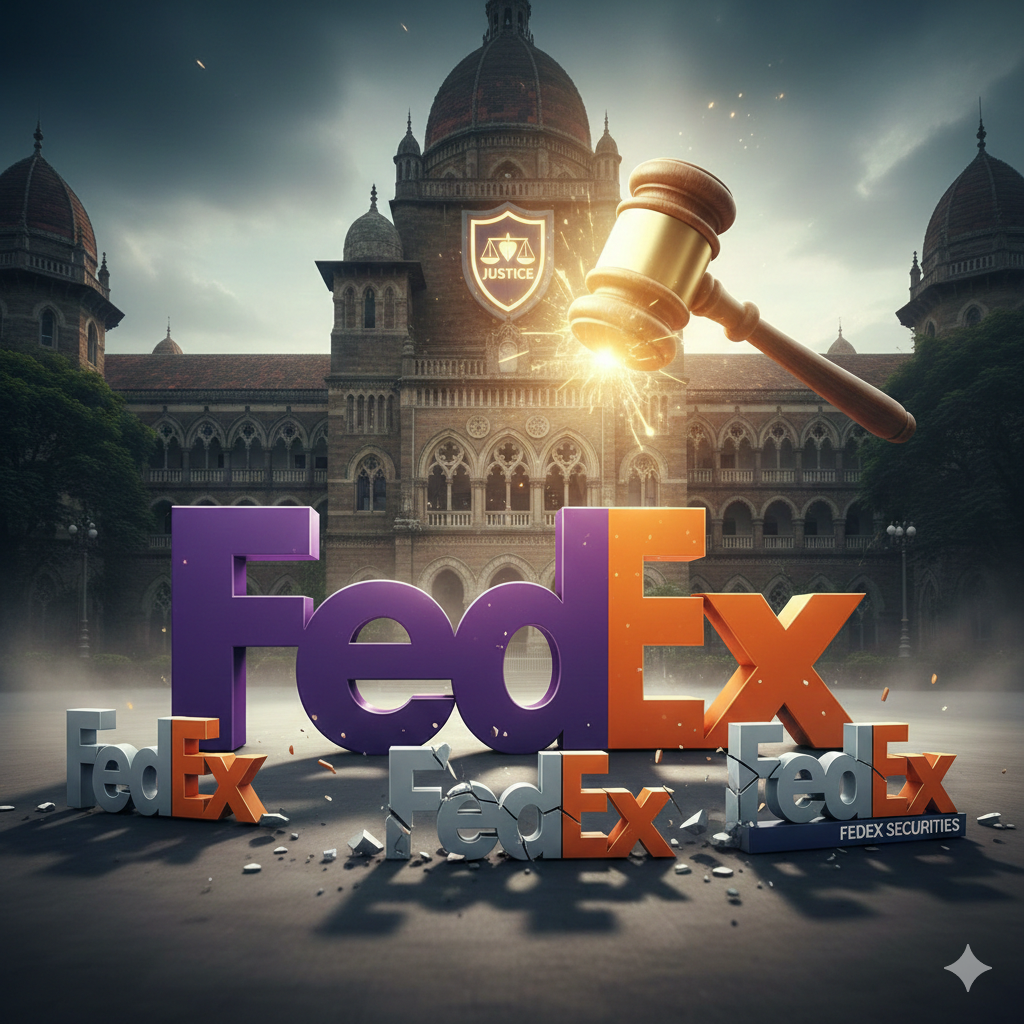
Bombay High Court Slams Local Firms Over FedEx Trademark Infringement

In a landmark victory for global branding, the Bombay High Court has ordered a group of Mumbai-based financial companies to stop using the name “FEDEX.” Justice Riyaz Chagla delivered a stinging blow to the defendants, ruling that their use of the mark constitutes blatant trademark infringement, passing off, and brand dilution.
The court granted sweeping interim relief to the US-based Federal Express Corporation. This decision forces Fedex Securities Private Limited, Fedex Stock Broking Limited, and Fedex Finance Private Limited to strip the iconic name from their corporate identities.
A Decisive Legal Strike
The court found that the global logistics giant holds exclusive rights to the “FEDEX” name. The judge rejected the defendants’ claims of honest adoption. He described their defense as an “afterthought.”
The ruling bars the three companies from using “FEDEX” or any similar mark as:

  • A Corporate or Trading Name
  • A Service Mark or Trademark
  • A Domain Name or Email Identity
  • Branding on Business Papers and Advertising
    The “Well-Known” Powerhouse
    A major pillar of the case was the 2024 declaration by the Trade Marks Registry, which officially recognized “FEDEX” as a well-known mark in India. This elite status gives the brand extraordinary protection. It prevents other businesses from using the name, even if they operate in completely different industries like finance or stockbroking.
    Justice Chagla emphasized that “FEDEX” is a “household word.” The court ruled that the defendants’ use of the name was “bound to deceive” the public. Most people would naturally assume these financial firms were subsidiaries or sister concerns of the global courier giant.
    Fact-Checking the Defense
    The Mumbai firms claimed they had used the name since the mid-1990s. They tried to hide behind Section 159(5) of the Trade Marks Act, 1999, which protects certain “prior uses” of names.
    The court shredded this argument. The judge noted that Federal Express Corporation registered the “FEDEX” mark for financial services (Class 36) after the 1999 Act came into force. Therefore, any continued use by the defendants after that registration constitutes fresh infringement every single day.
    | Feature | Federal Express Corporation | Fedex Securities / Stock Broking |
    |—|—|—|
    | Industry | Global Logistics & Business Services | Financial Services & Stock Broking |
    | Recognition | Certified “Well-Known” Mark (2024) | Claimed “Prior Use” from mid-1990s |
    | Court Ruling | Exclusive rights upheld | Ordered to cease and desist |
    | Risk Factor | Brand dilution and confusion | Dishonest adoption and “passing off” |
    The Cost of “Dishonest Adoption”
    The court looked closely at how the Mumbai firms chose the name. One defendant claimed they used “FEDEX” because their directors were former executives of Federal Bank.
    The judge called this explanation “implausible.” He noted that only one director had any link to Federal Bank. Furthermore, this reason never appeared in official records when the firms changed their names years ago. The court concluded the adoption was a calculated move to piggyback on a global reputation.
    Impact on the Financial Sector
    This ruling sends a shockwave through the Indian business landscape. It warns local companies that they cannot hide behind “different sectors” to use famous global names.
    Legal experts suggest the ruling reinforces three critical points:
  • Identity Matters: Adding a generic word like “Securities” to a famous brand does not make a new name distinctive.
  • Dilution is Real: Using a famous name for unrelated services hurts the original brand’s “selling power.”
  • No Safety in Delay: Even if a company has used a name for decades, a “well-known” status can still trigger a legal shutdown.
    What Happens Next?
    The Bombay High Court has granted a six-week stay on the order. This gives the defendants a narrow window to:
  • Appeal the decision to a higher bench.
  • Begin the process of rebranding and renaming their entire corporate infrastructure.
    If they fail to act, they face severe legal consequences for defying a court injunction. For now, the global giant has secured its territory in the Indian market.

Lady Gaga Scores Major Court Victory in Explosive ‘Mayhem’ Trademark Dispute

Lady Gaga celebrates courtroom victory after judge rules in her favor in the Mayhem trademark dispute.

Global pop icon Lady Gaga has secured a powerful legal win in a closely watched trademark dispute over the use of the word Mayhem. A federal judge has ruled in her favor, allowing the superstar to continue selling Mayhem-branded merchandise while the lawsuit moves ahead.

The decision delivers a decisive early victory for Gaga and reinforces strong legal protections for artistic expression. It also sends a clear message to brand owners and creators navigating the crowded world of trademarks and creative identity.

The Dispute That Sparked the Legal Storm

The case began in early 2025 when Lost International, a California-based surfboard and lifestyle company, sued Lady Gaga in federal court. The company claimed it has used the Mayhem name for decades on surfboards, clothing, and accessories.

Lost argued that Gaga’s use of Mayhem for her album, tour, and merchandise violated its trademark rights. According to the lawsuit, the pop star’s branding could confuse consumers and dilute the surf brand’s identity.

The company sought aggressive remedies. It asked the court to immediately block Gaga from selling Mayhem merchandise. It also demanded damages reportedly reaching $100 million.

Gaga Pushes Back With a Strong Defense

Lady Gaga’s legal team moved quickly and forcefully. They argued that “Mayhem” is a common word used across industries and cannot be monopolized by a single company.

More importantly, they stressed that Mayhem is the title of Gaga’s album and a central theme of her artistic era. The branding, they said, represents creative expression, not an attempt to compete with or imitate a surf brand.

Her lawyers also emphasized consumer reality. Fans buying merchandise at concerts or from official Gaga channels are not looking for surfboards. There is no reasonable risk, they argued, that fans would assume a connection between Gaga and a niche surf company.

Judge Delivers a Clear Ruling

U.S. District Judge Fernando M. Olguin agreed with Gaga’s arguments.

In a sharply worded order, the judge denied Lost International’s request for a preliminary injunction. He ruled that Gaga’s use of Mayhem is artistically relevant and not explicitly misleading.

The judge explained that trademark law does not apply in cases where creative expression outweighs commercial confusion. Because Gaga’s branding is directly tied to her music and tour, and not to surf products, the claim failed at this early stage.

The court concluded that Lost International had not shown a likelihood of success under trademark law. As a result, Gaga remains free to continue her merchandise sales.

Why the Ruling Matters

This decision carries weight far beyond this single dispute.

Courts have long struggled to balance trademark protection with freedom of expression. This ruling reinforces the idea that artists are allowed to name and brand their work, even if the same word exists elsewhere in commerce.

Legal experts say the case highlights an important standard: context matters. A word used in music, performance, or storytelling receives broader protection than the same word used purely as a commercial brand.

The ruling also confirms that famous artists are not automatically liable for trademark infringement simply because their reach is massive.

Immediate Impact for Lady Gaga

The ruling delivers an immediate commercial boost for Gaga.

She can continue selling Mayhem merchandise across her global tour, online store, and promotional channels. That includes apparel, accessories, and collectibles tied to her album and live performances.

The timing is critical. The Mayhem Ball Tour has generated massive demand, with merchandise sales playing a major role in tour revenue. A court-ordered halt could have caused serious disruption.

Instead, Gaga moves forward without restrictions.

Lost International’s Position

While the ruling favors Gaga, the lawsuit itself remains active.

Lost International acknowledged the court’s decision but made clear it is not backing down. The company maintains that its trademark rights remain valid and says it will continue to defend its brand.

Legal observers note that Lost still faces a steep uphill battle. The judge’s reasoning suggests that proving consumer confusion will be difficult, especially given the vastly different markets involved.

A Broader Message to Creative Industries

The case highlights a growing legal trend.

As artists, influencers, and brands fight for attention, clashes over names and slogans are becoming more common. Common words now appear across music, fashion, sports, and tech.

This ruling sends a strong signal. Courts will not automatically side with earlier trademark holders when creative expression is at stake. They will examine how the word is used, who the audience is, and whether confusion is real or theoretical.

For musicians and entertainers, the decision is reassuring. It confirms that branding tied to art and performance enjoys meaningful legal protection.

What Comes Next

The legal battle is not finished.

Lost International may pursue additional motions, gather more evidence, or attempt to push the case toward trial. Gaga’s team may seek to dismiss the lawsuit entirely.

For now, however, the balance of power clearly favors the pop star.

Lady Gaga has cleared a major legal hurdle. Her Mayhem era continues at full force. And the ruling stands as a powerful reminder that creativity still carries weight in the courtroom.

Sony Unleashes AI Ghostwriter: A New Era of Real-Time Game Censorship

Sony Interactive Entertainment has ignited a firestorm in the gaming world. A newly published patent reveals a future where video games change while you play. This technology uses Artificial Intelligence to edit, blur, or even rewrite digital content on the fly. It is called “Automatic Bespoke Edits of Video Content Using AI.” The implications are massive.
The Mechanics of Instant Modification
Sony’s vision sits between the game engine and your screen. It acts like a high-tech filter. The AI scans every frame of video and every second of audio. It looks for “sensitive” material. This includes gore, sexual themes, and profanity.
The system does not just block a game. It remodels it. If the AI detects a violent execution, it might blur the blood. If a character screams a curse word, the AI mutes the sound. Most shockingly, the patent describes using Deepfakes. The system could replace a severed limb with a harmless object. It could swap a frightening monster for a cartoon character. This happens in milliseconds.
Power to the Parents
Sony frames this as the ultimate safety tool. Traditional age ratings are rigid. A “Mature” rating blocks the entire game from a child. This AI allows for a “middle ground.” * Profiles: Parents can set custom rules for each family member.

  • Safety Toggles: Users can choose to hide specific triggers, like spiders or needles.
  • Seamless Flow: The game keeps running. There are no abrupt cuts or “black bars.”
    For many, this is a dream come true. It lets kids experience the mechanics of a hit game without the adult themes. It gives players control over their own comfort.
    The Death of Artistic Integrity?
    However, critics are sounding the alarm. They call it “digital sanitization.” Many games are works of art. Developers choose every pixel for a reason. In titles like The Last of Us, violence serves the story. It makes the world feel dangerous.
    If an AI scrubs away the grit, does the story lose its soul? Some fear that platform holders like Sony will gain too much power. They could dictate what is “acceptable” across all games. This moves the power from the creator to the algorithm.
    A Shadow Over Creativity
    The fear extends to the development phase. If studios know an AI will rewrite their work, they might stop taking risks. They might design games for the “lowest common denominator.” This could lead to a future of bland, corporate-approved content.
    Furthermore, the technology relies on “sentiment analysis.” AI often struggles with context. It might mistake a character’s grief for “negative content.” It might mute a powerful monologue because of a single intense word. This creates a disjointed and confusing experience for the player.
    The Road Ahead
    A patent is not a product. Sony files hundreds of ideas every year. Many never see the light of day. But this patent shows a clear direction. Sony wants the PlayStation ecosystem to be the most adaptable platform on Earth.
    The gaming community is watching closely. The industry stands at a crossroads. One path leads to unparalleled accessibility and safety. The other leads to a world where “The Player’s Experience” is curated by a machine, not a human. Whether this becomes a tool for protection or a weapon for censorship remains to be seen. For now, the line between a “custom experience” and “altered art” has never been thinner.

Bombay High Court Denies Interim Relief to House of Mandarin in ‘HOM’ Trademark Dispute

Bombay High Court building representing the denial of interim relief to House of Mandarin in the HOM trademark dispute

The Bombay High Court has refused to grant interim relief to the Chinese cuisine restaurant House of Mandarin in a trademark dispute involving the use of the acronym “HOM.” The court ruled that the restaurant failed to establish a strong prima facie case of trademark infringement or passing off. The decision highlights the strict legal standards applied in intellectual property disputes, especially those involving abbreviations and acronyms.

Justice Sharmila U. Deshmukh, who heard the matter, delivered the order on December 19, 2025. The judge held that House of Mandarin did not provide sufficient evidence to show that “HOM” had acquired a distinctive identity exclusively linked to its business. As a result, the court declined to restrain the rival restaurant from using the acronym at this stage.

Background of the Dispute

House of Mandarin operates as a Chinese restaurant in Mumbai and has built a presence in the city’s competitive food and beverage market. The restaurant filed a civil suit alleging trademark infringement and passing off against another restaurant that used the acronym “HOM” in its branding.

The plaintiff argued that customers, food critics, and regular patrons commonly refer to House of Mandarin as “HOM.” It claimed that the acronym had become a shorthand identifier of its brand. According to the restaurant, the rival’s use of the same acronym created confusion among consumers and diluted its goodwill.

The restaurant therefore sought an interim injunction. It asked the court to immediately restrain the defendant from using “HOM” until the final disposal of the suit.

Court’s Assessment of the Claim

The Bombay High Court carefully examined whether the plaintiff met the legal requirements for interim relief. Under trademark law, a party seeking such relief must prove three elements. These include a strong prima facie case, the likelihood of irreparable harm, and a balance of convenience in its favor.

Justice Deshmukh found that House of Mandarin failed at the very first stage.

The court observed that the restaurant did not establish that “HOM” had acquired an independent and distinctive reputation in the market. While the acronym may be used informally, the judge noted that informal references alone do not automatically create trademark rights.

The court also examined how the restaurant presents itself commercially. It observed that on popular food delivery platforms and menus, the business appears prominently under its full name, House of Mandarin. The acronym “HOM” does not function as the primary public-facing identifier of the restaurant.

This weakened the claim that consumers strongly associate “HOM” with the plaintiff alone.

Failure to Prove Consumer Confusion

A key element in trademark infringement and passing off cases is consumer confusion. The court stressed that the plaintiff must show that an average consumer is likely to be misled into believing that the rival’s business is connected with the plaintiff.

In this case, the court found no convincing evidence of such confusion.

The judge noted that restaurants typically attract informed customers who make deliberate choices. Dining decisions often involve reviewing menus, locations, prices, and brand identities. In such circumstances, the likelihood of confusion based solely on an acronym becomes lower.

The plaintiff did not present consumer surveys, complaints, or documented instances of mistaken identity. In the absence of such material, the court said it could not presume confusion.

Passing Off Claim Not Established

The court also examined the claim of passing off. To succeed in a passing off action, a plaintiff must prove goodwill, misrepresentation, and damage.

Justice Deshmukh acknowledged that House of Mandarin may enjoy goodwill under its full name. However, she clarified that goodwill in a full brand name does not automatically extend to an abbreviation unless the abbreviation has independently acquired recognition.

The court found no evidence to show that the rival restaurant misrepresented its services as being associated with House of Mandarin. There was also no material to demonstrate actual or imminent damage to the plaintiff’s business.

As a result, the passing off claim did not justify interim protection.

Defendant’s Position

The defendant restaurant argued that it used “HOM” independently and legitimately. It denied any intention to exploit the reputation of House of Mandarin. The defendant maintained that its branding, presentation, and customer base were distinct.

At the interim stage, the court accepted that the defendant’s use did not appear deceptive on the face of the record. The judge stated that these issues would require deeper examination during trial.

Legal Threshold for Interim Injunctions

The High Court reiterated that interim injunctions are extraordinary remedies. Courts must exercise caution before restraining a business from operating under its chosen name.

Justice Deshmukh emphasized that trademark rights over abbreviations demand strong proof. A party must demonstrate long, consistent, and prominent use of the acronym as a standalone brand. Without this, courts are unlikely to grant immediate relief.

The judge clarified that the refusal of interim relief does not decide the final rights of the parties. It only reflects the court’s view that the plaintiff did not meet the high threshold required at this early stage.

What the Ruling Means

With this order, House of Mandarin cannot prevent the rival restaurant from using “HOM” for now. The main suit will continue, and both sides will have the opportunity to present detailed evidence during trial.

The ruling sends an important message to businesses. It underscores that abbreviations and short forms are not automatically protected under trademark law. Brand owners must actively establish distinctiveness and consumer association if they wish to claim exclusive rights over acronyms.

Legal experts believe the judgment could influence future trademark disputes in the hospitality sector. Restaurants often rely on catchy abbreviations and nicknames. This ruling makes it clear that courts will demand concrete proof before recognizing such claims.

Next Steps in the Case

The case will now proceed to the evidence stage. House of Mandarin may attempt to strengthen its position by submitting additional material. This could include advertising records, media references, customer testimonials, or survey evidence.

The final outcome will depend on whether the restaurant can demonstrate that “HOM” has become a distinctive badge of origin linked solely to its business.

Until then, the Bombay High Court’s order stands as a reminder. Trademark protection depends not on intention or belief, but on proof, perception, and public association.

Crompton Greaves Strikes Gold: New Patent to Revolutionize Smart Cooling


Innovation just hit a new high. On December 19, 2025, Crompton Greaves Consumer Electricals Limited (CGCEL) secured a landmark patent. The Indian Patent Office granted patent number 576195 for a breakthrough in energy-efficient cooling. This technology does more than just blow air. It bridges the gap between your ceiling fan and your air conditioner.
This news comes at a perfect time. Only days ago, the President of India honored Crompton with the National Energy Conservation Award 2025. The company is on a winning streak. They are proving that sustainability and high-tech comfort can go hand in hand.
The Innovation: A “Deep Sleep” Revolution
For years, consumers faced a choice. They could freeze under an AC or stay warm with just a fan. Running an AC at 18°C wastes massive amounts of power. Running a fan alone often fails in the scorching Indian heat. Crompton’s new patented system solves this.
The technology uses a retrofit controller device. This device talks to both your fan and your AC. It uses an Infrared (IR) communication protocol to sync them. It doesn’t matter what brand of AC you own. The controller features a 360-degree IR reach and interoperable codes. It works with almost anything.
Key Features of the Patent:

  • Environmental Intelligence: Sensors track temperature and humidity in real-time.
  • The Deep Sleep Algorithm: This software adjusts fan speeds and AC settings automatically. It ensures uniform cooling across the entire room.
  • OTA Updates: The system stays smart. It receives “Over-the-Air” updates to improve performance over time.
  • Universal Compatibility: It controls ceiling fan status and speed either locally or wirelessly.
    Power Words: Efficiency, Savings, and Comfort
    Crompton is not just selling a gadget. They are selling a “Greener Future.” By using a fan to circulate AC air more effectively, users can set their ACs to a higher, more efficient temperature (like 26°C). This simple shift can slash electricity bills.
    The company’s ActivBLDC motor technology already saves up to 50% on fan energy. Now, by optimizing the AC—the biggest energy hog in most homes—Crompton is targeting the heart of household expenses.
    Market Impact: Crompton 2.0
    This patent is a pillar of the “Crompton 2.0” strategy. Managed by CEO Promeet Ghosh, this vision focuses on premium products and consumer-centric innovation. The goal is clear: double the company’s turnover in the next five to six years.
    Investors are watching closely. While the stock has seen volatility this year, analysts remain bullish. The patent reinforces Crompton’s moat against competitors. It transforms a standard fan manufacturer into a “Smart Climate” leader.
    | Metric | Details |
    |—|—|
    | Patent Number | 576195 |
    | Grant Date | December 19, 2025 |
    | Validity | 20 Years |
    | Strategic Goal | Cross $1 Billion in Sales |
    Looking Ahead
    The climate is changing, and so is the way we cool our homes. Crompton’s new patent promises a world where your appliances think for you. No more waking up at 3:00 AM because the room is too cold. No more “bill shock” at the end of the month.
    Crompton Greaves is no longer just a household name. With this patent, they are the architects of the modern, energy-conscious Indian home.