
Delhi HC Cancels “Croose” Trademark, Upholds Crocs’ Rights in Footwear Dispute

Court Finds “Croose” Deceptively Similar to “CROCS”

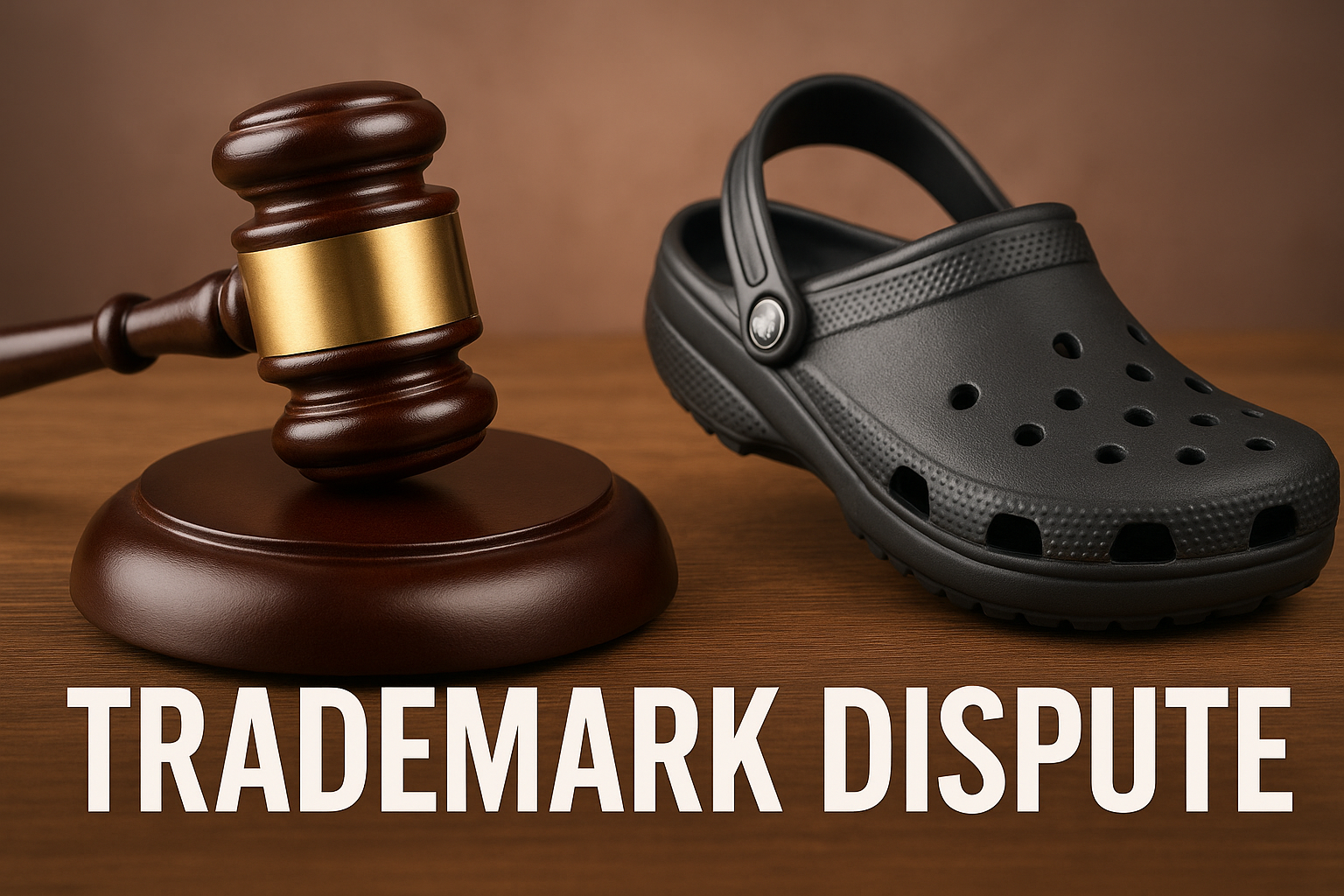
The Delhi High Court has cancelled the trademark registration of “Croose” after ruling that the mark was deceptively similar to “CROCS”, the globally recognized footwear brand. The decision comes as a significant relief for Crocs, Inc., which has been battling misuse of its brand identity in India.


The Case

Crocs, Inc. filed a rectification petition under Sections 47 and 57 of the Trade Marks Act, 1999. The company argued that the “Croose” mark (Registration No. 3409214 in Class 25 for footwear) created confusion in the minds of consumers.

The petitioner claimed that the impugned mark was phonetically, visually, and structurally similar to “CROCS.” It further alleged that the respondent adopted the mark dishonestly to ride on Crocs’ goodwill in the Indian footwear market.


Court’s Findings

Justice Prathiba M. Singh of the Delhi High Court agreed with Crocs’ submissions.

  • The court noted that both marks were used for identical goods — footwear.
  • The similarity in sound and appearance between “Croose” and “Crocs” was held sufficient to create a likelihood of consumer confusion.
  • The adoption of the mark was deemed dishonest, with an intent to exploit Crocs’ established reputation.

Based on these observations, the court directed the Registrar of Trademarks to remove “Croose” from the register.


Why This Matters

Protection for Global Brands

The ruling reaffirms Indian courts’ strong stance on protecting well-known trademarks. Companies with established reputations can expect judicial support against infringing or deceptively similar marks.

Consumer Interest

The decision also safeguards consumers, ensuring they are not misled by products marketed under confusingly similar names.

Market Implications

By cancelling the “Croose” registration, the court has sent a clear signal to businesses that piggybacking on popular brands will not be tolerated.


Broader Context

Crocs has been expanding aggressively in India and has previously taken action against infringers and copycat products. This judgment strengthens its legal position in future disputes.

Trademark experts note that such rulings will deter small and mid-level players from choosing names that mimic established global brands. It also contributes to a healthier competitive environment in India’s fast-growing footwear market.


Conclusion

The Delhi High Court’s decision to cancel the “Croose” trademark marks a decisive victory for Crocs. By protecting a well-known brand and curbing dishonest adoption of similar marks, the court has reinforced the principle that trademark law is both a shield for businesses and a safeguard for consumers.

Sun Pharma May Face Limited Impact from US Tariff on Patented Medicines

US Slaps 100% Tariff on Patented Drugs

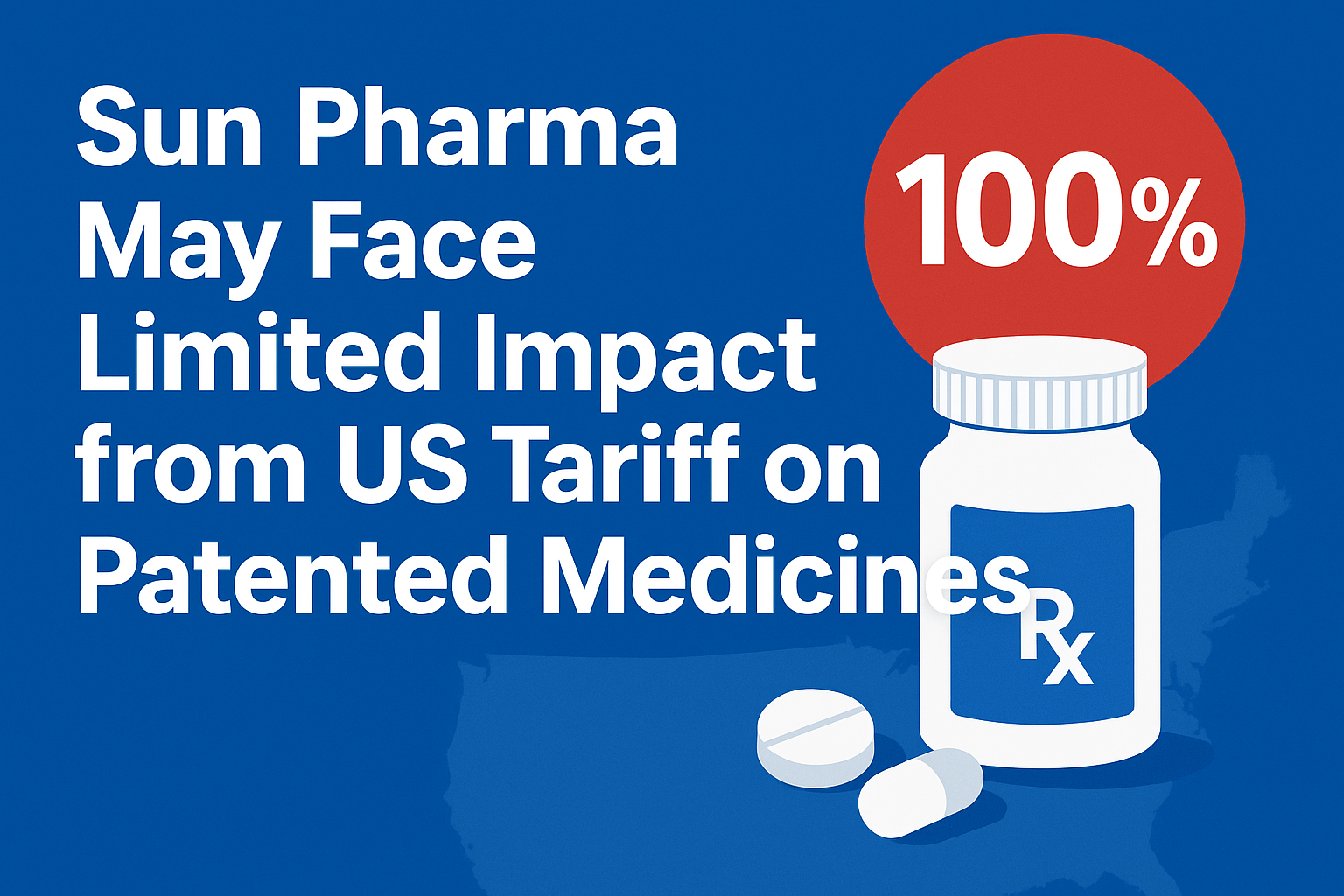
The United States has announced a 100% tariff on imports of branded and patented medicines from October 1. Generic and off-patent products will remain exempt. The move aims to push drugmakers to shift production to domestic facilities.

Sun Pharma’s Exposure

Analysts say Sun Pharmaceutical Industries could feel some pressure as it earns nearly 17% of its FY25 revenue from patented medicines in the US market. Patented drug sales contribute almost 8–10% to its consolidated earnings per share.

You can read more about Sun Pharma’s global expansion strategy and its performance in the US market.

Why Analysts Expect a Limited Hit

Experts believe the impact on Sun Pharma will remain contained. The company has options to pass on part of the cost to consumers or insurers. It can also explore shifting production to the US or to contract manufacturers with American operations.

Relocating manufacturing could take between 6 and 24 months. The process will require capital and regulatory approvals, but Sun Pharma has a strong balance sheet. The company holds around USD 3 billion in cash reserves, which can support new investments.

For other Indian drugmakers, the impact is expected to be minimal. Most of them focus on generics, which fall outside the scope of the new tariff. Learn more about India’s generic drug exports.

Risks and Opportunities

Analysts caution that Sun Pharma’s margins may come under short-term pressure. Passing on costs may not be fully possible because of regulatory and competitive factors. Any delay in shifting manufacturing could also affect profitability.

At the same time, Sun Pharma’s financial strength and partnerships may help it adapt. If it expands production within the US, it could even strengthen its market position in the long run.

Outlook

Market watchers will track Sun Pharma’s next steps closely. The company’s ability to navigate tariffs, protect margins, and sustain its patented drug portfolio in the US will decide the real impact of this policy shift.

AMD’s New DDR5 Patent Promises to Double RAM Speed, But Adoption Faces Hurdles

Patent Highlights a High-Bandwidth DIMM Design

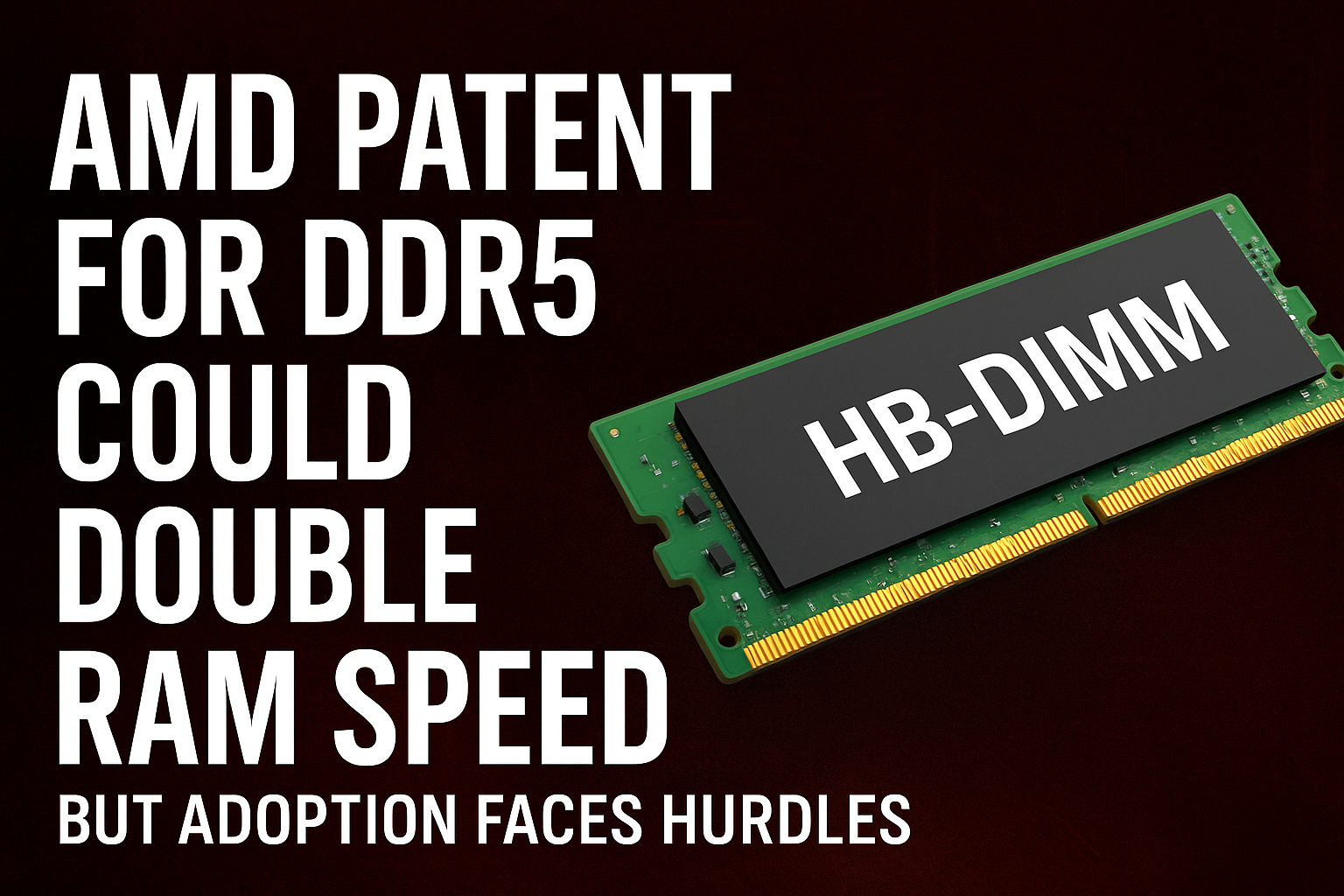
AMD has filed a patent for a new High-Bandwidth DIMM (HB-DIMM) design that could revolutionize system memory performance. The technology aims to double the bandwidth of DDR5 RAM without changing the DRAM chips themselves. Instead, the innovation lies in adding advanced buffer chips and smarter on-module logic.

The patent describes the use of pseudo-channels that split and combine data streams. This allows two memory streams to merge into a single, faster output. In theory, speeds could jump from 6.4 Gbps to 12.8 Gbps per pin.

For a deeper look at semiconductor patent developments, click here.


How It Works

The new design uses a register/clock driver (RCD) and additional routing logic. These components manage the flow of commands and data between the memory controller and DRAM chips. Unlike conventional DIMMs, this setup enhances throughput while relying on standard DDR5 dies.

This approach reduces the need for expensive new DRAM manufacturing processes. Instead, it shifts complexity to the memory module itself.

Learn more about how Intel’s MRDIMM technology is reshaping memory standards in this article.


Challenges Ahead

Despite the promising design, adoption will not be easy. For HB-DIMMs to succeed, CPUs, motherboards, and chipsets must support the new module format. Proprietary memory standards often fail unless approved by JEDEC and widely adopted by the ecosystem.

Latency, power consumption, and heat could also increase because of the additional buffer logic. These factors may limit mainstream use in consumer PCs.

To read about a recent patent infringement lawsuit in biotechnology, click here.


Server Market Could See It First

Analysts believe this design is more likely to debut in data centers and high-performance computing (HPC). These sectors prioritize bandwidth and can absorb the higher cost of advanced DIMMs.

Intel is already pushing its Multiplexed Rank DIMM (MRDIMM) in server platforms. AMD’s approach may serve as a competitive alternative or even influence the next generation of DDR6 standards.

For updates on global memory disputes and licensing deals, see this coverage on solar patent settlements.


Conclusion

AMD’s HB-DIMM patent showcases bold innovation in memory design. If successful, it could significantly boost RAM speeds. However, widespread adoption remains uncertain due to technical, economic, and industry-standard challenges.

For now, consumers should not expect to see HB-DIMMs in gaming rigs or desktops soon. Instead, the first real-world applications may appear in enterprise servers and HPC environments.

Factor Bioscience Sues AstraZeneca and Cellectis Over Gene-Editing Patent Infringement

Factor Targets mRNA + TALEN Technology in Lawsuit

Biotechnology company Factor Bioscience has taken legal action against AstraZeneca and French biotech firm Cellectis, accusing them of infringing patents linked to its gene-editing technology. The lawsuit was filed in the U.S. District Court for the District of Delaware.

Factor alleges that the companies misused its mRNA and TALEN (Transcription Activator-Like Effector Nucleases) platform, a method used to create engineered cells for cancer treatments. The case, Factor Bioscience Inc v. Cellectis Inc, is registered under case number 1:25-cv-01197.

Claims Against AstraZeneca and Cellectis

According to the complaint, Cellectis, which is collaborating with AstraZeneca on oncology research, copied Factor’s patented methods to design cell therapies. These therapies aim to fight cancers such as leukemia and lymphoma.

Factor argues that the alleged infringement undermines the contributions of smaller biotech innovators. The company said that if larger pharmaceutical corporations are allowed to exploit these breakthroughs, it would discourage future innovation in the gene-editing field.

What Factor Wants From the Case

Factor Bioscience is seeking monetary damages. The company has not disclosed a specific amount. Legal experts note that Factor could also ask the court for injunctive relief to stop the use of its patented methods in ongoing projects.

Broader Impact on Biotech

The case highlights growing disputes in the biopharmaceutical industry, where small firms hold critical patents but lack the same resources as global pharma companies. Gene-editing platforms such as TALENs and CRISPR are central to next-generation therapies, making intellectual property rights a key battleground.

Legal analysts suggest that this lawsuit could influence how biotech firms license, enforce, and defend gene-editing patents in the United States.

AT&T and Nokia Overturn $166 Million Patent Verdict in Federal Appeal

U.S. Court of Appeals rules in favor of telecom giants

AT&T and Nokia have successfully overturned a $166 million patent infringement verdict in the U.S. Court of Appeals for the Federal Circuit. The ruling favored AT&T’s use of Nokia equipment in its 4G and 5G networks. The court found insufficient evidence supporting the jury’s original findings.

Background of the Case

Finesse Wireless, a Utah-based patent-holding company, filed the lawsuit against AT&T in 2021. The company claimed AT&T misused technology designed to reduce wireless signal interference. Nokia, which supplied base stations to AT&T, joined the case later to defend its products.

In 2023, a Texas jury had initially sided with Finesse Wireless, awarding over $166 million in damages. However, the appeals court reviewed the case and ruled in favor of AT&T and Nokia, stating that the infringement claims lacked solid evidence.

Reactions from Companies

Both AT&T and Nokia welcomed the appellate decision. A Nokia spokesperson stated that the court “reached the right conclusion.” AT&T also expressed relief at the ruling, emphasizing its commitment to lawful technology use.

Finesse Wireless has a history of filing patent disputes against telecom companies. It has previously reached settlements with major players like Ericsson and Verizon Wireless, highlighting the recurring tension over wireless technology patents.

Implications for the Telecom Sector

The verdict reversal reinforces the need for solid evidence in patent infringement cases. It also underscores the challenges patent-holding companies face when pursuing litigation against large telecom providers.

This ruling could influence ongoing and future patent lawsuits, especially involving critical 4G and 5G infrastructure. Telecom companies now have a reference case for defending against unsubstantiated infringement claims.


Internal Links:

Via LA Launches Semiconductor Patent Pool to Target Memory Technologies

New Licensing Initiative for Memory Patents

Via Licensing Alliance (Via LA) has announced the launch of a new patent pool focused on semiconductor memory technologies. The move aims to streamline licensing in one of the most critical areas of the semiconductor industry. By creating a unified pool, Via LA seeks to reduce complexity for licensees and patent holders.

Why Memory Technologies Matter

Memory technologies play a central role in artificial intelligence (AI), cloud computing, and high-performance devices. Demand for DRAM, NAND flash, and emerging memory solutions continues to grow as industries adopt faster and more efficient chips. A patent pool in this space could help reduce fragmentation and improve access to innovation.

Benefits of the Patent Pool

The new pool will allow companies to license a wide set of patents through a single agreement. This model is expected to:

  • Lower transaction costs.
  • Reduce legal disputes.
  • Provide transparency in royalty rates.
  • Accelerate adoption of new memory standards.

For smaller companies, such a framework could open doors to essential patents without lengthy negotiations.

Industry Context

The semiconductor industry is facing rising competition and supply chain challenges. Memory components are particularly strategic as AI workloads require large volumes of data processing. Patent pools like this one often attract attention from regulators, especially if licensing terms raise fair, reasonable, and non-discriminatory (FRAND) concerns.

What Comes Next

Via LA has not disclosed detailed royalty structures or the full list of participants in the memory patent pool. Analysts expect leading memory manufacturers and technology developers to evaluate whether to join. The success of this initiative will depend on participation and the fairness of licensing conditions.


Suggested Internal Links

Moleculin Secures Canadian Patent Allowance for Cancer Drug Annamycin

Patent Strengthens Drug Development Pipeline

Moleculin Biotech has received a notice of allowance from the Canadian Intellectual Property Office for a key patent linked to its lead drug candidate, Annamycin. The patent covers methods of producing a pre-liposomal Annamycin lyophilizate with improved stability and purity. Once granted, the protection will last until June 2040, with the possibility of extensions based on regulatory timelines.

The allowance marks an important milestone in the company’s efforts to expand its global intellectual property portfolio. Moleculin already has pending patent applications in the U.S. and Europe, further strengthening the international protection of its oncology pipeline.

Focus on Safer Anthracyclines

Annamycin is being developed as a non-cardiotoxic anthracycline, a critical improvement compared with traditional anthracyclines that often cause long-term heart damage. The company is targeting acute myeloid leukemia (AML) and soft tissue sarcoma lung metastases as primary indications.

The U.S. Food and Drug Administration (FDA) has granted Fast Track Designation and Orphan Drug Status for Annamycin in AML. The European Medicines Agency (EMA) has also recognized its potential by awarding Orphan Drug designation.

For more details on FDA orphan drug designations, visit the official agency page.

Clinical Development Advances

Moleculin has launched a pivotal Phase 3 trial, known as MIRACLE, which is evaluating Annamycin in combination with cytarabine for patients with relapsed or refractory AML. The trial outcome will play a decisive role in the drug’s regulatory future.

If successful, Annamycin could offer oncologists a safer alternative in settings where current chemotherapy options remain limited by toxicity.

Financial Challenges Remain

Despite the scientific and regulatory progress, Moleculin continues to face financial pressure. Analysts rate the company’s financial health as weak, highlighting the need for additional funding or strategic partnerships to support ongoing clinical development.

Investors will be closely watching for updates on both trial results and capital-raising strategies, as these will determine the company’s ability to advance Annamycin toward market approval.

Outlook

The Canadian patent allowance adds another layer of protection to Moleculin’s lead asset. Combined with U.S. and European filings, the company is positioning itself for long-term market exclusivity. However, successful commercialization will depend on trial data, regulatory approval, and financial stability.

LONGi and JinkoSolar End Patent Battles, Sign Cross-Licensing Deal

Settlement Ends Global Disputes

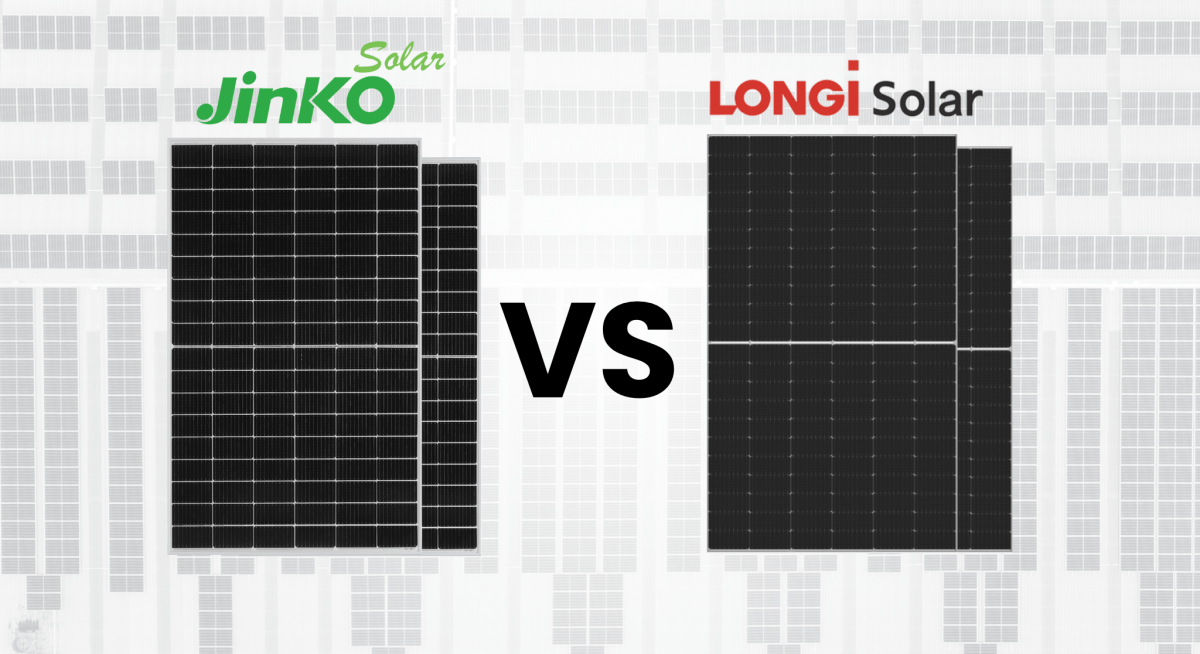
Solar giants LONGi Green Energy Technology and JinkoSolar Holding Co. have officially ended their global patent battles. The companies announced that they will withdraw all pending lawsuits and enter into a cross-licensing agreement.
The disputes stretched across China, the United States, Europe, Japan, and Australia. Both firms had filed multiple cases over solar cell technologies, creating uncertainty in the photovoltaic (PV) industry.

Focus on TOPCon and Back-Contact Technology

The disputes centered on TOPCon cells developed by JinkoSolar and Back-Contact (BC) technology promoted by LONGi.

  • TOPCon (Tunnel Oxide Passivated Contact) improves efficiency by reducing electron loss.
  • BC technology moves electrical contacts to the rear, removing shading from the front surface.
    These advanced designs represent the future of solar cells. The settlement now allows both companies to freely advance their products without fear of injunctions.

Cross-Licensing of Core Patents

The companies confirmed that they will cross-license selected core patents. This move gives each firm freedom to use certain innovations owned by the other.
Details such as financial terms, duration, and exact patents remain undisclosed. However, the agreement covers the most important intellectual property for both technologies.

Industry Impact

The settlement signals a more stable IP environment for the solar industry. Costly legal disputes had slowed down innovation and threatened supply chains.
By resolving conflicts, LONGi and JinkoSolar can now focus on research, development, and faster commercialization. Industry experts believe the deal could also encourage other solar companies to settle disputes and cooperate on innovation.

Market Context

The PV industry faces falling module prices and oversupply challenges. Litigation added financial strain and created risks for investors.
Ending the disputes gives both firms stronger positions in global markets. It also boosts confidence among project developers and customers who rely on steady supply.

Strategic Takeaway

This agreement highlights how cross-licensing can replace litigation in high-tech industries. LONGi and JinkoSolar have chosen cooperation over conflict.
Their move may speed up adoption of next-generation solar modules and shape the competition around efficiency, cost, and scale rather than legal battles.

Singapore Bag Brand Aupen, Founder Face POFMA Orders Over False Claims on IPOS

The Ministry of Communications and Information has issued correction directions under the Protection from Online Falsehoods and Manipulation Act (POFMA) against handbag label Aupen and its founder Nicholas Tan. The move follows false statements about the Intellectual Property Office of Singapore (IPOS) in relation to an ongoing trademark dispute.


Allegations Against IPOS

Aupen and Tan had posted on social media that IPOS advised the brand to “back down” in its trademark application. They also claimed that Singapore’s trademark laws favour foreign companies. In some posts, Tan suggested that Aupen had little chance of winning against American retailer Target, which objected to the Aupen trademark due to similarities with its lingerie brand Auden.

These statements spread widely on Instagram, prompting concerns that they could mislead the public and erode trust in Singapore’s intellectual property framework.


IPOS Clarifies Its Role

In a public statement, IPOS rejected the allegations. The agency stressed that it does not advise companies to abandon trademarks or predict outcomes of disputes. It clarified that its role is limited to administering the application process and explaining procedural options.

IPOS also stated that Singapore’s trademark system treats local and foreign businesses equally, with decisions based solely on legal provisions. The office emphasised that Aupen’s Singapore trademark for “AUPEN” remains valid, regardless of the U.S. dispute.


POFMA Orders Issued

The government determined that the posts by Aupen and Tan contained falsehoods of public interest. As a result, both parties received POFMA correction directions. They must now publish notices linking to the government’s clarification so that readers are not misled.

POFMA empowers authorities to act against online falsehoods that may harm public confidence or affect social trust. In this case, officials said inaccurate claims about IPOS risked damaging Singapore’s reputation as a fair hub for intellectual property protection.


Broader Trademark Dispute

The controversy began when Target raised objections in the United States against Aupen’s trademark filings. Target argued that “Aupen” is confusingly similar to its lingerie line “Auden.”

While the U.S. process is ongoing, Aupen has scaled back operations, removed some products from its website, and reduced staff. However, in Singapore, the brand continues to hold valid registration for its name.


Implications for Businesses

The case highlights the importance of accurate communication during legal disputes. False or misleading statements about public agencies can trigger POFMA action. For startups and small businesses, the episode also underscores the need to seek professional legal advice when handling trademark opposition or international brand protection.

Observers say the outcome of Aupen’s U.S. challenge will determine how it expands abroad, but in Singapore its registration remains unaffected.

India’s Bulk Drug Makers Gear Up for Ozempic Patent Expiry

API Manufacturers Eye Semaglutide Opportunity

Indian pharmaceutical companies are preparing for a major shift in the diabetes and obesity drug market. The patent for Novo Nordisk’s blockbuster drug Ozempic, which contains semaglutide, is set to expire in several key markets. This expiry is expected to open doors for generic and biosimilar players.

Indian Firms Begin Preparations

Leading bulk drug makers, including Dr. Reddy’s Laboratories and Macleods Pharmaceuticals, have started planning to manufacture the active pharmaceutical ingredient (API) semaglutide. These companies are working to scale up production to meet the expected surge in global demand.

Indian firms already play a dominant role in supplying APIs for global generics. By entering the semaglutide market, they could strengthen their position as essential suppliers in the fight against diabetes and obesity.

Market Impact of Patent Expiry

Ozempic has been a blockbuster drug for Novo Nordisk, generating billions in annual revenue. However, the loss of patent exclusivity will lower its pricing power. Industry experts expect strong competition from generics once regulators approve them.

Patients may benefit the most. Generic and biosimilar launches usually push prices down, making treatments more affordable. Governments and health insurers are also likely to welcome cheaper alternatives as global demand for obesity and diabetes drugs rises.

Challenges Ahead for Generic Makers

Despite the opportunity, developing semaglutide generics will not be easy. The molecule is complex, and ensuring consistent safety, potency, and regulatory approval will be challenging.

Regulatory agencies such as the US FDA and European Medicines Agency (EMA) will require strict quality data. Only companies with robust manufacturing systems and compliance records will succeed in this competitive space.

Global Implications

India’s preparation highlights its growing role in the global pharmaceutical supply chain. If successful, Indian companies could capture significant market share. This would boost revenues while improving global access to advanced diabetes and obesity treatments.

For Novo Nordisk, the expiry represents a critical challenge. The company may respond with new formulations, patient support programs, or fresh patents to protect its market share.

What Lies Ahead

The coming years will determine how quickly Indian firms can scale production and navigate regulatory pathways. Market watchers expect the first generic launches soon after the patents expire, depending on jurisdiction.

If Indian companies succeed, the semaglutide story could mark another milestone in the country’s role as the “pharmacy of the world.