
US Court Sanctions Lawyers for Filing AI-Generated Fake Case Laws in Patent Litigation, Sends Strong Warning to Legal Profession

Conceptual illustration of a courtroom with artificial intelligence graphics representing legal sanctions related to AI-generated fake case law in patent litigation.

In a landmark moment reflecting the growing intersection between artificial intelligence and legal ethics, a United States court has sanctioned attorneys after discovering that legal filings in a patent dispute contained fabricated case laws generated by artificial intelligence tools. The ruling marks one of the strongest judicial responses yet to the misuse of generative AI in litigation and highlights the increasing scrutiny courts are placing on lawyers who rely on automated systems without proper verification.

The decision underscores a central principle: while AI may assist legal professionals, responsibility for accuracy remains firmly with the lawyers themselves.

A Patent Case Turns into an AI Ethics Debate

The controversy emerged during patent litigation proceedings where legal briefs submitted to the court included citations to case laws that did not exist. Upon closer examination, the court found that the cited authorities were either entirely fabricated or misrepresented.

The attorneys later acknowledged that generative AI tools played a role in producing the content. However, the court emphasized that technological assistance does not absolve lawyers from their professional duties. Courts rely heavily on accurate legal citations, and any breach threatens the integrity of judicial decision-making.

Rather than treating the incident as a simple mistake, the court framed it as a serious failure of diligence.

The Court’s Core Message: Technology Does Not Replace Responsibility

In its ruling, the court drew a clear distinction between using AI responsibly and misusing it without oversight. Judges acknowledged that AI tools are becoming common in legal practice. Many lawyers now use AI for research, drafting, summarizing cases, or preparing arguments.

However, the court stressed that lawyers must independently verify all AI-generated content before submitting it to the judiciary.

The judge noted that fabricated case laws waste judicial resources, mislead opposing parties, and undermine trust in the legal system. As a result, sanctions became necessary not only to address the immediate misconduct but also to deter similar behavior in the future.

This reasoning aligns with a growing trend in courts worldwide, where judges increasingly demand transparency and accountability when AI tools influence legal filings.

The Rise of AI in Legal Practice

Over the past two years, generative AI has transformed the legal landscape. Law firms use AI-driven platforms to accelerate research, draft contracts, and analyze complex legal issues. Proponents argue that AI improves efficiency and reduces costs.

Yet this case reveals the risks accompanying rapid adoption.

Unlike traditional legal databases, generative AI models can sometimes produce “hallucinations.” These outputs appear authoritative but contain fabricated or inaccurate information. Without careful review, such errors can enter official court documents.

The sanctioned lawyers became a high-profile example of how reliance on AI without proper safeguards can backfire.

Comparing Traditional Legal Research with AI Assistance

Traditional legal research involves verifying sources through established databases, reviewing precedents manually, and cross-checking citations. This process demands time and expertise but offers a higher degree of reliability.

AI tools, by contrast, generate responses quickly and present information in polished language. This speed creates a powerful temptation to rely on AI-generated text without deeper scrutiny.

The court’s ruling highlights a critical distinction: AI may accelerate drafting, but it cannot replace legal judgment.

Legal professionals must treat AI outputs as preliminary drafts rather than authoritative sources. Verification remains a non-negotiable step.

Ethical Duties in the Age of Artificial Intelligence

Legal ethics rules across jurisdictions impose clear obligations on lawyers. These include duties of competence, candor toward the court, and responsibility to ensure filings are accurate.

The sanctions reinforce that these obligations remain unchanged despite technological advancements.

Courts expect lawyers to understand both the strengths and limitations of AI tools. Blind reliance on technology may amount to professional negligence. The decision also signals that judges are willing to impose penalties when attorneys fail to meet these standards.

By framing the issue as one of ethical accountability rather than technological failure, the court sent a powerful message to the legal community.

A Growing Pattern of Judicial Responses

This case is not an isolated incident. Courts in several jurisdictions have recently addressed similar situations involving AI-generated content. Some judges have required lawyers to certify that AI tools were used responsibly. Others have issued formal warnings about the risks of relying on automated systems.

The sanctions in this patent case represent an escalation. Instead of merely cautioning lawyers, the court imposed tangible consequences.

Legal analysts believe this signals a shift toward stricter enforcement as AI becomes more deeply integrated into professional workflows.

Implications for Patent Litigation

Patent litigation often involves complex technical details and extensive citation of prior cases. Precision is critical. Even minor inaccuracies can alter the interpretation of legal arguments or influence judicial reasoning.

The use of fabricated case laws in a patent dispute raises particular concerns because judges rely heavily on precedent when interpreting intellectual property issues.

The ruling suggests that courts may apply heightened scrutiny when AI tools influence filings in technically demanding areas such as patent law.

Lawyers working in intellectual property fields may need to adopt stricter internal protocols to ensure accuracy.

Balancing Innovation with Professional Standards

The broader debate surrounding AI in law centers on balancing innovation with ethical safeguards. Supporters argue that AI democratizes legal services and enhances productivity. Critics warn that overreliance on automated systems risks degrading professional standards.

This case highlights the need for balance.

The court did not condemn AI itself. Instead, it emphasized responsible usage. Technology can assist but cannot replace human expertise.

Legal institutions are now grappling with how to integrate AI while maintaining trust in the judicial process.

Lessons for the Legal Profession

The ruling offers several clear lessons:

First, lawyers must treat AI-generated content as a starting point rather than a finished product. Every citation and quotation must undergo independent verification.

Second, firms may need to implement internal policies governing AI usage. Training programs, quality control procedures, and supervisory review could become standard practice.

Third, transparency may become increasingly important. Courts may expect lawyers to disclose when AI tools assist in drafting.

Finally, legal education itself may evolve. Law schools and professional training programs are already incorporating discussions about AI ethics and technological competence.

A Defining Moment for AI Accountability

The sanctions imposed in this patent litigation case mark a defining moment in the evolving relationship between artificial intelligence and the legal profession. As AI tools become more powerful and widespread, courts appear determined to ensure that technological convenience does not compromise legal integrity.

The message is clear: innovation must coexist with responsibility.

Lawyers who embrace AI without understanding its limitations risk serious consequences. Those who use it wisely, however, may gain significant advantages while maintaining professional standards.

As the legal industry navigates this transformation, one principle remains unchanged. The duty to provide accurate, truthful, and reliable legal submissions rests with human practitioners — not with algorithms.

Sony’s Bold Move: Touchscreen PlayStation Controller Patent Signals a New Era in Gaming Design

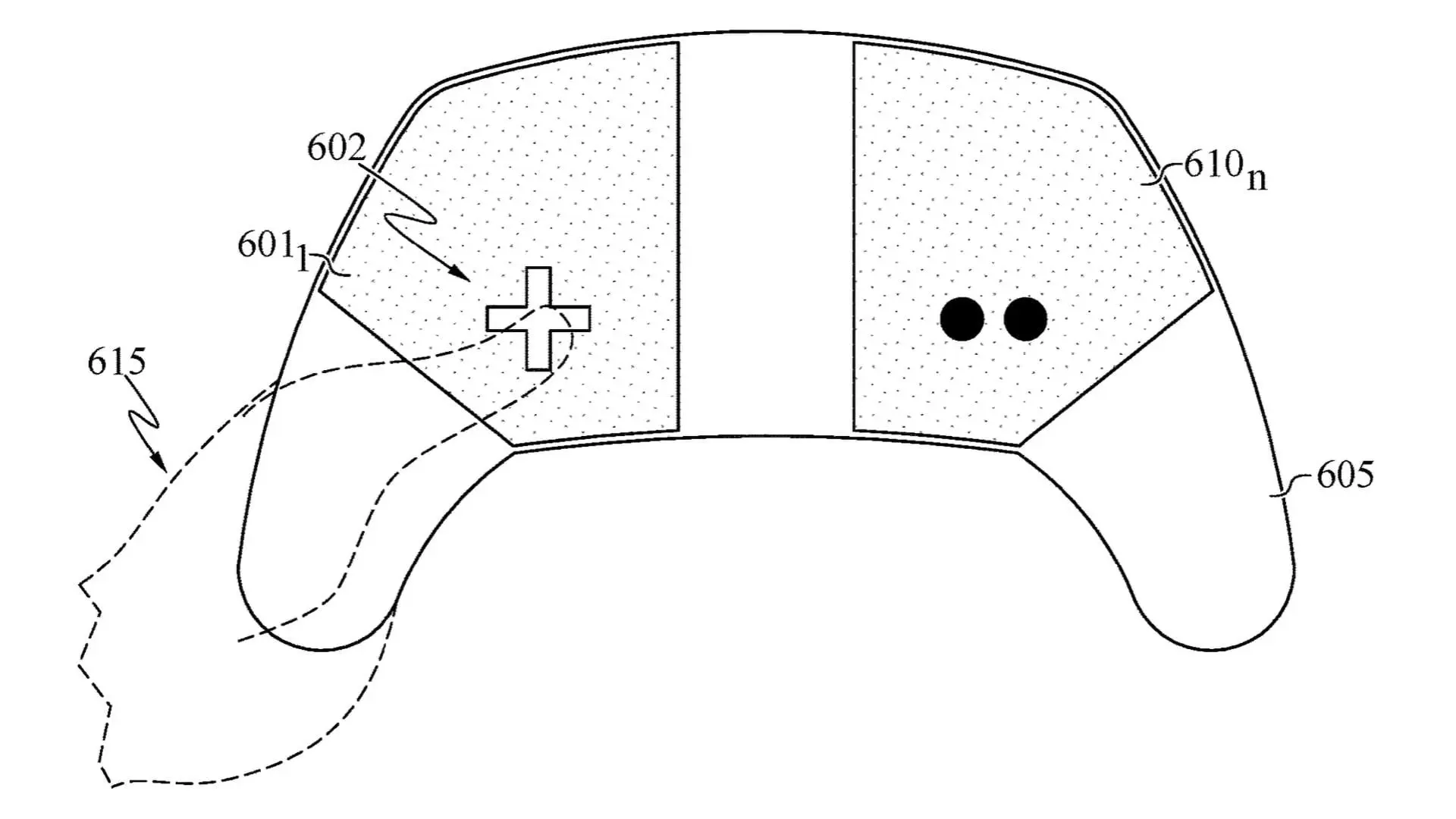
Futuristic touchscreen PlayStation controller concept with customizable virtual buttons displayed on a sleek digital interface

Sony Interactive Entertainment has revealed a striking new vision for the future of gaming hardware. A recently published patent shows a PlayStation controller built around a large touchscreen interface, allowing players to decide where buttons appear and how they function. The concept challenges decades of fixed controller design and signals Sony’s willingness to rethink how gamers interact with consoles.

At a time when gaming hardware innovation often focuses on incremental upgrades, Sony’s touchscreen controller patent stands out as a fundamental redesign. It pits the traditional, rigid button layout against a flexible, player-driven interface that could redefine accessibility, comfort, and customization.


Breaking Away from Fixed Controller Layouts

For years, PlayStation controllers have followed a familiar formula. Physical buttons, analog sticks, triggers, and directional pads occupy fixed positions. This approach delivers reliability and tactile precision, but it assumes that all players have similar hands, abilities, and preferences.

Sony’s patented design challenges that assumption. Instead of permanent buttons, the controller features a touch-sensitive surface covering most of its face. On this screen, players can create, move, resize, or remove virtual buttons based on their needs. The controller becomes a dynamic interface rather than a static tool.

This shift introduces a powerful idea: one controller, infinite layouts. A racing game could display oversized acceleration and braking controls. A role-playing game could prioritize menus and shortcuts. A minimalist game could use only one or two large inputs. The controller adapts to the game—and to the player.


Customization as a Core Feature

Sony’s patent emphasizes personalization. According to the design, players are no longer locked into default layouts defined by hardware engineers. Instead, they gain full control over how inputs appear and behave.

This approach marks a sharp contrast to existing controllers, where customization typically means remapping buttons, not redefining their physical or visual presence. With a touchscreen surface, layouts can change instantly between games or even within the same game.

Such flexibility could reduce hand strain, improve reaction times, and enhance comfort during long play sessions. It also opens the door to game-specific interfaces that feel purpose-built rather than adapted from a universal template.


A Strong Push for Accessibility

Accessibility appears to be a driving force behind Sony’s concept. Fixed button layouts often pose challenges for players with limited mobility, smaller hands, or physical disabilities. A fully customizable touchscreen controller could help bridge that gap.

Players could enlarge frequently used inputs, reduce the number of required buttons, or cluster controls within easy reach. This level of adaptability could make complex games more playable for a wider audience.

Compared to traditional accessibility solutions, which often rely on external devices or specialized controllers, Sony’s concept integrates accessibility directly into mainstream hardware design. That approach could normalize inclusive gaming rather than treating it as a niche feature.


Technology Behind the Touch

Touchscreen controllers are not without challenges. One of the biggest concerns is accuracy. Physical buttons provide immediate tactile feedback, while touch surfaces risk accidental presses when fingers rest on the screen.

Sony addresses this issue in the patent by describing pressure and heat-sensing technology. These sensors aim to distinguish between intentional inputs and passive contact. By combining multiple detection methods, the controller could reduce false inputs and improve reliability.

The design suggests Sony is aware of past failures in touch-based controllers and is actively working to avoid repeating them. While questions remain about real-world performance, the patent shows a thoughtful approach to solving known limitations.


Touch vs Tactile: A Key Debate

Despite its promise, the concept raises an important question: can a touchscreen truly replace physical buttons? Competitive gamers often rely on muscle memory and tactile feedback. For fast-paced shooters or fighting games, even slight input uncertainty can be frustrating.

Sony’s design does not necessarily eliminate physical controls entirely. The patent leaves room for hybrid approaches, combining touch surfaces with traditional triggers or sticks. This suggests the touchscreen could serve as an enhancement rather than a total replacement.

If implemented carefully, the controller could offer the best of both worlds—precision where it matters and flexibility where it helps most.


What This Means for PlayStation’s Future

It is important to note that patents do not guarantee products. Companies often file patents to protect ideas, even if they never reach consumers. However, patents do reveal strategic intent.

This touchscreen controller concept shows that Sony is actively exploring ways to move beyond conventional hardware design. Even if this exact controller never launches, its ideas could influence future PlayStation accessories, accessibility features, or next-generation consoles.

Compared to recent innovations like adaptive triggers and advanced haptics, this patent represents a larger conceptual leap. Those features enhanced existing designs. This one questions the design itself.


Industry Impact and Competitive Landscape

Other gaming companies have experimented with touch input, but rarely as the primary control surface. Sony’s approach goes further by turning the controller into a configurable digital canvas.

If Sony moves forward with this concept, it could pressure competitors to rethink their own controller strategies. Customizable touch-based interfaces could become a new battleground for differentiation, especially as gaming audiences become more diverse.

The idea also aligns with broader trends in technology, where personalization and adaptability increasingly define user experiences.


A Glimpse Into What Comes Next

Sony’s touchscreen PlayStation controller patent offers a compelling glimpse into the future of gaming interfaces. It prioritizes player choice, inclusivity, and adaptability over tradition. While challenges remain, the concept reflects bold thinking at a time when hardware innovation often plays it safe.

Whether this design becomes a consumer product or simply influences future developments, it sends a clear message. Sony is willing to challenge long-standing assumptions about how games should be played.

The controller of tomorrow may no longer dictate how players interact with games. Instead, it may adapt—silently and seamlessly—to the player’s hands, abilities, and imagination.

Meta Faces Massive Patent Lawsuit Over Smart Glasses Technology

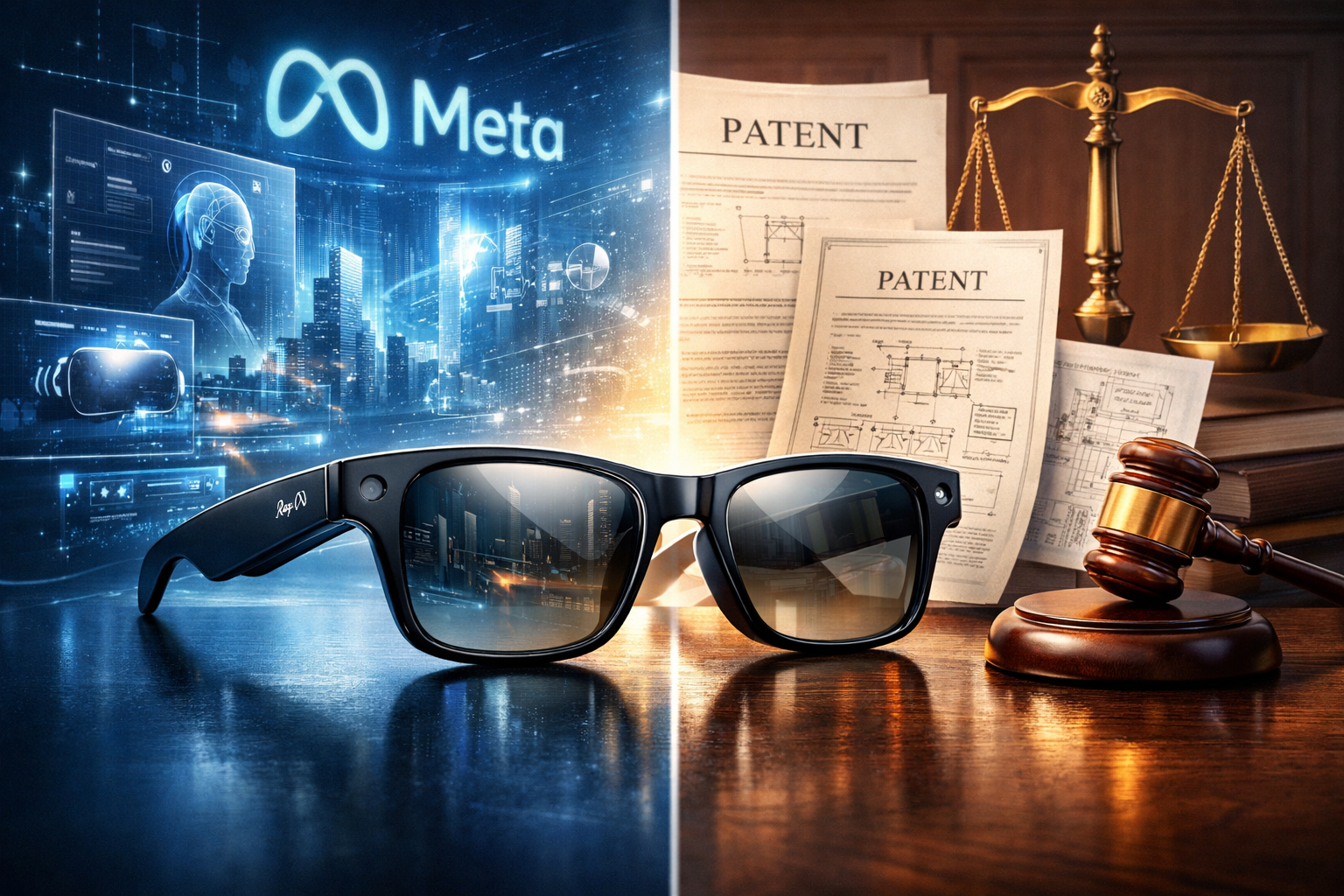
Illustration of smart glasses surrounded by patent documents and legal symbols highlighting Meta’s smart glasses patent dispute.

Meta Platforms Inc. is facing a high-stakes legal challenge that could disrupt its ambitious push into smart glasses and augmented reality. A smaller but highly specialised rival has accused the tech giant of infringing core patents that underpin modern smart eyewear.

The lawsuit, filed in a US federal court in Massachusetts, comes from Solos Technology Ltd., a Cambridge-based wearable technology company. Solos alleges that Meta and its eyewear partner EssilorLuxottica, owner of brands such as Ray-Ban and Oakley, unlawfully used patented technologies in Meta’s Ray-Ban smart glasses.

The complaint seeks billions of dollars in damages and demands an injunction that could block further sales of the accused products in the United States.

A Clash of Scale and Innovation

The dispute places two very different players head-to-head.

Solos is a focused innovator. It has spent more than a decade developing smart-glasses technology and holds patents covering essential systems such as advanced audio beamforming, multimodal sensors, real-time data processing, and sensor fusion. These features allow smart glasses to hear clearly, respond instantly, and interact intelligently with users.

Meta operates at a completely different scale. The company dominates social media and has invested heavily in hardware through its Reality Labs division. Smart glasses play a central role in Meta’s long-term vision of immersive computing, artificial intelligence, and hands-free digital interaction.

This lawsuit challenges whether Meta built its smart glasses independently or borrowed foundational ideas from a smaller rival.

What Solos Is Claiming

According to the lawsuit, Meta’s Ray-Ban smart glasses infringe multiple US patents owned by Solos. These patents cover technologies that are not optional add-ons but essential to how smart glasses function in real-world environments.

Solos argues that Meta and its partners were aware of its technology years before launching competing products. The complaint alleges that Solos showcased its inventions at industry events and private demonstrations, where executives and engineers from major eyewear brands gained first-hand exposure.

The lawsuit also claims that individuals with knowledge of Solos’ proprietary systems later joined Meta, giving the company access to confidential technical insights. Based on these allegations, Solos is accusing Meta of willful infringement, a charge that could significantly increase potential damages if proven in court.

Meta’s Smart Glasses Strategy

Meta entered the smart-glasses market through a partnership with EssilorLuxottica, blending consumer electronics with established fashion eyewear brands. The Ray-Ban Meta glasses combine cameras, microphones, open-ear speakers, and AI-powered features into frames that resemble traditional sunglasses.

The products have gained strong consumer traction and are widely viewed as one of the most successful smart-glasses launches to date. Meta has positioned them as a stepping stone toward fully featured augmented-reality glasses, a market the company believes will define the next computing platform.

Solos, by contrast, has focused on modular, upgrade-friendly designs and enterprise-grade functionality. Its products emphasise adaptability and long-term usability rather than mass-market scale.

The lawsuit highlights the tension between rapid commercialisation and deep-tech originality.

Why This Case Matters

Patent disputes are common in technology. What makes this case unusual is its focus on core operational technologies rather than surface-level features or design elements.

If the court finds that Meta infringed patents covering fundamental smart-glasses functions, the implications could be far-reaching. Meta may be forced to redesign hardware, negotiate costly licensing deals, or temporarily halt sales of existing products.

For EssilorLuxottica, the case introduces unexpected legal risk into a partnership that has otherwise been commercially successful. Investors are already watching closely for signs of financial or strategic fallout.

A Test for Big Tech

The lawsuit underscores a growing trend in the technology sector. Smaller innovators are increasingly willing to challenge large platforms in court, especially when patents protect foundational systems rather than incremental improvements.

Meta’s vast resources give it legal firepower, but its visibility also makes it a prime target. Solos, while smaller, holds a tightly focused intellectual property portfolio that could prove difficult to bypass if the patents hold up under scrutiny.

The case also sends a message to the broader AR and wearable-tech industry. As smart glasses move from novelty to mainstream product, intellectual property battles are likely to intensify.

What Comes Next

The legal process is expected to be lengthy. Early stages will focus on patent validity, infringement analysis, and whether Solos can secure any interim relief. Both sides may also explore settlement or licensing discussions to avoid prolonged uncertainty.

Meta and EssilorLuxottica have not yet issued detailed public responses to the allegations.

Regardless of the outcome, the lawsuit marks a critical moment for the smart-glasses market. It tests how innovation is protected, how partnerships are structured, and how aggressively large technology companies can scale new hardware categories without stepping on existing intellectual property.

A Defining Moment for Smart Glasses

Smart glasses are no longer experimental gadgets. They are emerging as powerful computing tools with direct implications for communication, work, and daily life.

This legal battle will help define who controls the technologies that make them possible.

For Meta, the case threatens momentum in one of its most important future bets. For Solos, it is a fight to defend years of research and engineering.

For the industry, it is a reminder that in the race to shape the next platform, innovation and ownership still matter.

Iran Secures International Patent for Breakthrough Curcumin-Based Nanomedicine

Iran secures international patent for curcumin-based nanomedicine using nano-crystal technology

Iran has achieved a major scientific and commercial milestone. Iranian researchers have secured an international patent for an advanced curcumin-based nanomedicine, marking a decisive step forward in pharmaceutical nanotechnology and natural compound therapeutics.

The patented invention transforms curcumin — a well-known bioactive compound derived from turmeric — into a highly effective medical formulation. It overcomes long-standing scientific barriers that have limited curcumin’s real-world therapeutic use for decades.

Turning Promise into Performance

Curcumin has attracted global attention for its anti-inflammatory, antioxidant, and potential disease-modifying properties. Researchers have linked it to benefits in pain management, metabolic disorders, neurological conditions, and oncology research.

Yet curcumin has one critical weakness. The human body absorbs it very poorly. Conventional oral curcumin shows extremely low solubility in water and minimal bioavailability. Most of the compound passes through the body without delivering therapeutic impact.

Iran’s newly patented nanomedicine solves this problem decisively.

Using advanced nano-crystal and co-crystal engineering, Iranian scientists have redesigned curcumin at the molecular level. The result is a formulation that dissolves rapidly, absorbs efficiently, and remains stable in aqueous environments.

Nano Formulation vs Conventional Curcumin

The difference between traditional curcumin and the Iranian nano-curcumin is stark.

Conventional curcumin:

  • Shows very low water solubility
  • Achieves less than 1% systemic absorption
  • Requires high doses to show limited effect

The patented nano-curcumin:

  • Increases water solubility by over 10,000 times
  • Boosts bioavailability by more than 100 times
  • Delivers therapeutic effects at significantly lower doses

This is not a marginal improvement. It is a structural transformation that moves curcumin from the supplement category into serious pharmaceutical territory.

International Patent Protection

The innovation has been granted international patent protection, including registration with the United States Patent and Trademark Office (USPTO). This recognition confirms the novelty, industrial applicability, and inventive step of the Iranian technology under global intellectual property standards.

International protection gives the patent holder exclusive rights to commercialize, license, and expand the technology across major global markets. It also places the invention on equal legal footing with pharmaceutical innovations from leading research economies.

Real-World Applications Already Underway

Unlike many laboratory-stage nanomedicine concepts, this patented formulation has already moved toward practical deployment.

The nano-curcumin technology is being used in:

  • Oral pharmaceutical solutions
  • Functional and therapeutic beverages
  • Human and veterinary health formulations

Because the formulation achieves higher efficacy at lower doses, it improves patient compliance and reduces the risk of side effects associated with high-dose supplementation.

Lower dosing also translates into cost efficiency, making the technology attractive for both public health systems and private pharmaceutical manufacturers.

How It Compares Globally

Around the world, researchers have experimented with liposomes, polymer carriers, and lipid nanoparticles to enhance curcumin delivery. While many approaches have shown promise, most remain limited to experimental studies or early-stage trials.

Iran’s patented technology stands apart for three reasons:

  1. Proven scalability — suitable for industrial pharmaceutical production
  2. Strong legal protection — secured through international patent systems
  3. Immediate usability — already integrated into market-ready formulations

This combination gives Iran a competitive edge in the fast-growing global nanomedicine market.

Implications for Modern Medicine

Improved curcumin delivery has far-reaching implications. Higher bioavailability enables researchers and clinicians to explore curcumin’s role as:

  • An adjunct therapy in inflammatory disorders
  • A supportive agent in neurological and metabolic conditions
  • A complementary compound in oncology research
  • A next-generation nutraceutical with pharmaceutical-grade performance

By addressing pharmacokinetic limitations, the nano-formulation unlocks curcumin’s full therapeutic potential.

Strengthening Iran’s Scientific Footprint

This patent reflects Iran’s expanding role in nanotechnology and applied biomedical research. Over the past decade, the country has steadily increased its output of high-impact scientific publications and internationally recognized patents.

The curcumin nanomedicine patent reinforces Iran’s position as a serious contributor to advanced pharmaceutical innovation. It also highlights the country’s ability to translate academic research into protected, commercial-grade technologies.

Strategic and Economic Impact

Beyond science, the patent carries strong economic value.

International protection enables:

  • Technology licensing to foreign pharmaceutical companies
  • Export-oriented production of nano-based medicines
  • Entry into high-value global healthcare markets

In an industry driven by intellectual property, this patent represents a durable strategic asset.

Conclusion

Iran’s international patent for a curcumin-based nanomedicine marks a decisive breakthrough in drug delivery science. By transforming a powerful but poorly absorbed natural compound into a highly bioavailable therapeutic agent, Iranian researchers have crossed a critical innovation threshold.

The achievement strengthens Iran’s global scientific standing, opens new commercial pathways, and signals a future where nanotechnology bridges the gap between traditional compounds and modern medicine.

Cartherics Strengthens Global IP With TAG-72 CAR Patent in China

Cartherics secures China patent for TAG-72 CAR gene-modified stem cell cancer therapy


Cartherics Pty Ltd has secured a major intellectual property victory in China, with the grant of a key patent covering its TAG-72 chimeric antigen receptor (CAR) gene-modified stem cell technology. The development significantly strengthens the company’s global patent portfolio and reinforces its position in the rapidly evolving cell-based immunotherapy market.

The newly granted patent protects genetically modified mammalian stem cells engineered with Cartherics’ proprietary CAR technology targeting TAG-72, a tumour-associated antigen widely expressed in several solid cancers. The protection directly supports Cartherics’ lead program, CTH-401, an off-the-shelf CAR-natural killer (CAR-NK) cell therapy under development for ovarian cancer.

This is the second patent from the same family granted to Cartherics in China, underscoring the growing strength and geographic reach of its intellectual property strategy.


China Emerges as a Critical IP Battleground

China has become one of the most competitive and strategically important jurisdictions for biotechnology patents. With a rapidly expanding oncology market and increasing regulatory support for innovative therapies, patent protection in China is now essential for companies seeking long-term commercial success.

Cartherics’ decision to aggressively protect its technology in China sets it apart from many early-stage biotech firms that focus primarily on Western markets. By securing patent rights at this stage, the company reduces future commercialization risks while strengthening its negotiating position for regional partnerships and licensing opportunities.

The patent also reflects the Chinese Patent Office’s recognition of the novelty and inventive step of Cartherics’ CAR-based stem cell technology in a highly crowded immunotherapy field.


CTH-401: A Differentiated Cell Therapy Candidate

At the core of this patent is CTH-401, Cartherics’ lead allogeneic CAR-NK cell therapy derived from induced pluripotent stem cells (iPSCs). Unlike traditional CAR-T therapies, which are manufactured individually for each patient, CTH-401 is designed as an off-the-shelf product.

This distinction is critical.

Off-the-shelf therapies allow for standardized manufacturing, faster patient access, and potentially lower treatment costs. They also avoid the variability and logistical challenges associated with patient-derived cells.

CTH-401 targets TAG-72, a well-validated tumour marker found on ovarian, gastric, pancreatic, and other adenocarcinomas. Solid tumours have historically resisted CAR-based therapies, making TAG-72 an especially valuable target in the race to expand immunotherapy beyond blood cancers.


CAR-NK Versus CAR-T: A Strategic Shift

CAR-T therapies have transformed treatment for certain blood cancers, but they face limitations in solid tumours and are often associated with severe side effects and high costs.

CAR-NK therapies offer a compelling alternative.

Natural killer cells are part of the innate immune system and tend to produce fewer toxic immune reactions. When combined with CAR engineering and stem cell-based manufacturing, they offer a scalable and potentially safer immunotherapy platform.

Cartherics’ China patent protects critical gene-editing steps used to engineer these cells, creating a strong legal barrier against competitors attempting to replicate similar approaches in one of the world’s largest healthcare markets.


Clinical Progress and Timelines

Cartherics is currently manufacturing CTH-401 in upgraded cleanroom facilities and is preparing for first-in-human clinical trials. The company has indicated plans to initiate trials in ovarian cancer patients in the second half of 2026.

Ovarian cancer remains one of the most lethal gynecological cancers globally, with limited treatment options for advanced or recurrent disease. Immunotherapies capable of precisely targeting tumour cells could dramatically alter outcomes for patients who currently face poor prognoses.

The China patent ensures that Cartherics enters this clinical phase with strong intellectual property protection already in place.


Commercial and Partnership Implications

Beyond clinical development, the patent strengthens Cartherics’ appeal to strategic partners. China’s biotech ecosystem increasingly relies on licensing and co-development deals with foreign innovators to accelerate access to advanced therapies.

Cartherics has previously demonstrated its willingness to pursue regional partnerships, particularly in Greater China. The expanded patent coverage enhances the company’s leverage in future negotiations involving manufacturing, clinical development, or commercialization rights.


Leadership Perspective

Cartherics’ management has described the patent as a valuable addition to its growing global IP portfolio, supporting both development and future commercialization of its off-the-shelf cellular therapies.

In an industry where weak patent protection can stall promising science, this development signals both technical maturity and long-term strategic planning.


Looking Ahead

As competition intensifies in the cell therapy sector, strong intellectual property protection is no longer optional. It is foundational.

With multiple patents now secured across key jurisdictions, Cartherics is positioning itself as a serious contender in the next generation of solid-tumour immunotherapies. The China patent is not just a legal milestone. It is a commercial enabler and a confidence signal ahead of clinical validation.

If CTH-401 succeeds in trials, Cartherics’ early and comprehensive IP strategy could prove decisive in bringing a new class of cancer therapies to patients worldwide.

TVS eFX 3O Electric Motorcycle Design Patented in India: A Bold Signal for the Future of Electric Bikes

Futuristic TVS eFX 3O electric motorcycle concept with sharp angular bodywork, rectangular LED headlamp, exposed battery pack, and premium suspension in a dramatic studio setting.

TVS Motor Company has taken a decisive step toward the future of electric motorcycling. The company has secured a design patent in India for its eFX 3O electric motorcycle concept, a machine that first stunned global audiences with its radical styling and aggressive stance. This patent filing sends a clear message. TVS is no longer testing the waters. It is preparing to compete seriously in the premium electric motorcycle space.

At a time when India’s electric two-wheeler market remains dominated by scooters, the eFX 3O patent signals a strategic shift. TVS appears ready to challenge conventions, push design boundaries, and redefine how electric motorcycles are perceived in the country.

A Concept That Refuses to Be Ignored

The TVS eFX 3O made its debut as a concept motorcycle at EICMA, the world’s biggest two-wheeler show. From the moment it rolled onto the stage, it stood apart. Unlike conservative electric bikes that mimic petrol models, the eFX 3O embraced a futuristic, uncompromising identity.

Now, with its design patented in India, the concept has moved closer to reality.

A design patent does not confirm production. But it strongly indicates intent. Manufacturers rarely invest in patent protection unless they see long-term value. In TVS’s case, the move suggests that the eFX 3O could evolve from a showpiece into a road-ready machine.

Sharp Design Sets the Tone

The patented design reveals a motorcycle that looks fast even when standing still. The eFX 3O uses angular body panels, a sharply sculpted fuel-tank-style battery housing, and a minimalist rear section. Every line looks deliberate. Every surface feels purposeful.

The front end grabs attention immediately. A rectangular LED headlamp replaces traditional round or oval units. It gives the bike a robotic, almost cyberpunk character. Slim LED indicators and clean surfaces reinforce the futuristic theme.

In contrast to bulky electric motorcycles that hide their components, the eFX 3O proudly displays its mechanical elements. The battery pack remains partially exposed. The motor and belt drive sit in plain view. This approach emphasizes performance and honesty in design.

Chassis and Hardware Speak Performance

The eFX 3O design patent also highlights premium underpinnings. The motorcycle features upside-down front forks, a setup typically reserved for performance-oriented bikes. At the rear, a monoshock suspension supports a compact and athletic stance.

The wheels appear solid or partially covered, reducing visual clutter and improving aerodynamics. Disc brakes at both ends suggest strong stopping power, while the design hints at the possibility of dual-channel ABS in a production version.

Compared to current electric motorcycles in India, which often rely on basic hardware to control costs, the eFX 3O looks unapologetically premium.

Riding Posture Focuses on Engagement

The patented images show a rider-centric layout. The seat sits low and flat. The handlebars appear slightly forward-set. The foot pegs suggest a sporty yet usable riding triangle.

This setup contrasts sharply with commuter-focused electric bikes that prioritize upright comfort over engagement. TVS seems to be targeting riders who value control, feedback, and excitement.

The eFX 3O does not try to please everyone. It aims to attract enthusiasts.

Technology Still Under Wraps

TVS has not disclosed technical specifications for the eFX 3O. The patent focuses only on design, not engineering details. However, the layout provides clues.

The motorcycle likely uses a mid-mounted electric motor paired with a belt drive. This configuration improves weight distribution and reduces unsprung mass. It also enhances ride quality and handling.

The visible battery housing suggests a fixed battery pack rather than a removable unit. This choice aligns with performance goals, as fixed batteries allow better structural rigidity and higher energy density.

Compared to electric scooters and entry-level electric bikes, which prioritize convenience, the eFX 3O appears designed for dynamic performance.

How It Compares to the Current EV Market

India’s electric two-wheeler market tells a clear story. Scooters dominate sales. Electric motorcycles remain niche. Most available options focus on affordability rather than aspiration.

TVS seems determined to change that narrative.

Unlike commuter-style electric bikes, the eFX 3O targets the premium lifestyle segment. It competes on design, presence, and brand image rather than price alone. This strategy mirrors global trends, where electric motorcycles increasingly emphasize identity and emotion.

When compared with petrol motorcycles in the same visual class, the eFX 3O does not feel like a compromise. It looks like a clean-sheet design, free from legacy constraints.

Strategic Importance for TVS

TVS already holds a strong position in India’s electric scooter market with the iQube. However, scooters alone cannot define an electric future. Motorcycles remain central to India’s two-wheeler culture.

By patenting the eFX 3O design, TVS signals its ambition to lead, not follow.

The move also strengthens TVS’s global image. A bold electric motorcycle aligns with international markets where premium EVs command attention and higher margins. It positions TVS as a technology-driven manufacturer capable of innovation beyond mass-market products.

Production Timeline Remains Unclear

Despite the excitement, TVS has not announced a launch timeline. The eFX 3O remains a concept on paper and in patent drawings.

Industry watchers expect that if TVS greenlights production, the motorcycle could arrive between 2026 and 2027. Pricing would likely place it in the premium segment, possibly above mainstream petrol motorcycles but competitive with global electric offerings.

Much will depend on battery costs, charging infrastructure, and consumer readiness.

A Clear Message to the Industry

The eFX 3O design patent delivers a powerful message. TVS believes electric motorcycles deserve bold design and serious intent. The company refuses to treat EVs as secondary products.

In comparison to cautious rivals, TVS appears confident. It is willing to experiment. It is willing to invest. And it is willing to lead.

Conclusion: More Than Just a Patent

The TVS eFX 3O is more than a patented design. It represents a mindset shift. It challenges the idea that electric motorcycles must be dull, slow, or purely practical.

If TVS brings this concept to life, it could redefine expectations in India’s electric two-wheeler market. The patent may be silent on specifications. But its message is loud and clear.

The electric motorcycle era is coming. TVS wants to shape it.

Samsung’s Groundbreaking Reversible Flip Phone Patent: A Game-Changer for Foldables?

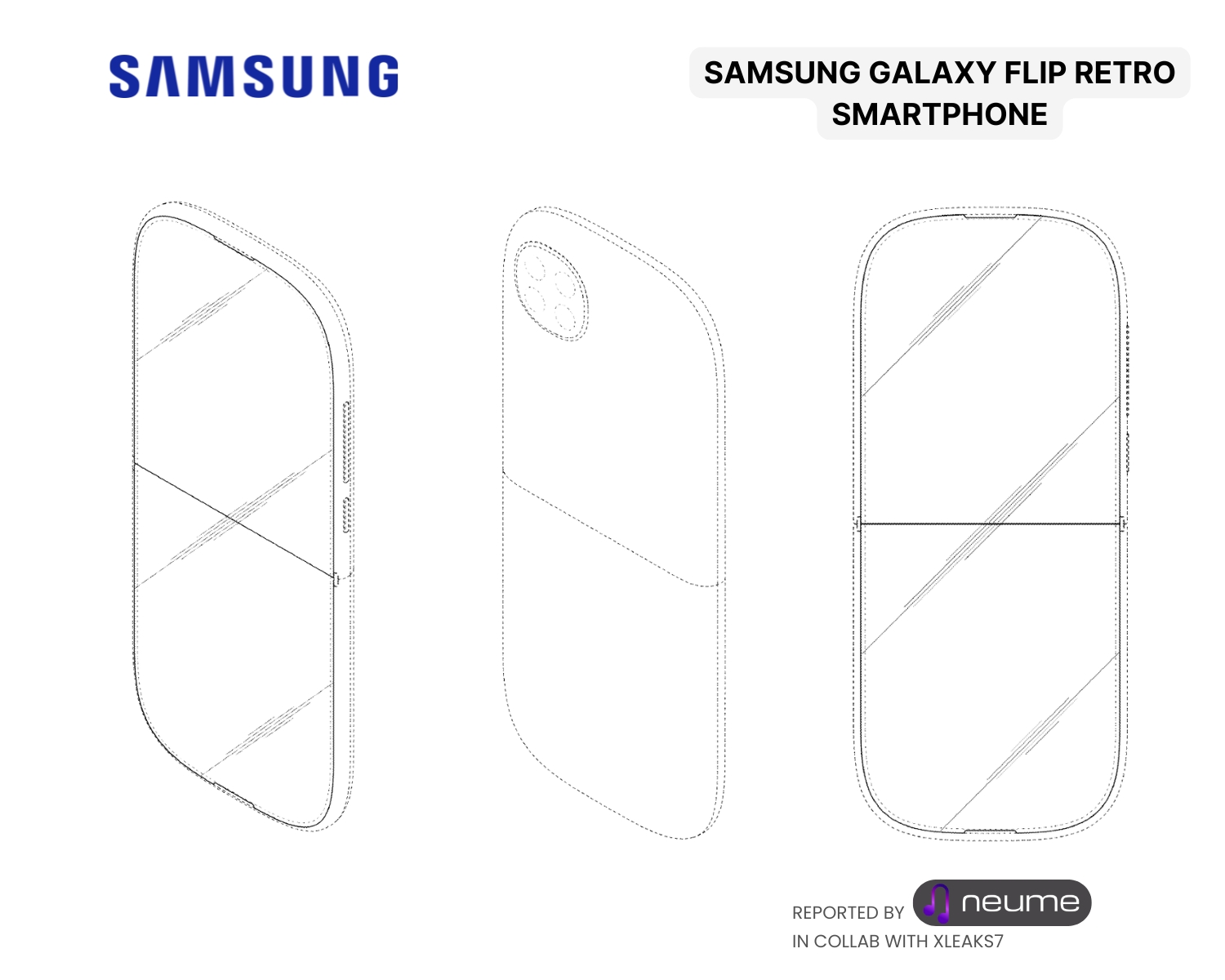
Line drawing from Samsung's WIPO patent showing a clamshell-style flip phone in various views: unfolded, folded inward, and folded outward with symmetrical outer panels and a 360-degree hinge mechanism.

Revolutionary Design Alert: Samsung Just Dropped a Mind-Blowing Patent That’s Set to Disrupt the Foldable World

Samsung is unstoppable. The tech giant has unleashed a stunning new patent that’s turning heads across the industry. This isn’t your ordinary flip phone upgrade. It’s a reversible clamshell masterpiece – a bold, symmetrical foldable that obliterates the old “front vs. back” rules.

Imagine this: Fold it one way. Or the other. Either side faces out. No more fumbling. No defined exterior. Pure freedom. This innovative design delivers ultimate symmetry, making every grip feel flawless.

Spotted on the World Intellectual Property Organization (WIPO) database, the patent sketches reveal a sleek device. Both outer panels mirror each other perfectly in size and shape. One side boasts a circular camera cutout with a tiny LED flash. The other? Clean and minimalist. Flip it open for a massive inner display. Close it for pocket-sized perfection.

Samsung Galaxy Flip Retro Smartphone Has Leaked | Neume

This is next-level innovation. Current Galaxy Z Flip models dominate with their cover screens and camera bumps. But Samsung’s latest vision? It erases distinctions. Hold it any way. Fold it effortlessly. Experience consistency like never before.

Why does this matter? Foldables are exploding in 2026. Market experts predict a massive 30% growth spike. Apple’s rumored iPhone Fold looms. Samsung’s TriFold is already teasing boundaries. Huawei pushes ultra-thin limits. Now, this reversible flip enters the arena – a potential powerhouse for ergonomics and style.

Think about the impact. Users crave seamless experiences. This design screams versatility. No awkward orientations. Just intuitive brilliance. It could redefine daily interactions – quick glances, effortless selfies, immersive multitasking.

Samsung leads the foldable charge. They’ve mastered hinges, displays, and durability. This patent builds on that legacy. It hints at slimmer profiles, tougher materials, and AI-powered features trending hot this year.

But hold on. Patents excite. They don’t guarantee products. Samsung files dozens annually to lock in ideas. Many stay conceptual. Yet, timing feels electric. CES 2026 buzzes with foldable hype. Tri-folds, wide-folds, and now reversible designs dominate conversations.

Visualize the possibilities. A Galaxy Z Flip 8 evolution? Or a standalone stunner? Sketches show uniform thickness. Advanced hinge tech. Views from every angle – folded, unfolded, sideways.

These renders capture the essence. Symmetrical beauty. Futuristic flair. Bold colors pop in concepts.

Dive deeper. Foldables evolve rapidly. 2026 promises AI integration everywhere. Gemini powers millions of Samsung devices. Expect smarter cameras, predictive folding, personalized interfaces.

Battery life? Massive leaps ahead. Ultra-thin yet enduring. Cameras? Pro-grade sensors in compact forms.

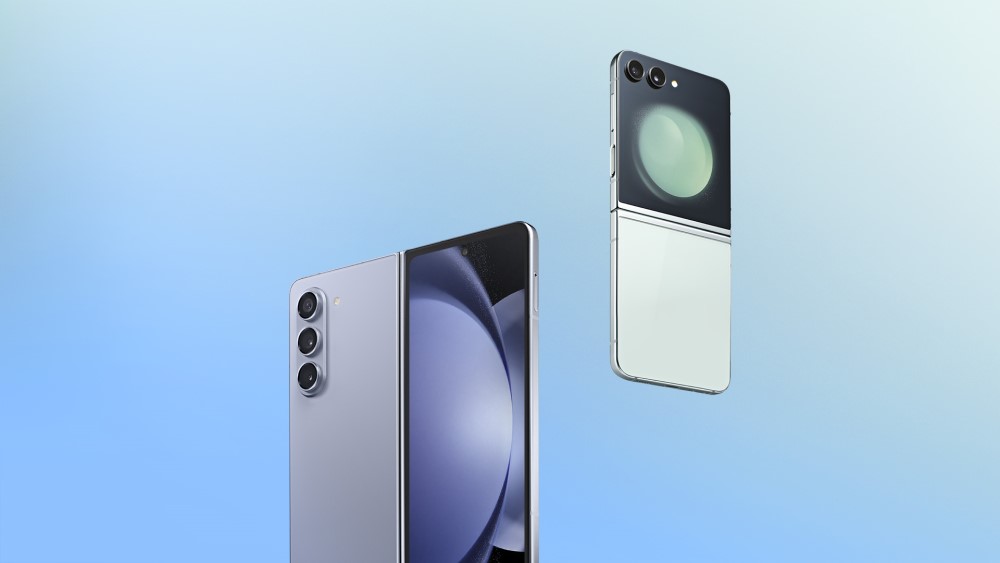
A Look At The Samsung Galaxy Z Flip5 SmartPhone (Design Renders) 2026

Sustainability trends too. Recycled materials. Energy-efficient screens.

Competition intensifies. Motorola expands Razr lineup. Oppo, Vivo push boundaries. But Samsung? They’re the kings of innovation.

This reversible patent sparks excitement. It challenges norms. Forces rivals to innovate faster.

Consumers win big. More choices. Better designs. Affordable premiums?

Enthusiasts are buzzing online. Forums explode with speculation. “Game-changer!” they shout. “Finally, true symmetry!”

Realism check: Commercial launch? Uncertain. But Samsung teases prototypes often. Trade shows reveal hints.

Stay tuned. 2026 unfolds as the year of foldables. Samsung leads the revolution.

This design isn’t just clever. It’s transformative. It empowers users. Simplifies life. Elevates mobile tech.

Samsung strikes again. Bold. Brilliant. Unstoppable.

The foldable future arrives. Reversible. Remarkable. Ready to dominate.

Delhi High Court Revives Nippon Steel Patent Application Rejected After Inventor’s Death

Delhi High Court ruling on Japanese high-strength steel patent application

A Strong Message on Proof of Right, Inventor Death, and Corporate Patents

The Delhi High Court has delivered a decisive ruling that reshapes how India’s Patent Office must treat corporate patent filings when an inventor dies.
The judgement restores balance between procedural law and commercial reality.
It also sends a clear warning against rigid and misplaced interpretations of the Patents Act.

In a case involving a Japanese steel major, the Court quashed a Patent Office order that had refused a patent application for high-strength steel technology.
The refusal rested on a narrow reading of “proof of right.”
The High Court rejected that approach outright.


The Dispute at a Glance

The case arose from a patent application filed by a Japanese company for an invention titled high-strength steel sheet and its manufacturing method.
The technology targets advanced industrial use.
It promises stronger, lighter, and more durable steel.

The application named four inventors.
All were employees of the company.
One inventor passed away during the pendency of the application.

That single fact triggered a chain of legal errors.

The Indian Patent Office refused the application.
It claimed the company failed to prove its right to apply for the patent.
According to the Controller, the company needed an assignment deed from the deceased inventor or his legal heirs.

The company challenged the refusal before the Delhi High Court.


Patent Office View: Procedure Over Substance

The Patent Office took a strict position.

It held that:

  • The death of one inventor broke the chain of title.
  • An employment agreement was not enough to establish ownership.
  • A formal assignment was mandatory.
  • Without it, the company lacked legal standing.

The Controller relied heavily on Section 68 of the Patents Act, which governs assignments.
The Office treated the application as legally defective.

This approach placed form above function.
It ignored how corporate innovation actually works.


High Court Pushback: Law Must Serve Logic

The Delhi High Court firmly disagreed.

The Court ruled that the Patent Office misread the law and misapplied statutory provisions.
It quashed the refusal order in full.

The judgment draws a sharp line between:

  • The right to apply for a patent, and
  • The assignment of a granted patent.

The Patent Office, the Court said, wrongly merged the two.


Employment Contracts Matter

At the heart of the ruling lies one critical finding.

The Court held that an employment agreement can constitute valid proof of right under Indian patent law.

The inventor had signed the agreement during his lifetime.
That agreement clearly vested intellectual property rights in the employer.
The inventor’s later death did not undo that transfer.

The Court emphasized that:

  • The right to apply arises at the filing stage.
  • Section 7 of the Patents Act governs this stage.
  • Section 68 applies only after a patent is granted.

By invoking Section 68 prematurely, the Patent Office committed a legal error.


Inventor Death Is Not a Legal Dead End

The ruling delivers clarity on a sensitive issue.

Inventor death does not automatically invalidate a patent application.
Nor does it force companies into impossible compliance.

The Court noted that:

  • The invention was created during employment.
  • Rights already vested in the company.
  • No fresh assignment was legally required.

Requiring legal heirs to execute assignments would create uncertainty.
It would also disrupt global innovation chains.

The Court refused to allow such instability.


Comparative View: India vs Global Practice

The judgment aligns Indian patent law with global norms.

In major innovation jurisdictions:

  • Employment agreements routinely govern IP ownership.
  • Corporate applicants rely on internal policies.
  • Inventor death does not derail filings.

The Delhi High Court recognized this reality.

It implicitly acknowledged that multinational companies cannot chase posthumous paperwork across borders.
Patent systems must support innovation, not sabotage it.


Procedural Law Is a Tool, Not a Weapon

The Court delivered another powerful message.

Procedural law must advance justice.
It must not obstruct it.

The judgment criticized mechanical decision-making.
It warned against turning technical rules into roadblocks.

Patent examiners, the Court said, must adopt a pragmatic and legally sound approach.

This observation carries wide implications.


What the Court Ordered

The High Court:

  • Set aside the Patent Office refusal.
  • Restored the application.
  • Directed a fresh examination on merits.
  • Barred reliance on the flawed proof-of-right objection.

The ruling does not grant the patent outright.
It restores due process.


Why This Judgment Matters

This decision has industry-wide impact.

For Corporates

  • Employment contracts gain legal weight.
  • Filing risks reduce.
  • Cross-border patent strategy becomes safer.

For Patent Professionals

  • Proof-of-right standards gain clarity.
  • Section 7 and Section 68 are clearly separated.
  • Examiner discretion faces judicial limits.

For the Patent Office

  • The ruling sets a binding precedent.
  • Over-technical refusals face greater scrutiny.
  • Legal accuracy becomes non-negotiable.

A Win for Innovation, Not Just One Company

This case is not just about steel.

It is about how India treats innovation.
It is about predictability.
It is about fairness.

The Delhi High Court reaffirmed that India’s patent system must support genuine inventors and rightful applicants.
It must not collapse under procedural rigidity.


Conclusion: A Course Correction for Indian Patent Law

The ruling marks a turning point.

It restores confidence in India’s intellectual property regime.
It reassures global innovators.
It strengthens the rule of law.

Most importantly, it confirms one truth:
Innovation does not die with an inventor.

When rights are lawfully vested, the law must respect them.


Korea Neuromorphic Chip Patent Growth: Secures Global Second Spot

diagram of a neuromorphic chip architecture mimicking the human brain

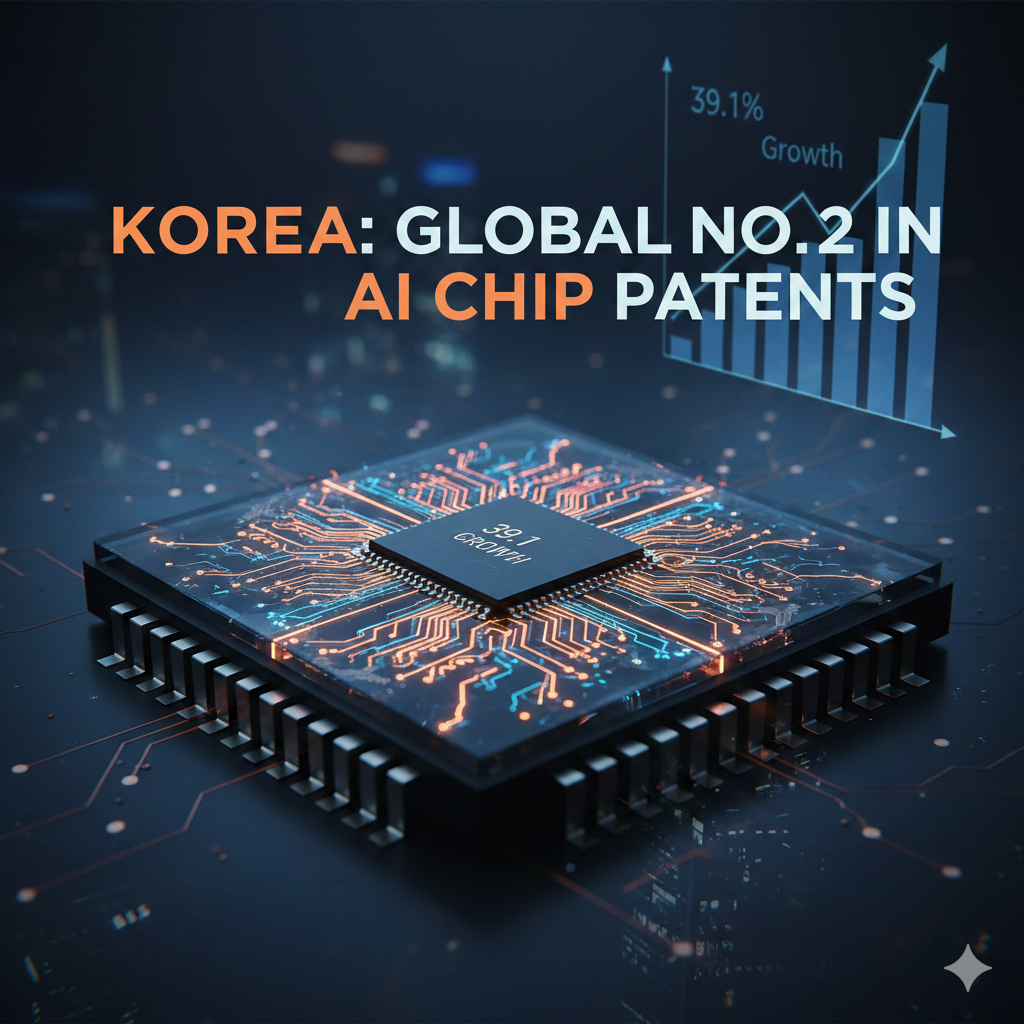
South Korea secured a significant global ranking. The nation stands second worldwide in neuromorphic chip patent growth. These chips are crucial for the next generation of artificial intelligence.

PATENT GROWTH EXPLODES

Korea’s growth rate reached 39.1%. This spans a 22-year period. Officials analyzed data from 2003 to 2024. This growth places Korea right behind China. China’s growth rate was 39.3%. The United States, China, the EU, and Japan also submitted data. These nations form the IP5 group.

Korea also boasts high application volume. It ranks third globally in total applications. The nation filed 702 patents. The US leads the world with 1,528 filings. China holds second place with 839 applications.


KOREAN FIRMS DOMINATE TOP 10

Korean corporations show strong technological leadership. Four institutions appear in the global top 10 list.

  • Samsung Electronics ranks highest. It secured the third overall spot. The firm filed 183 patents.
  • The Electronics and Telecommunications Research Institute (ETRI) followed. It holds the sixth position with 85 filings.
  • SK hynix came in seventh. It filed 84 applications.
  • Seoul National University also made the list. The university ranked ninth with 56 filings.

Globally, IBM and Qualcomm led the individual applicant rankings.


CHIPS MIMIC THE HUMAN BRAIN

Neuromorphic semiconductors mimic the human brain. They copy the brain’s neural network structure. This design allows for computations with lower power consumption. They use less power than traditional methods.

Experts expect wide adoption of the technology. Key application fields include Autonomous Driving and intelligent robots. They will also impact biometric recognition and medical diagnostics.

The market is set for massive growth. Last year, the market value was $28.5 million. Analysts project huge expansion by 2030. They forecast a market size of $1.3252 billion. This reflects an average annual growth rate of 89.7%.

Delhi High Court Rejects Interim Patent Block on Semaglutide, Calls Out ‘Evergreening’ Tactics

The Delhi High Court has delivered a decisive order in the high-stakes battle over semaglutide, the blockbuster diabetes and weight-loss drug. The court refused to grant Novo Nordisk a temporary injunction against Dr Reddy’s Laboratories (DRL), dealing a major blow to the Danish pharmaceutical giant’s attempt to control the Indian market until 2026. The ruling carries far-reaching implications for patent strategy, market competition, and the future of GLP-1 drugs in India.

The court held that DRL had raised a “credible challenge” to Novo Nordisk’s second patent on semaglutide. It found strong indicators of double-patenting, a practice that Indian law treats as an attempt to “evergreen” expired monopolies. The court’s message was clear: companies cannot use secondary patents to prolong control over blockbuster drugs.


Two Patents, One Molecule: How the Dispute Began

Novo Nordisk held two Indian patents related to semaglutide:

  1. Composition Patent (IN 275964)
    This patent covered the semaglutide molecule itself. It expired in September 2024, opening the door for generic manufacturing.
  2. Formulation Patent (IN 262697)
    This patent claims a specific formulation and delivery system for the same drug. It remains valid until March 2026.

When the core composition patent lapsed, DRL secured regulatory approval from the Central Drugs Standard Control Organization (CDSCO) to manufacture semaglutide for export. The approval triggered immediate friction. Novo Nordisk rushed to court, claiming that the formulation patent protected not only the delivery mechanism but effectively covered the drug.

It sought an emergency injunction to stop DRL’s manufacturing and export operations. The company argued that any commercial activity—even export—would cause irreparable harm.


The Court’s Ruling: A Firm Stand Against Evergreening

Justice Anish Dayal rejected the injunction request. The court held that DRL’s objections to the formulation patent were strong enough to deny temporary relief to Novo Nordisk.

1. Double-Patenting Concern

The court noted that the formulation patent appeared to reclaim the same invention for which Novo Nordisk’s composition patent had already expired. The claims overlapped heavily.

This amounted to “evergreening”—a tactic where pharmaceutical companies file secondary patents to extend monopoly periods.

Indian patent law, especially after Section 3(d), firmly discourages such strategies.

2. Lack of Inventive Step

The court observed that Novo Nordisk’s claimed improvements in the formulation patent did not appear novel or non-obvious.
The modifications were routine optimizations well known in pharmaceutical science. They did not represent a genuine leap in innovation.

This significantly weakened the validity of the formulation patent.

3. Balance of Convenience Favoured DRL

Since the core patent had expired, the court held that public interest and market competition must be prioritized.

Blocking DRL without conclusive proof of infringement would be unfair, especially when DRL was manufacturing the drug only for export markets.


Exports Allowed, But Indian Market Stays Closed—for Now

The court made a nuanced distinction. DRL may:

  • continue manufacturing semaglutide, and
  • export it freely to international markets.

However, domestic sales remain prohibited until the formulation patent expires in March 2026, unless the patent is invalidated earlier.

This split ruling reinforces India’s position as the world’s largest exporter of affordable generics, while still respecting valid patent rights inside the country.


A Major Win for Generic Manufacturers

The decision strengthens the confidence of Indian pharmaceutical companies entering high-value therapeutic categories. Semaglutide, widely used for Type-2 diabetes and explosive global demand for weight-loss treatments, represents one of the most lucrative drug classes today.

DRL is not alone. Cipla, Sun Pharma, Biocon, and Mankind Pharma are exploring GLP-1 opportunities. The Delhi HC’s ruling sends a bold signal: secondary patents will face strict scrutiny.

Indian courts have repeatedly warned against evergreening. This judgment continues that legacy, following similar rulings in the cases of imatinib, sofosbuvir, and darunavir.


Why This Case Matters Globally

The global pharmaceutical industry is watching India closely. Semaglutide is one of the world’s most valuable drugs, powering Novo Nordisk’s meteoric rise in recent years.

A single ruling from an Indian court can influence:

  • global supply chains,
  • generic entry timelines,
  • price dynamics across continents.

India produces nearly 40% of the world’s generics. Any shift in the patent landscape here disrupts international markets.

By allowing export manufacturing, the court has opened a potential pipeline of affordable semaglutide to emerging markets struggling with diabetes and obesity crises.


What Happens Next?

Novo Nordisk has several options:

  • Appeal before a division bench of the Delhi High Court.
  • Initiate a full trial to defend the validity of the formulation patent.
  • Seek tighter regulatory restrictions on generic manufacturing.

DRL, meanwhile, may accelerate export production and explore challenging the patent’s validity to unlock the domestic market earlier.

Legal experts expect this case to set an important precedent for future GLP-1 patent disputes, especially as rival companies race to launch their own weight-loss drugs.


Conclusion

The Delhi High Court’s rejection of Novo Nordisk’s interim injunction is a striking affirmation of India’s sharp stance against patent evergreening. The ruling protects open competition, enables affordable access through exports, and reinforces India’s leadership in generic pharmaceuticals.

As demand for semaglutide surges worldwide, the judgment could reshape the global supply chain for one of modern medicine’s most influential drug classes.